



Vietnam's vision in the spirit of the 14th National Party Congress is 'mature' and strategically grounded: Malaysian scholar
WVR - Speaking with the Word and Vietnam Report, Dr. Ku Boon Dar from the University of Sains Malaysia, Malaysia, expressed optimism about Vietnam's development model in the 14th National Party Congress as well as the development trajectory of the S-shaped land, which has demonstrated the ability to combine long-term vision with disciplined and consistent implementation.
Latest
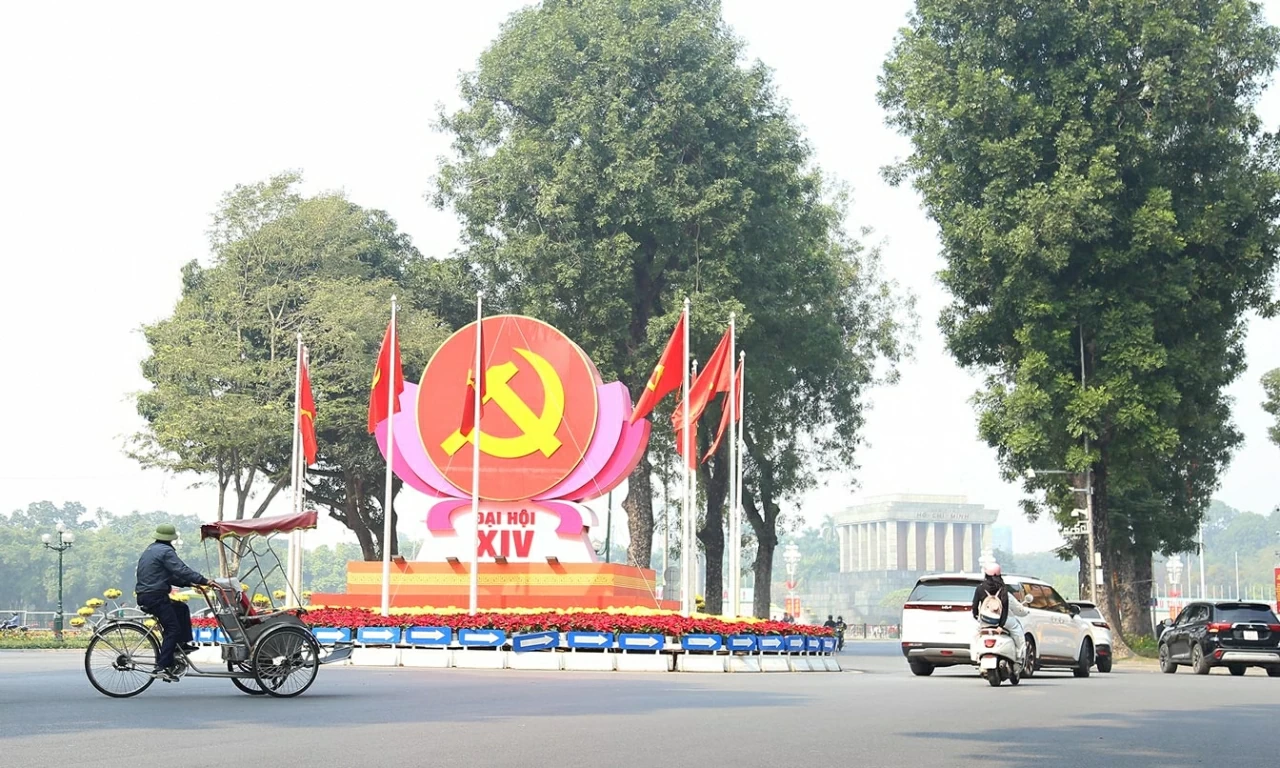 |
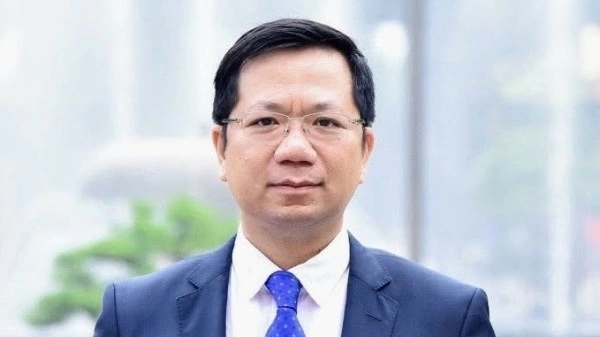
| The Malaysian expert believes that the new growth model outlined in the Draft Document of the 14th National Party Congress carries a long-term vision and has a solid strategic foundation. (Photo: Thanh Long) |
How do you assess the importance of the 14th National Congress of the Communist Party of Vietnam for Vietnam's future development, especially the major goals set for this term?
I assess the new growth model set out in the draft Documents of the 14th National Congress of the Communist Party of Vietnam as a highly mature, forward-looking and strategically grounded response to contemporary global economic realities.
The strong emphasis on science and technology, innovation and digital transformation as the principal engines of growth clearly signals Viet Nam’s transition away from a development model based primarily on low labour costs and geographical advantage towards one driven by productivity, high value-added activities and long-term competitiveness. This direction is fully consistent with the trajectories of countries that have successfully achieved structural upgrading during the middle-income transition.
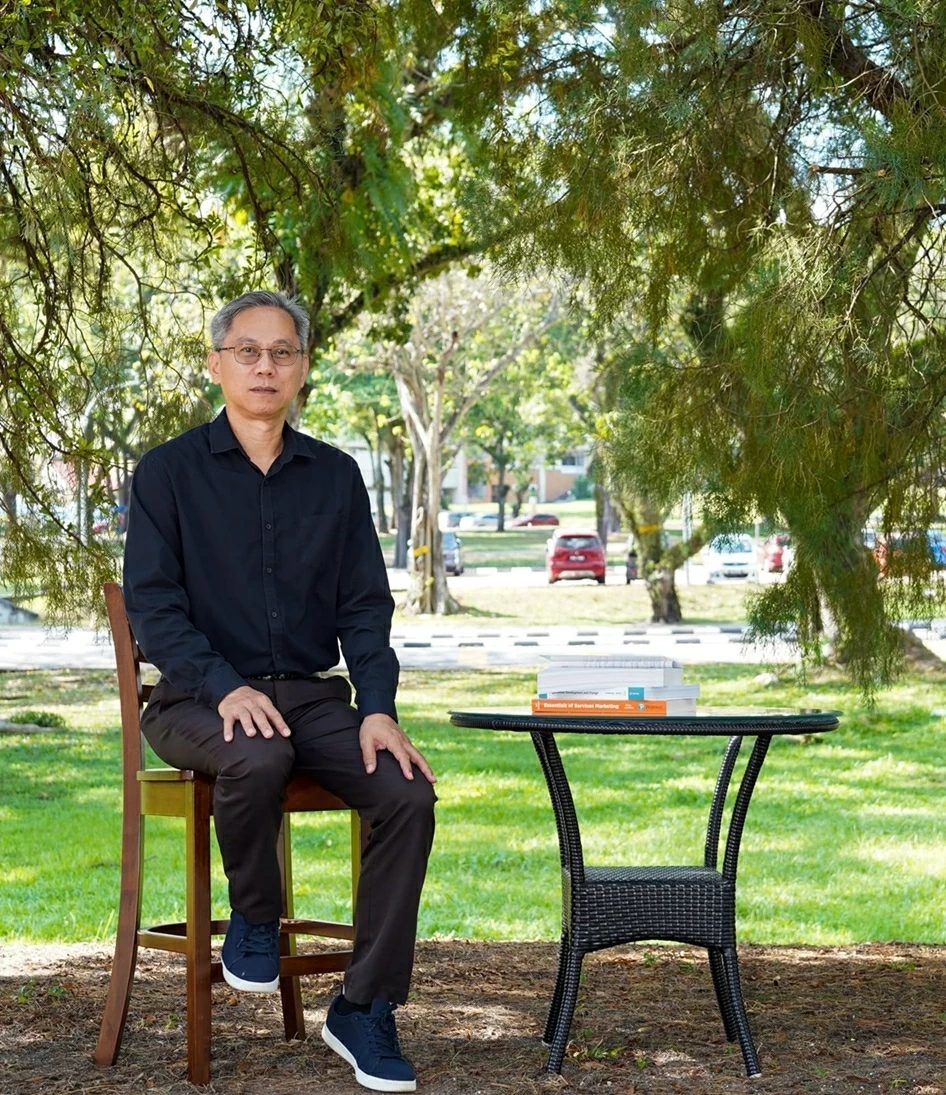 |
| Dr. Ku Boon Dar, University of Đại học Sains Malaysia, Malaysia. (Photo: Chu Van) |
From a governance perspective, this model reflects strong central strategic planning capacity and a clear national development vision. Vietnam is not pursuing growth for its own sake; rather, it prioritises high-quality growth anchored in macroeconomic stability, inflation control, disciplined fiscal management and sustainability, an approach that may be aptly described as growth with discipline. The country’s recent track record demonstrates its ability to maintain macroeconomic stability, attract consistent inflows of foreign direct investment (FDI), and expand both its industrial and digital sectors in a balanced manner.
An average growth target of around 10 per cent for the 2026-2030 period is undoubtedly ambitious, yet it is not unrealistic given Vietnam’s institutional capacity. Achieving this objective will depend on highly coordinated policy execution across fiscal and monetary policy, industrial strategy, the digital transformation agenda, human capital development, education and skills systems as well as investment and innovation governance. Viet Nam’s ability to align these multiple policy instruments simultaneously constitutes one of its key advantages over many other emerging economies.
In my view, the core strength of this model lies in Vietnam’s state capacity, that is, the institutional ability to concentrate national priorities, mobilise resources effectively and implement economic restructuring in a phased yet consistent manner. This capacity has not been built overnight; it is the product of long-term reform experience, institutional discipline and sustained policy leadership. It is precisely this foundation that makes Vietnam’s new growth model not merely a policy declaration but a credible national transformation strategy with a high probability of successful implementation.
In the current international context, how do you perceive Vietnam's vision of integrating into the mainstream of the era, as well as its independent, self-reliant foreign policy, being a friend and reliable partner of the international community, while actively contributing to peacekeeping and addressing global challenges?
In an increasingly uncertain political landscape resulting from great-power competition, technological protectionism, tariff wars and geopolitical instability, I observe that Vietnam’s strategy remains firmly committed to actively integrating itself into the global mainstream while maintaining an independent, self-reliant and principled foreign policy which can be assessed as a highly pragmatic and thorough form of strategic balance. The approach and measures taken not only demonstrate Vietnam’s clear and consistent foreign-policy direction, but also show the country’s ability to manage international relations in an independent, pragmatic, and balanced manner without being tied to any major power bloc. This is perhaps the strength of the bamboo diplomacy adopted by Vietnam.
Moreover, what is even more strategically impressive is Vietnam’s ability to position itself as a consistent and reliable economic and diplomatic partner. Vietnam is able to build the confidence of international investors and regional partners without sacrificing the principles of sovereignty and national interest. Its extensive economic relations with a wide range of key strategic partners across the Asia, Europe and the Americas demonstrate that Vietnam has successfully translated its free and balanced foreign policy into tangible economic and diplomatic benefits.
Simultaneously, Vietnam’s aspiration to emerge as a high-income country by 2045 reflects a deep awareness in Vietnam that global integration is not merely a matter of rhetoric or opening markets to trading partners. Rather, it requires strong institutions, effective governance, a productive business environment and a commitment to continuous reform. Therefore, I continue to hold the view that Vietnam understands that long-term competitiveness depends on the country’s efforts to strengthen its institutions including what has been and will be done to enhance domestic capacity rather than simply relying on the external environment.
In facing security issues and global challenges, Vietnam’s stance of prioritising cooperation, regional stability, and joint solutions carries great significance for Southeast Asia, particularly ASEAN. As global supply chains, strategic technologies, energy security and food security increasingly become focal points of geopolitical competition, Vietnam’s constructive and stability-oriented approach plays an important role in strengthening both regional and global resilience.
Therefore, Vietnam is not only a beneficiary of the international system but also an active contributor to regional peace and stability, particularly within ASEAN and across the wider world.
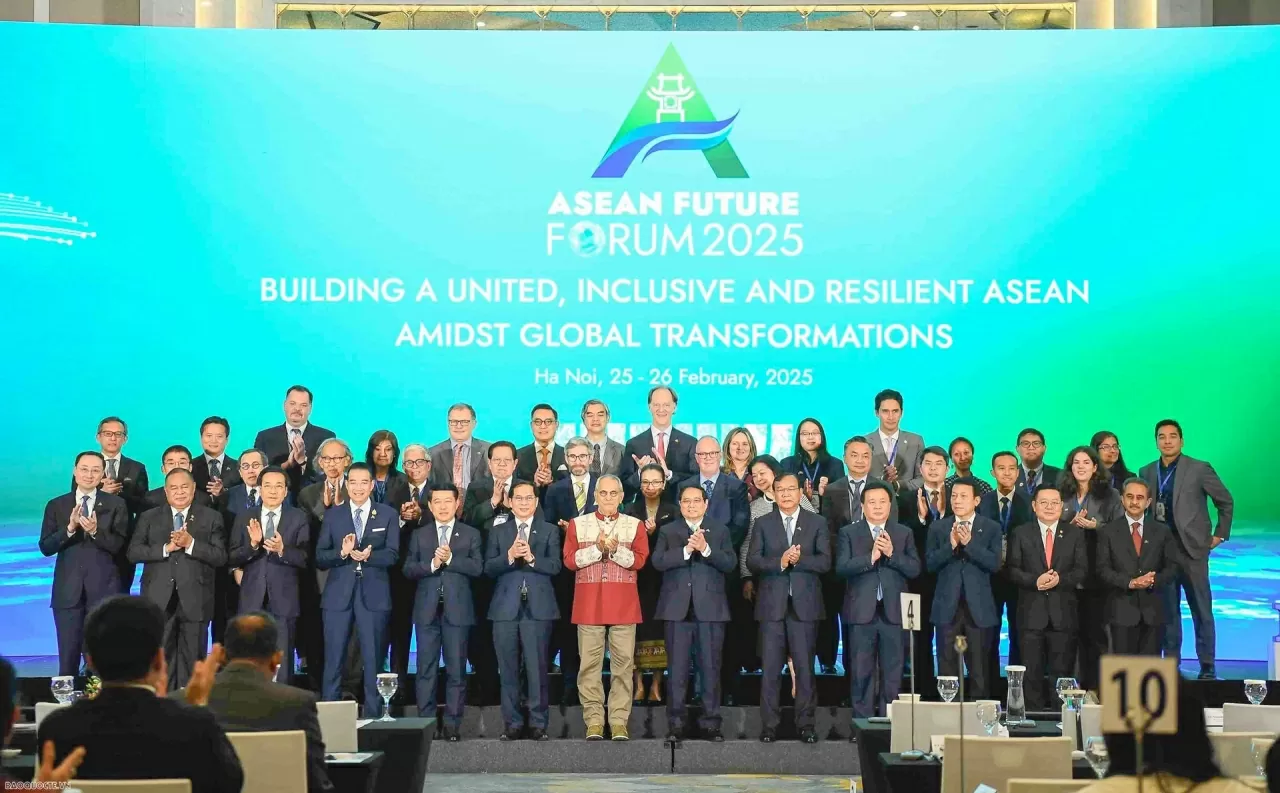 |
| The ASEAN Future Forum has gradually established its brand and become a reputable destination. (Photo: Chu Van) |
How do you evaluate Vietnam's contributions to regional and international issues in recent years, including building the ASEAN Community? How can Vietnam contribute to promoting and implementing the ASEAN Vision 2045 in the new development phase of the region?
From my point of view, Vietnam’s contributions to ASEAN’s development over the past few years have been highly constructive, proactive and forward-looking. This view is expressed because I have observed that, in recent years, Vietnam has not merely engaged in passive participation but has actively shaped the regional agenda and direction. The steps taken by Vietnam reflect the maturity of its diplomacy as it has shifted from the role of a policy-taker to that of an agenda-setter, particularly on ASEAN’s strategic issues and regional governance frameworks.
Among others, I would cite a prominent example demonstrated by Vietnam through the ASEAN Future Forum initiative, which was launched by Vietnam under the auspices of the Diplomatic Academy of Vietnam (Ministry of Foreign Affairs of Vietnam) since 2024. In my view, this forum serves as a complement to ASEAN’s existing mechanisms. It provides a platform for long-term strategic discussions on the future of the region among ASEAN member states together with other strategic partners in an increasingly complex geopolitical environment. In my opinion, this forum demonstrates Vietnam’s leadership and long-term vision in strengthening ASEAN’s resilience. It offers opportunities for leaders and policy-makers from ASEAN countries and their strategic partners to stimulate innovative ideas and to cultivate a more open and forward-looking culture of strategic dialogue that goes beyond short-term policy coordination.
Meanwhile, with regard to the ASEAN Community Vision 2045, which was adopted on 26 May 2025, the Vision also outlines ASEAN’s aspiration to become a resilient, innovative, dynamic, and people-centred community. Therefore, I see Vietnam as being in a highly strategic position to contribute significantly to the implementation of this Vision. In my view, this Vision can be advanced through three main areas of practical cooperation and institutional capacity-building.
First, through the field of the digital economy and regional innovation. I am optimistic that Vietnam can act as a catalyst for joint development, provide cooperation in digital talent, and help shape a cross-border innovation ecosystem. This is in line with Vietnam’s national digital transformation agenda, which is currently being implemented aggressively across both public and private sectors.
Second, in terms of supply-chain resilience and ASEAN economic integration. I also believe that Viet Nam’s experience as an increasingly important manufacturing and trading hub enables the country to adapt to global geopolitical pressures, which aligns with ASEAN’s long-standing efforts to cope with an increasingly challenging geopolitical environment while maintaining economic openness.
Finally, within the framework of a people-centred approach and social resilience, I am also of the view that Viet Nam can strengthen regional cooperation in food security, public health, disaster management, and climate change adaptation, areas that are increasingly recognised as the core of ASEAN’s non-traditional security agenda and human security priorities.
Overall, I believe that Vietnam occupies a strategic, unique, and influential position within today’s ASEAN landscape. The combination of its development credibility, strong policy implementation capacity, and experience in pragmatic reform makes Vietnam one of the most important assets in ensuring the success of ASEAN Vision 2045. It is not merely a document of aspiration, but a regional agenda that can be realised gradually yet effectively through sustained political commitment and regional cooperation.
 |
| Vietnam holds a strategic and influential position in the current ASEAN landscape. (Photo: Le Thanh) |
Every path to success is not smooth and requires a lot of effort. In your opinion, what advantages does Vietnam have on the road ahead, and how should it tackle the challenges?
I see Viet Nam’s development potential as very large; however, at the same time, the challenges it faces are also at a “world-class” level. This dual reality defines the strategic context in which Viet Nam must operate. Therefore, the key determining factors for success in achieving its long-term goals, including the two centenary targets and the aspiration to become a high-income, developed country by 2045, lie in the strength of its governance, institutional capacity, and discipline in policy implementation.
From the perspective of opportunities, first, Viet Nam is in a very strong position to upgrade its economic structure, that is, to move from an assembly-based and labour-intensive manufacturing model towards an economy driven by innovation, productivity growth and high value-added activities. Such a structural shift is critical for avoiding the middle-income trap. This direction is aligned with the new growth model that emphasises science, technology, and digital transformation as the main drivers of the future economy.
Second, Viet Nam continues to enjoy strong foreign investment appeal, particularly in the context of the global supply-chain reconfiguration. Changes in the strategies of multinational companies seeking to diversify production locations and markets have placed Viet Nam as one of the main destinations, based on its political stability, consistent economic policies, and increasingly mature production capacity. This positions Viet Nam as a key node in emerging regional and global production networks.
Third, a clear national direction towards 2045 represents a strategic advantage that few developing countries possess. This long-term target creates policy certainty, enhances market confidence, and facilitates the mobilisation of resources whether in the form of investment, human capital development, or institutional reform in a more orderly and phased manner. Such clarity reduces policy volatility and encourages long-term planning by both domestic and foreign stakeholders.
Nevertheless, the challenges should not be underestimated. From a domestic perspective, the need for deeper institutional reform remains crucial to ensure that high growth can be sustained with quality. This includes strengthening the role of the private sector, improving job quality, and boosting labour and technological productivity in line with the targeted level of development. Without these reforms, rapid growth risks becoming fragile and uneven.
In addition, climate change, which manifests in floods, extreme weather, and the need for an energy transition, has the potential to directly affect long-term growth if not addressed in a systematic and holistic manner. These issues will undoubtedly require substantial investment, long-term planning, and strong international cooperation. They also test the capacity of Viet Nam’s governance systems to manage complex, cross-sectoral risks.
Meanwhile, from an international standpoint, an increasingly turbulent geopolitical environment including great-power competition, rising protectionist policies and tariff wars, as well as divergent technological and trade standards will require highly skilful, flexible, and forward-looking diplomacy. I see Viet Nam as capable of maintaining a balanced and principled foreign policy, which will be an important asset in navigating today’s and tomorrow’s global uncertainties. Such diplomatic agility is essential for safeguarding national interests while preserving strategic autonomy.
Overall, as I have stated earlier, I remain highly optimistic about Viet Nam’s development trajectory. Viet Nam has demonstrated its ability to combine long-term vision with disciplined and consistent implementation. I believe that with the new leadership that will emerge from the 14th National Congress, together with a strong commitment to strengthening institutional capacity and continuously upgrading the quality of human capital, the 2045 target for Viet Nam to emerge as a high-income country is not merely a national aspiration but has strong potential to be realised as a historic achievement. This would mark Viet Nam’s successful transition from a developing economy to a fully modernised nation.
Thank you very much!