

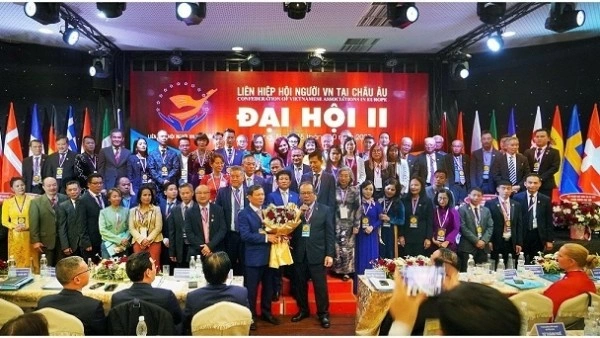


80 years of Vietnamese diplomacy: A proud and ever-fresh journey
WVR - Diplomacy is a challenging and meaningful profession. Each day in this field brings new experiences and valuable lessons, shared Ambassador Nguyen Quoc Dung on the occasion of the 80th anniversary of the founding of Vietnamese diplomacy.
Latest
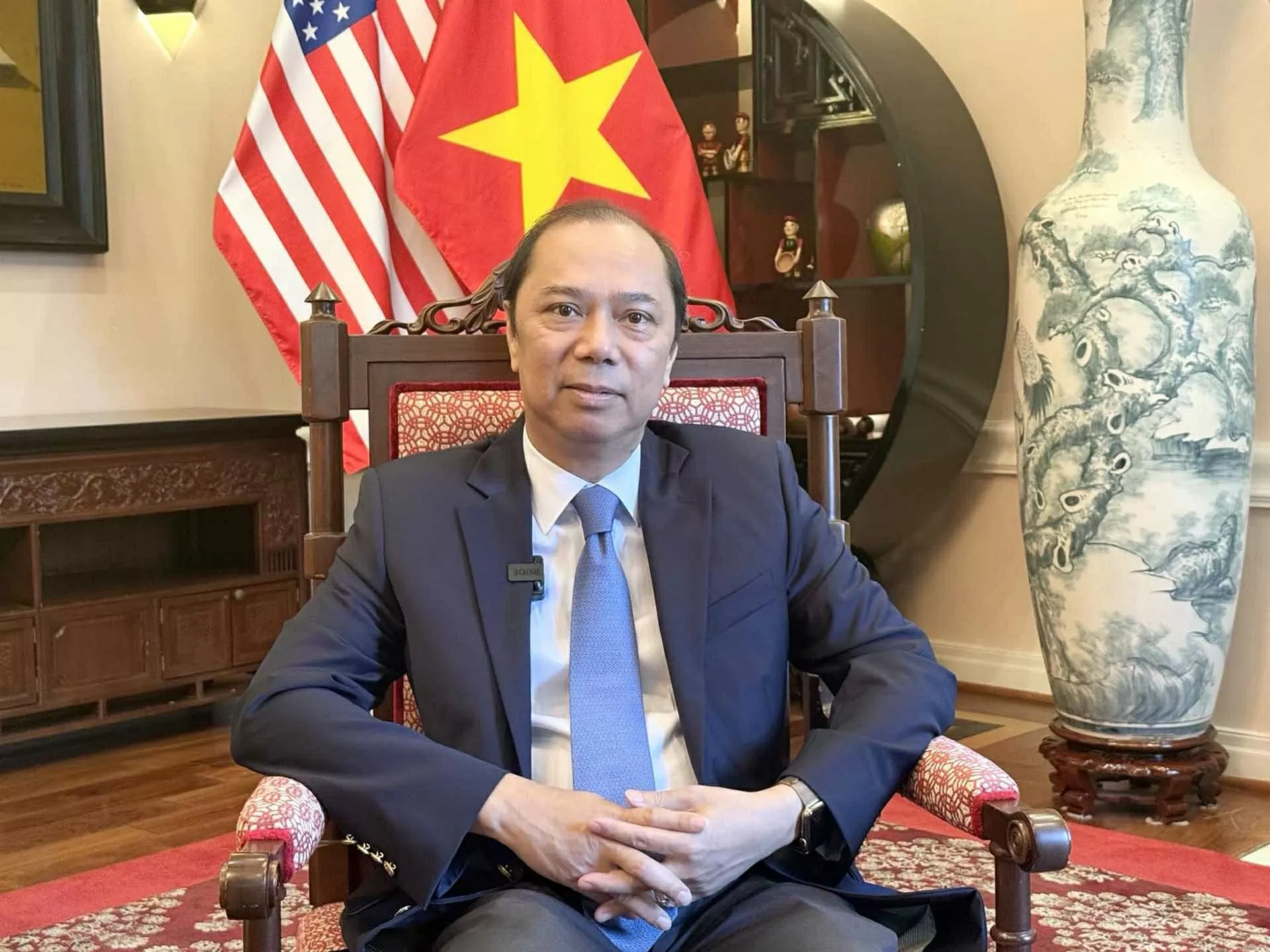 |
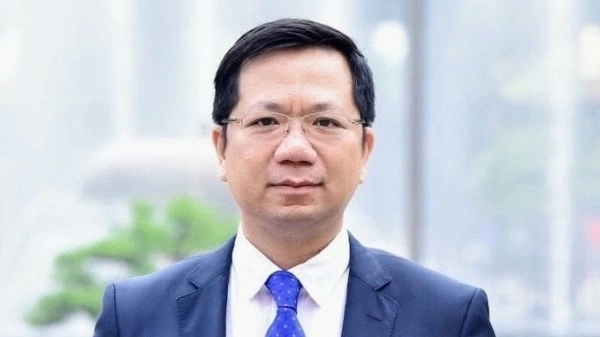
| Vietnamese Ambassador to the United States Nguyen Quoc Dung. (Source: Vietnamese Embassy in the United States) |
Over more than 40 years in the diplomatic field, from five years of study at the Diplomatic School, now the Diplomatic Academy, to 35 years at the Ministry of Foreign Affairs, I have come to deeply appreciate that diplomacy is a noble profession with a unique characteristic – it is always fresh, never old or boring.
The profession of "Firsts"
The most remarkable realization throughout my career is that diplomacy is truly the "profession of firsts". This may sound paradoxical – how can someone with many years of experience still encounter tasks for the first time?
The answer lies in the distinctive nature of diplomatic work. Unlike other jobs that are repetitive, mechanical, and predictable, diplomacy constantly presents us with new situations and unprecedented challenges. Every negotiation, meeting, and diplomatic event carries unique elements and unforeseeable variables.
In a constantly changing world, where international relations are becoming increasingly complex and multidimensional, the situations a diplomat faces are never identical. This requires us to continuously explore, learn, and understand to respond effectively.
Experience accumulated from past work and experiences plays a crucial role, but in a different way. Experience helps us approach situations better, develop professional intuition, and quickly and accurately assess situations.
However, specific responses in new situations always demand creativity, flexibility, and adaptability. Experience serves as a compass, not a fixed formula.
I was fortunate to serve as Secretary to Minister Nguyen Dy Nien. This can be considered one of the most significant and memorable phases of my career. In this role, I had the opportunity to access important information, observe how leaders handled work and complex situations. The unique aspect of this role was that I could support the Minister in many important tasks without bearing direct responsibility for the final decision. This created an ideal learning environment where I could observe, learn, and gain experience without the pressure of heavy responsibility.
As the Minister’s Secretary, I also learned a great deal about the art of leadership. I witnessed how leaders made decisions in complex situations, considered various factors, built consensus, and promoted policy implementation.
This experience taught me that leadership is not just about giving orders or making decisions, but also about inspiring, building trust, and creating an effective working environment. A good leader needs not only excellent communication skills but also the ability to listen, understand different perspectives, and find constructive solutions.
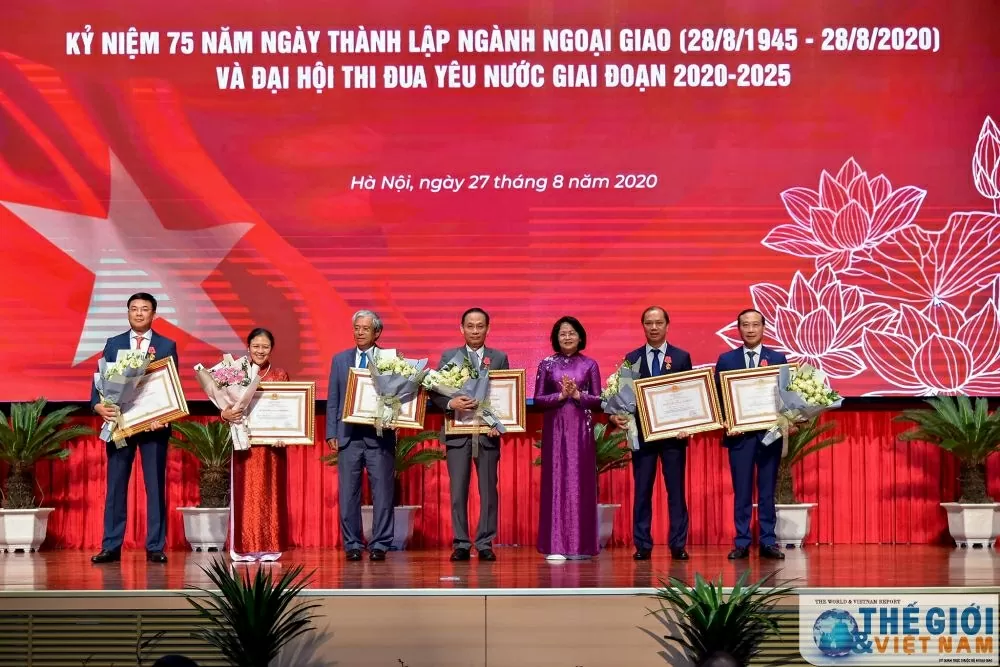 |
| Deputy Minister of Foreign Affairs Nguyen Quoc Dung and colleagues receive the Labor Medal at the 75th Anniversary of the Founding of Vietnam's Foreign Affairs, August 27, 2020. (Photo: Tuan Anh) |
Always aware of personal limitations
The "always new" nature of diplomacy taught me a lesson: never be complacent. Complacency can lead to overlooking important details and subtle changes in the international environment. In diplomacy, a small overlooked detail can have significant consequences. Recognizing the need to "never be complacent", I also believe in being ready to learn from everyone, not just from senior figures. Assuming that one knows everything and has experienced all situations can result in rigid thinking and a loss of adaptability to new changes. The younger generation often embraces new technology, has better language skills, and a deep understanding of contemporary culture. Thus, they can offer fresh perspectives, insights into technology, social media, and contemporary culture that our generation might miss.
One of the important lessons I have learned over many years is the awareness of personal limitations. Despite having the opportunity to work in various units, experiencing both external and internal aspects of the field, studying in Europe, and being exposed to new ideas, I still find that my perspective has its limitations.
The world is becoming more complex, and international relations are increasingly multidimensional and volatile. No one can fully grasp all these changes. It is crucial to maintain a humble attitude, acknowledge personal shortcomings, and always be willing to learn.
This awareness of limitations drives me to continue learning and expanding my perspective. In the modern world, a diplomat needs knowledge not only in politics but also in economics, culture, technology, environment, and many other fields. This is why perhaps this profession is... always new.
Expanding one's perspective does not only mean acquiring new knowledge but also changing the way we perceive and approach issues. It requires us to remain open to new ideas and be ready to change our viewpoints when presented with new evidence.
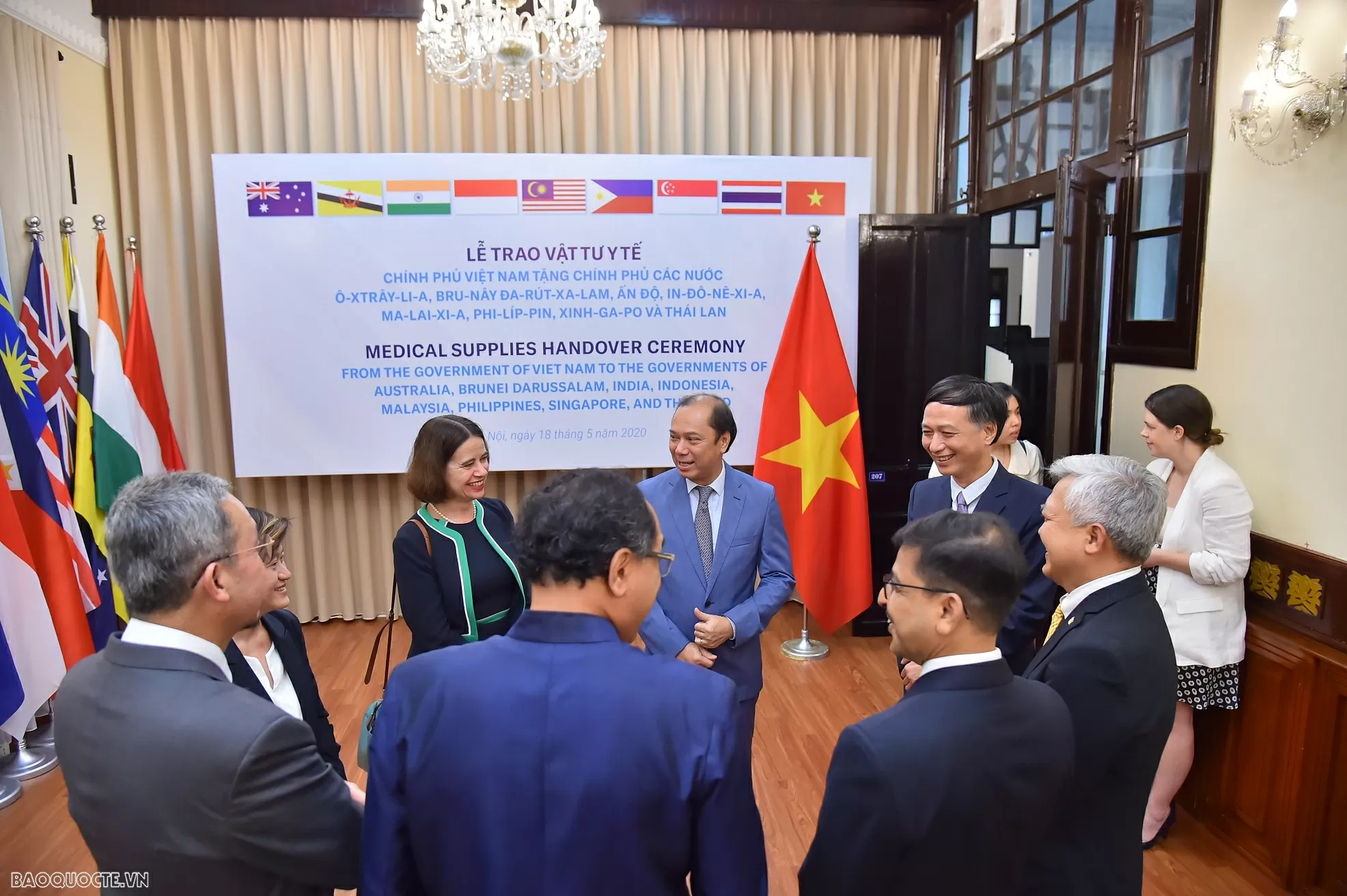 |
| Deputy Minister of Foreign Affairs Nguyen Quoc Dung discusses with representatives of countries at the ceremony to donate medical supplies for Covid-19 prevention in Hanoi, May 18, 2020. (Photo: Tuan Anh) |
Legacy from the "Veterans" and value of collegiality
Throughout my career, I have been fortunate to learn from the "veterans" of Vietnam's diplomatic field – individuals who have dedicated their lives to the country's diplomatic service. Senior leaders at the Ministry of Foreign Affairs, under whom I worked, such as Nguyen Dy Nien, Vu Khoan, Pham Gia Khiem, and further back, Le Mai, Nguyen Manh Cam, were not only brilliant diplomats but also devoted mentors.
From these predecessors, I learned not only profound professional knowledge and sophisticated negotiation skills but also professional work styles and humble conduct. They showed me that a true diplomat needs not only intellect and skills but also character and high professional ethics.
One aspect I deeply value, drawn from my career, is that diplomacy is the art of patience. Diplomatic successes often do not come quickly but require time, perseverance, and persistence. The more I interact with senior leaders, the more I realize the importance of having a strategic vision, the ability to look far ahead, not just focusing on immediate benefits.
In diplomacy, one of the most valuable assets a person can have is relationships with colleagues. Those who studied and worked together for many years form an invaluable network. The deep understanding and empathy among colleagues, the ability to understand each other without many words, result from years of working together and sharing experiences. Thanks to these relationships, many tasks are handled promptly and effectively. In crucial moments, when quick and accurate action is needed, mutual trust and understanding among colleagues become decisive factors.
Especially during the period of ASEAN's strong development, when Vietnam plays an increasingly important role in the region, personal relationships among diplomats, mutual trust, such as among ASEAN SOM leaders, a position I once held representing Vietnam, have contributed to promoting cooperation and resolving complex issues.
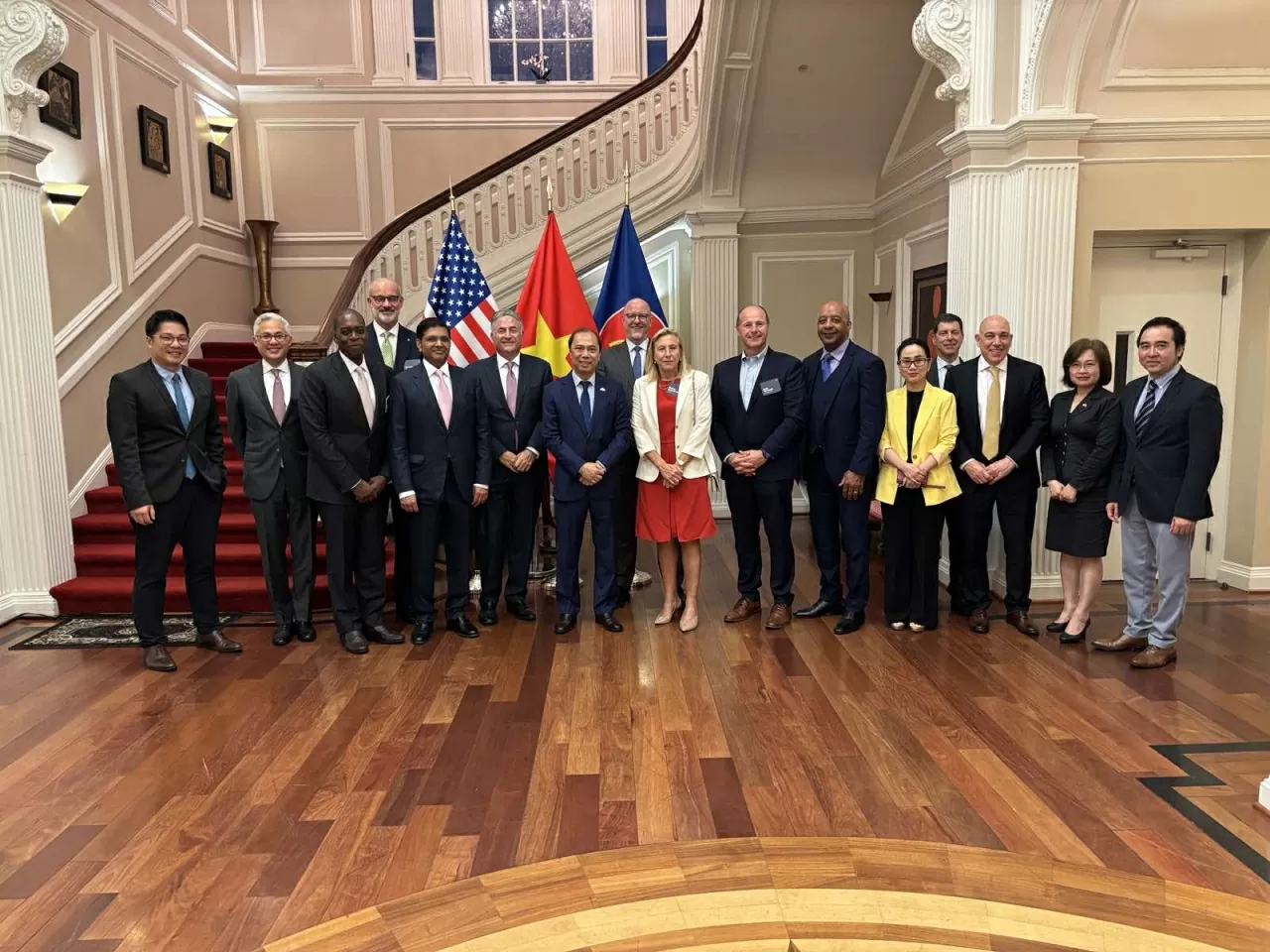 |
| Ambassador Nguyen Quoc Dung meets CEOs of the top 10 U.S. companies. (Source: Vietnamese Embassy in the United States) |
Some suggestions for future generations
After 40 years in the diplomatic profession, the more I think, the more I feel compelled to share some thoughts with young diplomats. Although these are not new or profound insights, anyone can say them, the special thing I find is that the more I think, the more I realize their truth. First is the spirit of humility. Humility does not mean a lack of confidence, but a proper understanding of one's abilities and a willingness to learn from everyone.
Humility leads to the second point, which is the spirit of continuous learning. Diplomacy requires us to always update our knowledge, expand our understanding, and continuously improve ourselves. This is not only important at the beginning of a career but must be maintained throughout one's professional life.
Humility also helps us avoid complacency. In a rapidly changing world, what we know today may not be true tomorrow. Therefore, we must always be self-aware, constantly remind ourselves, keep updating information, and adjust our perspectives when necessary.
Flexible principles might be the final point I want to emphasize here. I will give an example of adaptability. In diplomacy, plans can change at any time, and situations can evolve in unforeseen ways. A good diplomat must have the ability to anticipate, prepare, and quickly adapt to these changes while staying aligned with established goals and policy priorities.
Even with experience, we still need to continue honing our skills, as each diplomatic situation has its unique points. Success in the profession comes not only from professional knowledge but also from the ability to build relationships, mutual trust, and team spirit.
Diplomacy is truly a beautiful profession – beautiful because it brings profound meaning to life, beautiful because we can contribute to building peace and cooperation among nations. Despite its challenges, these very challenges make the profession attractive and meaningful.
With these insights, I hope future generations of diplomats will continue to uphold the fine traditions of the field while bringing new contributions and creative approaches to advance Vietnam's diplomacy and affirm its position on the international stage.