




14th National Party Congress: Culture is the 'soft key' to global integration
WVR - Culture and people are affirmed as the spiritual foundation and a powerful resource for the sustainable development of the nation.
Latest
On the eve of the 14th National Party Congress, National Assembly deputy Bui Hoai Son, a specialized member of the National Assembly's Committee for Culture and Society, shared his perspective on the importance of culture in the nation's development process.
Mr. Son emphasized that if supported by institutions, policies, infrastructure, and a creative environment, culture will become a gentle yet incredibly strong path for Vietnam to elevate its position in the future.
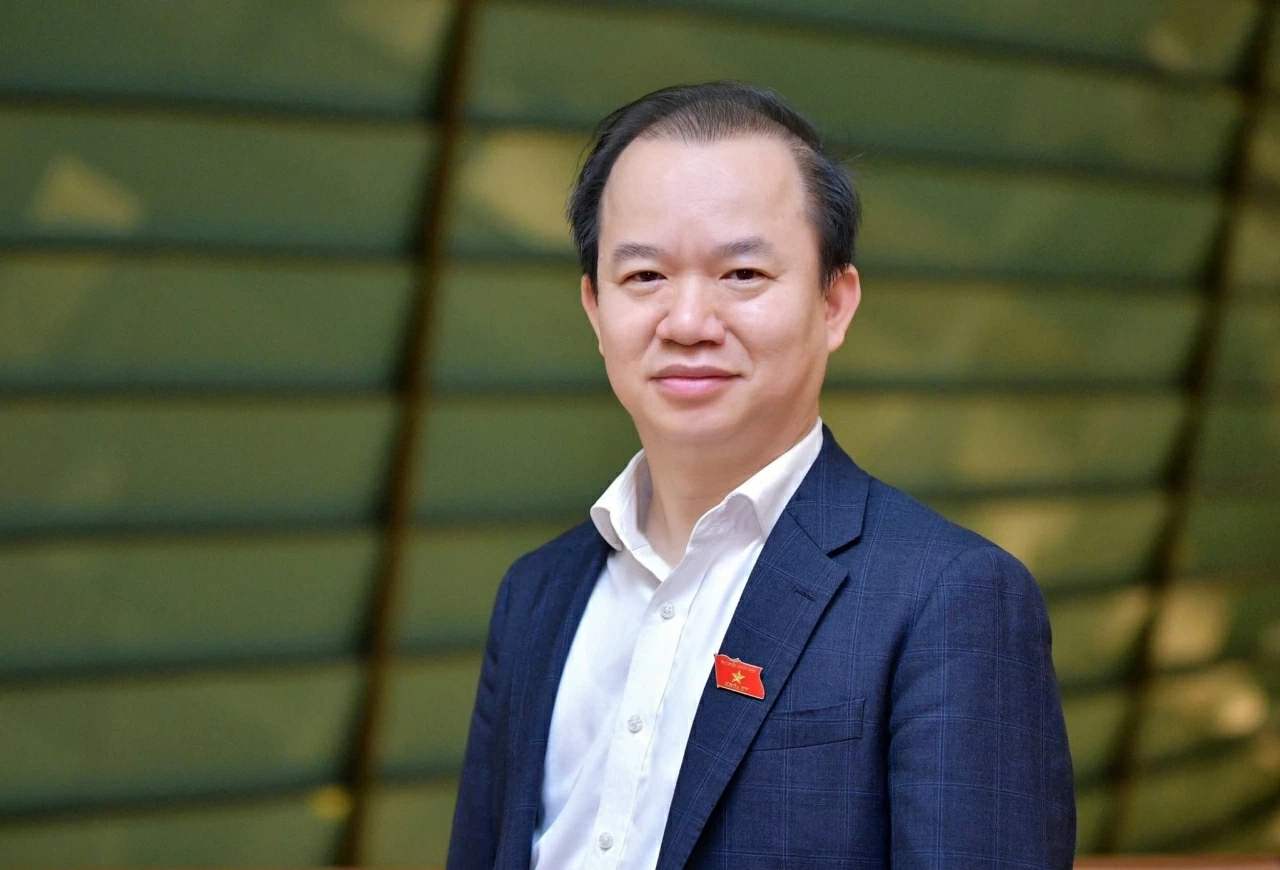 |
| National Assembly deputy Bui Hoai Son. (Source: National Assembly) |
Culture – The "regulator" of development
In the draft Document of the 14th National Party Congress, culture and people are not only affirmed as the spiritual foundation but also as a powerful resource, goal, and motivation for development. According to you, what is the significance of placing culture at the center for the sustainable and long-term development orientation of the country?
The draft Document of the 14th National Party Congress proposes the viewpoint of "building and developing an advanced Vietnamese culture imbued with national identity, synchronized on the foundation of national values, cultural values, family values, and the standards of Vietnamese people". It also reaffirms the viewpoint of "building and comprehensively developing Vietnamese culture and people" with new content.
By placing culture at the center of this process, we affirm a fundamental truth: Sustainable development cannot be measured solely by growth rate or GDP size but must be measured by the quality of people, the quality of spiritual life, social progress, and a nation's ability to stand firm amidst global fluctuations.
Culture is the "regulator" of all development processes, creating standards, forming values, nurturing character, building trust, and maintaining social cohesion. Therefore, placing culture at the center is placing the "spiritual foundation" in its rightful position. More importantly, culture is both a goal and a motivation, as it creates the spiritual strength, will, and adaptability of a nation in the new era.
Therefore, placing culture at the center is an essential requirement if Vietnam wants to go far and sustainably. When culture is valued appropriately, we can build a harmonious development model: Economic development without sacrificing the social environment; deep integration without losing identity; rapid modernization while maintaining humanistic depth. This is the long-term, sustainable development path worthy of the nation's aspiration to rise in the new era.
When every economic decision and growth model needs to be viewed through the "cultural lens", what is the key requirement to ensure harmony between growth, social progress, and human values?
In my opinion, the key requirement here is to form and adhere to a development principle: Growth must not stand above people, and every economic policy, no matter how strong, must be evaluated by "cultural standards", meaning by its ability to create social progress, enhance human dignity, and strengthen community cohesion.
Simply put, development is not just about making the country richer, but about making people more decent, happier, more compassionate, and more civilized. Growth that leads to deep inequality, moral deviation, erosion of social trust, or widening gaps between population groups and regions is growth lacking a sustainable foundation. In such cases, culture is no longer a decorative concept but becomes a mirror reflecting: What are we developing for, for whom, and to what extent are we willing to compromise.
Therefore, the "cultural lens" first requires a humanistic policy mindset: Policies must place human qualities, quality of life, community trust, and social values at the center of every choice. In institutional design and growth model operation, this principle must be translated into specific criteria: Criteria for equitable benefits, criteria for access to education – healthcare – culture, criteria for protecting vulnerable groups, criteria for living environment and cultural behavior, criteria for creative space, and the ability for comprehensive human development.
It is particularly important to consider culture as the "soft infrastructure" of the economy. If hard infrastructure consists of roads, ports, logistics, etc., then soft infrastructure includes business ethics, public service culture, social discipline, cooperation capacity, respect for the law, and community responsibility. When these foundations are solid, the economy not only grows in quantity but also in quality; the market not only expands but also becomes healthier; competition is based not only on cost but on creativity, reputation, and standards.
Additionally, to ensure harmony between growth, social progress, and human values, one indispensable element is the establishment of a "cultural impact assessment" mechanism for development policies.
This means that before every major decision, from urban planning, industrial development, digital transformation, to labor policies and social welfare, we must ask: How will this policy change cultural life, does it harm community identity, does it create social "cracks", does it erode ethical values and trust? When this question becomes a habit in policy-making, we will truly develop culturally, and that is sustainable development.
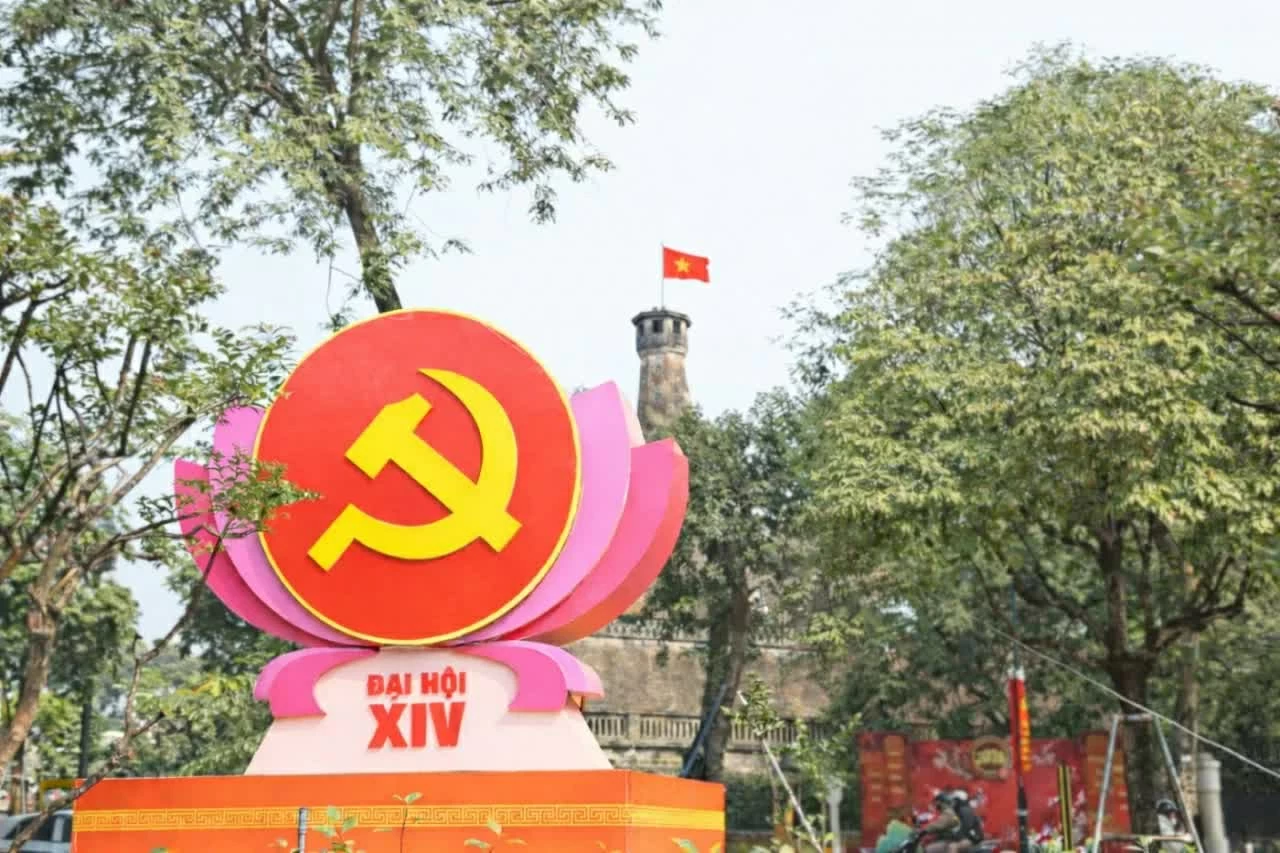 |
"Soft Language" to assert Vietnam's position
In the context of a world valuing soft power, how do you assess the role of culture as a pillar helping Vietnam enhance its courage, position, and national confidence?
I believe that in the 21st century, a nation's strength is no longer measured solely by economic scale or military power but increasingly by its ability to spread values, create goodwill, inspire, and define its identity in a fiercely competitive world. That is soft power. In this regard, culture is not only the "soul" of the nation but is becoming a strategic pillar helping Vietnam enhance its courage, position, and national confidence.
National courage is first formed from the enduring values a nation chooses to preserve and pass on. A country may integrate quickly and modernize strongly, but without a solid "cultural compass", it is easy to be swept into hybridity, lose its value system, and fall into a mindset of inferiority or dependence in the global space. Culture helps Vietnam stand firm on its own: Integrating without blending, opening up without losing oneself, embracing the new without abandoning roots.
On a national scale, culture is also the "soft language" to assert Vietnam's position with the world. Soft power does not impose or coerce but persuades through value. When a nation is respected globally not just for rapid growth but for its depth of civilization; not just for its large market but for its appealing identity; not just for its resources but for its decent people, then soft power has taken effect. For Vietnam, values such as a spirit of peace, compassion, resilience, adaptability, and cultural community vitality are the very special foundations for building a sustainable "national image".
More importantly, culture creates national confidence. A confident nation knows who it is, what it has to contribute to the world, what it is proud of, and what it must preserve. This confidence does not come from slogans but from intrinsic strength: From tradition, identity, and the depth of the nation's soul. When culture is rightly awakened, we will have diplomacy not only based on interests but also on values; an economy not only based on exporting goods but also exporting stories; integration not only as part of the supply chain but as part of the global cultural value chain.
I also want to emphasize that the soft power of culture lies not only in heritage but also in the ability to create and innovate. Successful nations know how to turn culture into a resource for the creative economy: from films, music, design, cuisine, fashion, digital games to cultural tourism.
Vietnam can certainly do this, as we have a rich cultural heritage and a young generation full of aspirations and creative capacity. If supported by institutions, policies, infrastructure, and a creative environment, culture will become a gentle yet incredibly strong path for Vietnam to elevate its position in the future.
In other words, in the era of soft power, culture is where courage – position – confidence converge, serving as the "soft key" for Vietnam to step into the world with its unique face, voice, and contributions to human civilization.
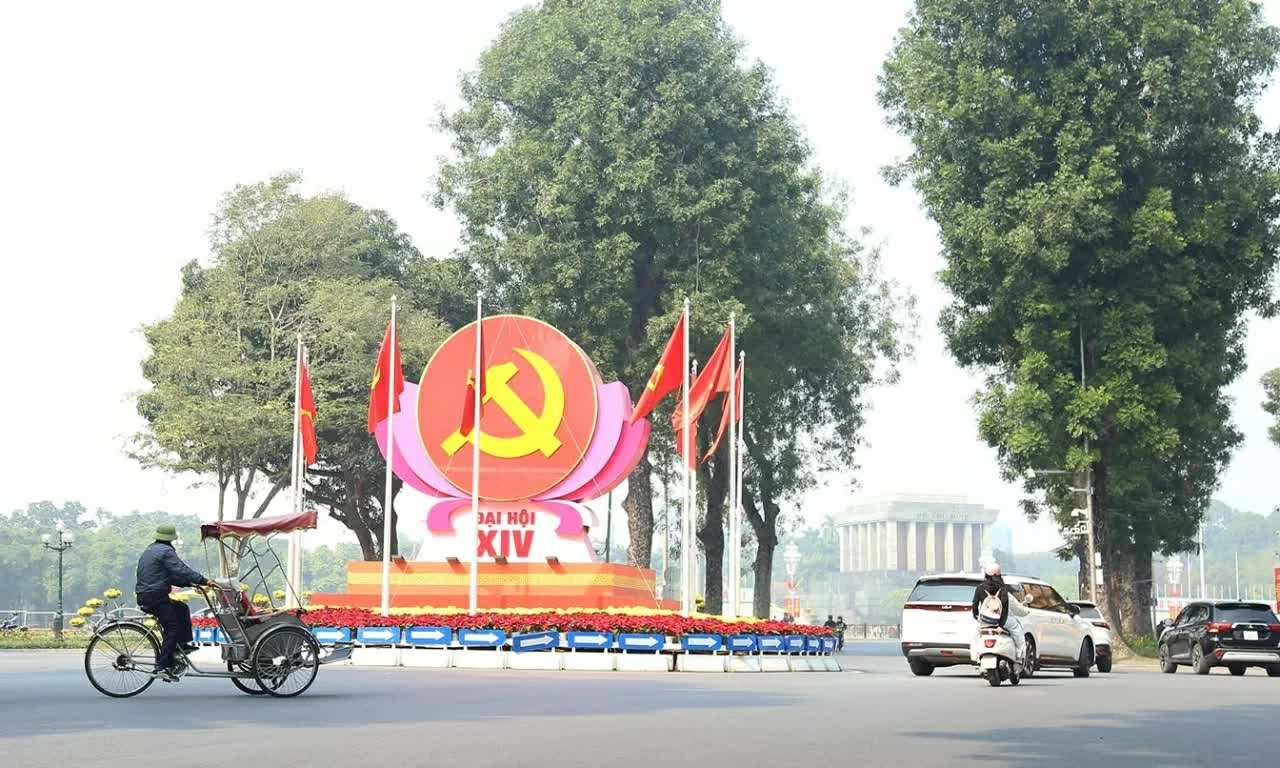 |
| At iconic locations like Ba Dinh Square, the system of national flags, Party flags, banners, posters, and welcome slogans are neatly and prominently displayed. (Photo: Thanh Long) |
Telling the story with core values
The resolution on international integration lays the foundation for Vietnamese culture to confidently step into the world. According to you, what core values should Vietnam use to tell its story to international friends?
I believe that today's international integration is not only about economic, trade, or technological integration but increasingly about integrating values, identity, and the appeal of a nation in the global space. Therefore, for Vietnam to confidently step into the world, it cannot just "introduce" itself with growth figures or development indicators but must tell its story – a story that is genuine, profound, inspiring, and distinct enough for the world to remember.
In my opinion, Vietnam's story should be told through very clear core values. First, the value of peace and the aspiration for development. Vietnam emerged from devastating wars, but what we bring to the world is not painful memories but a spirit of peace, a will to rise, and the ability to rebuild and develop with extraordinary resilience. A Vietnam that loves peace, respects international law, and is proactive and responsible is a significant message, naturally persuasive in a world full of instability and division.
Second, the value of identity and cultural vitality. Vietnam is a culture of unity in diversity, where traditional values are not only preserved in museums but are vibrantly present in community life: from villages, festivals, folk songs, cuisine to customs and beliefs. What makes Vietnamese culture attractive is its simplicity yet sophistication, modesty yet depth, gentleness yet resilience. Today’s world is searching for "authentic identities", and Vietnam has all the materials to create that appeal.
Third, the value of humanity and compassion. If I had to choose a red thread running through Vietnamese culture, I would say it is human kindness: "Love others as you love yourself", is the spirit of community, solidarity, and compassion. In a world facing the risk of fragmentation due to technology, extreme individualism, and the lack of social trust, these human values are not only meaningful to Vietnam but also as a civilizational contribution to the world.
Fourth, the value of creativity and adaptability. Vietnam's story should not only be a story of the past or tradition but must be a story of the present and future: A young, dynamic nation eager to learn and capable of quickly adapting to digital technology and innovation.
When culture is fueled by a spirit of creativity, Vietnam can bring to the world modern products that still bear unique imprints: Films, music, design, digital games, performing arts, experiential tourism... In other words, telling Vietnam's story not only with "words" but with cultural products capable of touching the hearts of the global audience.
Fifth, I believe Vietnam should tell its story through the value of sincerity and trust. Cultural diplomacy is not about decorating images, nor is it about slogans, but about the unity between words and actions. When Vietnam shows itself as a friendly, sincere country that respects differences, is ready to cooperate, and is internationally responsible, this is the deepest foundation for building national credibility.
Thus, I think Vietnam's story should be told to the world with core keywords: Peace – identity – humanity – creativity – trust. These are not only cultural values but also the foundation for Vietnam to step into the world confidently, dignifiedly, and with lasting appeal.