



MOFA's Digital Architecture Framework: Comprehensive, systematic, and long-term approach in the Sector's digital transform
WVR - Major General Nguyen Huu Hung, Deputy Head of the Government Cipher Committee, assessed that the issuance of the Digital Architecture Framework by the Ministry of Foreign Affairs (MOFA) demonstrates a comprehensive, systematic, and long-term approach in the sector's digital transformation.
Latest
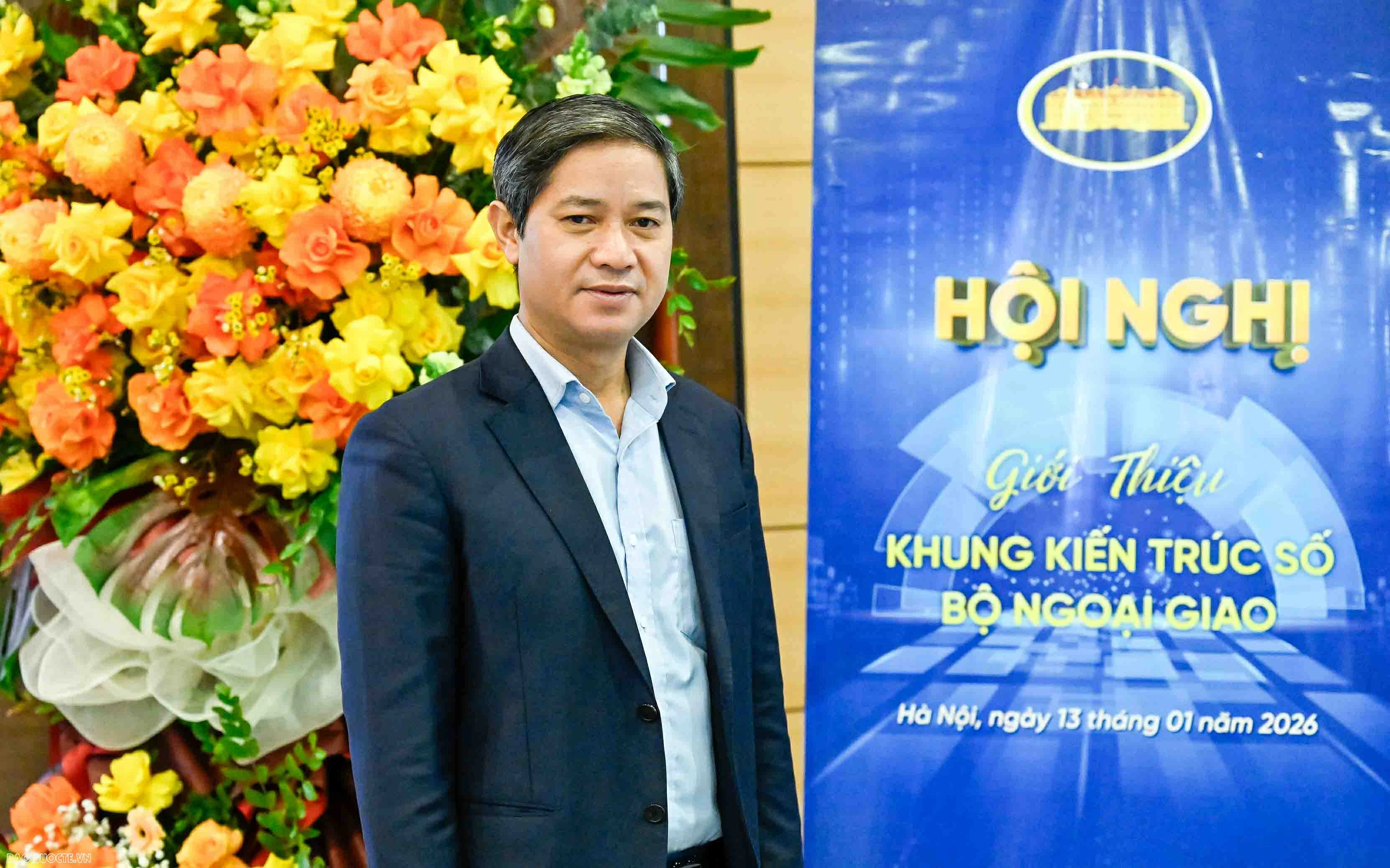 |
| Major General Nguyen Huu Hung, Deputy Head of the Government Cipher Committee, attends the conference introducing the digital architecture framework of the Ministry of Foreign Affairs. (Photo: Nguyen Hong) |
On January 13, the Ministry of Foreign Affairs held a conference to introduce its digital architecture framework. Party Central Committee Secretary and Foreign Minister Le Hoai Trung attended and delivered a directive speech at the conference.
On the occasion of the conference, Major General Nguyen Huu Hung, Deputy Head of the Government Cipher Committee, gave an interview to The World & Vietnam Report regarding several aspects related to the issuance of the Digital Architecture Framework by the Ministry of Foreign Affairs.
How do you assess the purpose and significance of the Ministry of Foreign Affairs issuing the Digital Architecture Framework?
The issuance of the Digital Architecture Framework by the Ministry of Foreign Affairs is of great significance, showcasing a comprehensive, systematic, and long-term approach in the sector's digital transformation.
The digital architecture framework is not merely a technical document but a "Master Blueprint" aimed at unifying the mindset, investment methods, construction, connection, and operation of information systems throughout the Ministry, from the central level to Vietnamese representative offices abroad.
Notably, the Ministry of Foreign Affairs organizing the conference to introduce the Digital Architecture Framework is a timely and necessary action, significantly contributing to unifying awareness and creating high consensus across the sector regarding the goals, directions, and roadmap for digital transformation.
At the conference, the Minister provided very clear strategic directives, emphasizing the need to link digital transformation with administrative reform and modern management while ensuring robust information safety and security in all Ministry activities.
The digital architecture framework also facilitates a shift from the mindset of "isolated IT applications" to data-driven digital management, ensuring connectivity-sharing-common use, avoiding duplication and waste; while tightly linking digital transformation with the requirements of ensuring information safety, cybersecurity, and national digital sovereignty – highly specific demands for the diplomatic sector.
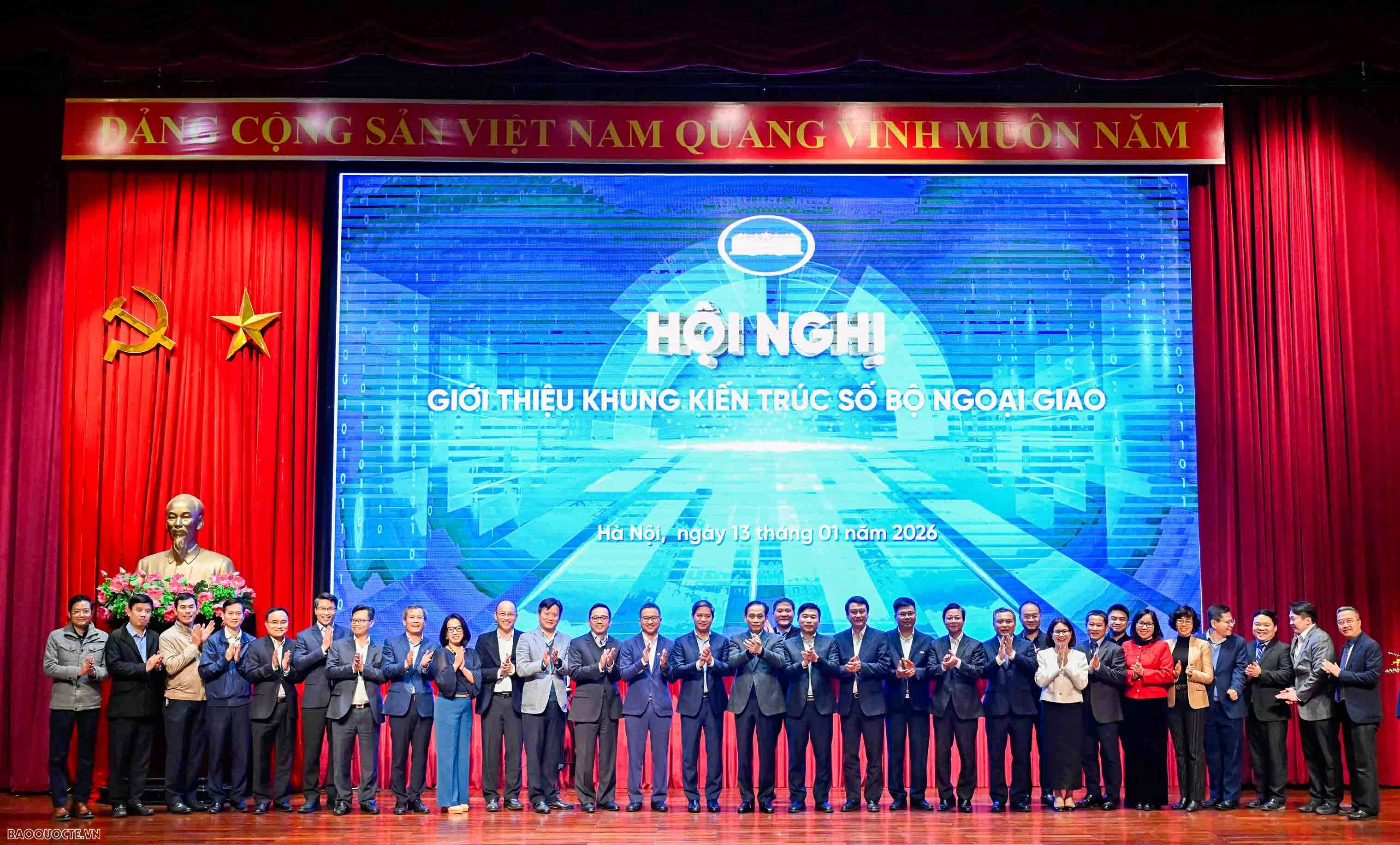 |
| Party Central Committee Secretary and Foreign Minister Le Hoai Trung takes a commemorative photo with guests and representatives of various units within the Ministry. (Photo: Nguyen Hong) |
The Digital Architecture Framework of the Ministry of Foreign Affairs is designed with multiple layers. In your opinion, which layer is the most important and pervasive?
The Digital Architecture Framework of the Ministry of Foreign Affairs is designed with multiple layers, each having its own role and complementing each other. I believe the foundational layer of shared digital infrastructure and cybersecurity is crucial and pervasive.
Without secure digital infrastructure, reliable data cannot exist; without robust cybersecurity, effective deployment of data platforms, business applications, or artificial intelligence is impossible.
Information safety and cybersecurity must be integrated from the architectural stage, following the "Security by Design" principle, linked with a multi-layered information safety assurance model, including monitoring, incident response, backup – recovery, and full data restoration.
On this foundation, the data and core platform layer plays a central role for data-driven management; the application – business layer determines work efficiency; while the interaction and measurement channel layer enhances service quality, monitoring, and management.
How do you assess the requirement for ensuring information safety in the Digital Architecture Framework of the Ministry of Foreign Affairs?
I highly appreciate that the Digital Architecture Framework of the Ministry of Foreign Affairs identifies information safety and cybersecurity as vital, prerequisite, and pervasive requirements.
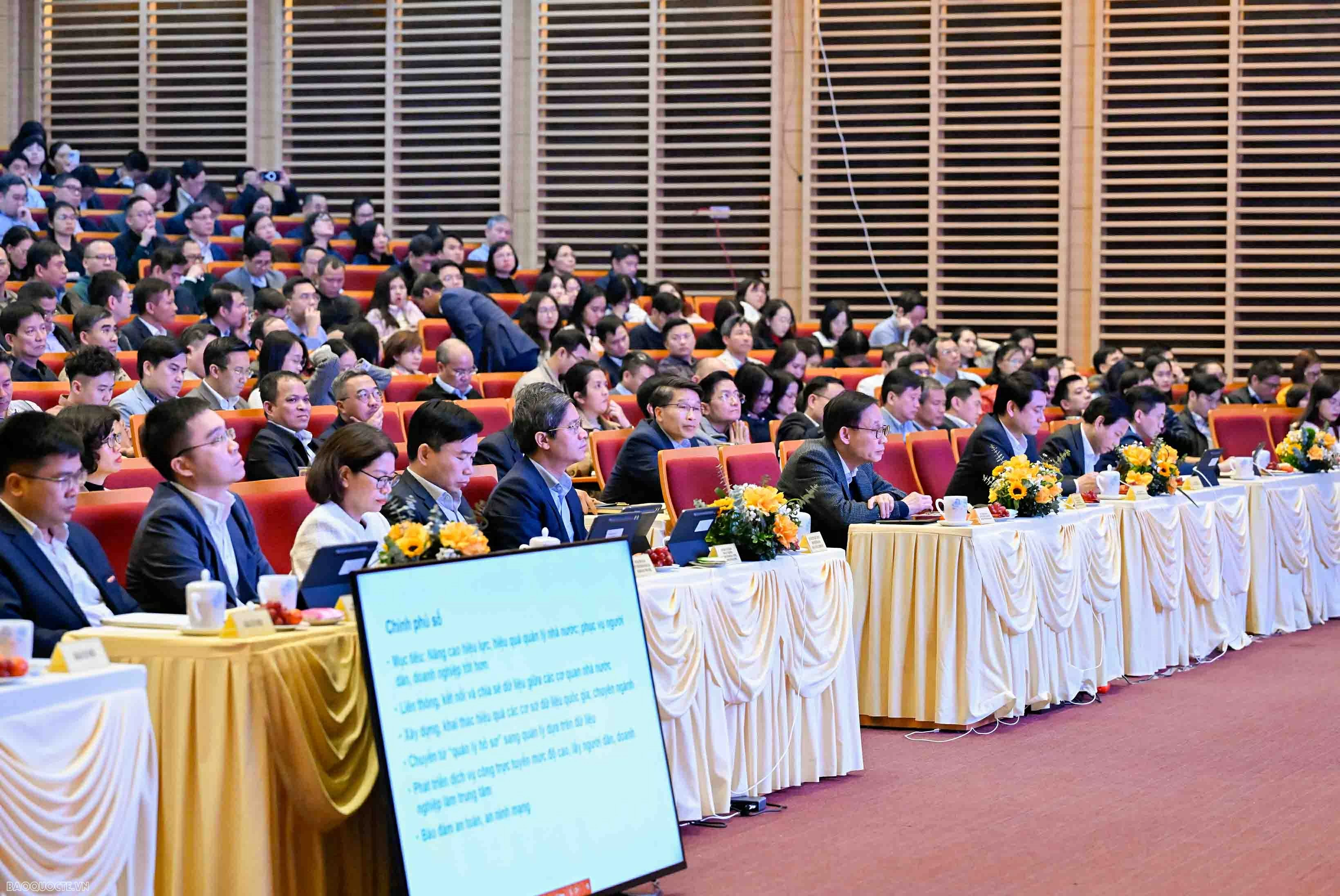 |
| Delegates attending the conference introducing the digital architecture framework of the Ministry of Foreign Affairs. (Photo: Nguyen Hong) |
The diplomatic sector handles a lot of information directly related to national interests and sovereignty. Therefore, all activities involving data connection, sharing, exploitation, management, command, artificial intelligence deployment, or online public services must be conducted within a strict security framework, fully complying with legal regulations and technical standards.
The digital architecture framework has taken the right approach by requiring information safety assurance by level, establishing monitoring centers, incident response, and clarifying the responsibilities of each agency and unit in data protection.
I hope that when the Digital Architecture Framework is implemented seriously and synchronously, the Ministry of Foreign Affairs will gradually form a modern, safe, and seamless digital environment, where:
Leaders at all levels have timely, reliable data for command and management; officials and civil servants receive better support in task handling and advising; citizens and businesses are served conveniently and transparently; information safety and cybersecurity are ensured at a high level.
From the Government Cipher Committee's perspective, we will continue to closely coordinate and accompany the Ministry of Foreign Affairs in implementing the Digital Architecture Framework, especially in areas related to security, information safety assurance, and state secret protection in the digital environment.
This is an important foundation for the diplomatic sector to advance towards modern digital diplomacy by 2030, in line with the major directives of the Party and the State.