



Ho Chi Minh’s diplomatic culture in the new era: Interview with National Assembly Deputy Bui Hoai Son
WVR - Ho Chi Minh's diplomatic culture is not only a valuable ideological legacy but also a foundation shaping the modern diplomatic identity of Vietnam, emphasised National Assembly Deputy Bui Hoai Son.
Latest
On the occasion of the 136th birthday of President Ho Chi Minh (May 19, 1890 - May 19, 2026), the newspaper The World and Vietnam Report conducted an interview with National Assembly Deputy Bui Hoai Son, a full-time member of the National Assembly's Committee for Culture and Social Affairs, discussing the unique values in Ho Chi Minh's diplomatic culture and the significance of promoting his foreign policy thoughts in the context of deep international integration today.
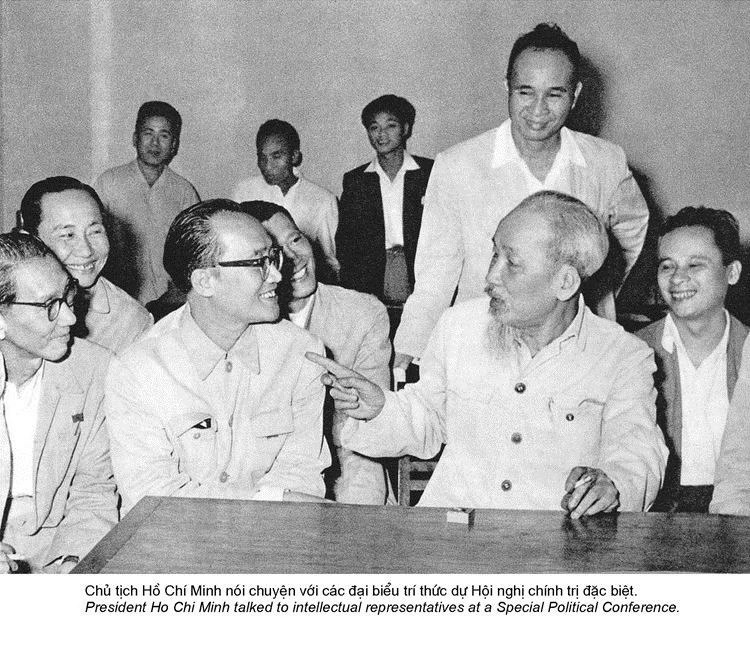 |
| President Ho Chi Minh speaking with intellectual delegates at a special political conference, March 27, 1964. (Source: Ho Chi Minh Museum) |
Deputy, what is the most distinctive feature of Ho Chi Minh's diplomatic culture? How are these values being inherited and applied in Vietnam's current foreign activities?
The most distinctive feature of Ho Chi Minh's diplomatic culture is the seamless combination of national courage, contemporary intellect, and profound humanity. For him, diplomacy was not merely the art of negotiation between nations but, first and foremost, the culture of interaction between people, between nations, based on respect, peace, justice, and the aspiration for independence and freedom.
President Ho Chi Minh was the founder of modern Vietnamese diplomacy, directly leading diplomatic efforts during the country's most challenging times, contributing to the independence, unification, and elevation of Vietnam's international standing. Ho Chi Minh's diplomatic style harmoniously blends traditional and modern cultural values, Eastern and Western philosophies.
Notably, President Ho Chi Minh was steadfast in his goals but flexible in his methods; he always prioritized national and ethnic interests without being extreme; he consistently defended Vietnam's righteousness, but through the language of peace, morality, and humanity.
This spirit is inherited today in the independent, self-reliant, multi-faceted, and diversified foreign policy; in the principle that Vietnam is a friend, a reliable partner, and a responsible member of the international community; clearly reflected in the "Vietnamese bamboo diplomacy": Firm roots, solid trunk, flexible branches. This identity represents a Vietnam that is courageous, sincere, loyal, trustworthy, and responsible in a world full of uncertainties.
In today's deep integration, Ho Chi Minh's diplomatic culture holds even greater value. Integration is not just about opening markets, participating in agreements, or establishing partnerships, but also about Vietnam engaging with the world through its identity, dignity, and intellect.
What mechanisms, policies, or specific programs are needed so that today's foreign affairs personnel are not only professionally skilled but also deeply imbued with Ho Chi Minh's cultural depth and diplomatic courage?
I believe that foreign affairs personnel today must possess a very high level of comprehensive ability: Professional expertise, political certainty, cultural sensitivity, language proficiency, understanding of international rules, and the mindset, character, and courage of Vietnam. To achieve this, training for foreign affairs personnel cannot stop at professional skills but must become a program of cultural character and national courage development.
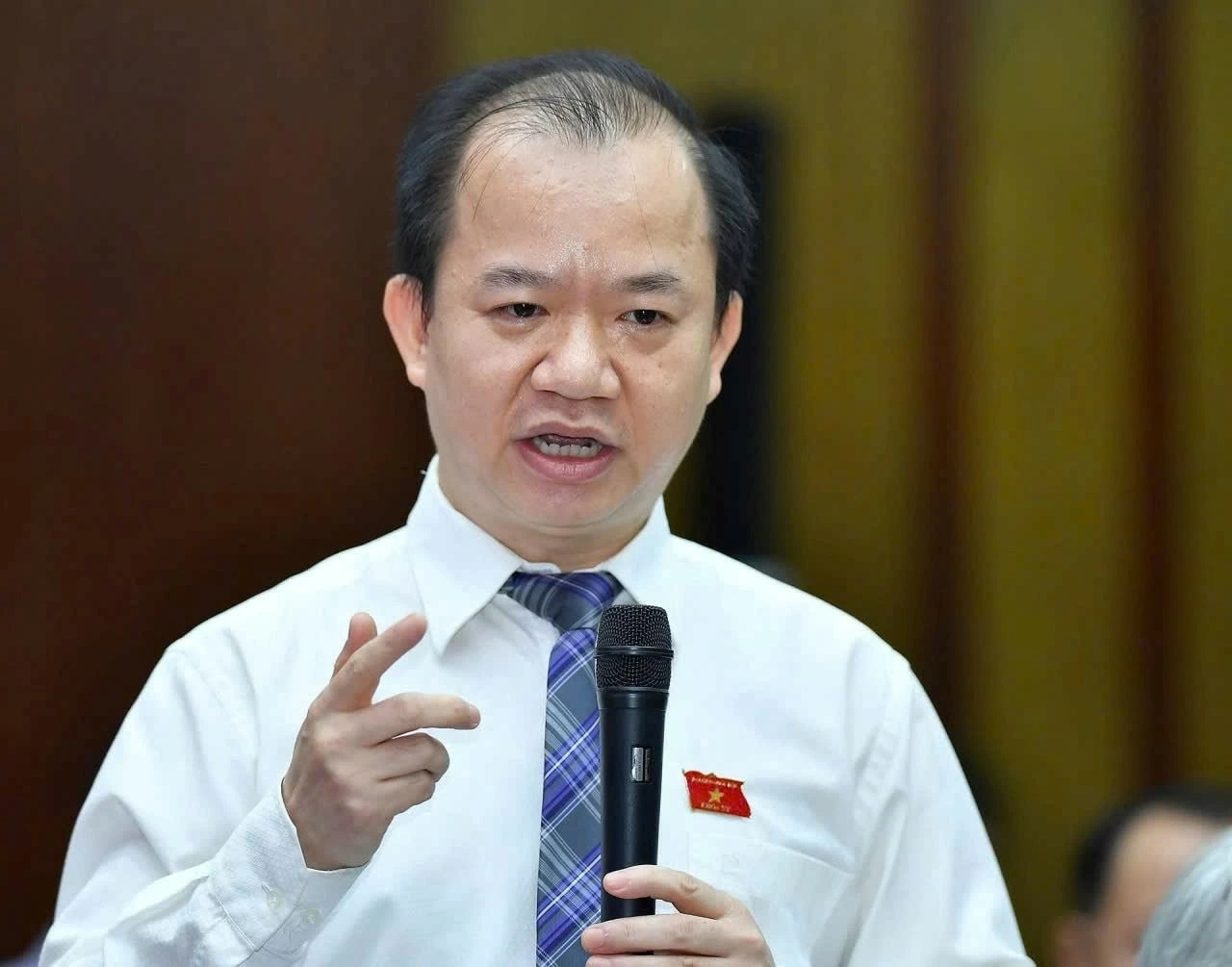 |
| National Assembly Deputy Bui Hoai Son. (Photo: Courtesy by author) |
First, it is necessary to make Ho Chi Minh's thoughts, ethics, and diplomatic style a mandatory subject, but it must be taught in a lively manner, connected with situations, diplomatic dossiers, historical lessons, and current negotiation practices.
Second, interdisciplinary training for foreign affairs personnel should be enhanced. A diplomat today must not only understand international politics but also culture, history, creative economy, digital communication, heritage, religion, the overseas Vietnamese community, technology, and social psychology.
Third, practical programs at heritage sites, border areas, overseas communities, creative enterprises, and international organizations are needed so that foreign affairs personnel can better understand the country through the breath of life. A diplomat can only tell Vietnam's story well, deeply, and convincingly when they are truly moved by the beauty, vitality, and aspirations of their nation.
In the context of rapidly changing society and increasing cultural exchanges, how do you assess the role of Ho Chi Minh's ideological and cultural legacy in strengthening national unity, especially among the younger generation?
President Ho Chi Minh did not view unity as a slogan but as a method of existence and development for the Vietnamese nation. Unity to gain independence, unity to build the country, unity to overcome difficulties, and today, unity to enter a new era of development.
In the context of a rapidly changing society, where social networks, globalization, migration, market economy, and cultural exchanges create many different value systems, Ho Chi Minh's legacy provides us with a spiritual anchor. It is an anchor of patriotism without extremism; of nationalism without insularity; of integration without assimilation; of innovation without losing roots.
For the younger generation, it is important to make Ho Chi Minh's legacy close, lively, and inspiring. Young people today should not only hear about Uncle Ho as a historical figure but should feel him as an example of lifelong learning aspiration, the will to overcome circumstances, the ability to dialogue with the world, and a simple, pure, benevolent, and service-oriented lifestyle.
I think if we can tell the story of President Ho Chi Minh using the language of the digital age, through cinema, music, interactive museums, creative media, experiential education, and cultural products for the youth, then that legacy will not only be "learned" but also "lived" in the hearts of today's generations.
In your opinion, how can the values in President Ho Chi Minh's foreign policy thoughts be promoted to enhance Vietnam's position, prestige, and "soft power" on the international stage today?
I believe that Ho Chi Minh's foreign policy thoughts are a special resource for enhancing Vietnam's position, prestige, and soft power, because these thoughts contain values that the world greatly needs today: peace, dialogue, humanity, justice, independence, self-reliance, cooperation, and development.
First, we need to promote Ho Chi Minh's values as a cultural diplomatic symbol of Vietnam. President Ho Chi Minh is not only the leader of the Vietnamese nation but also a cultural figure, a person who connected Vietnam with the progressive values of humanity. When we tell the story of Uncle Ho to international friends, we are also telling the story of a peace-loving Vietnam, willing to sacrifice for independence and freedom, but also always open, benevolent, and responsible to the international community.
Second, we need to incorporate Ho Chi Minh's spirit into how Vietnam engages in global issues. In multilateral forums, in development cooperation, climate change response, peacekeeping, heritage preservation, education, culture, science, and technology promotion, Vietnam needs to clearly demonstrate the image of a nation not only developing for itself but also contributing to peace, stability, and common progress. This is the deepest layer of soft power: the power of trust, goodwill, and respect.
Third, Ho Chi Minh's foreign policy thoughts should be linked with the national storytelling strategy. Vietnam has a wealth of material to share with the world: the history of the struggle for independence, village culture, UNESCO heritage, cuisine, ao dai, Vietnamese language, traditional arts, the spirit of innovation, development aspirations, hospitable and compassionate people. Notably, Vietnam has 72 UNESCO titles across all provinces and cities, which is an important resource for sustainable development, preservation, and promotion of Vietnam's cultural and heritage values.
Finally, I believe that promoting Ho Chi Minh's foreign policy thoughts today means making the world understand Vietnam more deeply, trust Vietnam more, and love Vietnam more. A nation can become strong through economy, technology, and defense, but to be sustainably respected, that nation needs culture, character, and moral prestige. President Ho Chi Minh has left us that foundation. The responsibility of today's generation is to turn that foundation into developmental strength, integration courage, and Vietnam's position in the new era.