


Culture needs a strong 'push' to take off
WVR - Culture requires a robust institutional foundation to develop sustainably in the modern context...
Latest
Amidst the relentless movements of modern life, culture is often mentioned as a sustainable foundation, a deep source nurturing society. However, for these values to truly spread and become a driving force for development, it is time for culture to have a strong institutional anchor.
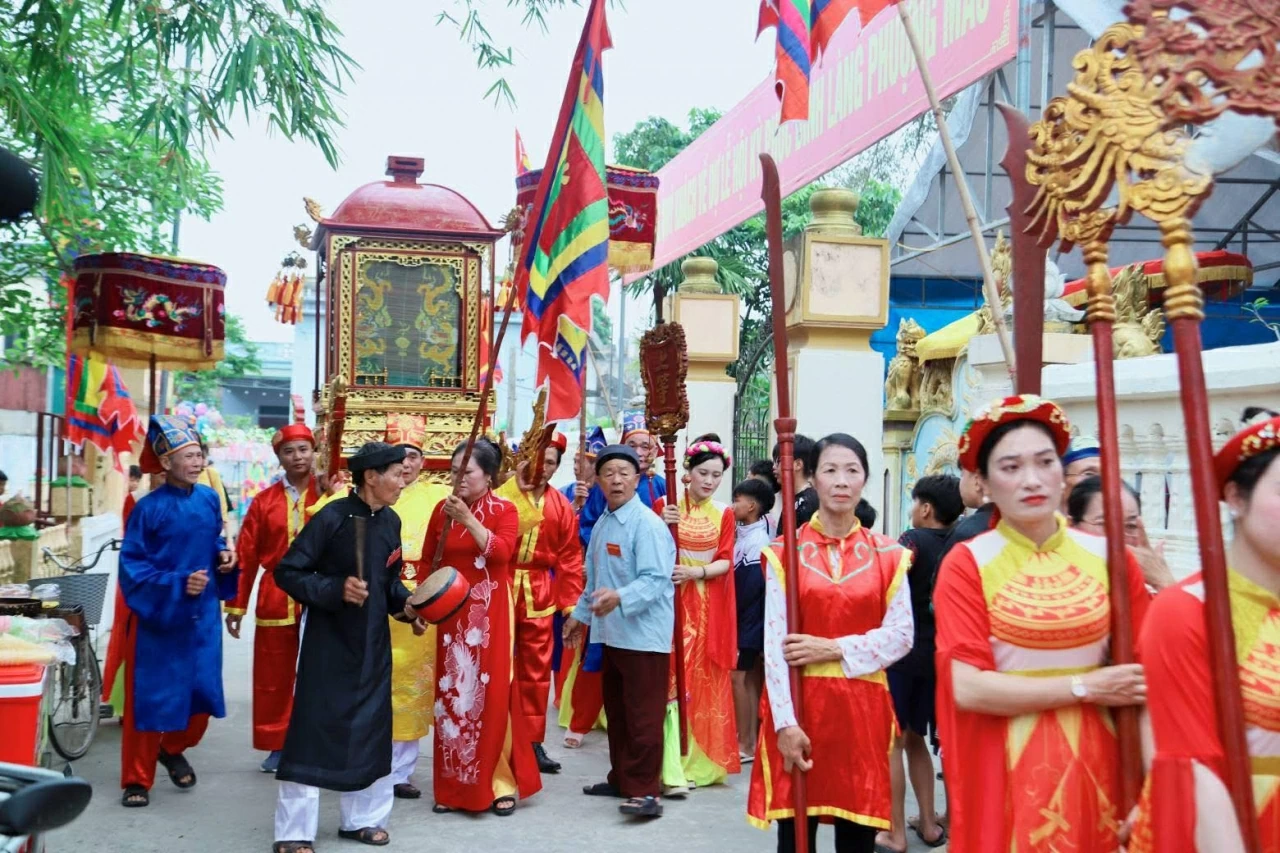 |
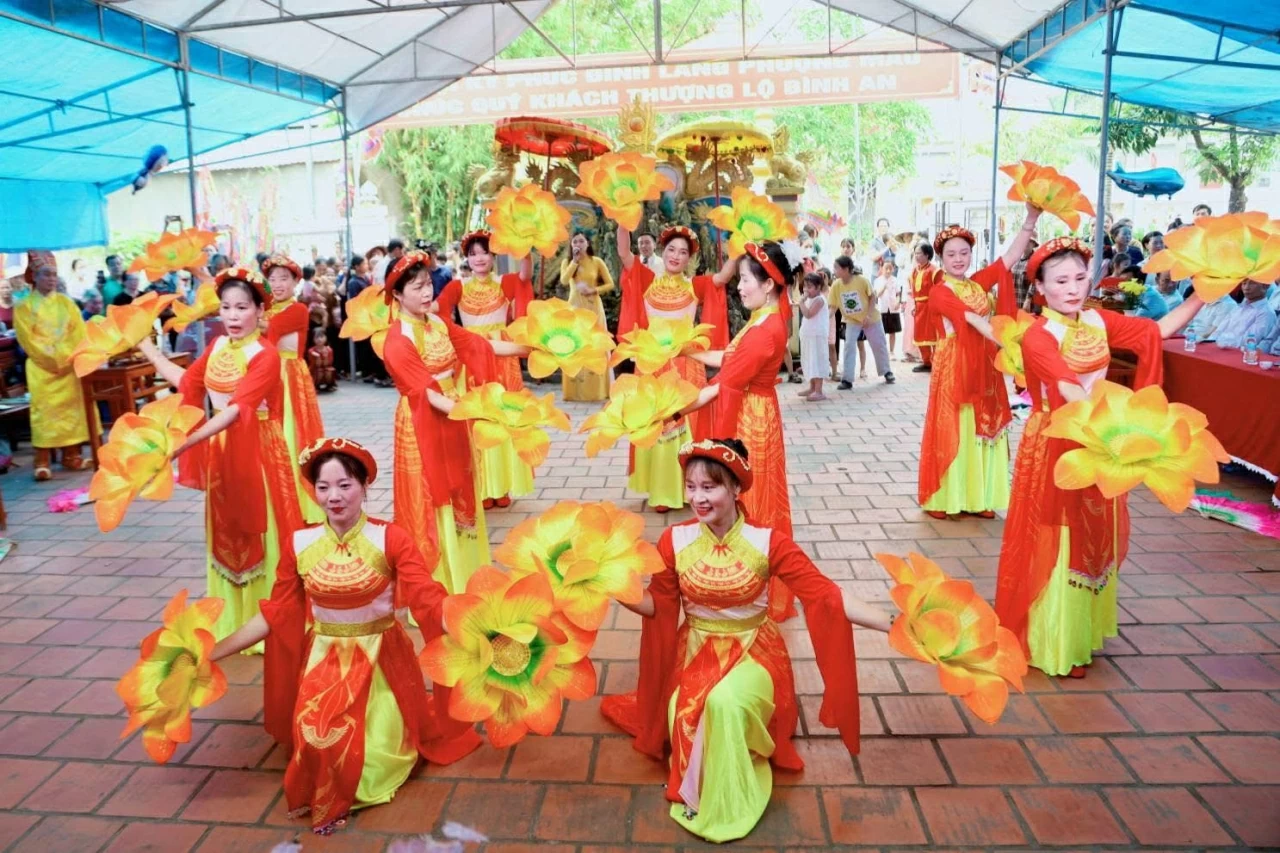
| Ky Phuc Festival at Phuong Mao Village Temple (Hoang Giang Commune, Thanh Hoa Province). |
Cultural development is not just about awareness
There are times when a major policy must go beyond mere orientation and be "anchored" into life with specific, clear, and operational mechanisms. In today's cultural sector, we are at such a juncture.
Resolution No. 80-NQ/TW of the Politburo on the development of Vietnamese culture has opened up a broader perspective: Culture is not only the spiritual foundation of society, not just the essence of the nation, but must also become an intrinsic resource, a driving force, and a regulatory system for the country's development in the new era. This marks a significant shift in development thinking.
However, bridging the gap between a correct vision and effective practical implementation cannot be achieved merely through belief or determination; it requires strong, clear, and feasible institutional designs.
| “No matter how perfect the mechanism is, if people are not placed at the center, all policies will struggle to be implemented. Culture is created by people, preserved by people, and enriched by the continuous creativity of people.” |
Looking back over the years, culture has always been emphasized for its role, but when it comes to specific mechanisms, this field often encounters numerous barriers. Lack of land, limited resources, difficulty in attracting private investment, along with policy and financial mechanism inadequacies, are preventing culture from reaching its full potential.
From another perspective, the lives of those working in the cultural sector, from artists and artisans to lecturers, trainers, and managers, still face many concerns. They contribute to preserving and creating spiritual values for society, yet the conditions to work with peace of mind are sometimes not truly commensurate.
These issues indicate that the story of cultural development is not just about awareness but also about the organization of implementation. And when bottlenecks have existed for a long time, finding a strong enough "push" to resolve them becomes a natural necessity of reality.
 |
Proper investment needed
Perhaps, the foremost important thing is to establish a consistent mindset: Investing in culture is investing in sustainable development, for the future of the country. Once this is recognized, it will no longer be appropriate for culture to remain in a state of "being frequently mentioned but underfunded" or "highly valued in spirit but not supported by resources".
| When major orientations are concretized consistently from mindset to institution, from resources to people, a new horizon for cultural development can fully open up. |
Culture needs space to exist and develop – space in both symbolic and very concrete terms: Land, planning, infrastructure.
A theater, a museum, a creative center, or a community activity facility all need to be placed correctly within the development planning.
When space is opened up, new opportunities can form. In the current context, unlocking social resources, attracting businesses, investors, and creative entities to participate in the cultural ecosystem is very necessary. But to achieve that, it cannot stop at calls for action; it requires mechanisms that are attractive enough, clear enough to create trust and motivation.
No matter how perfect the mechanism is, if people are not placed at the center, all policies will struggle to be implemented. Culture is created by people, preserved by people, and enriched by the continuous creativity of people.
Therefore, developing cultural human resources is not just a matter of training but also creating a working environment with adequate conditions and motivation. Priority policies for high-quality human resources, flexible mechanisms to attract talent, along with appropriate remuneration regimes, not only have practical significance but also reflect a humane perspective towards those who are quietly enriching the spiritual life of society.
When major orientations are concretized consistently from mindset to institution, from resources to people, a new horizon for cultural development can fully open up. There, culture no longer stands "beside" but is truly placed on par with the economy, politics, and society, becoming an important pillar of development.
This is also what the current development phase demands, for culture to be respected in awareness and supported by action in a persistent and deserving manner.