

Culture – The pillar of comprehensive diplomacy at a new height
WVR - Culture plays a pivotal role in Vietnam's comprehensive diplomatic strategy, enhancing the nation's stature on the international stage.
Latest
As the country enters a new era of development following the success of the 14th Party Congress, diplomacy and international integration continue to be identified as "key and regular" tasks, playing a crucial role in expanding development space and enhancing national stature.
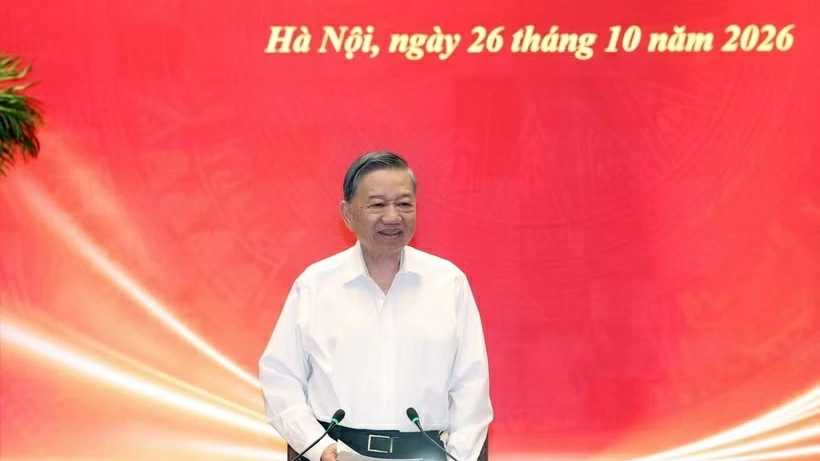
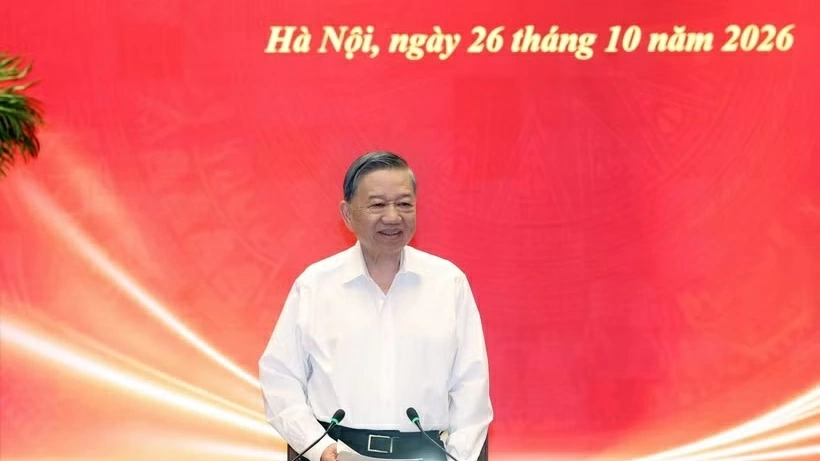
In this strategic mindset, General Secretary To Lam's article on "Advancing Comprehensive Diplomacy at a New Height" not only emphasizes the principles of "independence, self-reliance, resilience, peace, friendship, cooperation, and development" but also suggests a foundational issue: Leveraging cultural soft power to create an image of a confident, trustworthy, and responsible Vietnam.
The journey from the requirement of "internal warmth, external harmony" to the mission of "telling Vietnam's story" to the world is about elevating the role of culture in the comprehensive diplomacy of the new era.
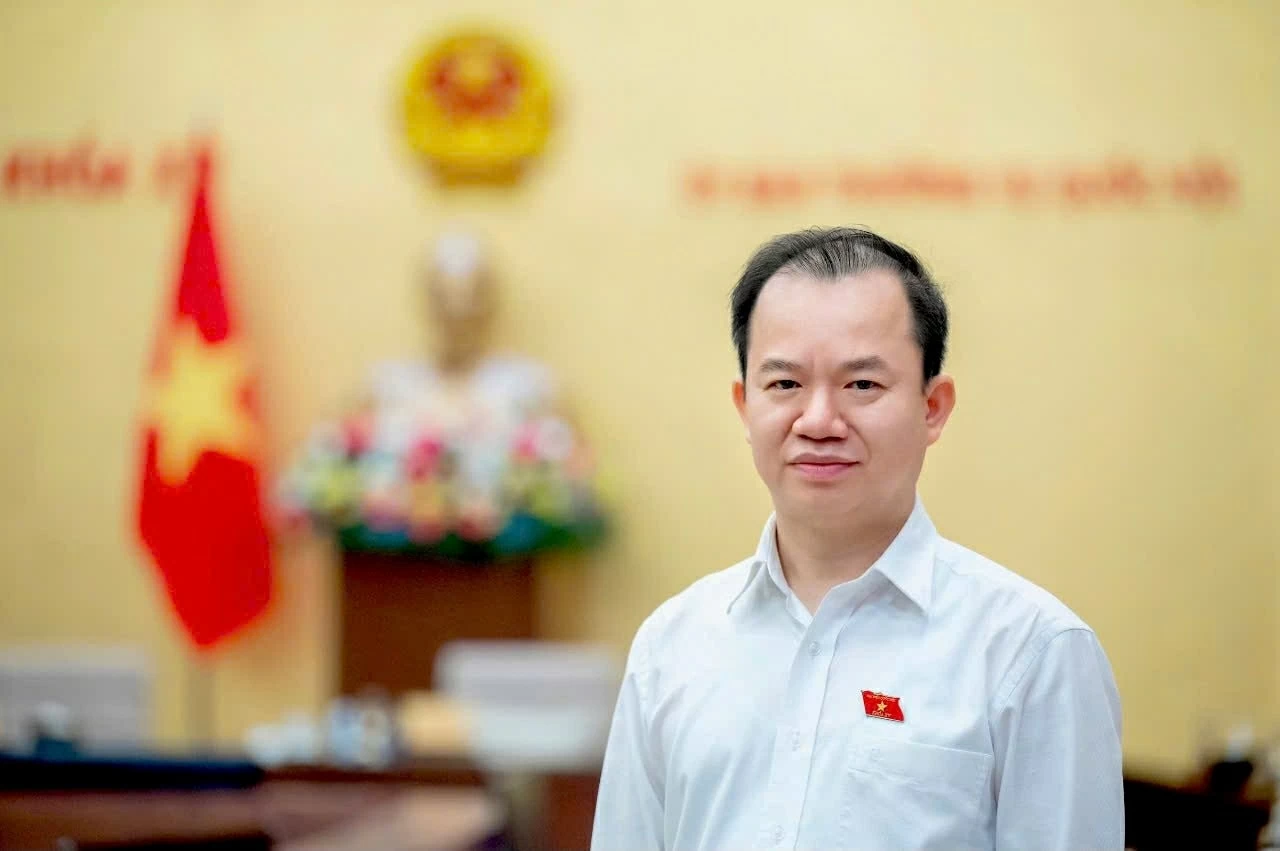 |
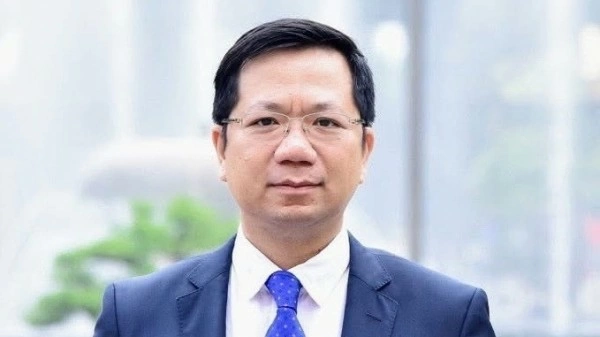
| National Assembly Delegate Bui Hoai Son. (Source: National Assembly) |
From "Internal warmth, external harmony" to the cultural foundation of resilient foreign policy
The 14th National Party Congress opens a new development phase with the aspiration to transform the country into a developed, high-income nation by the mid-21st century. In this vision, diplomacy and international integration are not merely isolated activities but are crucial drivers for maintaining a peaceful environment, leveraging external resources, and elevating national stature.
Diplomacy is framed within the overall policy of "independence, self-reliance, resilience, peace, friendship, cooperation, and development," where resilience holds special significance. Resilience is not only understood in terms of economic or defense capabilities but primarily as the nation's intrinsic strength, political will, social consensus, public trust, and a sustainable cultural foundation.
In his article, General Secretary To Lam emphasizes the need for diplomacy to ensure "strategic proactivity in all situations," maintaining "internal warmth, external harmony": stability and development internally; peace and cooperation externally.
"Internal warmth" refers to the country's stable and sustainable development. More profoundly, it is the solidity of cultural values – the spirit of unity, self-reliance, confidence in the chosen path, and the nation's aspiration to rise. A nation can only be confident in foreign relations when there is social consensus internally, when cultural identity becomes a spiritual anchor, and when people see the significance of integration for their future.
"External harmony" does not mean passivity or avoiding differences but is the result of a resilient, flexible, and rich diplomacy. It is how Vietnam steadfastly upholds national interests while promoting cooperation and addressing differences through peaceful means, based on international law.
At a deeper level, culture is the foundation of such resilience. The tradition of peace, dialogue mindset, and the approach of "reason and sentiment" have become hallmarks of Vietnamese diplomacy. When the General Secretary asserts that diplomacy must "ensure the highest national interests; place people at the center of all policies," it is not just a political orientation but also a declaration of values – a cultural declaration.
In the context of global competition not only in material strength but also in trust and prestige, the cultural foundation becomes a "soft shield" and a "soft resource" for the nation. Resilience in diplomacy, therefore, is first and foremost cultural resilience.
When culture becomes the national language
A significant highlight in the new era's diplomatic mindset is the requirement to "enhance and elevate multilateral diplomacy," "actively participate in building and shaping multilateral institutions," while "effectively implementing international commitments and agreements."
This indicates a shift from participation to proactivity, from adaptation to contribution, from integration to helping shape the rules. As Vietnam engages more deeply in regional and global mechanisms, the question is not only what Vietnam gains but also what Vietnam contributes to the international community.
In this context, culture becomes a "strategic language." In a multilateral environment where interests are complexly intertwined, trust, goodwill, and prestige hold special significance. Trusted nations often have clear, consistent value systems expressed through concrete actions.
General Secretary To Lam emphasizes: "The country's position and prestige lie not only in material strength but also in soft power. It is the glorious history, the rich cultural identity, the great achievements of the renovation process, and the peaceful, amicable foreign policy…".
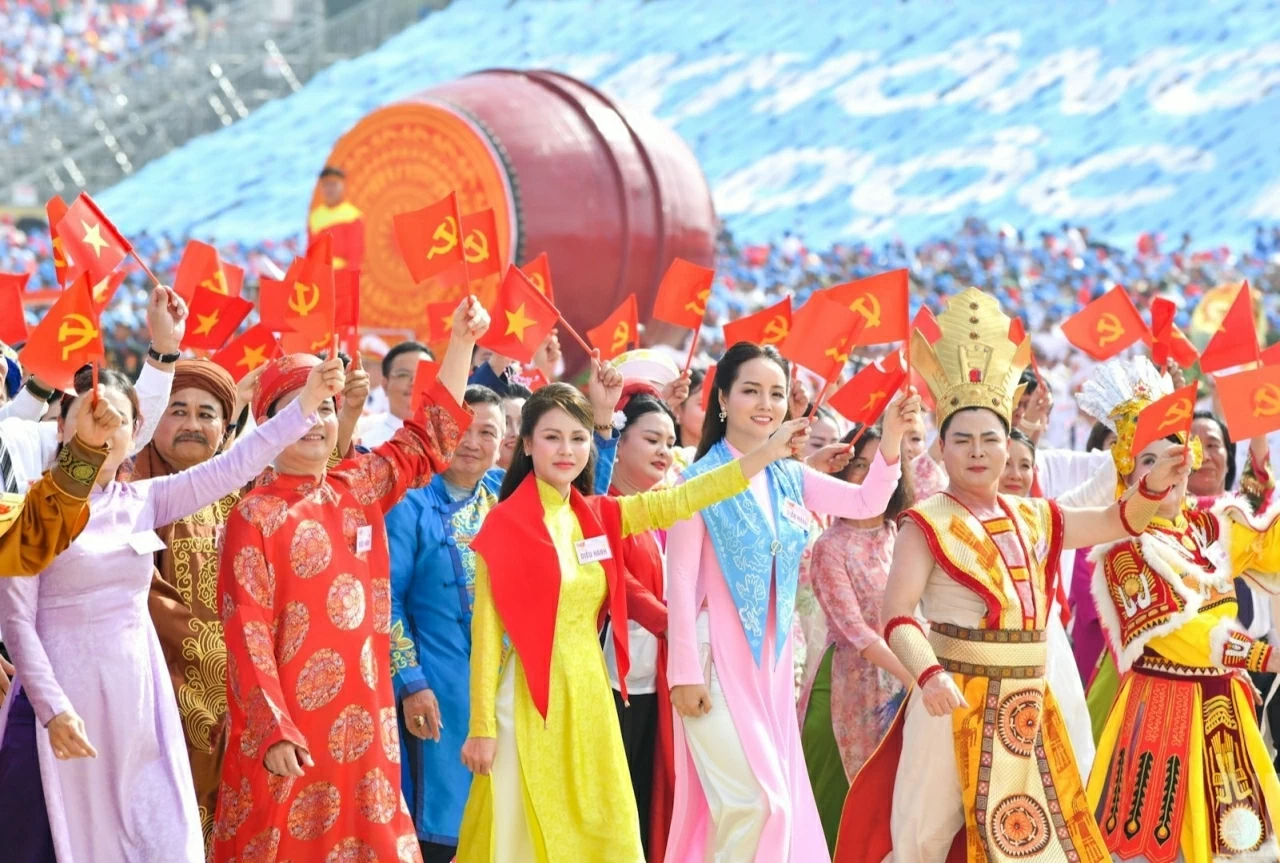 |
| Image of the culture-sports block at the 80th Anniversary of the August Revolution and National Day in Hanoi, on September 2, 2025. (Photo: Duy Linh) |
In the new era, this soft power needs to be transformed into the capacity to "tell Vietnam's story" proactively and professionally: The story of a peace-loving nation that resolutely defends its independence; a country that successfully renovates and develops dynamically; a nation committed to sustainable development, climate change response, ensuring food security, and contributing to peacekeeping.
When this story is consistently conveyed at multilateral forums, in international cooperation programs, and through cultural and media products, culture will become an "invisible force" helping Vietnam expand its influence and increase its stature.
In the context of increasingly intense strategic competition among major powers, maintaining the image of an independent, balanced, trustworthy, and responsible Vietnam is a strategic advantage. The foundation of that image is culture – consistent adherence to international law, a spirit of cooperation and development, and the philosophy of "harmonized interests, shared risks".
Building a comprehensive, modern, professional diplomacy: Culture must be a strategic pillar
The 14th National Party Congress identifies the task of building a "comprehensive, modern, professional diplomacy" to meet development requirements in the new phase. General Secretary To Lam also emphasizes: "The new era demands building diplomacy on par with the region and reaching international levels". In this structure, culture cannot merely play a supportive role but must become a strategic pillar.
Firstly, there needs to be a shift from the mindset of promotion to national positioning. Cultural diplomacy should not stop at introducing heritage, festivals, or cuisine but should create an image of a creative, dynamic, responsible, and trustworthy Vietnam.
Secondly, link cultural diplomacy with the development of the cultural industry. Film, music, design, digital content, online games… are effective "soft ambassadors" in the era of globalization. When Vietnamese cultural products are present on international platforms, Vietnam's story will naturally and sustainably spread.
Thirdly, promote the role of social entities in cultural diplomacy: The overseas Vietnamese community, businesses, artists, intellectuals, and youth. As the General Secretary's article suggests, comprehensive diplomacy is "the career of the entire Party and people," a combination of Party diplomacy, state diplomacy, people's diplomacy, and parliamentary diplomacy.
Fourthly, enhance the application of digital technology to build a multi-language national media ecosystem, helping Vietnam's image to be proactively and deeply present in the global space.
Finally, build a team engaged in cultural diplomacy with global thinking, international skills, and creativity. In the new era, culture not only needs to be preserved but also "internationalized" intelligently and effectively.
Concluding his article, General Secretary To Lam asserts: "Comprehensive diplomacy at a new height must take courage and intellect as the compass; trust and responsibility as the bridge of cooperation; peace and law as the anchor of values". In this value system, culture is the foundation that creates courage, the thread that nurtures trust, and the language that connects Vietnam with the world.
As the country enters an era of prosperity, civilization, and happiness, diplomacy is not only about expanding relations but also affirming position and contributing to the common values of humanity. To achieve this, culture needs to take the lead so that the world not only knows Vietnam as a developing economy but also perceives it as a nation with identity, responsibility, and great aspirations.
The journey from "internal warmth, external harmony" to "telling Vietnam's story" to the world is not just the task of the diplomatic sector but a common mission of the entire political system and society to ensure that the nation's soft power truly becomes the foundation for comprehensive, modern, professional, and resilient diplomacy in the new era.