






Highland artisans and the challenges of passing down cultural heritage
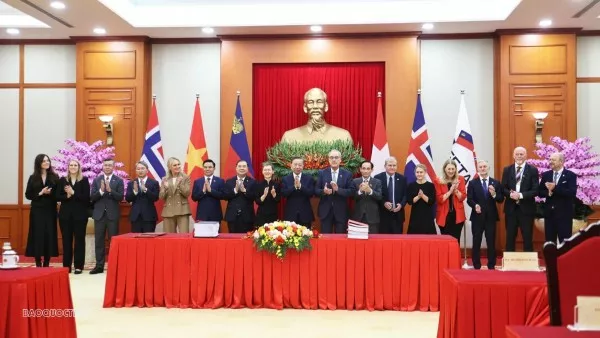
WVR - In Hanoi, attending the Vietnam Ethnic Culture Day activities on April 19, 2026, many delegates who are artisans shared with The World and Vietnam Report their concerns and experiences in heritage preservation, emphasizing the role of the community and the younger generation in preserving ethnic cultural identity.
Latest
Efforts to preserve Phu La folk songs
In Lao Cai, artisan Dang Thi Thanh, of the Phu La ethnic group, is one of those who have devoted their entire passion to preserving and restoring traditional cultural values.
For her, culture is not something distant but is present in every breath of life, in the sound of flutes, lullabies, and folk songs tied to the community's memory.
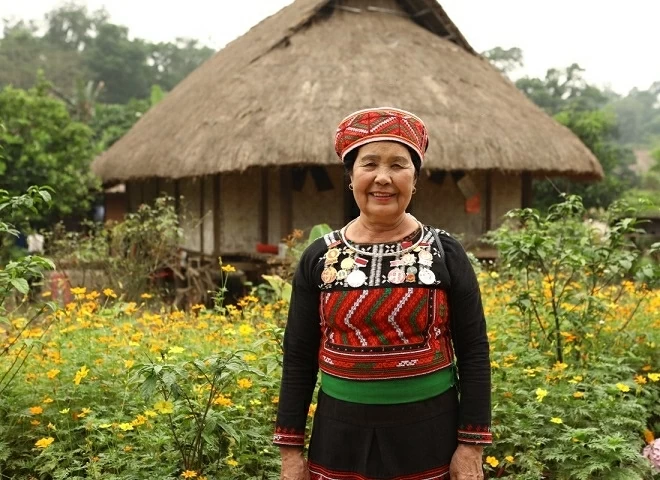 |
| Dang Thi Thanh shares her efforts in passing down her craft to the younger generation. (Photo: Bach Duong) |
Sharing about the values she holds, Thanh cannot hide her pride: “I still keep the six-hole flute, the ma nhi horn, and the lullabies of the Xa Pho ethnic group passed down from our ancestors to this day.”
For the Phu La people, musical instruments like the flute or horn are not just tools but also a means to connect with nature, deities, and everyday emotions such as love. It is a special cultural language, irreplaceable in spiritual life.
Aware of the risk of cultural erosion, Thanh proactively opened classes in her locality, attracting students from secondary school to young adults. She teaches nose flutes, ma nhi horns, and traditional singing, including lullabies, to the younger generation aged 15 to 30.
Additionally, she collaborates with local secondary schools and teachers to organize extracurricular classes, helping students understand and continue the cultural values left by their ancestors.
Despite many limitations, maintaining these classes largely depends on personal dedication. Nevertheless, she remains steadfast in her choice: “Difficulties are everywhere, but we must be determined to preserve and protect our ethnic traditions.”
In small village classes, the sound of the flute resonates, not just as an echo of the past but as an affirmation of cultural vitality in the present.
Weaving identity into economic value
While in Lao Cai, preservation is linked to folk music, in Dien Bien, traditional culture is preserved through each thread and stitch. Artisan Lo Thi Vien, of the Lao ethnic group, is one of those persistently restoring and developing brocade weaving—a long-standing heritage of the community.
Reflecting on the craft, Vien shares: “For us, weaving seems to have existed for so long that no one remembers its origin. All I know is that since I was born and raised, the image of elders diligently working at the loom has become an indispensable part of life, like a silent source nurturing the cultural identity of the community.”
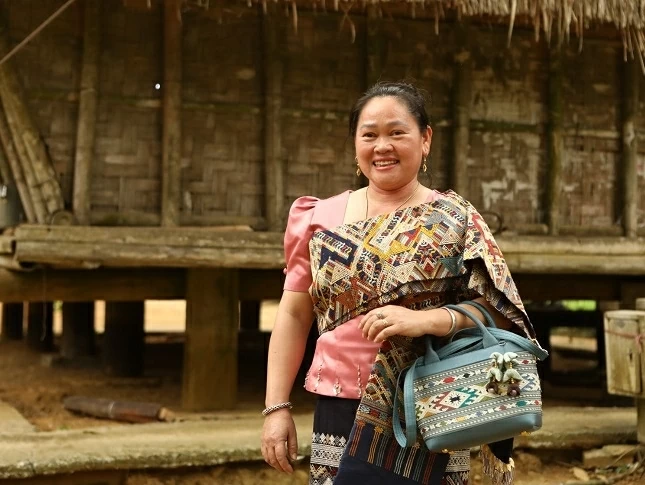 |
| Lo Thi Vien passionately talks about her ethnic group's traditional craft. (Photo: Bach Duong) |
Weaving is not just a livelihood but a “collective memory” preserved through generations. From manual processes like separating cotton seeds, spinning yarn to weaving patterns, each product contains its own cultural story.
Notably, Vien's approach goes beyond mere preservation. She actively teaches young children, helping them gradually approach and love the craft.
“I start teaching the younger generation with foundational processes like separating cotton seeds and spinning yarn. When they reach about 12 years old, I guide them in weaving traditional patterns and completing specific products like bags, shirts, and tablecloths. Through each process, I hope they not only acquire skills but also understand and continue the cultural identity of our Lao ethnic group,” she shares.
Alongside this, with support from relevant agencies, brocade products have been improved and introduced to the market, becoming goods for tourism and consumption. From traditional fabrics, products like bags, scarves, and clothing have provided a more stable income for the people.
Passing down the sound of the Tinh Tau
In Son La, elite artisan Dieu Chinh La, of the White Thai ethnic group, has chosen to engage with folk music through the tinh tau, an instrument associated with Then singing, an intangible cultural heritage recognized by UNESCO.
With over 40 years of dedication, he has crafted more than 2,000 instruments and opened many classes for the younger generation. For him, the tinh is not just an instrument but an essential part of spiritual life: from housewarming ceremonies to festivals, its sound is always present as a community connector.
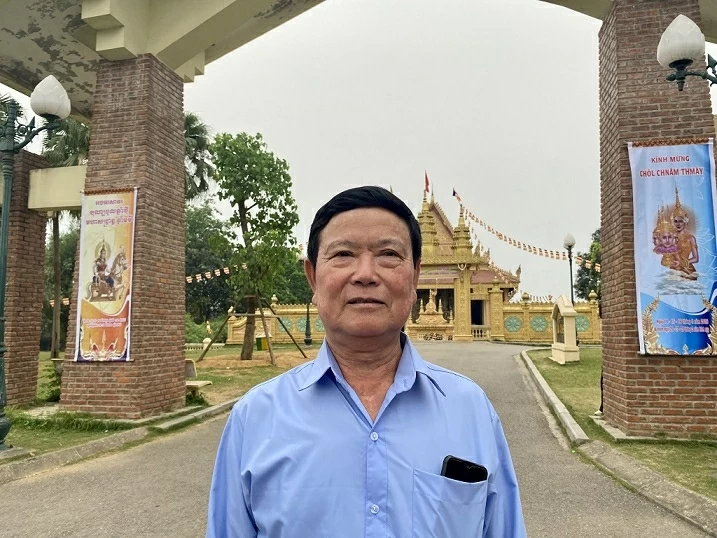 |
| Dieu Chinh La shares his journey of preserving the sound of folk instruments. (Photo: Minh Hang) |
Speaking about passing down the craft, he expresses: “Teaching the younger generation is like nurturing a sapling. We must patiently nurture it every day so that our children and grandchildren grow up with love and understanding of the tinh tau, thereby preserving and continuing the cultural values of our ethnic group, ensuring they are not lost in the future.”
However, behind these passionate classes are many concerns. Maintaining teaching activities, organizing classes, or expanding the scope of influence largely depends on personal resources. Chinh La hopes for more financial support and mechanisms so that artisans can confidently pass down their craft, helping the younger generation understand and connect more with traditional culture.
From these shared insights, it is evident that cultural preservation should not stop at mere retention but must be integrated into life, allowing spaces like folk classes or craft villages to become places where heritage is practiced and spread. While the efforts of artisans are commendable, preserving identity requires the collective effort of the community and long-term policies to ensure these values continue to flow in the modern era.