


‘Digital antibodies’ for the young generation: Scholar
WVR - Talking with students, I realized: politics and ethics are not distant concepts but the way we choose to live each day. If retold in modern language, tied to real people and real stories, these values become vivid tools for life—far more likely to reach the hearts of young people than a dry lecture
Latest
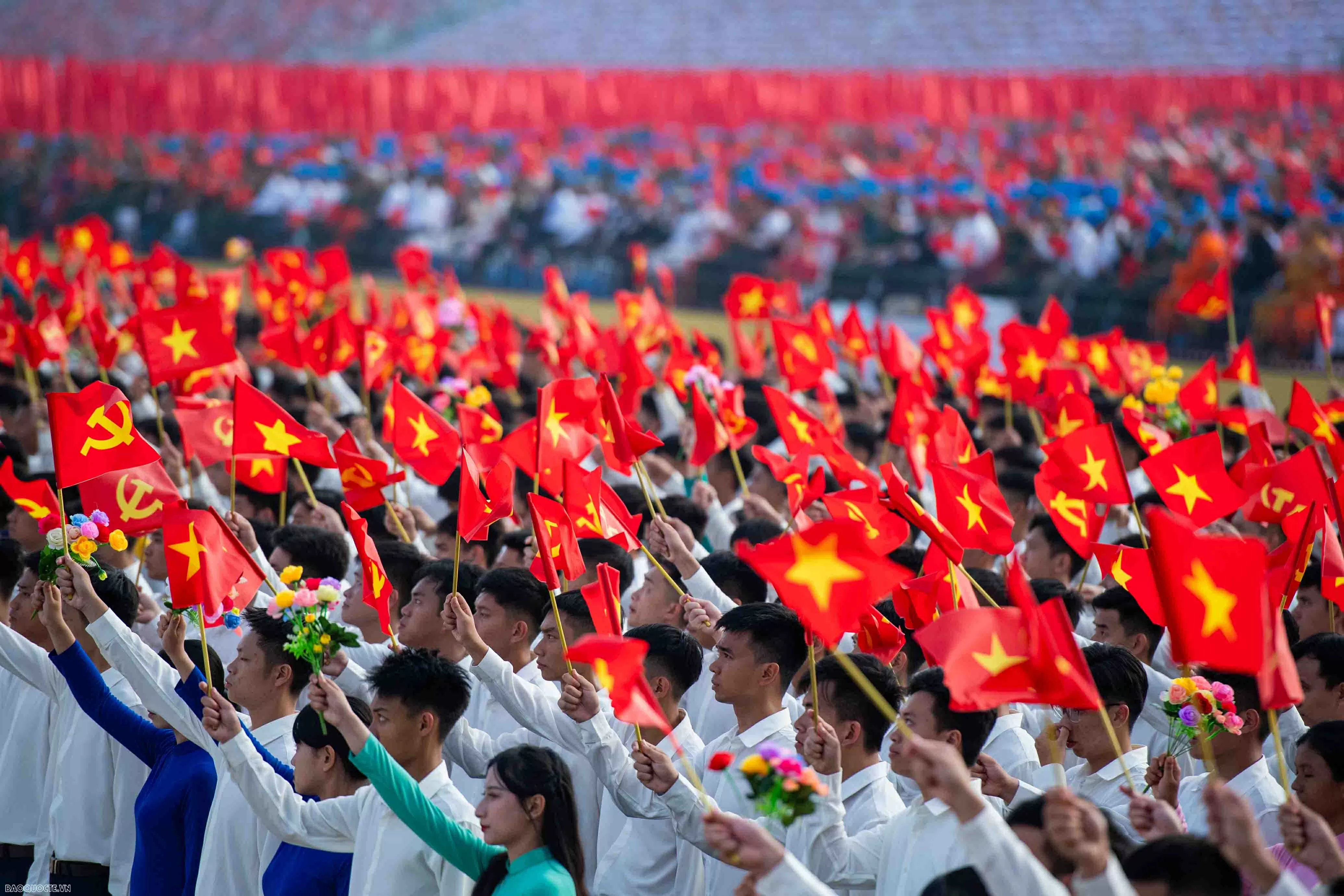 |
| ‘Digital antibodies’ for the young generation: Parade celebrating the 80th National Day anniversary. (Photo: Nguyen Hong) |
Today’s youth grow up with TikTok, Instagram, YouTube Shorts. We cannot rely only on reports or slogans. What matters is how the truth is told. A policy or direction, if conveyed through the story of a navy officer, an innovative farmer, or a student entrepreneur, naturally gains vitality and appeal.
I was deeply impressed by how Nhan Dan newspaper innovated its communications during the 80th National Day celebrations: a special supplement offering “digital gifts” like virtual reality experiences, a Spotify code to listen to the Declaration of Independence, and the art program Homeland in Our Hearts that spread widely on social media. The World and Vietnam Report also carried out many creative diplomatic activities, international collaborations, and launched multilingual sections—both to affirm the country’s achievements and to counter disinformation. Such efforts show that when official information is conveyed with artistry and closeness, it becomes a friendly voice—easy to hear, easy to share.
Yet, the greatest challenge remains the online environment—where good news often spreads slowly, while harmful content can go viral overnight. That is why young people need to be equipped with “digital antibodies.” I often use the image of an “information vaccine”: once inoculated, young people will know how to verify sources, asking “Who wrote this? For what purpose? Where are the numbers from?”—and most importantly, pause before hitting the share button.
There are many quiet yet patriotic examples. During the Covid-19 pandemic, thousands of students joined Zalo Connect and SOSMap to verify and connect over 300,000 urgent aid requests, while filtering out exploitative fake news. A group of young engineers founded the Anti-Scam project, developing tools to detect malicious websites, helping protect tens of thousands of Internet users.
The Central Committee of the Vietnam Youth Federation even signed a five-year agreement with TikTok to train youth in responding to harmful online content—turning them into “immune cells” of cyberspace. The Vietnam Fake News Processing Center has also opened a portal for young people themselves to submit, track, and spread verification results, helping block misinformation.
For Vietnamese youth, the key is to build enough knowledge, resilience, and skills to stay immune to harmful information.
To achieve this, family, schools, and society must act together. Families instill moral foundations and national pride. Schools train digital skills, critical thinking, and the ability to filter information. Society—from the press and youth organizations to the online community—must create healthy platforms, inspiring campaigns, and defensive tools against disinformation.
With knowledge, resilience, and patriotism, the young generation will become the vanguard in defending the Fatherland—even in cyberspace.