





Hanoi Convention – A new milestone in multilateral diplomacy
WVR - For Vietnam, steadfast adherence to the Party’s foreign policy enables proactive and active engagement in comprehensive, deep and effective international integration, thereby enhancing its role and responsible contributions in regional and global mechanisms.
Latest
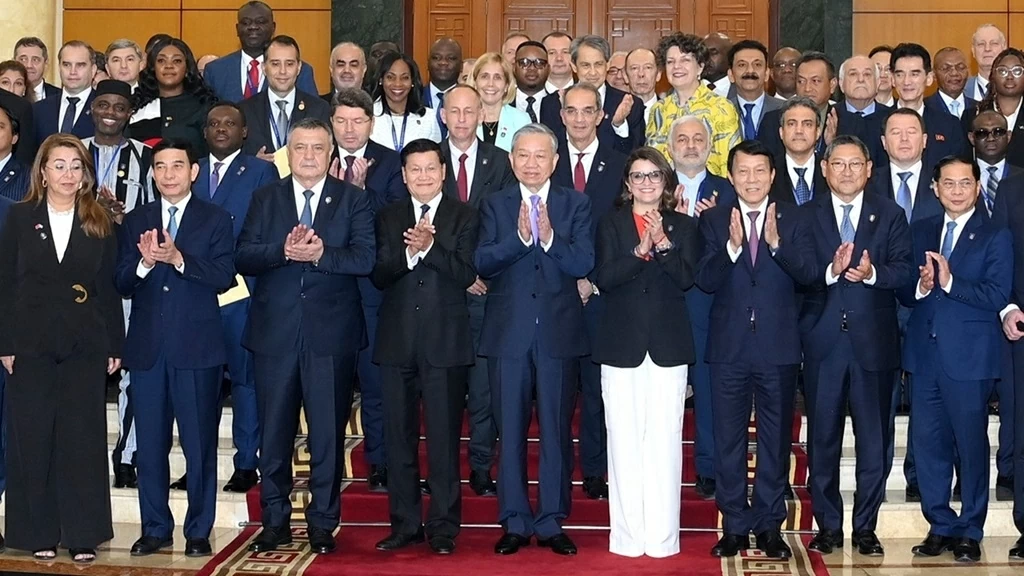 |
| General Secretary To Lam meets with heads of delegations attending the Signing Ceremony of the Hanoi Convention on October 25. (Source: Nhan Dan Newspaper) |
In today's turbulent world, where security, economic, and technological challenges intertwine complexly, multilateralism and international law remain steadfast pillars for peace, cooperation, and development, serving as strategic choices for nations in maintaining global order.
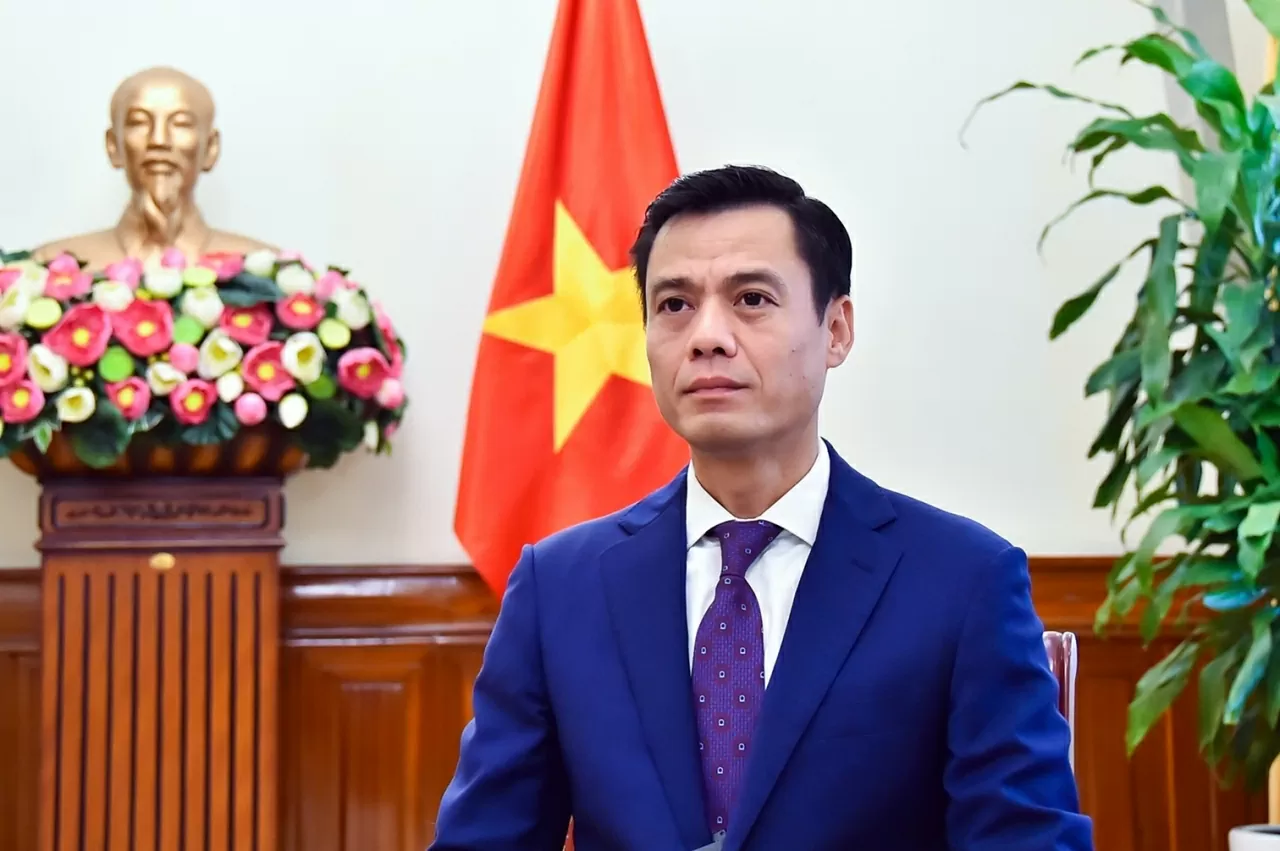 |
| Deputy Minister of Foreign Affairs Đặng Hoàng Giang. |
For Vietnam, steadfast adhere to the Party's foreign policy, enables proactively and actively engagement in comprehensive, deep, and effective international integration, thereby enhancing its role and responsible contributions in regional and global mechanisms. As General Secretary To Lam emphasized: “Our country is entering an era of prosperity and strength, 'wealthy people, strong nation, democratic, just, and civilized society', requiring a new mindset, position, and approach to international integration.”
The United Nations Convention against Cybercrime (Hanoi Convention), opened for signing in Hanoi on October 25-26, 2025, is a clear testament to this vision, showcasing Vietnam's position, courage, and responsibility in creating a safe, inclusive, and humane cyberspace for all people and nations.
Vietnam and the journey of international integration
Since the early days of independence, in a call to the United Nations in 1946, President Ho Chi Minh affirmed: “Our people sincerely wish for peace, but are also determined to fight to the end to protect the most sacred rights: Territorial integrity for the Fatherland and independence for the nation…” and “For democratic countries, Vietnam is ready to implement an open-door policy and cooperate in all fields.”
This simple yet profound affirmation laid the foundation for Vietnam's foreign policy, embodying the aspiration for peace, the spirit of cooperation, and the steadfast will for independence, self-reliance, and the happiness of the people. Throughout history, Vietnam's foreign policy has always been at the forefront in safeguarding independence, building a peaceful environment, and mobilizing international resources for development.
Overcoming the losses of war and the challenges of embargo periods, Vietnam has risen to become an active member, a reliable partner, and a constructive player in many multilateral processes. Vietnam is currently a member of over 70 international and regional organizations, holding numerous multilateral responsibilities such as ASEAN Chair, non-permanent member of the United Nations Security Council, and member of the United Nations Human Rights Council; participating and contributing substantively to many global and regional issues, from maintaining peace and security to sustainable development, climate change response, healthcare cooperation, education, and promoting and protecting human rights. This journey reflects strategic shifts in foreign policy thinking, from “receiving” to “sharing responsibility”, from “adapting” to “proactively engaging”, from “participating” to “contributing” and “shaping”. And the Hanoi Convention writes a story of a humane and inclusive digital future, affirming a pioneering, reliable, and responsible Vietnam in shaping a rules-based international order.
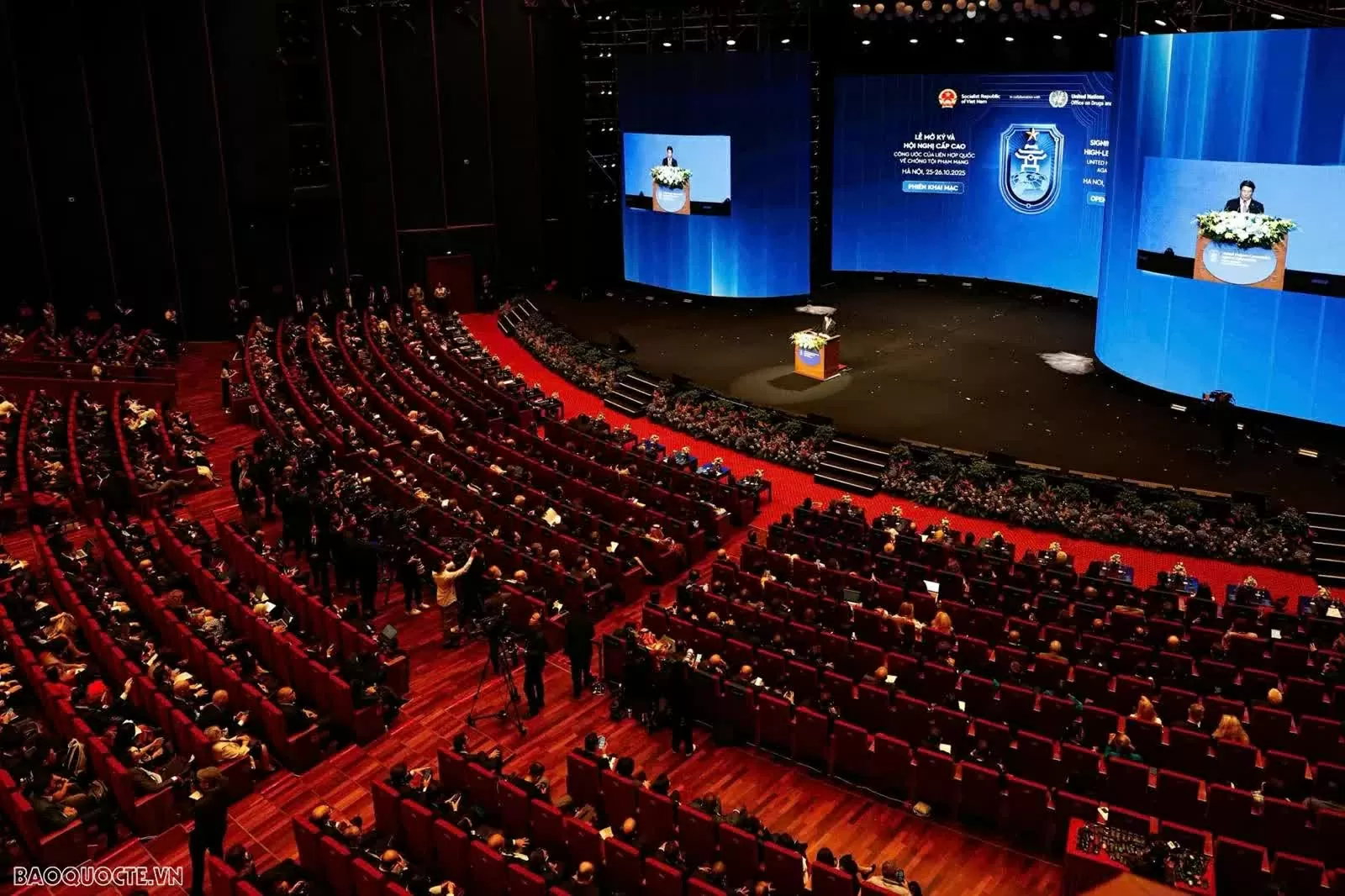 |
| President Luong Cuong speaks at the opening of the Signing Ceremony of the Hanoi Convention on October 25. (Photo: Nguyen Hong) |
Convergence of trust and consensus
The world is entering the digital era, where technology, data, and connectivity reshape every aspect of life. However, alongside great development opportunities come unprecedented challenges from cybercrime, directly threatening national security, economic stability, personal safety, and social trust. According to Cybercrime Ventures, global damages from cybercrime are expected to reach $10.5 trillion by 2025, equivalent to the world's third-largest economy, after the US and China.
In the face of this common challenge, the urgent need for a global legal framework has become clearer than ever. United Nations General Assembly Resolution 74/247 in 2019 paved the way for the establishment of a committee to study the feasibility of developing an international convention on the use of information technology for criminal purposes. After more than five years of negotiations with active participation from over 150 member countries and global technology organizations, the process of building the Convention is considered one of the largest multilateral efforts by the United Nations in the past decade.
In August 2024, countries reached a historic consensus, adopting the “United Nations Convention against Cybercrime”, the first comprehensive international legal document regulating criminal behavior in cyberspace, affirming the principles of equal cooperation, respect for sovereignty, promoting technical support, and international judicial cooperation. In a complex and volatile world, the value of the Convention extends beyond legal content, demonstrating the strong vitality of multilateralism in the digital age, affirming the value of dialogue and cooperation in narrowing differences and building trust, with a shared determination to create a safe, stable, and humane cyberspace.
Enhancing Hanoi's legacy
The choice of Hanoi as the venue for the Convention signing not only reflects international trust in Vietnam but also affirms the new stature of Vietnam's foreign policy in the new era. Throughout the negotiation process, Vietnam has played a proactive, positive, and constructive role, respecting differences, promoting consensus, and seeking solutions. Vietnam has made significant contributions to promoting many key contents of the Convention, balancing security and development, respecting sovereignty, and protecting human rights in the shared space, while promoting technical support, bridging the digital divide, and enhancing capacity for developing countries. Vietnam's contributions are highly valued for their practicality, balance, and harmony, reflecting the legitimate voices and concerns of countries, especially developing nations.
The Signing Ceremony of the Convention transcends the significance of a diplomatic event to convey a message of global action, opening a new future of dialogue, cooperation, and trust. For Vietnam, this is not only an opportunity but also a pioneering responsibility in promoting the realization of global commitments through concrete actions. In the coming time, Vietnam will focus on implementing three major orientations:
First, continue to improve the domestic legal framework and legislation on cybercrime prevention, in line with international standards; enhance enforcement capacity, raise community awareness, aiming for a safe cyberspace, protecting the legitimate rights and interests of the people, especially vulnerable groups, in the digital environment.
Second, promote substantive international cooperation on data sharing, technical support, human resource training, and technology transfer; connect government, centres, research institutes, businesses, and international organizations, developing a public-private cooperation corridor on cybersecurity and data safety.
Third, leverage Vietnam's pioneering role in shaping international technology rules, ethical standards, and legal frameworks, promoting regional and global initiatives linking Convention implementation with cybersecurity cooperation, digital transformation, digital economy, and data governance.
The Hanoi Convention is not only a crystallization of the wisdom and efforts of nations but also a common commitment of the international community to a safer, more cooperative, and humane world in the digital age. From the signing page of the Hanoi Convention, a new chapter of dialogue and cooperation is opening, where nations join hands to build a safe digital future for and by the people, striving for peace and common prosperity for all humanity.


