


Leveraging the soft power of people-to-people diplomacy: Deputy FM Ngo Le Van
WVR - In the overall picture of Vietnam's foreign affairs in 2025, people-to-people diplomacy continues to play a crucial role as a significant pillar, providing practical support to the Party's foreign affairs and State diplomacy, contributing to creating a peaceful, stable, and favourable international environment for national development.
Latest
Through an extensive network of international partners and friends, the activities of exchange, cooperation, and international advocacy by people's organizations are increasingly deepening, contributing to enhancing mutual understanding and trust between the Vietnamese people and people of other countries.
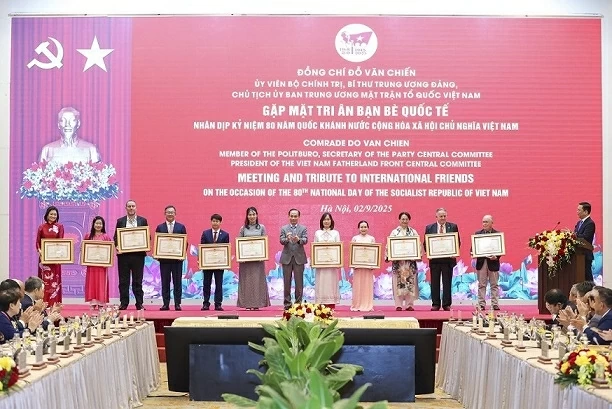 |
| Member of the Party Central Committee's Secretariat, Acting Minister of Foreign Affairs Le Hoai Trung presents the Prime Minister's Certificate of Merit to collectives and individuals in recognition of the positive contributions and support from international friends to Vietnam on the occasion of the 80th anniversary of Vietnam's National Day, September 2. (Photo: Dinh Hoa) |
Sharing with The World and Vietnam Report, Deputy Minister of Foreign Affairs Ngo Le Van affirmed that people-to-people diplomacy has effectively leveraged "soft power", contributing to spreading the image of a peaceful, responsible, and actively integrating Vietnam in the country's overall foreign affairs picture.
According to the Deputy Minister, people-to-people diplomacy continues to create a favourable social foundation for relations between our country and others; strengthens and deepens friendly relations with the people of other countries, especially neighboring countries and important partners; closely links with the Party's external relations and State diplomacy to practically serve common goals; and effectively utilizes channels to mobilize and attract international resources for development.
Especially in the latter half of the year, amid severe natural disasters, many individuals and international partner organizations of our people's organizations and foreign non-governmental organizations (NGOs) in Vietnam actively participated in supporting the recovery from natural disasters in many localities of Vietnam.
Deputy Minister, what was the most notable highlight of people-to-people diplomacy over the past year? How has people-to-people diplomacy adapted and transformed in the context of regional and global fluctuations?
The most notable highlight of people's diplomacy over the past year was the significant shift from ordinary friendly exchanges to politically meaningful exchanges such as the "Red Journey of Youth Research and Study" program and the campaign to support the Cuban people "65 Years of Vietnam-Cuba Friendship", which received widespread attention and support from various social strata (total support reached 656.7 billion VND, ten times the initial target); actively and substantively participating in the country's common development requirements and tasks, as well as directly contributing to protecting national interests at multilateral mechanisms and forums, especially in areas such as peace, sustainable development, climate change response, and humanitarian cooperation.
In the context of complex regional and global developments and increasing strategic competition, people's diplomacy has proactively adapted, innovated its thinking and operational methods; enhanced coordination with the Party's foreign affairs and State diplomacy; improved forecasting capabilities, policy responses, and effectively spread the message of a peaceful, trustworthy, and responsible Vietnam.
People-to-people diplomacy is not just a supportive activity but a strategic pillar of comprehensive, modern diplomacy, playing a role in creating a social foundation, consolidating trust, and expanding cooperation space for the country.
What are the results of cooperation between Vietnam and NGOs in areas such as poverty reduction, education, healthcare, and climate change over the past year, Deputy Minister?
Cooperation with NGOs is an important component of people's diplomacy, contributing to strengthening friendly relations, promoting sustainable development, spreading humanistic values, and enhancing connections between Vietnam and international friends.
Currently, nearly 400 NGOs are regularly operating in Vietnam, and during the 2020-2024 period, aid value for Vietnam reached nearly 1.14 billion USD. Projects are spread across 34 provinces and cities, focusing on essential areas such as healthcare, socio-economic development, addressing social issues, education and training, natural resources and environment, capacity building, and judicial support...
These significant figures demonstrate the important role of NGOs in contributing knowledge, technology, and governance initiatives to Vietnam, reflecting the responsibility, affection, and respect of the international community for the country and people of Vietnam.
The contributions of NGOs are not only in the resources they bring but, more importantly, in the knowledge, international experience, creativity, humanity, and innovative approaches to community development – elements that not all cooperation channels possess.
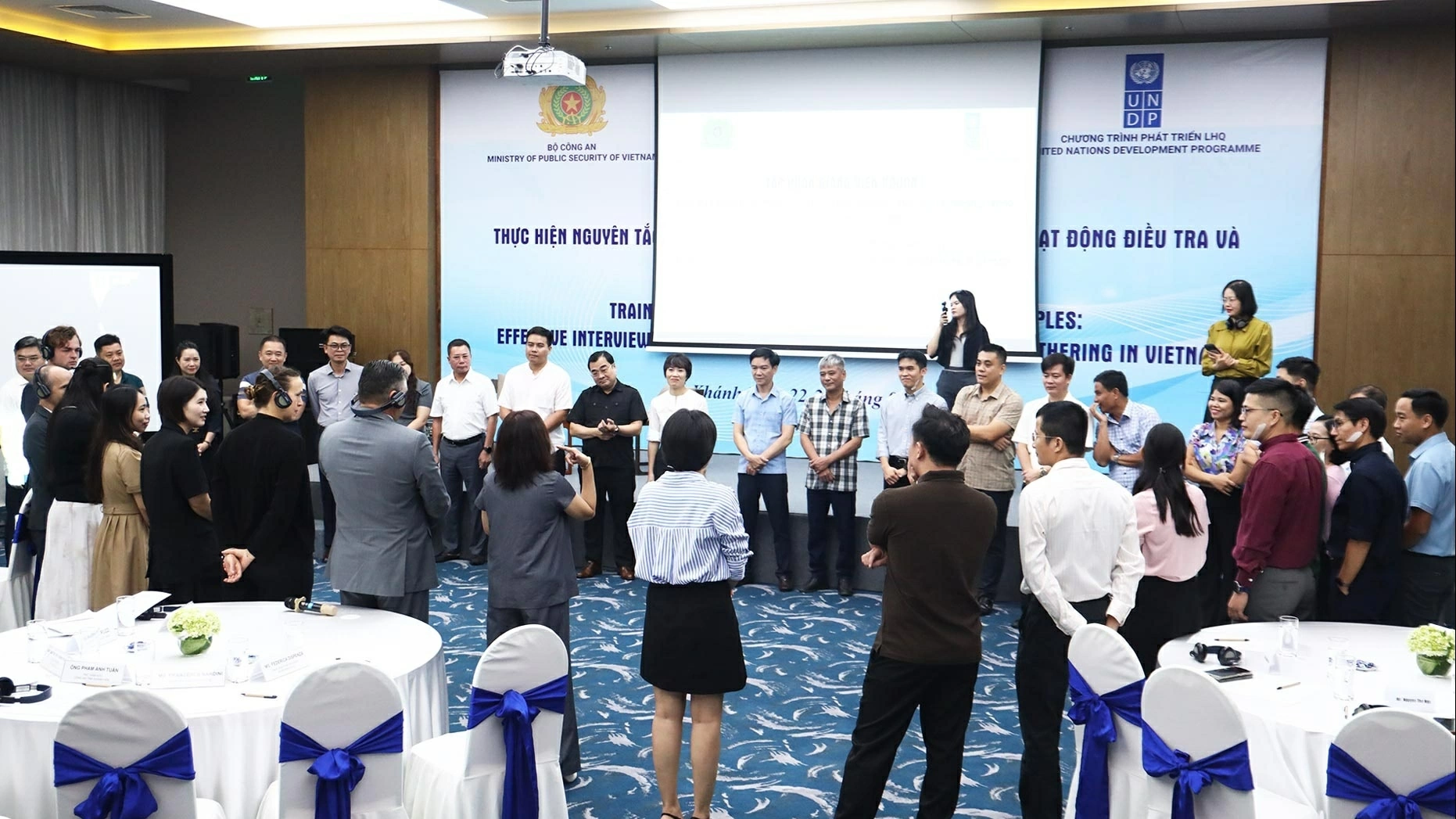
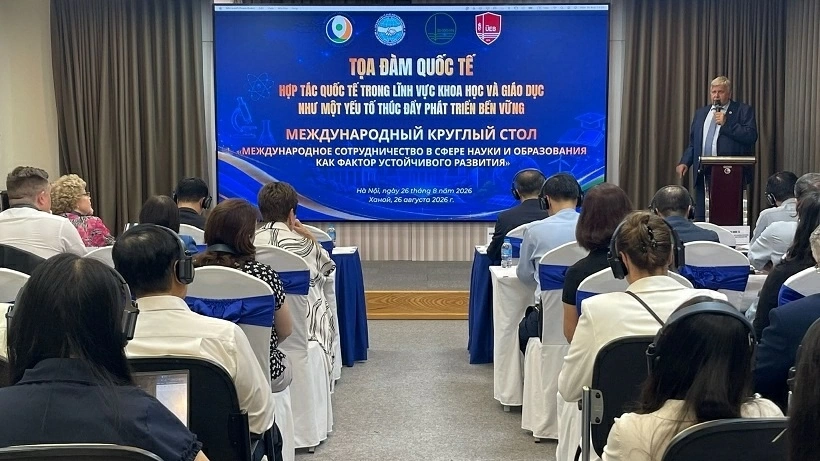
On December 4, 2025, in Hanoi, the "Fifth International Conference on Cooperation between Vietnam and Foreign NGOs, Partners for Prosperous and Sustainable Development" took place.
The conference comprehensively evaluated the cooperation results between Vietnam and foreign NGOs during the 2019-2025 period; shared lessons learned, needs, and development priorities of Vietnam; and discussed cooperation orientations in the new period to ensure effectiveness, sustainability, and alignment with the rapidly changing global context.
Government leaders, leaders of ministries, sectors, localities, and people's organizations all recognized and highly appreciated the meaningful and practical contributions of NGO friends, considering cooperation between Vietnam and NGOs not only as supplementary but as an indispensable part of the national development strategy.
How important is the coordination between state agencies, socio-political organizations, and people's forces in implementing people-to-people diplomacy?
Close coordination between state agencies, socio-political organizations, and other people's organizations is crucial and decisive for the effective implementation of people's diplomacy.
Each entity has its role and strengths, but these strengths are only truly realized when integrated into a unified whole to create the comprehensive strength of Vietnam's diplomacy.
In this, state agencies play a strategic guiding role, creating a legal framework and overall coordination; socio-political organizations are the core force directly implementing, connecting partners, and maintaining an international friends network; people's forces, intellectuals, businesses, and overseas Vietnamese are important social resources, contributing to spreading Vietnam's image and voice to the world.
Harmonious and synchronized coordination has helped people-to-people diplomacy effectively adapt flexibly to international fluctuations, serving the practical goals of national development and defense.
As we approach the 14th National Party Congress and the era of national advancement, what should Vietnam do to better leverage the power of people's diplomacy in the future?
Vietnam needs to continue elevating people-to-people diplomacy in terms of thinking, content, and implementation methods to leverage the "pioneering" role and "key", "regular" tasks of foreign affairs and international integration.
First, it is necessary to deeply understand the role of people's diplomacy in comprehensive, modern diplomacy; closely link people's diplomacy activities with strategic priorities for development, integration, and national defense. At the same time, it is essential to strengthen coordination mechanisms between agencies and organizations, enhance the capacity of personnel involved in people's diplomacy towards being streamlined, strong, professional, and modern.
Additionally, it is crucial to strongly promote the role of intellectuals, businesses, youth, and overseas Vietnamese; actively participate and contribute a responsible voice at regional and international forums, thereby effectively spreading the image of a peaceful, dynamic, and trustworthy Vietnam.
As the Chairman of the Committee for Work on NGOs, do you have any messages for international partners currently and intending to cooperate with Vietnam?
Vietnam always acknowledges and appreciates the valuable support from international friends, partners, and foreign organizations, including NGOs, for the development of the country and the Vietnamese people over the years. Above all, we cherish the affection, attachment, and special love that you have for Vietnam.
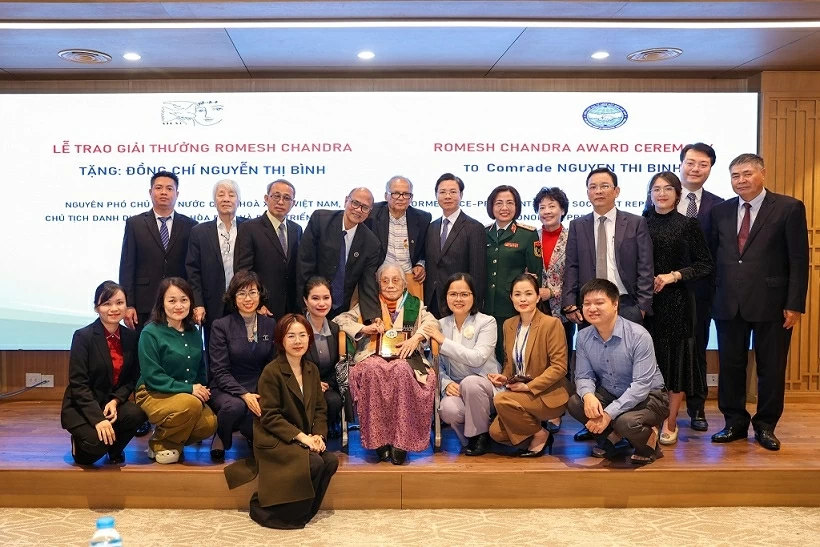 |
| Romesh Chandra Award presented to Madame Nguyen Thi Binh, former Member of the Party Central Committee, former Vice President, Honourary President of the Vietnam Peace and Development Foundation (now the Vietnam Peace and Development Council) for her great contributions to the cause of peace and international solidarity, November 18, 2025. (Source: VUFO) |
Entering a new development phase, alongside traditional high-efficiency fields that foreign NGOs have implemented for many years, Vietnam encourages broader cooperation in new fields aligned with Vietnam's priorities and development, including: green economic development, circular economy, climate change adaptation, community digital transformation, sustainable agriculture support, social security system development, local capacity building, and innovation promotion.
Together with the NGO community, Vietnam seeks the companionship of development cooperation agencies, international organizations, financial institutions, and domestic and foreign enterprises to create a multilateral cooperation model that meets new requirements, expands the ability to provide resources, technology, and governance experience.
I hope NGOs will continue to accompany Vietnam in priority areas, while continuing to share experiences, knowledge, and technology; connect Vietnam with international expert networks and help Vietnam participate more deeply in global initiatives.
Cooperation is not just about sharing resources, but also sharing vision, responsibility, and belief in the possibility of a better human life. The Vietnamese Government is committed to listening, accompanying, and always ready to create the best conditions for NGOs to maximize their value in Vietnam.
Thank you very much, Deputy Foreign Minister!