




Vietnam’s National Brand needs to position itself in the market with the 'highest standards in the world': Scholar
WVR - If Vietnamese enterprises focus on innovation, value enhancement, global supply chain integration, and meeting sustainable consumption trends, opportunities in the EU market will not just stop at export growth but will also affirm the image of Vietnam’s national brand at a different level.
Latest
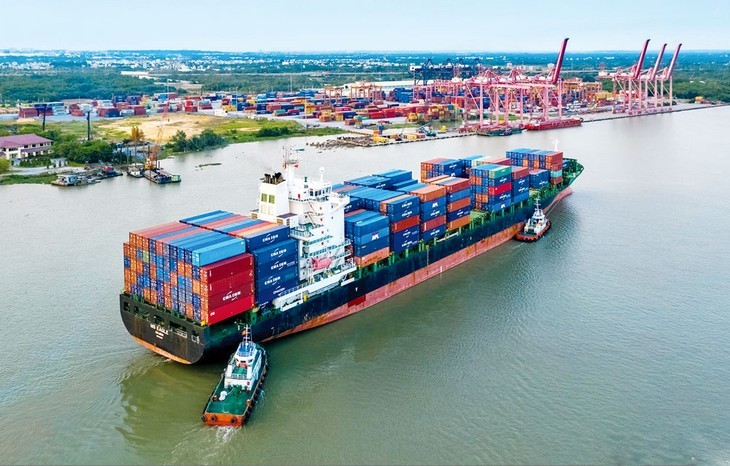 |
| After 5 years of implementing the EVFTA, bilateral trade between Vietnam and the EU has continuously increased. (Source: Bao Dau thau) |
After 5 years of implementing the Vietnam-European Union (EU) Free Trade Agreement (EVFTA), despite market fluctuations and global economic challenges, economic and trade cooperation between the two sides has recorded growth and positive shifts.
The position of Vietnamese goods has changed positively
According to data from the General Department of Customs (Ministry of Finance), after 5 years of implementing the EVFTA, bilateral trade between Vietnam and the EU has continuously increased. From $48.9 billion the year before the agreement took effect to nearly $78 billion in the fifth year of its implementation, recording an average annual growth rate of over 10%.
Among these, exports to the EU market increased by an average of 11.7%, while imports from the EU market increased by an average of 6.1%.
The bloc of 27 members is currently Vietnam's leading trade partner, the third-largest export market, and the fifth-largest import market for Vietnam. Conversely, Vietnam is the EU's largest trading partner in ASEAN, ranking among the top 10 suppliers of goods to the EU market.
The Ministry of Industry and Trade also noted that the EVFTA not only promotes trade and market diversification but also serves as an important driver for economic restructuring, institutional reform, and improving the investment and business environment.
The agreement opens up new cooperation spaces between Vietnam and the EU in prioritized areas such as the green economy, digital economy, energy transition, and sustainable development, aligning with the EU's core policies and Vietnam's socio-economic development orientation.
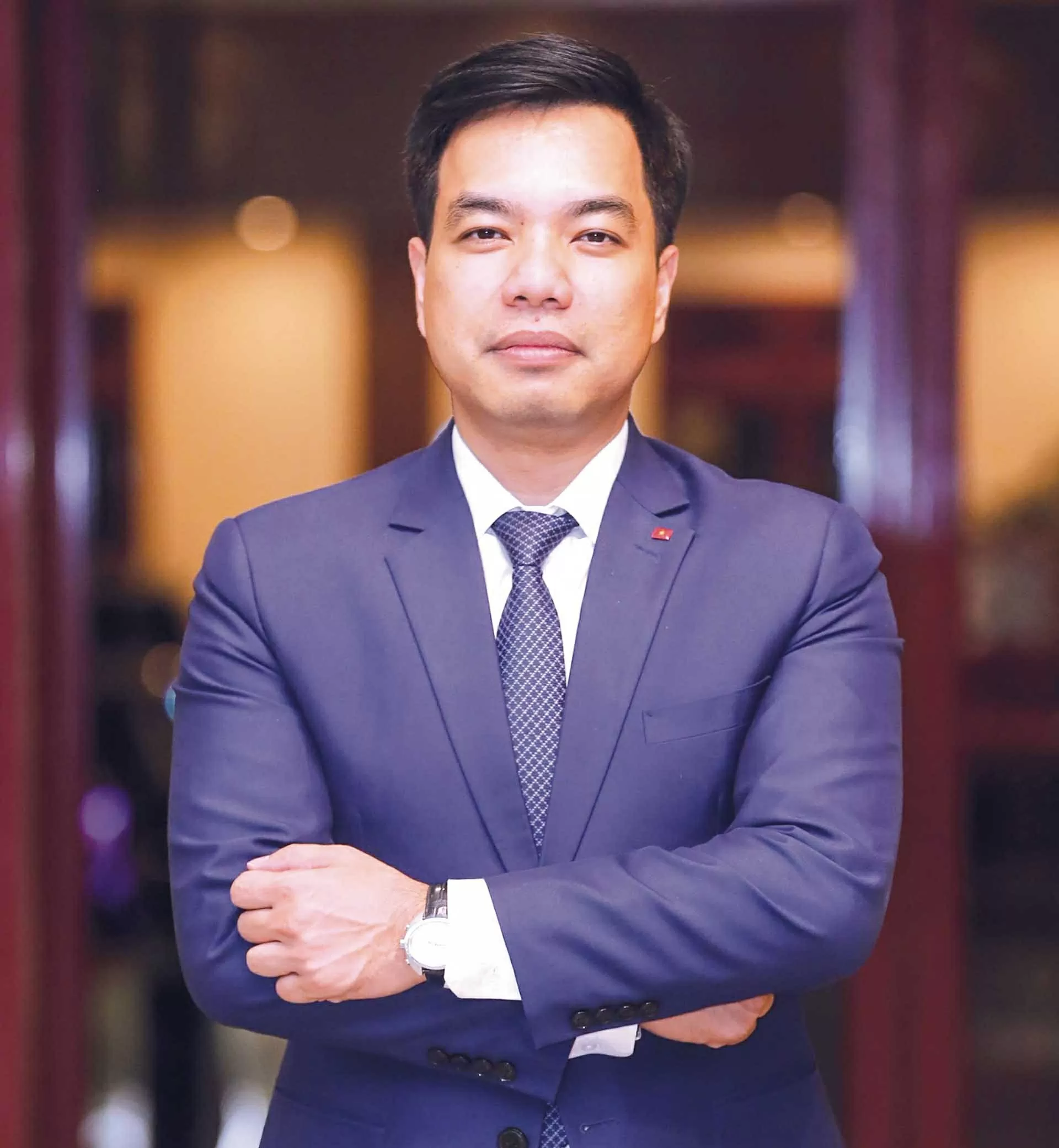 |
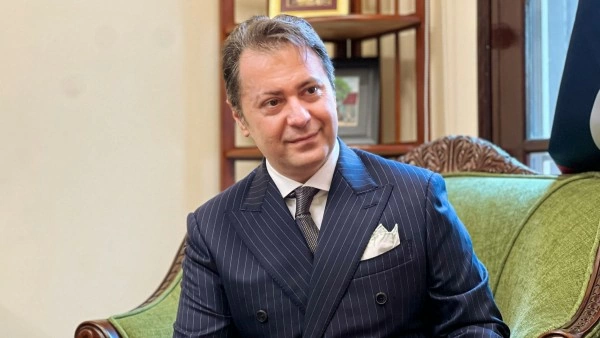
| Dr. Mac Quoc Anh, Member of the Central Committee of the Vietnam Fatherland Front, Vice Chairman and General Secretary of the Hanoi Small and Medium Enterprises Association. (Photo: NVCC) |
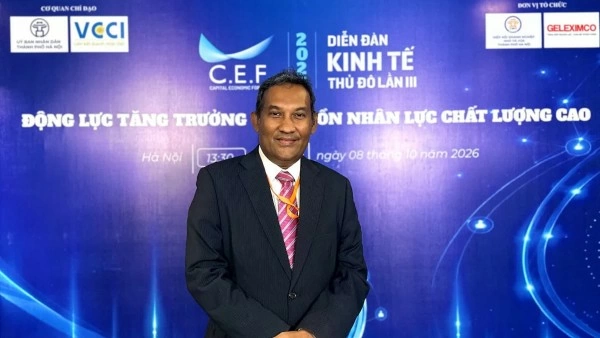
Sharing with The World & Vietnam, Dr. Mac Quoc Anh, Member of the Central Committee of the Vietnam Fatherland Front, Vice Chairman and General Secretary of the Hanoi Small and Medium Enterprises Association, stated that the EU is known as a "demanding" market, with high standards and strict requirements in all stages from production to distribution and consumption.
However, it is also a market with strong purchasing power, a trend towards sustainable consumption, and an increasing demand for high-quality products from Asia, including Vietnam.
Dr. Mac Quoc Anh observed that the position of Vietnamese goods in the EU has seen many positive changes recently. Thanks to the EVFTA, Vietnam has become one of the few Asian countries with a free trade relationship with the EU, providing a distinct competitive advantage in tariffs and opening up opportunities for deeper market penetration.
Key export items such as seafood, coffee, cashew nuts, tropical fruits, wooden products, and textiles have all recorded good growth in the EU, not only in quantity but also in enhancing brand value. Moreover, EU consumers are strongly shifting towards products that are green, sustainable, and socially responsible.
"This is an opportunity for Vietnam to restructure products towards higher added value. Enterprises pioneering in clean, circular, organic, or high-tech production models will have a clear breakthrough opportunity in this market," Dr. Mac Quoc Anh emphasized.
Building a brand based on long-term value
However, it must be acknowledged that the challenges are significant. According to the Vice Chairman of the Hanoi Small and Medium Enterprises Association, the EU is a fiercely competitive market, with the presence of leading global suppliers. To maintain and enhance its position, Vietnamese goods need clearer brand positioning, quality upgrades, design improvements, and transparent traceability.
Simultaneously, there is a need to quickly adapt to new EU market requirements such as carbon emission reduction regulations, ESG (environmental, social, and governance) reporting, and green product standards. Developing modern distribution channels—especially e-commerce and cross-border logistics—is essential to shorten the time and cost of delivering goods to EU consumers.
To stand firm in the EU market—a market considered the "highest standard in the world"—Dr. Mac Quoc Anh stated that Vietnamese enterprises cannot rely on low prices or labour advantages.
The "key" to success lies in the ability to meet standards, sustainable management, and building a brand based on long-term value. Additionally, focus on the following six aspects:
| Vietnamese enterprises need to build a national brand and corporate brand based on sustainable values. EU consumers value the story behind the product: is it produced sustainably, is it socially responsible, is it transparent. |
Firstly, build the capacity to comply with EU standards as a strategic asset. Enterprises should view requirements such as the Carbon Border Adjustment Mechanism (CBAM), European Sustainability Reporting Standards (ESRS), Ecodesign, and the EU Deforestation Regulation (EUDR) not as mandatory costs but as a "passport" to enter high-end supply chains.
Enterprises that proactively invest in environmental management systems, transparent emission data, and traceability will become preferred partners of EU corporations. This is a long-term game, and those who lead will capture the market's trust.
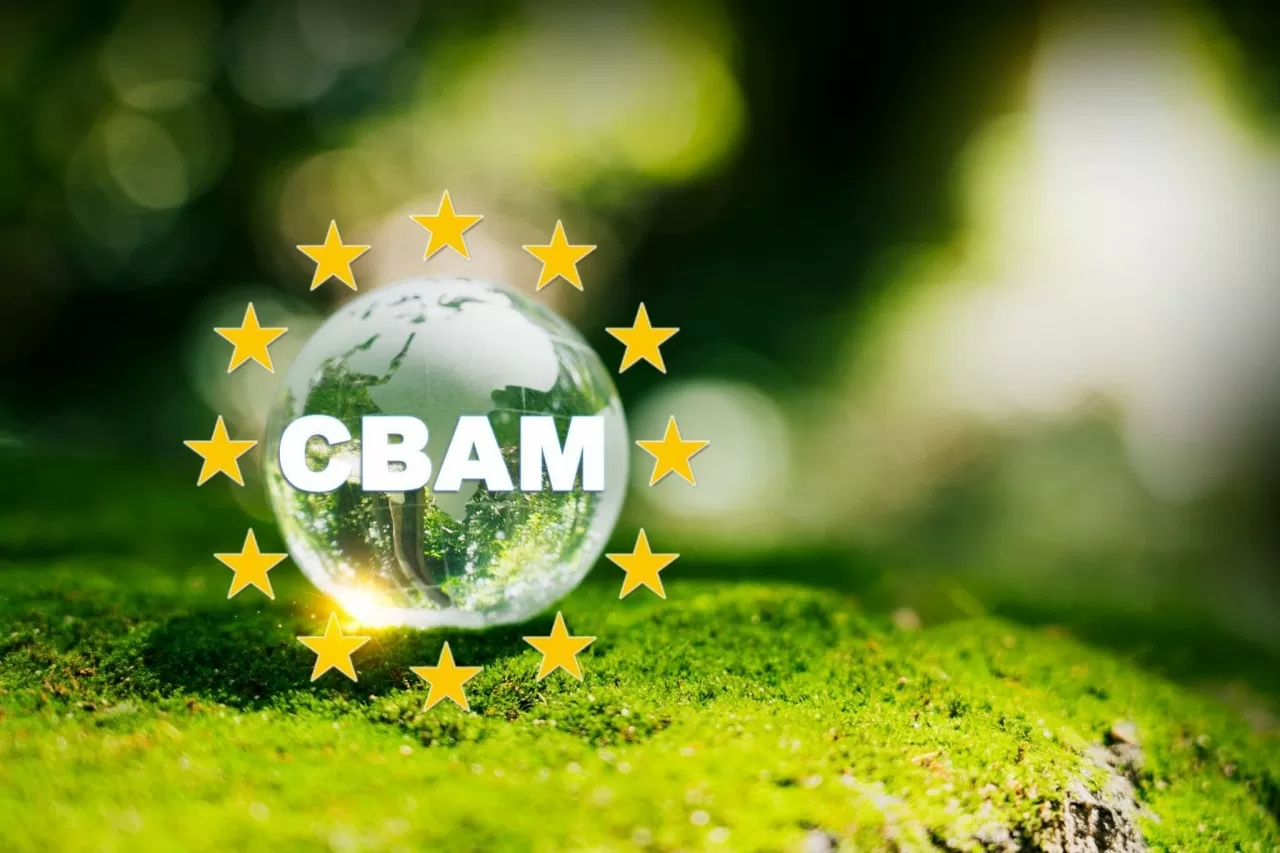 |
| CBAM is introduced by the EU as part of its commitment to reduce global carbon emissions and realize the goals of the Paris Agreement on climate change. (Source: Shutterstock) |
Secondly, green transition and digital transformation are two inseparable pillars. The EU assesses supplier capacity not only by the product but by the process: emission levels, recycling rates, energy efficiency, risk management, and data systems.
Therefore, Vietnamese enterprises must consider ESG investment and technology as mandatory strategies. Enterprises integrating Enterprise Resource Planning (ERP), blockchain, and the Internet of Things (IoT) into production management and logistics will excel in auditing, traceability, transparency, and market compliance.
Thirdly, build a national brand and corporate brand based on sustainable values. EU consumers value the story behind the product: is it produced sustainably, is it socially responsible, is it transparent.
Vietnam needs to shift from "production on order" to "value-based production", from "supplier" to "brand partner". This requires enterprises to develop a comprehensive brand strategy, have reputable certifications, and a clear and consistent ESG narrative.
Fourthly, strengthen chain links to become stronger. In reality, small enterprises find it challenging to meet the EU's complex standards alone. Models of linkage, joint ventures, and industry alliances will help enterprises share certification costs, technology, legal advice, and jointly build a centralized traceability system. This helps upgrade the entire chain and avoid the risk of Vietnamese goods being "banned".
Fifthly, actively participate in the EU-Vietnam innovation ecosystem. The EU has many funds supporting green transition, high technology, and innovation that Vietnamese enterprises can access.
Sixthly, invest in high-quality human resources. Technical barriers are not just standards but also human capacity. Enterprises need teams of ESG experts, risk management, international law, and EU market marketing.
"This is the decisive factor in whether enterprises can maintain sustainable competitiveness. Consider the EU market as a strategic playground, not a short-term opportunity. Enterprises wanting to assert their position must build a strategy of at least 5-10 years, with a clear roadmap for greening, digitization, value upgrading, product diversification, and competitiveness enhancement.
When the mindset changes, the position of Vietnamese enterprises in the EU will certainly be different. When connect correctly, enterprises can access long-term contracts and reduce intermediary dependence," Dr. Mac Quoc Anh affirmed.
Dr. Mac Quoc Anh believes that in the near future, if Vietnamese enterprises focus on innovation, value enhancement, global supply chain integration, and meeting sustainable consumption trends, opportunities in the EU will not just stop at export growth but will also affirm the image of Vietnam’s national brand at a higher new level.