



Teaching and learning Vietnamese in Kansai, Japan: A heartfelt journey
WVR - When founding the Cay Tre (Bamboo) Vietnamese Language School, Ms. Le Thuong, President of the Vietnamese General Association in Kansai (Osaka, Japan), hoped that even though Vietnamese children were born and raised in Japan, a part of their Vietnamese soul could still be nurtured through each lesson.
Latest
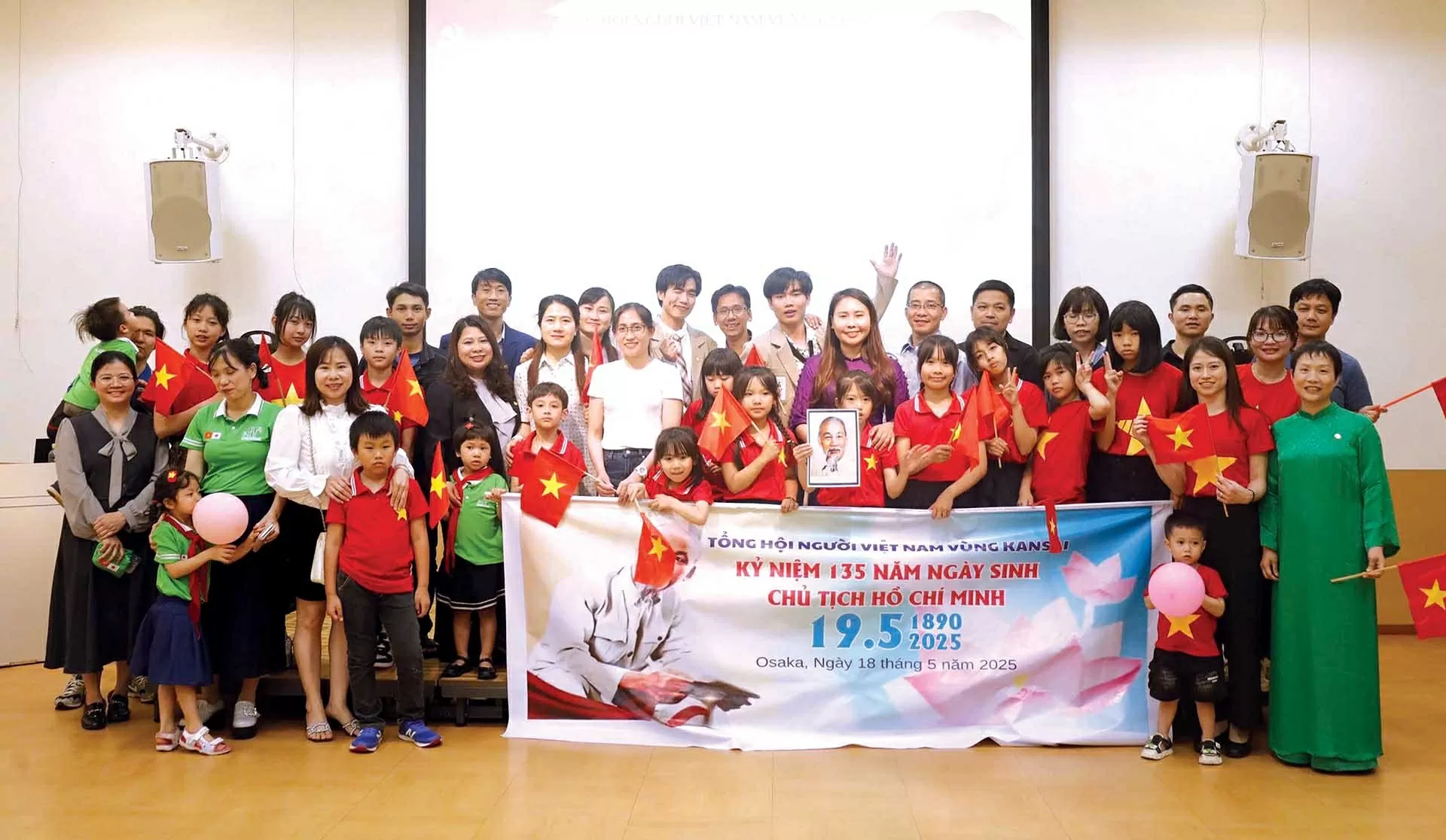 |
| The Vietnamese General Association in Kansai hosts an event to celebrate the 135th birthday of President Ho Chi Minh on May 18, 2025. |
How was the idea of the Cay Tre Vietnamese Language School born? After a year of operation, how have parents and students in Kansai responded to learning Vietnamese?
I clearly remember the early days in 2015, when our first Vietnamese class was held in a small corner of a public hall in Osaka. At that time, we had just a few children, a handful of old textbooks brought from Vietnam, makeshift desks and chairs, and a whiteboard that had to be borrowed for each session. From that moment, I already dreamed of building a proper Vietnamese school that would not only teach the language but also preserve the Vietnamese spirit for our children living far from home.
After nearly ten years of dedicated efforts by the community, parents, and committed volunteer teachers, the Cay Tre Vietnamese Language School was officially established in 2024 with full legal recognition in Japan. This was a deeply emotional milestone, turning a long-standing dream into reality.
We chose the name Cay Tre because bamboo symbolizes the Vietnamese character—resilient, flexible, and able to take root and grow wherever it is planted. The name reflects our hope that although the children are born and raised in Japan, their Vietnamese identity will continue to be nurtured through weekly lessons.
We are very happy to see parents welcoming the school with gratitude and strong support. Many families travel for hours just to bring their children to class. Some five-year-olds cheerfully say, "I love the Vietnamese language," while older students volunteer to assist younger ones. The love for Vietnamese grows not through pressure, but through the daily care of this community and its small but vibrant school.
What have the teachers done to inspire children in Japan to love the Vietnamese language and culture?
I often tell the teachers that they should teach history and culture before teaching the alphabet. If a child does not understand who their people are, has never heard stories of heroism, felt the melodies of traditional music or fairy tales, or recognized the unique features of Vietnamese culture, then learning Vietnamese becomes no different from learning any other foreign language.
For children, Vietnamese becomes familiar and lovable when it is connected to real, tangible things. These include a story about President Ho Chi Minh’s rubber sandals, a traditional game, a lullaby from their grandmother, or the feeling of wearing an áo dài during the Lunar New Year celebration. We make an effort to integrate culture into every lesson. For example, when learning the letter “L,” we tell the story of Lac Long Quan and Au Co. When learning the word “tree,” we draw bamboo and rice plants together.
Love for a language cannot be imposed. It only grows when it touches the heart. And to truly touch our students’ hearts, we must have even more passionate hearts ourselves.
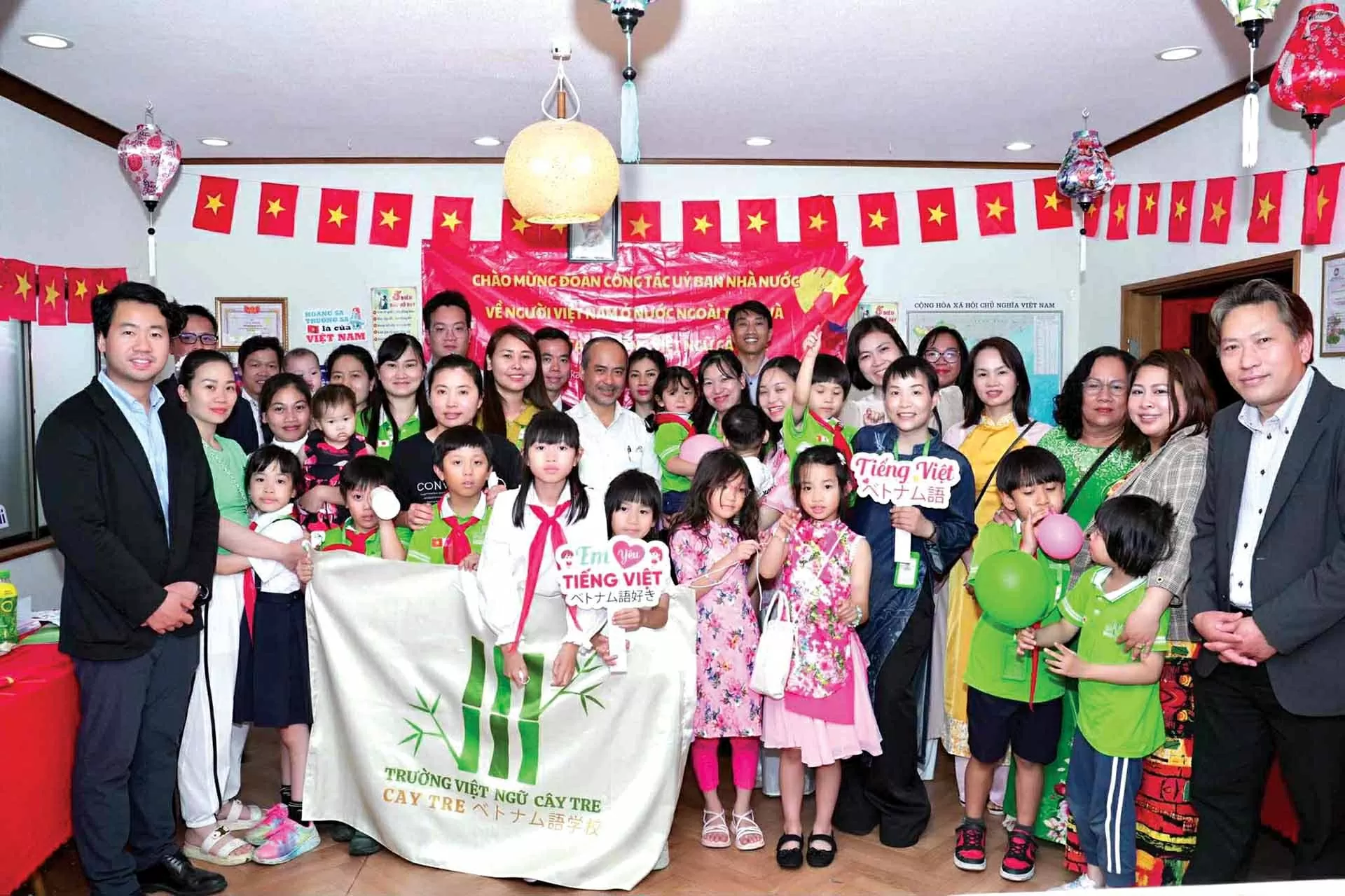 |
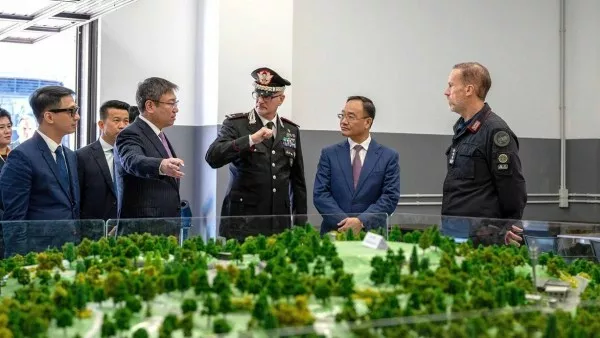
| The delegation from the State Committee for Overseas Vietnamese works with the Cay Tre Vietnamese Language School in Kansai, Japan on June 11, 2025. |
| “We were deeply moved during our visit to the Cay Tre Vietnamese Language School. The teachers have made remarkable efforts in teaching Vietnamese language and culture to children in Japan. The State Committee for Overseas Vietnamese will always accompany and support the school in all its future activities.” (Chairman of the State Committee for Overseas Vietnamese Nguyen Trung Kien) |
Beyond preserving the mother tongue, what motivates you in your community work?
I have always believed that Vietnamese people, no matter where they live, need a common home. This is a place where they can speak their mother tongue, light incense on the ancestral death anniversary, sing folk songs, and share their joys and sorrows together.
As President of the Vietnamese General Association in Kansai, what I care about most is maintaining a strong sense of community in the midst of a modern and high-pressure society like Japan.
We organize the annual Hung Kings Commemoration Day with solemn rituals and integrated history classes for children. The Mid-Autumn Festival features lion dances, mooncake making, and a traditional storytelling contest. Our children’s summer camps rotate between provinces and include content about national sovereignty, such as Gac Ma and the 17th parallel, so that the children can understand that the homeland is not only the place they were born, but something they must value and protect.
We also organize cultural classes for parents and provide legal, medical, and psychological support programs for Vietnamese facing difficulties. The General Association serves as a place to listen, to share, and to instill pride in our national identity for future generations.
In your view, what is the most crucial factor in preserving the Vietnamese language and culture in an overseas community?
I believe the most important factor is the family. It is the mother who tells fairy tales every night, the grandmother who sings lullabies over video calls, and the familiar sound of “hello, mom and dad” spoken in Vietnamese, even if only once a week.
If Vietnamese is not spoken at home, it becomes very difficult for schools to maintain it in the long term. Language and culture must be nurtured through genuine emotional connections in everyday life, not only in textbooks.
Achieving this requires the cooperation of the community, support from local authorities, and sustained attention from the homeland.
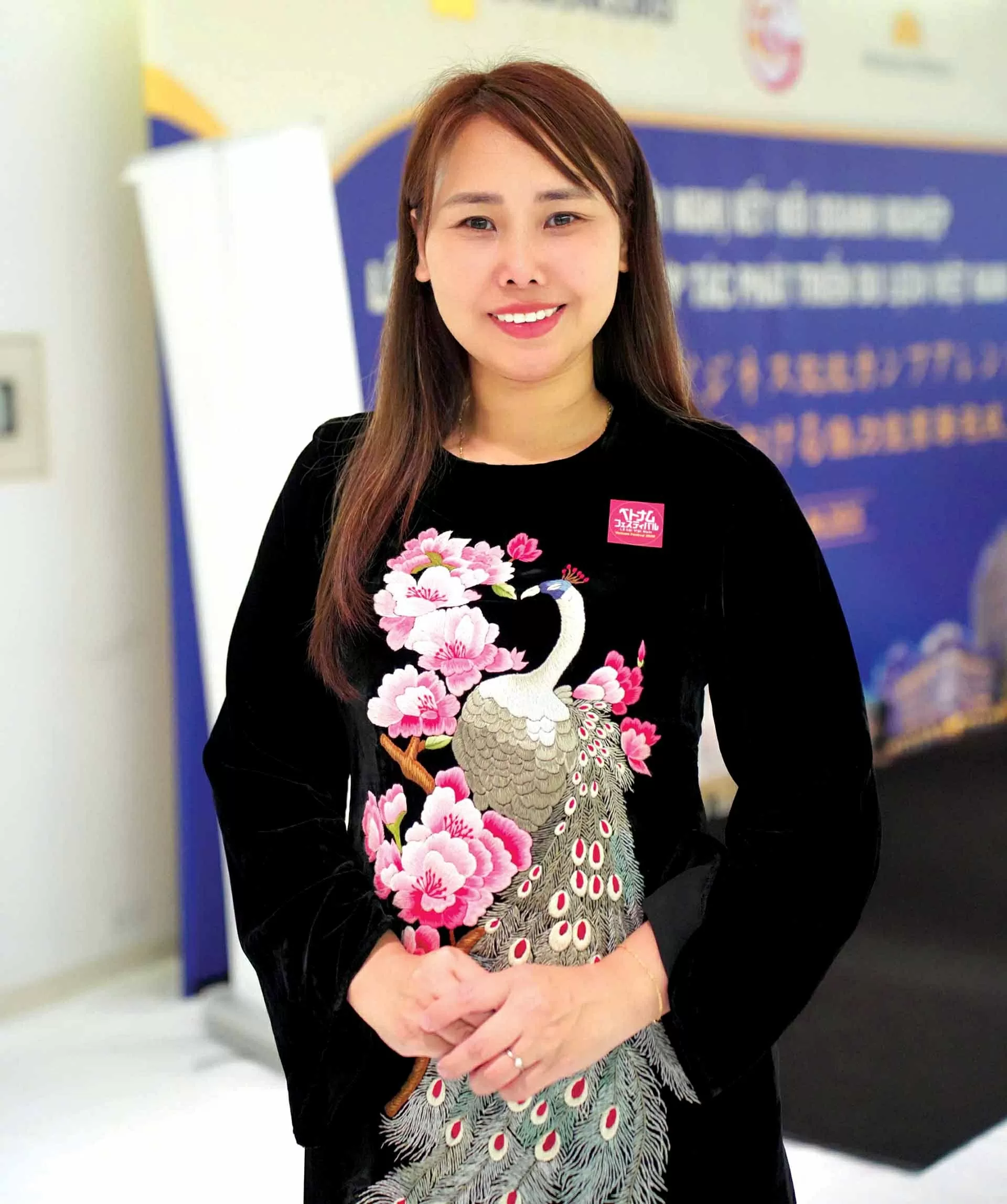 |
| Ms Le Thuong, Principal of the Cay Tre Vietnamese Language School and President of the Vietnamese General Association in Kansai. |
The bilingual Vietnamese–Japanese edition of A brief illustrated history of Vietnam has just been released in Vietnam. Could you share the role your Association played in publishing and distributing this important book?
As soon as we heard about the plan to adapt A brief illustrated history of Vietnam into a Vietnamese–Japanese bilingual edition, we immediately recognized the great value of the project, not only for the Vietnamese community in Japan but also for promoting Vietnamese culture to the wider world.
We played a key role in connecting the production team in Vietnam with stakeholders in Japan. This included working with Kim Dong Publishing House and taking part in the efforts to facilitate and promote the publication of the bilingual edition. It was a heartfelt and determined process.
This marks the first time a Vietnamese children's history book has been officially translated into Japanese with close collaboration from overseas Vietnamese community organizations.
In addition, we worked with the Vietnam Studies Center in Japan to provide full and detailed Vietnamese explanations for each page of the book, assisting the translation team. This step was essential to ensure the content remained accurate, easy to understand, and appropriate for Japanese students, who are the target audience we hope will develop a deeper understanding and appreciation of Vietnamese history and culture.
At present, the General Association is also working to have the book featured at EXPO 2025 Osaka. This global-scale event is expected to attract millions of international visitors.
For us, this book is not just a publication. It is a bridge that helps young Vietnamese children understand their roots more deeply. It offers Japanese readers a vivid perspective on Vietnamese history and serves as a creative, modern, and meaningful way to preserve and share our national identity.
Do you hope the book will reach a wider audience in Japan?
Yes, I sincerely hope that A brief illustrated history of Vietnam will become an official teaching resource in Vietnamese community schools not only in Kansai, but throughout Japan and in other countries with large Vietnamese populations.
Thank you very much!