


Sustainable preservation of the Special National Monument Chi Lang Historical Site in Lang Son Province
WVR - Deputy Prime Minister Mai Van Chinh has recently signed Decision No. 136/QĐ-TTg, approving the plan for the preservation, restoration, and rehabilitation of the Special National Monument Chi Lang Historical Site (Lang Son Province), with a focus on sustainable conservation linked to heritage value promotion and tourism development.
Latest
According to the plan, the research and planning area covers a total of 2,428.83 hectares, including the Chi Lang Historical Site with 24 special national monuments and 22 national monuments; the Chi Lang Temple, along with the landscape space connecting the monument areas.
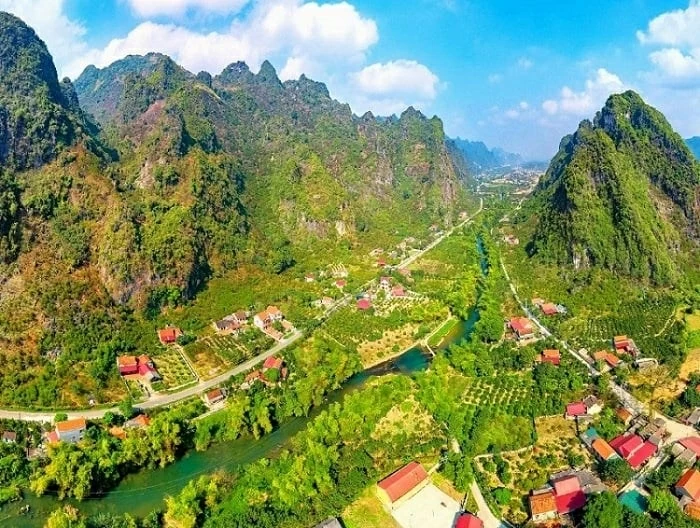 |
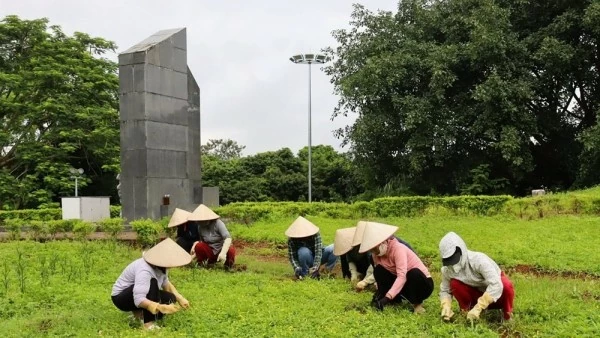
| Sustainable preservation of the Special National Monument Chi Lang Historical Site in Lang Son Province. (Photo: Van Hoa Newspaper) |
The direct planning scope for the monument area is 198.81 hectares, divided into protection zones I and II, ensuring strict preservation of the original elements of the monument.
The Chi Lang Historical Site complex is organized into five clusters. Cluster 1 includes the monuments of Thon Ba Dan, Luy Ngo The, Ba Dang Mountain, Tram Bridge, Quan Nang Temple, Kho Fortress, and Vuc Boi. Cluster 2 includes Ma Yen Mountain, Đam Field, Dinh Gate, Ky Lan Mountain, Bau Fortress, and Lan Giao. Cluster 3 includes Ma San Mountain and Phượng Hoàng Mountain. Cluster 4 includes Hao Field, Quy Mon Temple, Dong Quan Arena, Trong Fortress, Mat Quy Mountain, Luy Ai Chi Lang, and Quy Mountain. Cluster 5 includes Lang Trung Pagoda and Chon Ruot Hill.
The planning aims to fully recognize the historical, cultural, and landscape values of the site; address issues related to population, technical infrastructure, and tourism development; complete the documentation and data system for management and digital transformation; clearly define land use functions, and protect the ecological environment of the monument area and its surroundings.
The plan aims to conserve and promote the outstanding values of Chi Lang, transforming it into a site for patriotic education and fostering national pride; simultaneously, it will become a key cultural-historical tourism complex in Lang Son Province, contributing to socio-economic development and enhancing the spiritual life of local residents.
In terms of tourism development, Chi Lang will be connected with other historical, cultural sites, and scenic spots in the province, forming a diverse tourism product chain.
The main types of tourism include: experiential-historical learning tourism through the outdoor museum system and Chi Lang Museum; ecological tourism and landscape sightseeing; cultural-spiritual tourism; and integrated tourism linked to the preservation of traditional craft villages, creating an attractive destination for both domestic and international visitors.