

Ambassador Pham Quang Vinh: Vietnam’s identity on the 30-year journey of joining ASEAN
WVR - Talking with the World & Vietnam Report on the occasion of the 30th anniversary of Vietnam's accession to ASEAN (28/7/1995–28/7/2025), former Deputy Minister of Foreign Affairs and Head of Vietnam ASEAN SOM (2007–2014), Ambassador Pham Quang Vinh highlighted Vietnam’s remarkable milestones and contributions throughout three decades of close engagement with ASEAN.
Latest
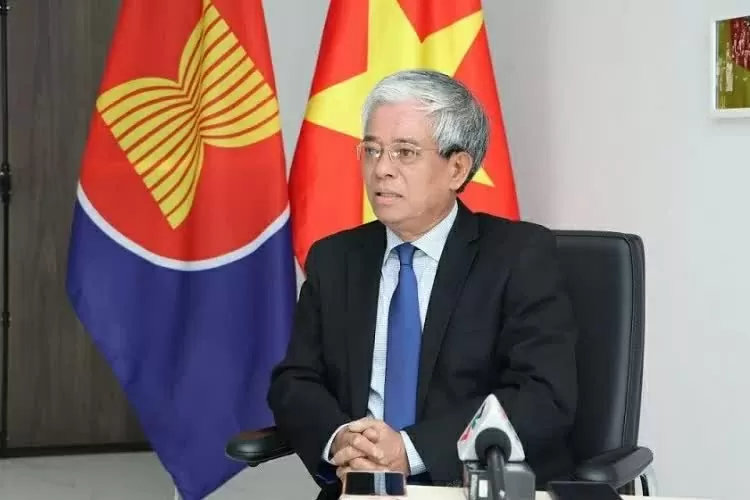 |
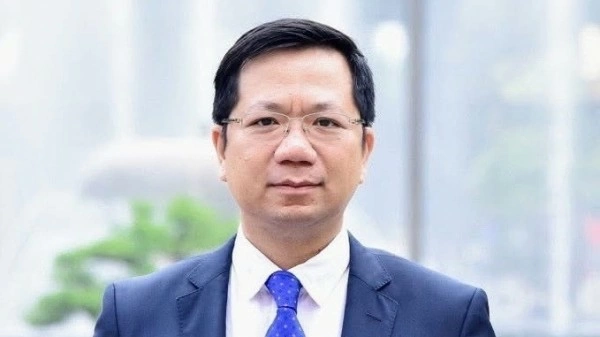
| Former Deputy Minister of Foreign Affairs, Ambassador Pham Quang Vinh. (Photo: Quang Hoa) |
Ambassador, how do you assess the significance of the 30-year milestone of Vietnam joining ASEAN?
Looking back at Vietnam’s three decades of ASEAN membership, as well as the historical context before that, several key points emerge:
First, Vietnam’s accession to ASEAN was a strategic decision—not only for Vietnam but also for ASEAN at that time. It marked the closure of a long chapter of division and confrontation in Southeast Asia, opening a new era of regional cohesion, moving toward an “ASEAN family.”
Second, Vietnam’s ASEAN journey is also intertwined with the shaping of ASEAN’s common vision: from an ASEAN of ten countries to the development of the ASEAN Community and collective advancement.
From Vietnam’s perspective, this journey can be divided into several stages:
The first stage was about becoming familiar with ASEAN and promoting integration. Shortly after joining ASEAN, Vietnam hosted the 1998 ASEAN Summit, producing the Hanoi Declaration, which was highly appreciated by regional countries. This declaration particularly emphasized the vision of narrowing the development gap between new and old member states.
This stage also witnessed Vietnam’s entry into ASEAN in 1995, followed by Laos, Myanmar, and Cambodia, completing their accession by 1999. This marked the first time ASEAN reached a full ten-member structure.
At the same time, Vietnam participated in ASEAN’s economic integration roadmap, reducing tariffs close to zero and catching up with other member states to help form a common economic space. This was when ASEAN consolidated as a group, and Vietnam familiarized itself, integrated, and gradually reached out to the world.
Vietnam’s 1995 entry into ASEAN was also its first step toward international integration, laying the groundwork for signing the Bilateral Trade Agreement with the United States in 2001 and joining the World Trade Organization (WTO) in 2006–2007.
Even in this early phase, Vietnam made notable contributions, such as hosting the 1998 Summit and chairing the ASEAN Standing Committee in 2000–2001. These efforts were recognized and appreciated by other regional countries.
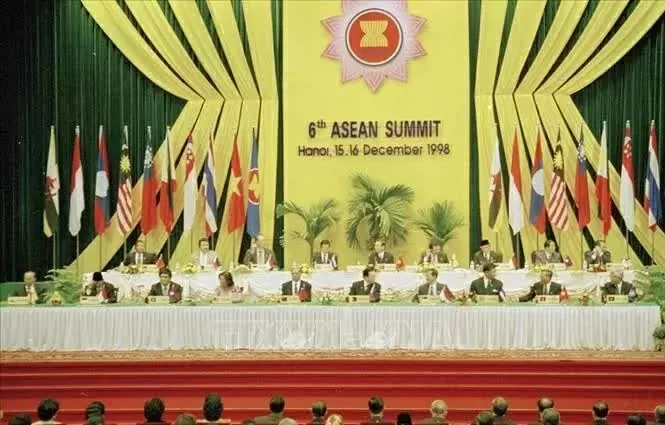 |
| Closing session of the 6th ASEAN Summit, held in Hanoi, December 1998. (Photo: WVR) |
The second stage was when Vietnam, alongside other member states, contributed to shaping and advancing ASEAN’s development amid internal growth and external changes.
Between 2007 and 2020, Vietnam worked with ASEAN to build the ASEAN Community Vision with three pillars: political-security, economic, and socio-cultural.
We also contributed to drafting the ASEAN Charter (adopted in 2007–2008 and effective from 2008). This is ASEAN’s most important legal document (prior to this, ASEAN operated based on the 1967 Bangkok Declaration).
A pivotal moment was in 2010, when Vietnam assumed the ASEAN Chairmanship for the first time under the new Charter framework. Vietnam coordinated all ASEAN operations that year, effectively launched the new institutional system, and advanced the theme “Towards the ASEAN Community: From Vision to Action.”
Another defining contribution came in 2020, when Vietnam chaired ASEAN for the second time with the theme “Cohesive and Responsive.” This was also when the COVID-19 pandemic erupted globally. Vietnam led ASEAN through this difficult period: convening emergency meetings to coordinate pandemic response; initiating the regional medical supply reserve, vaccine fund; maintaining supply chains; and planning post-pandemic recovery. We pioneered the hybrid format of virtual and in-person meetings—an ASEAN first—while still achieving significant outcomes: promoting community-building priorities, strengthening partnerships, and addressing regional challenges.
A notable example was Vietnam’s collaboration with other member states to conduct the mid-term review of the ASEAN Community Vision 2025 and to lay the foundation for the post-2025 vision, now known as the ASEAN Vision 2045.
The third stage is the current phase, amid growing global uncertainties. ASEAN is aiming higher under its 2045 Vision.
Vietnam will continue to accompany ASEAN in adapting to profound global changes, enhancing intra-bloc integration quality, promoting cooperation in new areas (science and technology, innovation, digital and green transitions), and strengthening ASEAN’s centrality and strategic autonomy to maintain its position and leverage international relations for peace and development.
In short, the significance of this 30-year milestone lies not only in its strategic vision but also in Vietnam’s continuous and increasingly profound contributions to ASEAN’s construction and growth.
In your opinion, what defines Vietnam’s unique identity in its 30-year ASEAN journey?
Vietnam’s identity in ASEAN over the past 30 years can be captured in three key words:
Solidarity: Vietnam always upholds the spirit of unity within ASEAN.
Responsibility: Vietnam consistently demonstrates responsibility in participating and promoting ASEAN’s development.
Constructiveness: Vietnam works with ASEAN to build the community, plays a central role in addressing regional issues, and actively adapts to sustain effective cooperation with external partners.
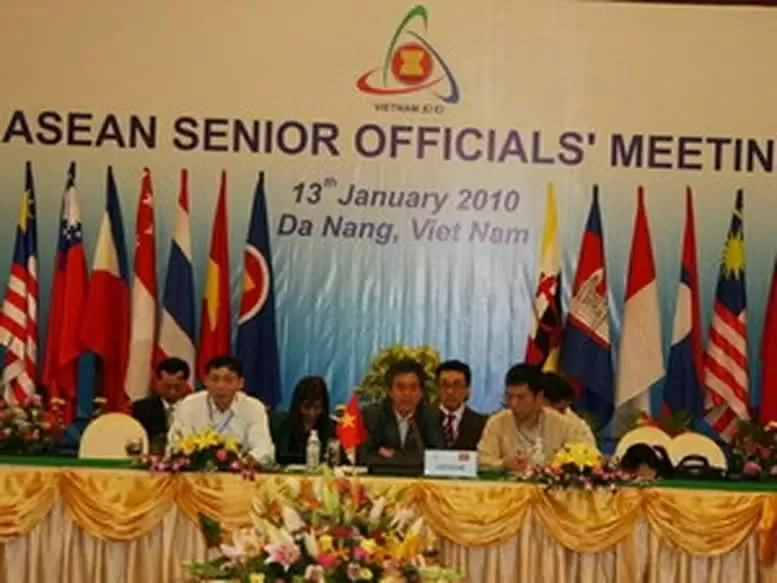 |
| ASEAN SOM Head Pham Quang Vinh (center) chairs the ASEAN Senior Officials' Meeting in Da Nang, January 2010. (Source: VNA) |
As someone who served as Head of Vietnam ASEAN SOM for seven years (2007–2014), could you share some memorable experiences and how you came to this role?
Becoming Head of ASEAN SOM was both a matter of fate and recognition -a decision by the Ministry of Foreign Affairs’ leaders for which I’m deeply grateful. In 2007, I had been working at the Ministry for 27 years, primarily in multilateral diplomacy, especially with the United Nations. Many global issues - peace, security, climate change, environment - are closely tied to the region and multilateral strategy.
That said, my appointment as ASEAN SOM Head came as a surprise, since the role was usually held by senior ministry leaders. Promoting a Deputy Director General to Director General and SOM Head was a bold move. I felt deeply honoured and aware of the enormous responsibility. I remain thankful to Deputy Prime Minister, Foreign Minister Pham Gia Khiem and Deputy Foreign Minister Le Cong Phung for their trust.
I held the ASEAN SOM Head position for about 7.5 years - a long, challenging, but rewarding period. I was especially fortunate, as 2007–2014 was a dynamic time of institutional, strategic, and diplomatic transformation for ASEAN. This was when Vietnam transitioned from merely “familiarizing” with ASEAN to fully integrating and helping shape its new vision and direction.
As I mentioned earlier, 2007–2010 was a crucial period when the ASEAN Charter was developed. I participated directly in the High-Level Task Force for drafting the Charter. We also crafted three Blueprints for the political-security, economic, and socio-cultural pillars; developed the Master Plan on ASEAN Connectivity; and notably in 2010, when Vietnam chaired ASEAN, we launched the Charter’s new institutional apparatus into full operation.
That same period saw major strategic issues arise - particularly in relations with major powers or emerging regional complexities. ASEAN needed to handle these with unity and diplomacy, while also expanding external partnerships. A highlight was Vietnam’s hosting of the 2010 East Asia Summit (EAS), which included all major powers and ASEAN’s key partners.
In short, I was not only fortunate to be trusted by the Ministry’s leaders, but also to serve during a time when ASEAN underwent major shifts in institution, vision, and external relations. It was a most memorable and meaningful chapter of my diplomatic career.
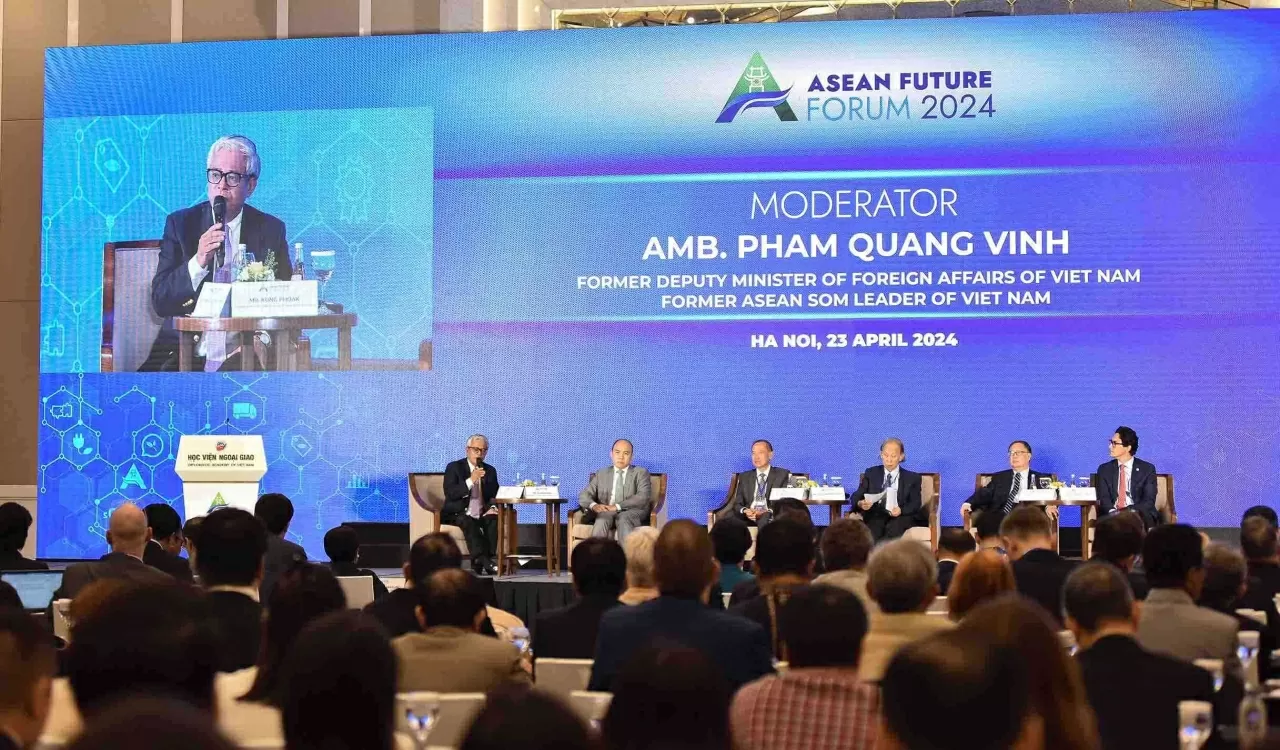 |
| Ambassador Pham Quang Vinh chaired the second plenary session of the ASEAN Future Forum 2024 with the theme "Ensuring comprehensive security for a people-centered community", April 2024. (Photo: Nguyen Hong) |
Amid global and regional challenges, what are your expectations for Vietnam’s role in ASEAN in the future?
The world today is undergoing profound changes, and the region is transforming rapidly. Though ASEAN has affirmed its role and earned recognition from the region and beyond, there is still much to do.
In this evolving context, ASEAN remains the region’s only organization that not only connects all 10 (soon 11) Southeast Asian countries but also serves as the central hub linking with key partners such as China, the US, Japan, Republic of Korea, the EU, Australia, and India.
Over the past 50+ years, ASEAN has operated effectively, gaining high esteem and becoming a normative voice in regional affairs. When ASEAN speaks out on regional matters, it garners support not only from within but also from major global powers. The growing list of countries seeking observer or partner status -from sectoral to comprehensive -proves ASEAN’s influence and credibility.
Beyond connectivity, ASEAN also maintains key dialogue and cooperation mechanisms with its partners, including ASEAN+1, ASEAN+3, East Asia Summit (ASEAN+8), the ASEAN Defence Ministers’ Meeting Plus (ADMM+), and the ASEAN Regional Forum (ARF).
However, many challenges remain. Geopolitically, great power competition is intensifying. ASEAN must engage major powers while avoiding entanglement in rivalry, preserving regional peace and stability.
Economically, the global economy faces turbulence with rising protectionism, weakening globalization, disrupted supply chains due to both objective (pandemic) and subjective (strategic competition, crises) factors. ASEAN must sustain resilient supply chains and continue effective cooperation with partners.
In science and technology, the world is entering a breakthrough phase. Without timely adaptation, ASEAN risks falling behind. Therefore, ASEAN must leverage innovation, digital transformation, and green transition to match the world’s new growth models.
In this context, ASEAN must mobilize support from major powers through principled engagement, strengthen strategic autonomy, champion multilateralism and international law, and enhance economic cooperation while building its own Economic Community’s internal strength. It must also harness technology and innovation for transformative growth.
For regional issues such as Myanmar, Cambodia - Thailand, the East Sea, etc, ASEAN must continue to emphasize dialogue, avoid escalation, and resolve disputes peacefully in accordance with international law principles.
In short, ASEAN today enjoys a respected global status but faces even higher expectations for future development.
The ASEAN Vision 2045 lays out new directions for ASEAN’s growth. I firmly believe Vietnam—committed to higher-quality, more sustainable development and aiming for a new era—will continue to contribute to Vietnam’s unique identity in ASEAN. That means promoting ASEAN’s solidarity and central role, acting responsibly in all fields from politics to economics and security, addressing shared challenges, and helping ASEAN take new steps and shape new visions for even greater regional progress.
Thank you very much, Ambassador!