

80 years of National Day: Culture in positioning national image
WVR - Culture has become a pillar in building a nation's position and strength, the soul of modern diplomacy, bridging Vietnam with the world through emotions, empathy, and admiration...
Latest
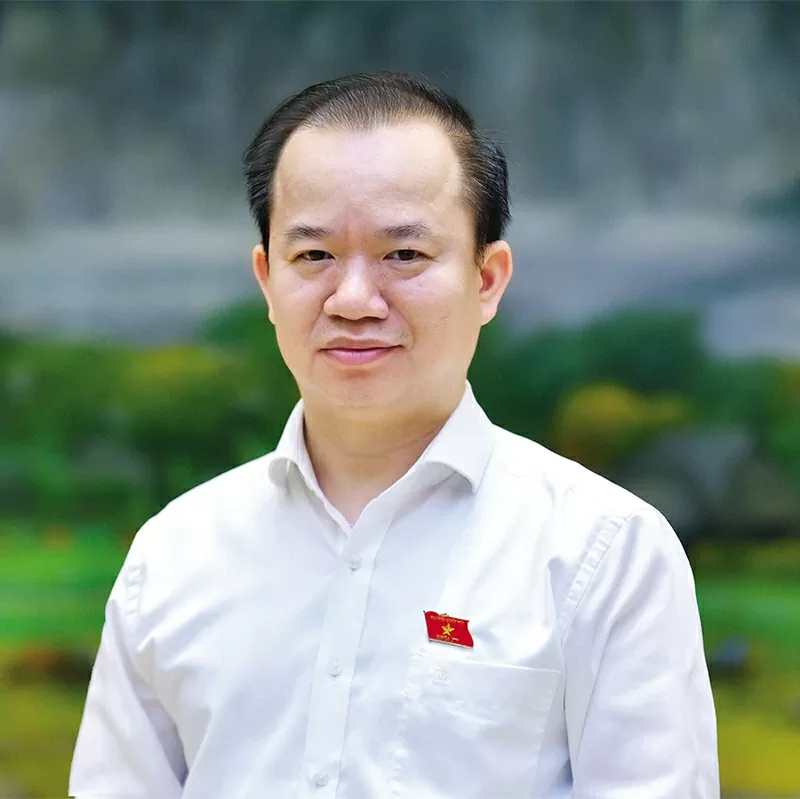 |
| National Assembly Deputy Bùi Hoài Sơn stated that developing a comprehensive, long-term, and visionary cultural diplomacy strategy is an urgent requirement. (Source: Quochoi) |
Developing a Comprehensive, Long-term for cultural diplomacy strategy
Entering a new era of global connectivity, digital transformation, artificial intelligence, and increasingly intense competition in values, Vietnam’s cultural diplomacy faces both tremendous opportunities and formidable challenges. Integration is no longer confined to trade agreements or diplomatic visits; it has become a continuous flow of images, voices and identities.
Within this flow, soft power is no longer optional but a prerequisite for positioning a nation. Culture, as an inseparable part of modern diplomacy, is expected to become the “new frontier” of Vietnam’s influence on the world stage.
We now live in a world where power is measured not only by weapons or GDP size but also by influence on the global mindset. A dish trending on social media, a song going viral on digital platforms, an award-winning film, or a successfully staged festival - all can enhance a country’s reputation and image.
In this environment, every nation is not only a political actor but also a “brand” competing in emotions, appeal, and trust-building. For Vietnam - with its rich culture, profound history, and humanistic spirit - this is an unprecedented opportunity to assert its position through a soft yet resilient path.
However, opportunities come with challenges. Globalisation and digital technology open new spaces for culture, but they also increase risks of assimilation, dilution, or even having the national image “defined by others” through inaccurate external perspectives. Many countries have paid dearly for neglecting the cultural front in foreign policy, losing their identity or fading amidst the noise of international media. This is a warning for Vietnam: if we do not proactively shape and tell our own story, others will, and their version may not be accurate.
For this reason, developing a well-structured, long-term, and visionary cultural diplomacy strategy has become an urgent requirement. Beyond ceremonial events or artistic exchanges, cultural diplomacy must be treated as a national policy, with institutions, resources, databases, professional personnel, and global vision. Vietnam can learn from successful international models: France with its worldwide French Institutes, South Korea with the Hallyu strategy, Japan with Cool Japan, or China with its network of Confucius Institutes, to build a Vietnamese soft power ecosystem.
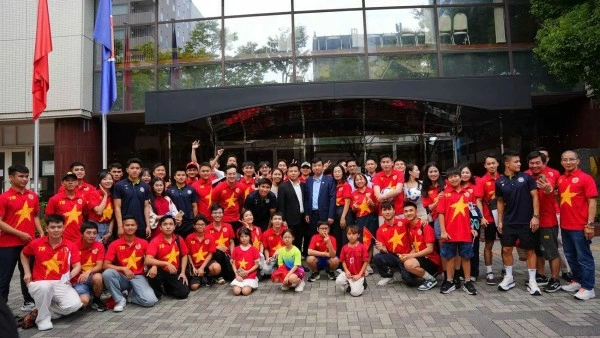
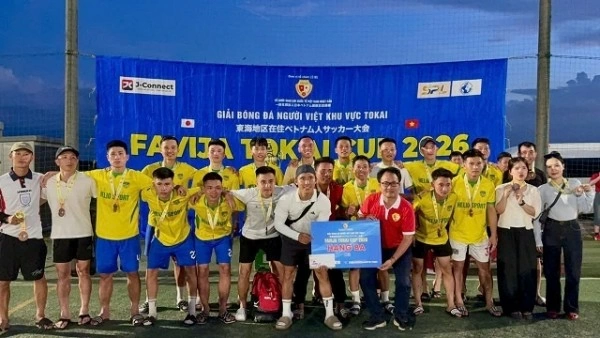
Most importantly, cultural strength must radiate from within. Each citizen should become a cultural ambassador, every organisation a platform of outreach, and every locality a “recognition card” of the nation. Promotion activities must stay rooted in everyday life, empowering creativity within communities and harnessing the roles of overseas Vietnamese, artists, entrepreneurs, intellectuals, and youth - those who directly shape Vietnam’s image in the eyes of global friends. This is not only the responsibility of the State, but of the entire nation in a deeper, more confident integration journey.
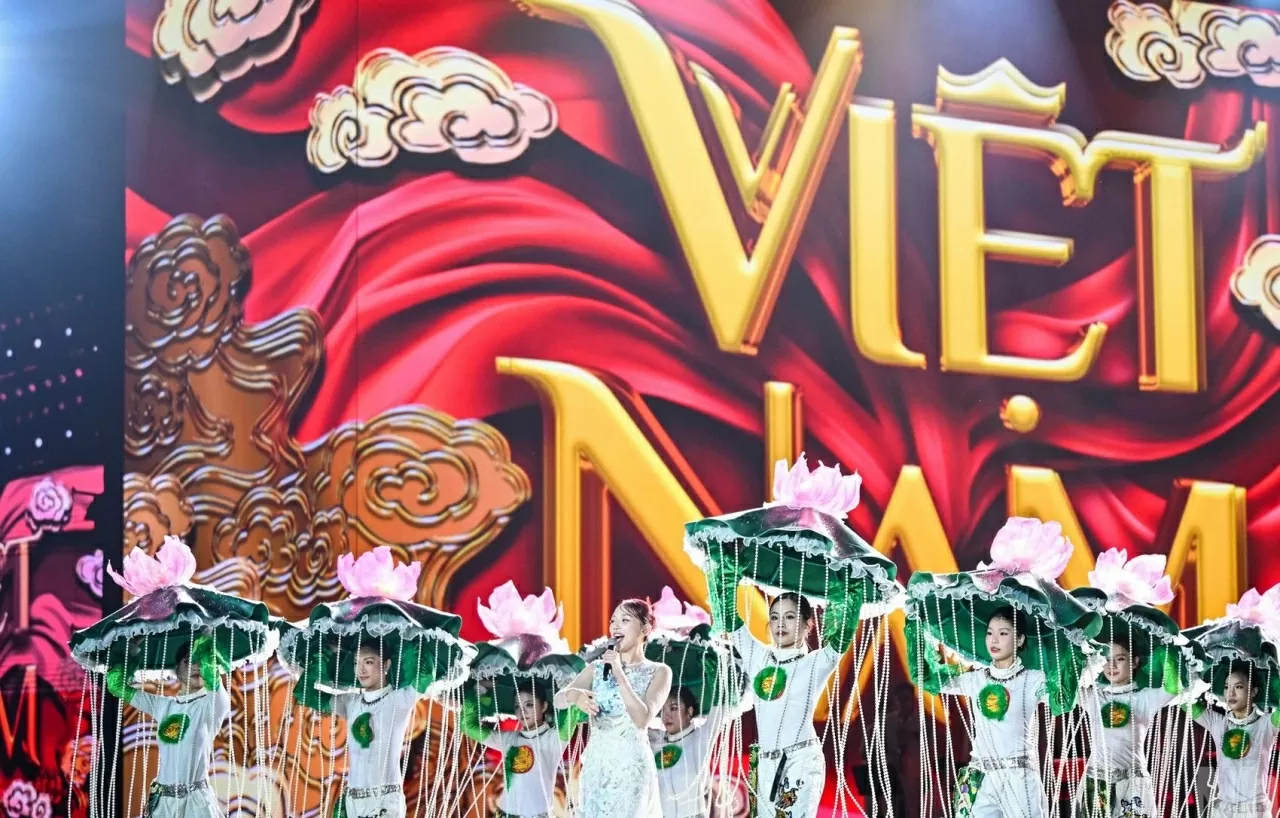 |
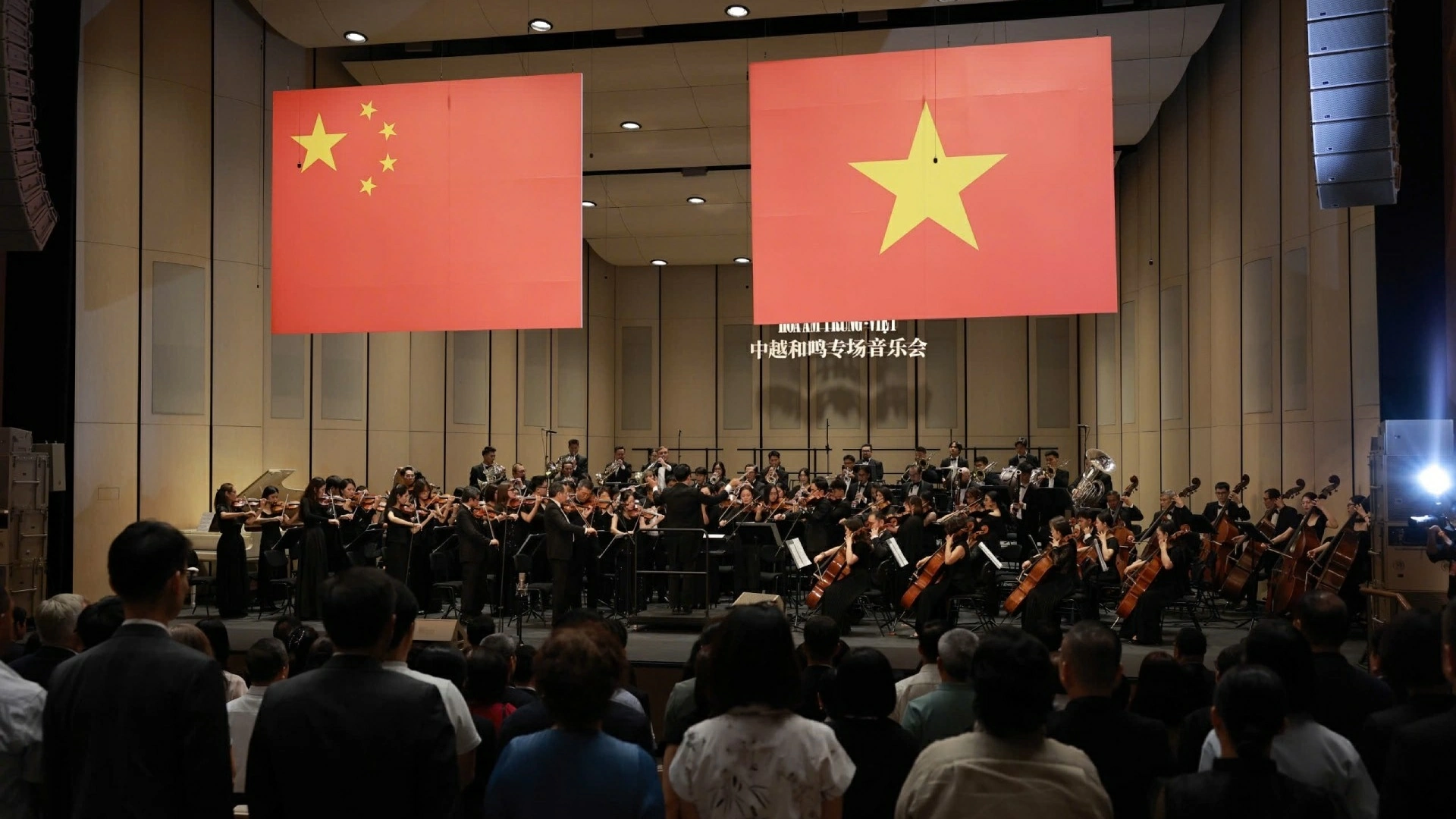
| The national concert “To Quoc Trong Tim” (Fatherland in the Heart) left an unforgettable impression on the audience. (Photo: Thanh Dat) |
To secure these efforts institutionally, Vietnam now needs to its legal framework on cultural diplomacy. Key policies such as Resolution 36-NQ/TW on overseas Vietnamese affairs, Directive 25-CT/TW on strengthening multilateral diplomacy, and Resolution 59-NQ/TW on comprehensive international integration are vital steps in institutionalising the role of culture in foreign policy. At the same time, promoting cultural industries - cinema, music, fashion, tourism, design - will provide both economic benefits and soft tools for diplomacy and national branding.
Integration without assimilation is not just a slogan but a principle of action. Vietnam does not aspire to be a “pleasant replica” in the eyes of the world, but to affirm itself through unique values: resilient yet compassionate, creative yet graceful, friendly yet profound. In today’s world, where power lies less in command and more in inspiration, culture is the shortest path for Vietnam to go the farthest.
Soft power - A new source of strength and influence
Eighty years after the August Revolution and the historic National Day of 2 September, we reflect on the nation’s journey with pride not only in independence and sovereignty but also in a rising source of strength: soft power, distilled from culture, rooted in history and projected through the spirit of a people confident of their identity in global integration.
This strength is not ostentatious but enduring, not loud but profound, not coercive but persuasive. It is power that flows not from weapons but from symbols, values, images, and emotions that Vietnam plants in the hearts of international friends.
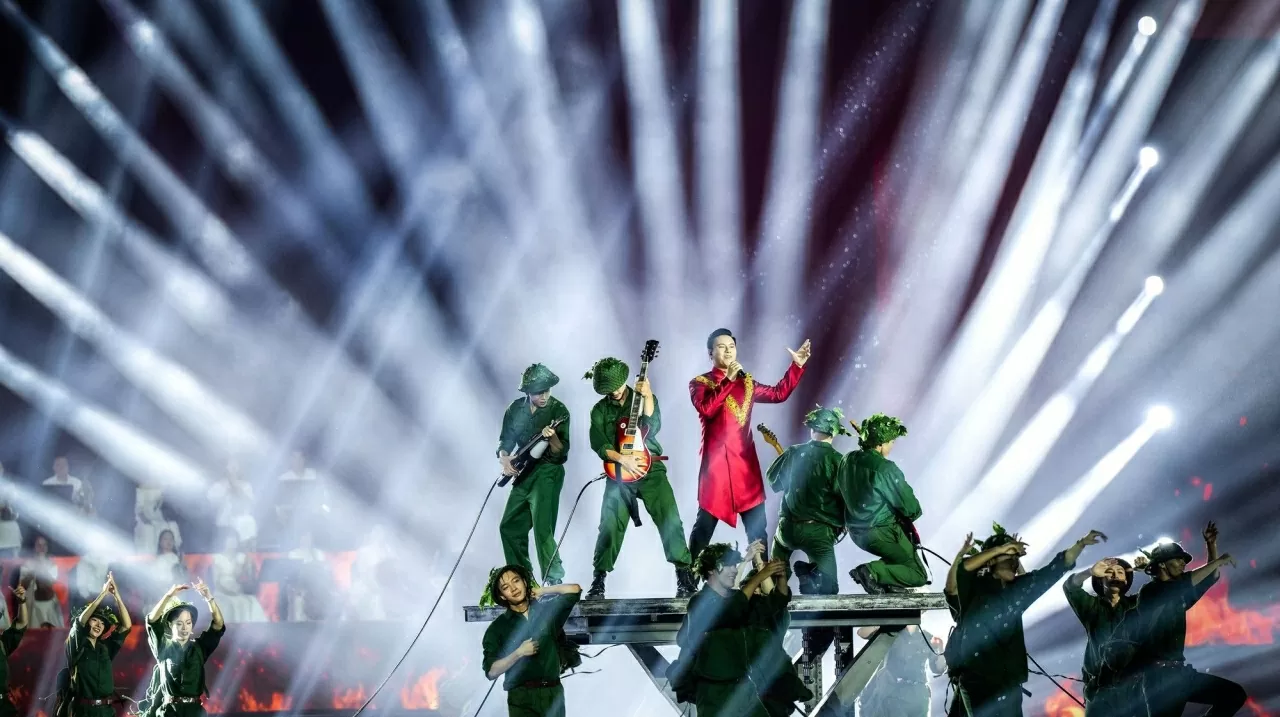 |
| One of the standout performances at the national concert “To Quoc Trong Tim”. (Photo: Thanh Dat) |
On this path, culture is no longer a secondary element but a pillar in building national position and capacity - the soul of modern diplomacy, connecting Vietnam with the world through emotion, empathy and admiration.
Culture enables Vietnam not only to be present but to be cherished; not only to appear but to leave a mark; not only to follow but to contribute to shaping shared human values. When an ao dai graces an international stage, when a folk song remixed resonates across digital platforms, when a Vietnamese film wins at Cannes, or when a traditional dish delights global diners - these are quiet yet lasting milestones in defining national image.
In today’s context, where competition extends beyond economic market share to the “share of hearts and minds”, investing in soft power, cultural diplomacy, and creative industries is not the task of the cultural or diplomatic sector alone. It is a national strategy requiring engagement of the entire political system, society, and every citizen.
This calls for long-term vision, coherent institutions, an education system that nurtures identity, an open creative environment, and a robust media capable of telling Vietnamese stories that are both modern and deeply rooted in tradition. It also requires empowering youth, the overseas community, artists, scholars and entrepreneurs - those who can take Vietnam further with their talent and passion.
Above all, there must be a consistent conviction: culture is the foundation, the goal, the driver and the very source of national soft power. President Ho Chi Minh once reminded us that to save and defend the nation, one must first harness cultural strength. In today’s era, to ensure rapid and sustainable development, to safeguard the homeland early and from afar through peaceful means, enhancing soft power from culture is a strategic long-term path.
Vietnam now stands firmly on the international stage as a reliable partner, a responsible nation, a dynamic economy and a culture rich in identity. Every Vietnamese today has the right - and the duty - to hope and to act, so that Vietnamese culture reaches further, deeper and more sustainably.
Culture will continue to light the nation’s path, not only within but also in its journey of integration and outreach, ensuring that Vietnam is not only strong in potential but profound in influence, not only prosperous in economy but also radiant in identity.