

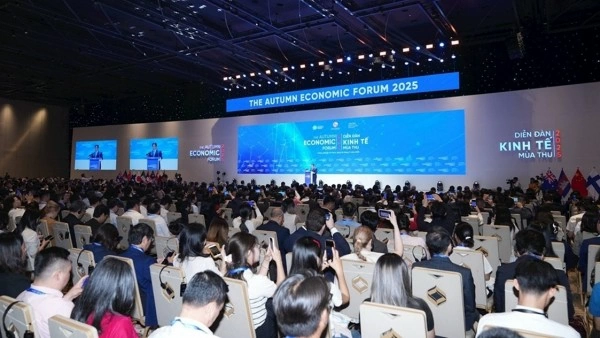


Deputy Foreign Minister Ngo Le Van highlights cultural diplomacy and Vietnam’s aspiration to rise
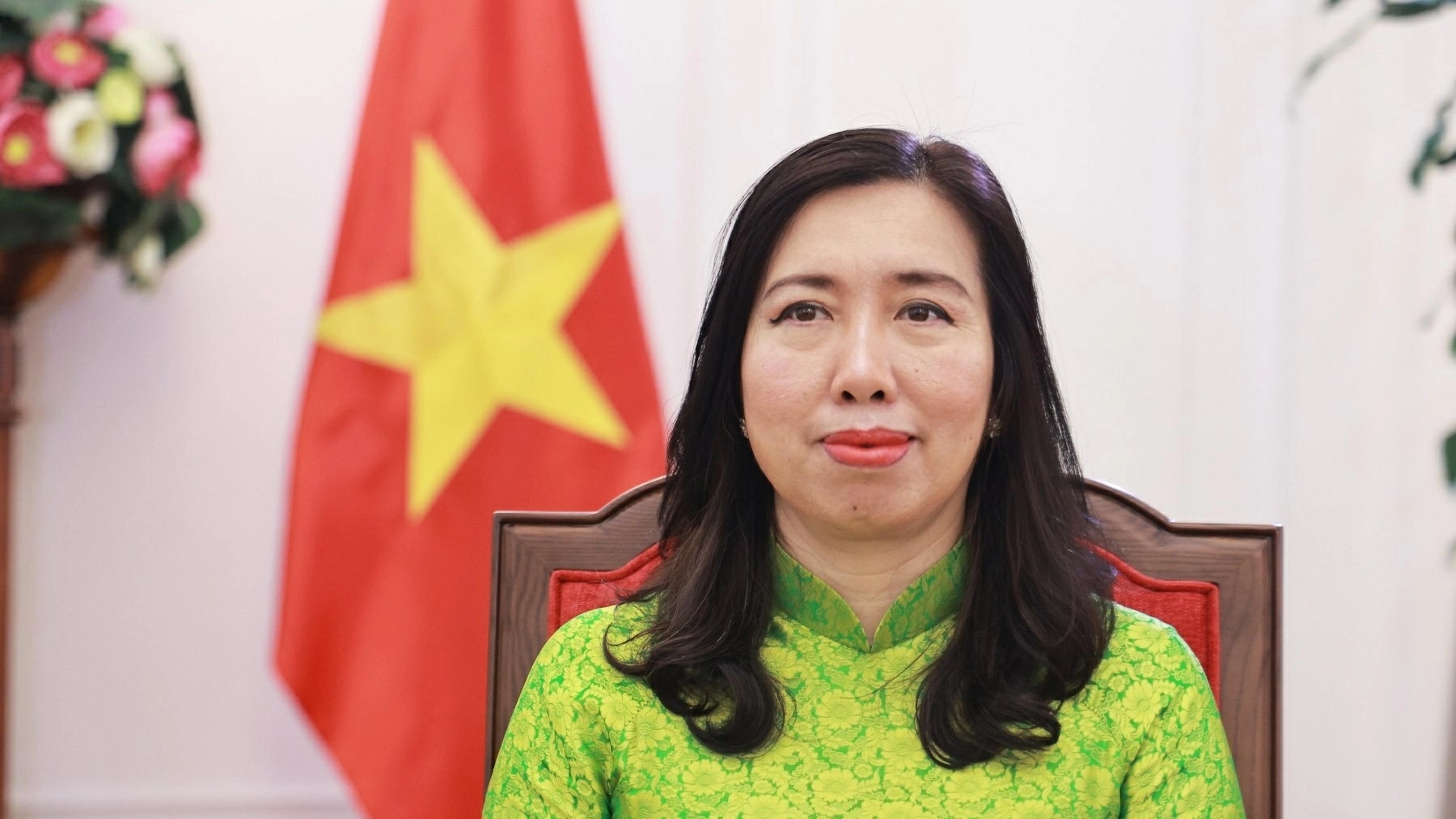
WVR - In an interview with The World and Vietnam Report on the occasion of the Lunar New Year Binh Ngo, Deputy Minister of Foreign Affairs Ngo Le Van, Chairman of the Vietnam National Commission for UNESCO, said that in the era of aspiration to rise and deep integration, cultural diplomacy is not merely an option but a strategic requirement, a historical mission for the nation to confidently step into a new phase of development.
Latest
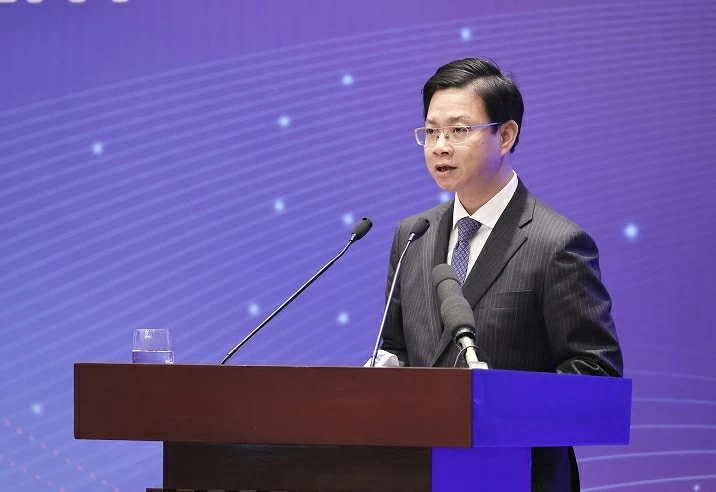 |
| Deputy Minister of Foreign Affairs Ngo Le Van, Chairman of the Vietnam National Commission for UNESCO. (Photo: An Dang) |
Looking back over the past year, what do you consider the most outstanding achievements of cultural diplomacy, especially in promoting the image of the nation, its people, and Vietnamese cultural values to the world amid increasing integration?
Cultural diplomacy is a crucial component of Vietnam's comprehensive and modern diplomacy, contributing to building the foundation of soft power, spreading the nation's image globally, and strengthening trust between Vietnam and friends across five continents.
Reflecting on five years of implementing the Cultural Diplomacy Strategy to 2030, issued by the Prime Minister, it can be said that cultural diplomacy has become a task for the entire political system, systematically deployed, widespread, rich in content, diverse in form, with a focus on depth and quality.
Notably, 2025 marked significant milestones in the qualitative development of cultural diplomacy, contributing to the effective implementation of foreign policy, including high-level diplomacy, becoming an important pillar in enhancing the nation's soft power in the new era.
Cultural diplomacy has become a significant factor, creating profound highlights in the activities of our Party and State leaders visiting other countries and foreign leaders visiting Vietnam, contributing to strengthening political trust and friendly sentiments with partners.
The image of Party and State leaders introducing Vietnamese tea, attending concerts, strolling streets, having breakfast, and drinking coffee with influential international leaders and businessmen has demonstrated cultural depth, creating beautiful and profound impressions on our people and international friends.
The values, thoughts, perspectives on humanity, and the progressive and noble world of the Vietnamese nation are spread through the image and ideological values of President Ho Chi Minh and other UNESCO-honored figures.
Through thousands of events, programs, and cultural diplomacy activities conducted domestically and internationally, from central to local levels, culture is not only introduced as an intrinsic value but also becomes an effective bridge to present a dynamic, creative, friendly, and trustworthy Vietnam to international friends, promoting understanding and long-term cooperation between Vietnam and its partners, acting as a "glue" connecting Vietnamese people at home and abroad, creating the strength of national solidarity in the era of deep integration.
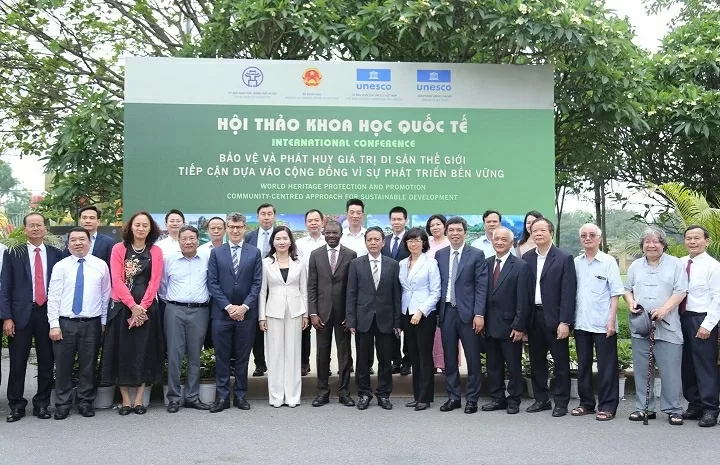 |
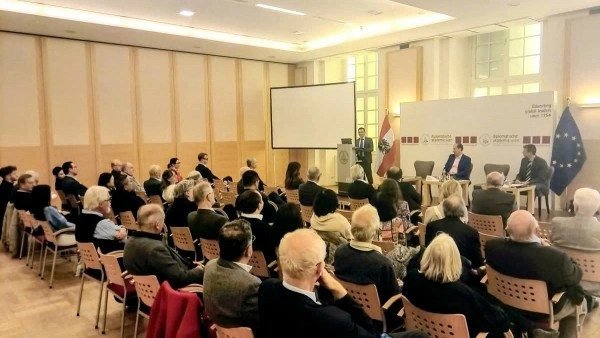
| Delegates at the international scientific conference "Protecting and Promoting World Heritage Values: Community-based Approaches for Sustainable Development" at the Thang Long Imperial Citadel World Heritage Site - Hanoi, May 21, 2025. (Photo: Thanh Long) |
This year also marked historical milestones in Vietnam's multilateral cultural diplomacy at UNESCO. For the first time in history, with the trust of being re-elected as Vice President of the UNESCO General Assembly and a member of the Intergovernmental Committee of the 2005 Convention on the Protection and Promotion of the Diversity of Cultural Expressions, Vietnam continues to simultaneously hold roles in six key governing mechanisms of UNESCO, affirming international trust and support for our ability to contribute and manage in global multilateral institutions.
One of the special highlights is Vietnam's pioneering proposal of the "International Decade for Culture for Sustainable Development" initiative, with the participation of 163 countries, approved by UNESCO to be submitted to the United Nations, demonstrating long-term vision and the role of an active, responsible member contributing to global thinking on culture and development.
The work of advocating, preserving, and promoting heritage and international titles has become a prominent highlight, affirming culture as a resource for development, contributing to enhancing national status, and spreading Vietnamese cultural values to the world.
In 2025 alone, Vietnam successfully promoted UNESCO to recognize an additional seven new titles, bringing the total number of Vietnam's UNESCO-recognized titles to 77 across 34 provinces and cities, far exceeding the set target of 60 titles by 2030. The heritage and titles recognized by UNESCO serve as resources to promote local socio-economic development, brand positioning, sustainable tourism development, and livelihood creation for communities.
Amidst the strong global digital transformation, cultural diplomacy leverages digital platforms and new technologies to expand access and spread cultural values, bringing Vietnamese culture closer to the international public, especially the younger generation.
The 14th National Party Congress identified culture as the spiritual foundation of society, both a goal and a driving force for development. Resolution No. 80-NQ/TW of the Politburo on developing Vietnamese culture sets the requirement to build and spread the soft power of Vietnamese culture. How will these perspectives be concretized in Vietnam's Cultural Diplomacy Strategy and practice in the coming time, Deputy Minister?
Our country is entering a new era, the era of the nation's aspiration to rise. Vietnamese diplomacy in general, and cultural diplomacy in particular, are facing a historical mission, requiring a shift commensurate with the strategic stature of the new era; promoting the "pioneering" role and "key and regular" task of foreign affairs, developing foreign affairs in the new era, commensurate with the historical, cultural, and national stature, contributing to building and developing an advanced Vietnamese culture rich in national identity, synchronized on the foundation of national values, cultural values, family values, and Vietnamese human standards, developing human resources, making culture truly the spiritual foundation, intrinsic strength, and a great driving force for rapid, sustainable national development, creating favorable conditions for successfully achieving development goals, contributing to the nation entering an era of prosperous development.
Firstly, strongly innovate thinking, achieve high unity in awareness and action regarding the role of cultural diplomacy; thoroughly grasp and effectively implement the orientations identified in the 14th Party Congress Documents, Resolution No. 59-NQ/TW on international integration in the new situation, and Resolution No. 80-NQ/TW on developing Vietnamese culture, closely following the spirit of General Secretary To Lam's directive on skillfully combining culture with diplomacy, culture in diplomacy, making each foreign activity not only have profound cultural content but also become a cultural activity; culture as both a means, a principle, and a goal of foreign affairs, continuously elevating national soft power to new heights.
Secondly, innovate content and form, have breakthrough initiatives to implement cultural diplomacy with focus and emphasis, creating imprints and spreading. Cultural diplomacy should continue to be a key component in high-level diplomatic activities; provide practical support for the development of cultural industries and the creative economy, building the national brand; serve heritage economy development, using heritage values as a resource for development; while strengthening connections with overseas Vietnamese affairs and people-to-people exchanges. Cultural diplomacy not only promotes the image but also awakens and connects the intrinsic strength of the nation - from heritage, art, cuisine, language, to the spiritual, intellectual, and benevolent values of the Vietnamese people.
Thirdly, proactively integrate internationally on culture, absorb the essence of human culture, enhance the quality of cultural enjoyment for the people; contribute to building the national brand, elevating and consolidating the country's soft power, promoting and spreading the image, identity, and values of Vietnam, enriching human civilization; proving a nation with cultural courage, preserving tradition in the modern flow, capable of contributing to the treasure of human heritage and civilization.
Fourthly, along with content and implementation methods, communication work needs to be strengthened, linked with digital transformation and the application of science and technology, effectively leveraging resources for cultural diplomacy. Building and effectively implementing a communication strategy to promote Vietnam's image, telling the story of Vietnam's renewal and development, a nation rich in cultural identity, rich in humanity, and positively contributing to the flow of human civilization, is particularly important in the current context.
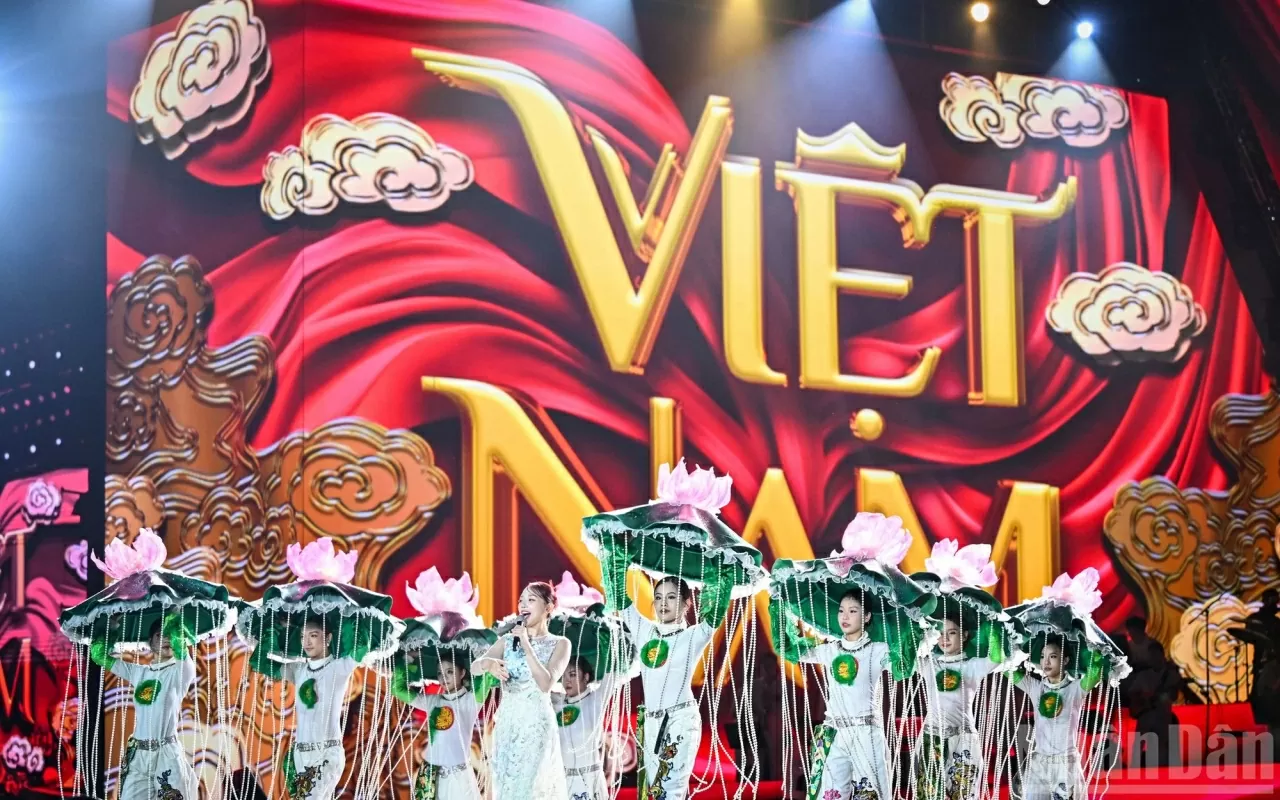 |
| In October 2025, the national concert "Homeland in the Heart" left unforgettable impressions on the audience. (Source: Nhan Dan Newspaper) |
Finally, focus on developing human resources to meet the requirements of cultural diplomacy in the new phase, from central to local levels, especially at Vietnamese representative agencies abroad. At the same time, increase the dissemination of knowledge and raise social awareness to promote the role of every Vietnamese as a "cultural ambassador", jointly spreading the image of the country and people of Vietnam to the world.
Thus, in the new era, the era of aspiration to rise and deep integration, cultural diplomacy is not merely an option but a strategic requirement, a historical mission for our nation to confidently step into a new phase of development – prosperous in economy, rich in culture, serving the practical interests of the people, enhancing national soft power, elevating Vietnam's role and position in world politics, the global economy, and human civilization.
Thank you, Deputy Minister!