

80 years of National Day: A vivid narration the national story
WVR - Following the success of the April 30th Grand Celebration, the program commemorating the 80th anniversary of the August Revolution and National Day in Hanoi is expected to create a powerful impact, offering numerous opportunities to share the image of Vietnam and its national spirit with friends around the world.
Latest
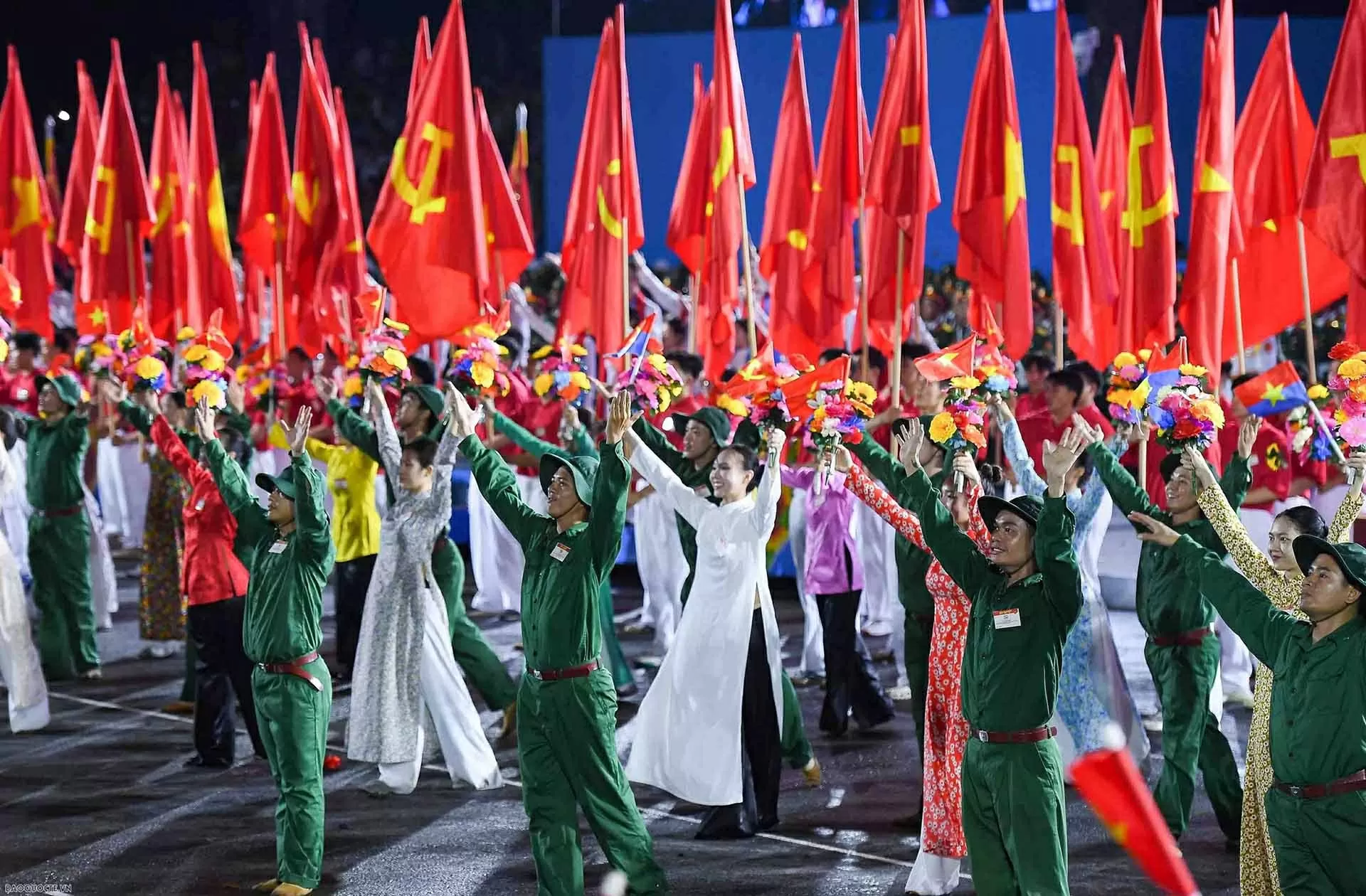 |
| The parade commemorating the 50th anniversary of the Liberation of the South and national reunification. (Photo: Nguyễn Hồng) |
In the context of deepening globalisation, a nation’s image is no longer an abstract concept but a strategic asset that requires professional management. Communication surrounding major national events has emerged as an effective tool in building a strong country brand.
Unlike destination or city marketing, a national branding strategy encompasses the overall image of a country - from politics and economy to culture and people. Within this framework, large-scale international events serve as powerful “communication launchpads”, bringing nations closer to the global public.
Worldwide, events such as the Olympic Games, high-level summits, and world expos are not only venues for exchange but also stages for countries to showcase their values, identity, organisational capacity and role in the international community. Global presence through these events accelerates the creation of a positive image, rather than waiting for the gradual impact of long-term campaigns. In the digital age, information spreads instantly, allowing events to transcend geographical boundaries and reach millions worldwide.
To maximise coverage, a comprehensive PR (public relations) and communication strategy is essential, deploying multiple channels simultaneously. Inviting international journalists and correspondents from leading news agencies ensures a constant and in-depth flow of information. Global television networks can provide live broadcasts, delivering event images and messages directly to millions of viewers. Social media further amplifies reach, enabling instant updates and interactive engagement with global audiences. Partnerships with international media outlets and key opinion leaders (KOLs) help broaden influence, while the event’s official website serves as a central hub for authoritative, timely, and consistent content.
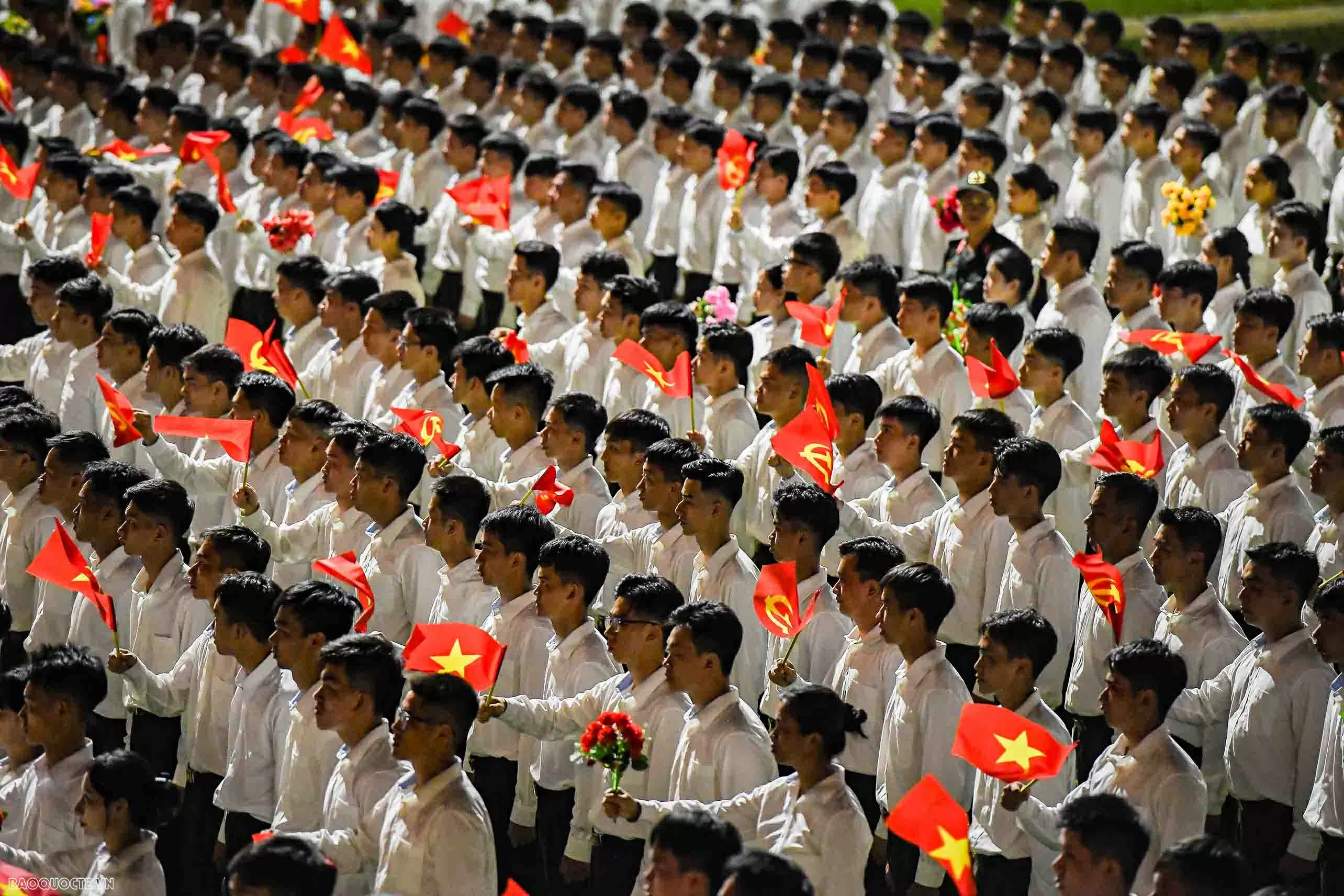 |
| A rehearsal scene at Ba Dinh Square, Hanoi. (Photo: Nguyen Hong) |
Core messages embedded in the overall design and execution of the event increase communication effectiveness. For Vietnam’s two grand celebrations this year, values such as peace, stability, sustainable development, and cultural identity have been consistently emphasised. The image of Vietnam as a “nation of peace” and a “successful post-war development model” is conveyed not only through declarations but through every organisational detail. This “show, don’t just tell” approach enhances credibility and resonates emotionally with global audiences.
Special events also present golden opportunities to promote the nation’s image, people, and development potential. Through global media exposure, cultural traditions, cuisine and natural landscapes are introduced effectively and authentically. At the same time, such events serve as important platforms for boosting economic cooperation and attracting foreign investment through major agreements, reinforcing investor confidence in political stability and economic growth. Harnessing the positive national image generated by these events becomes an invaluable asset for long-term nation branding.
Sustaining and amplifying the momentum after the event is equally vital for building a lasting national brand. This requires continuous engagement across diverse platforms, including tourism promotion campaigns, cultural diplomacy initiatives, and digital media channels.
Special-event PR is therefore not a standalone communication activity but a key component of a comprehensive national strategy, demanding close coordination among state agencies, businesses, the media and the international community. In the era of soft diplomacy, the nations that succeed are those that can tell their story persuasively and consistently, winning the hearts of the global public.