


40 years of Doi Moi: The transformative journey of Vietnamese cinema
WVR - The 40 years of Doi Moi have not only transformed the socio-economic landscape of the country but also initiated a vigorous renewal journey for Vietnamese cinema.
Latest
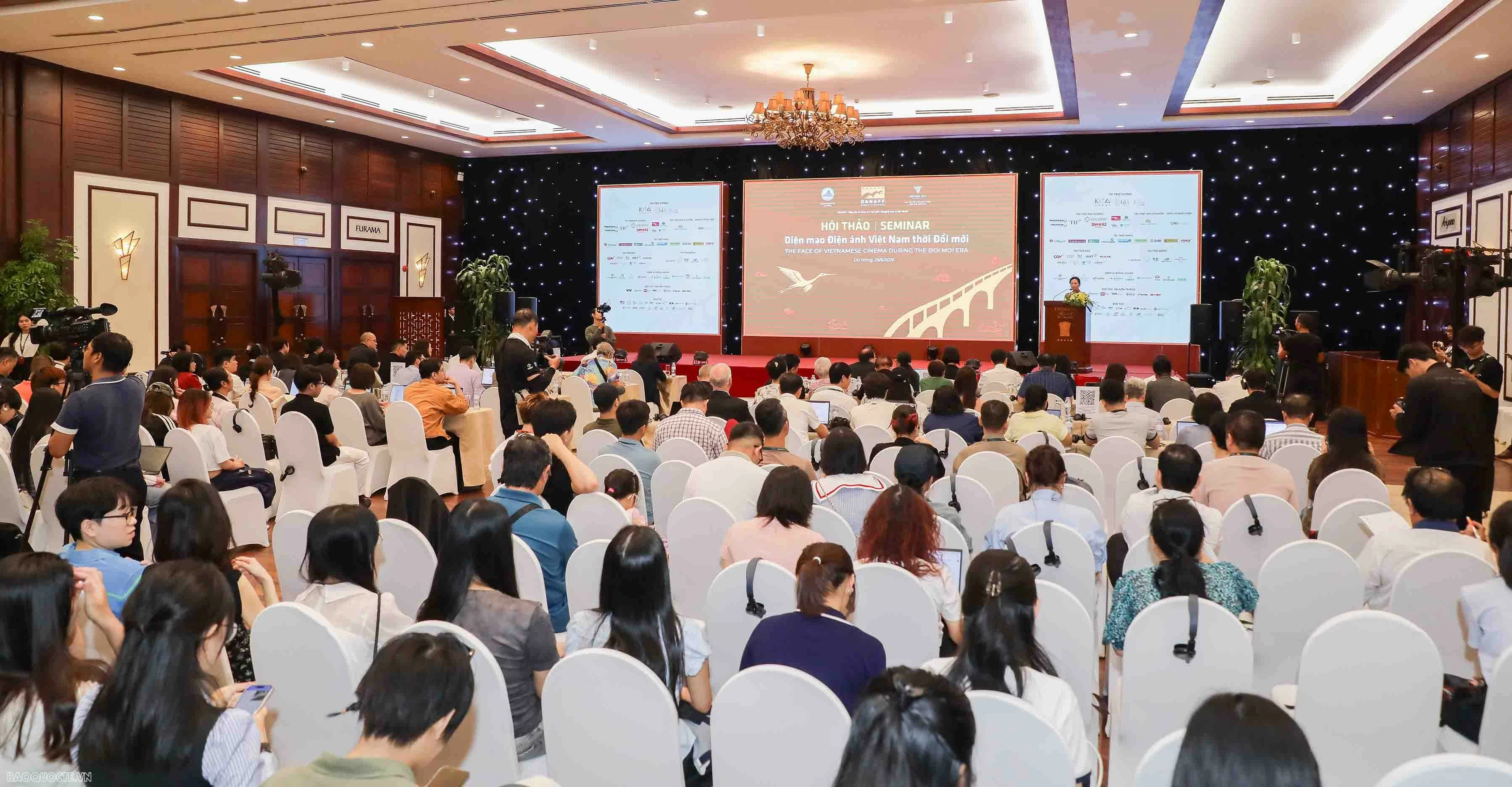 |
| The seminar The Face of Vietnamese Cinema in the Doi Moi Era not only revisits the significant movements of Vietnamese cinema since the Doi Moi reforms in 1986 but also opens a forum for discussion on opportunities, challenges, and development directions for cinema in the context of international integration. (Photo: Kha Ninh) |
This journey is revisited from multiple perspectives at the seminar The Face of Vietnamese Cinema in the Doi Moi Era, held on the afternoon of June 29 as part of the 4th Da Nang Asian Film Festival (DANAFF IV).
Gathering managers, researchers, directors, producers, cinema artists, and experts from both domestic and international spheres, the seminar not only revisits the significant movements of Vietnamese cinema since the Doi Moi reforms in 1986 but also opens a forum for discussion on opportunities, challenges, and development directions for cinema in the context of international integration and the dynamic transformation of the audiovisual industry.
In her keynote speech at the seminar, Dr. Ngo Phuong Lan, President of the Vietnam Association for the Promotion and Development of Cinema, and Director of DANAFF, stated that the 40-year journey of Doi Moi in Vietnam can be narrated in many ways, but cinema is one of the most vivid storytellers.
According to Ngo Phuong Lan, in each developmental phase of the country, cinema has always preserved the imprints of the era, from changes in social life, shifts in thinking to the aspirations of individuals and the nation. Therefore, looking back at cinema during the Doi Moi era is also reflecting on a part of the country's development journey.
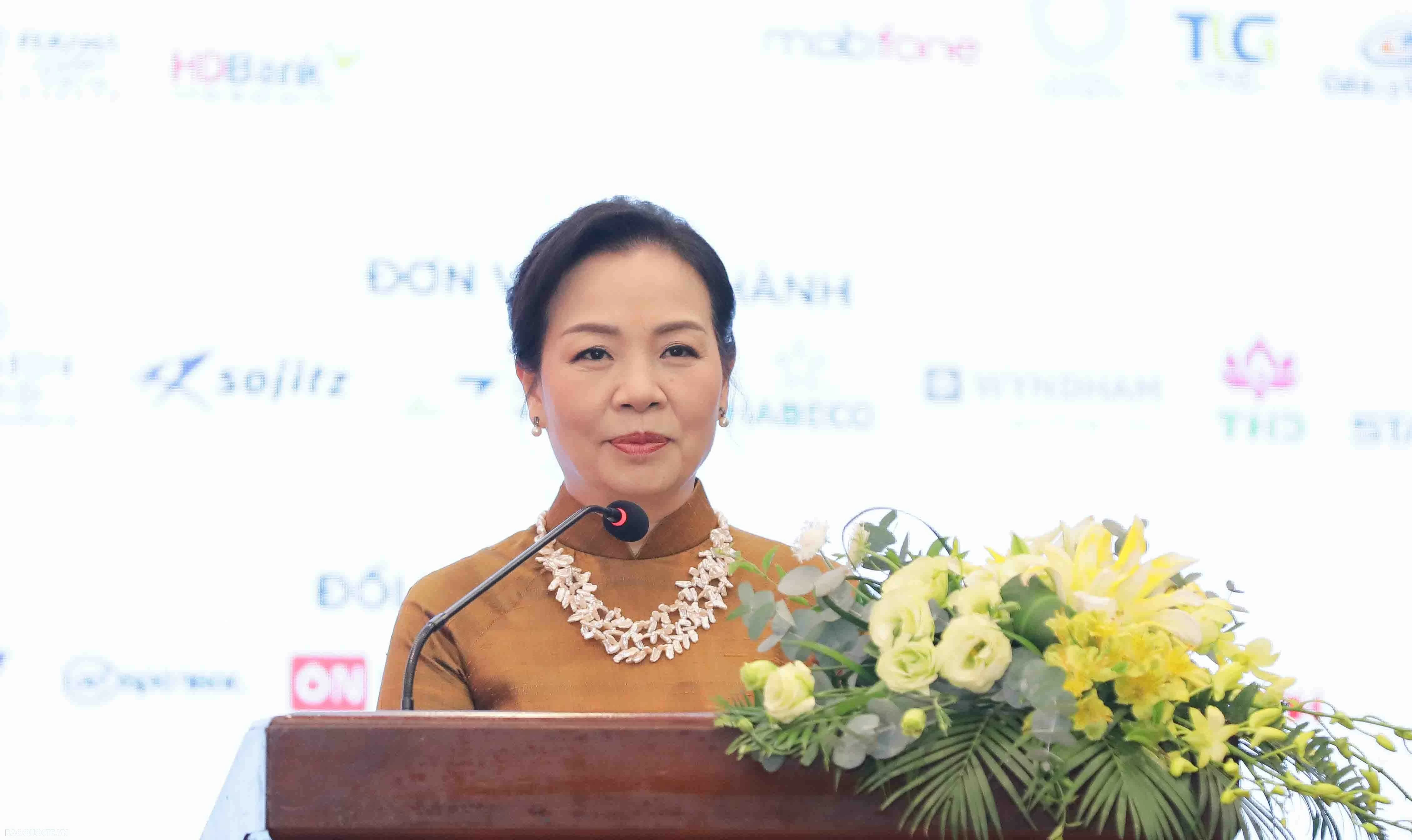 |
| Dr. Ngo Phuong Lan, President of the Vietnam Association for the Promotion and Development of Cinema, Director of DANAFF, speaking at the seminar. (Photo: Kha Ninh) |
According to Dr. Ngo Phuong Lan, the Doi Moi reforms not only brought about economic and social changes but also opened new creative spaces for literature and the arts. The spirit of "facing the truth, reflecting the truth" has become a driving force for many filmmakers to delve into life, reflecting societal transformations and the Vietnamese people's consciousness. As a result, many works not only hold artistic value but also serve as spiritual documents of a nation in transition.
She also noted that Vietnamese cinema has faced numerous challenges when transitioning from a subsidized mechanism to self-reliance and self-accounting. However, it is precisely during this period of movement that cinema has gradually affirmed its vitality.
From the first films of the Doi Moi era to works recognized internationally later on, they all demonstrate an unceasing journey of exploration, renewal, and integration, while maintaining a deep concern for people, life, and Vietnamese cultural identity.
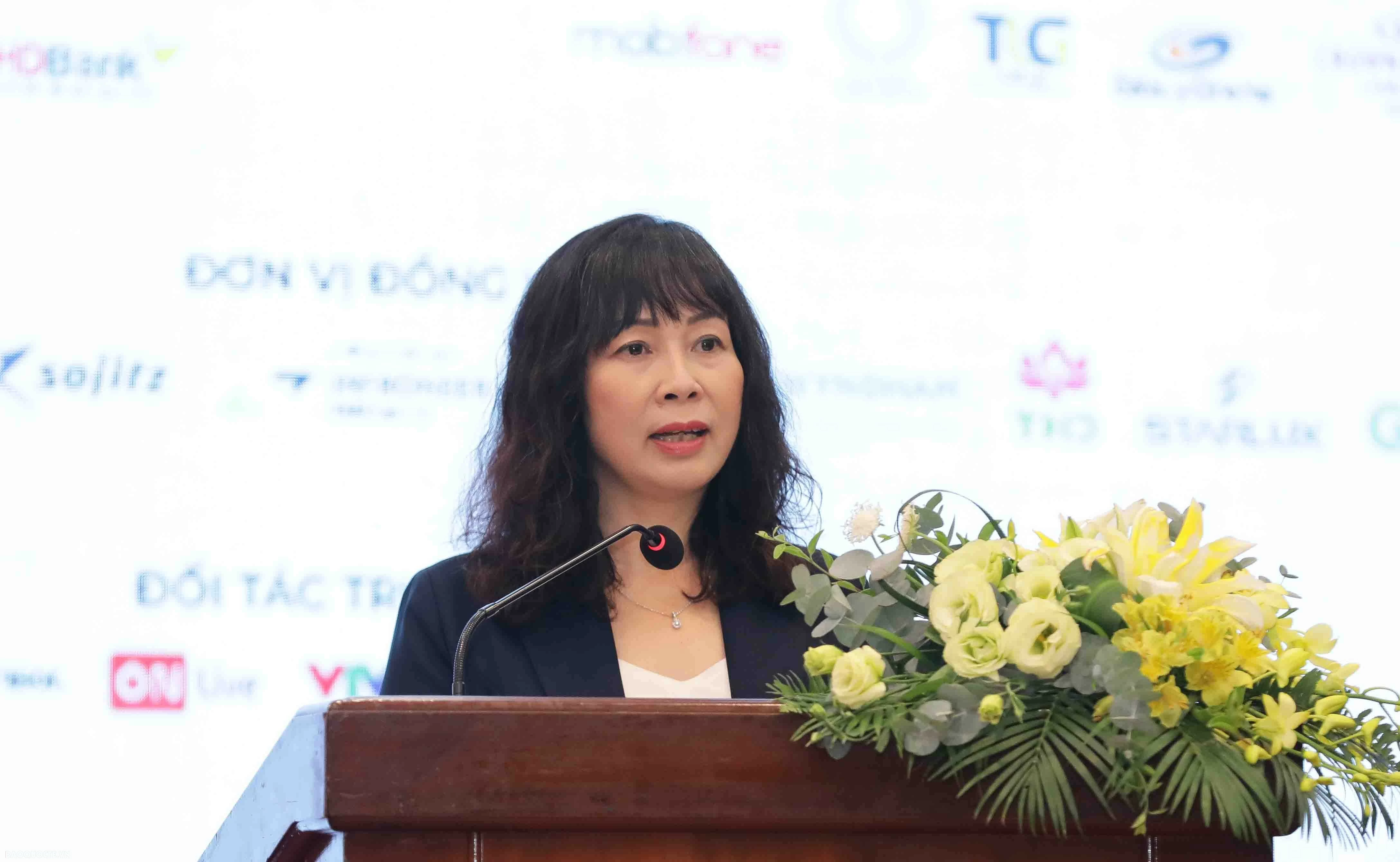 |
| Truong Thi Hong Hanh, Director of the Department of Culture, Sports and Tourism of Da Nang City, speaking at the seminar. (Photo: Kha Ninh) |
From the perspective of the host locality of DANAFF, Truong Thi Hong Hanh, Director of the Department of Culture, Sports and Tourism of Da Nang City, stated that cinema has always been a powerful art form, contributing to preserving national memories, enriching cultural values, and promoting the image of Vietnam and its people to the world.
During the Doi Moi process, Vietnamese cinema has gradually adapted to the market mechanism, expanded international cooperation, diversified investment resources, innovated production and distribution methods, while leaving its mark in both art and commerce.
However, according to city leaders, Vietnamese cinema is also facing many new demands such as improving the quality of works, developing human resources, perfecting policies, expanding markets, attracting investment, and building a modern film industry capable of competing regionally and internationally.
Therefore, the seminar is expected to provide policy suggestions and create opportunities for Da Nang to strengthen connections with filmmakers and cinema organizations both domestically and internationally; promote cooperation in human resource training, film production, location promotion, and develop a favorable environment for cinema activities.
From the perspective of state management, Deputy Minister of Culture, Sports and Tourism Ta Quang Dong noted that after 40 years of Doi Moi, Vietnamese cinema has made remarkable progress, from a subsidized mechanism to a market mechanism with state management, from a relatively closed creative environment to deep international integration.
Many generations of artists have continuously innovated artistic language, truthfully reflecting social life, contributing to nurturing human values, and igniting patriotism and the aspiration for national development.
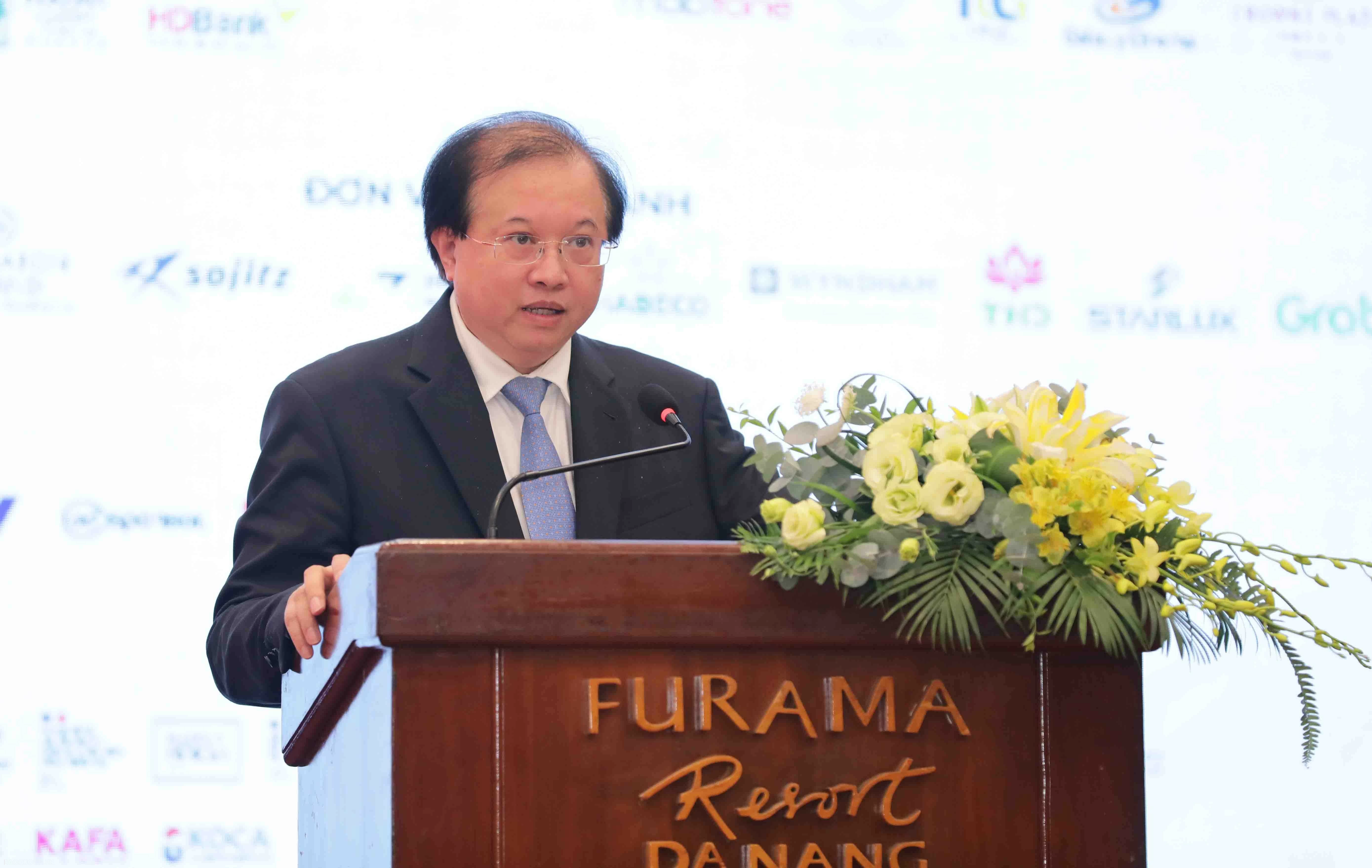 |
| Deputy Minister of Culture, Sports and Tourism Ta Quang Dong speaking at the seminar. (Photo: Kha Ninh) |
According to the Deputy Minister, in the context of digital transformation and the fourth industrial revolution, cinema should be viewed as a field that converges culture, technology, and creative industries. The Ministry of Culture, Sports and Tourism will continue to perfect the institutional framework, create a favorable environment for creativity, promote cooperation between the state, businesses, and artists, and support Vietnamese cinema in participating more deeply in the global film value chain.
The Ministry of Culture, Sports and Tourism leadership also believes that cinema needs to continue finding solutions to major challenges, from creating works with ideological and artistic value that still conquer the market, to telling Vietnamese stories through modern cinematic language with international resonance.
Within the framework of the seminar, discussions focused on various topics such as the transformation of Vietnamese cinema from a subsidized to a market economy; innovations in cinematic language; the role of different generations of authors; the balance between art and commerce; the position of Vietnamese cinema in the international space, as well as the opportunities and challenges of cinema in the digital age.
Through discussions and professional exchanges, the seminar not only reviews the achievements and lessons of Vietnamese cinema after nearly 40 years of Doi Moi but also aims to find solutions for current issues, from continuing the values that have sustained the vitality of cinema during the Doi Moi era to guiding Vietnamese cinema to continue innovating, creating, and asserting its position in an increasingly deep international integration context.