





Vietnam tourism: Aspiration for sustainable development and enhancing destination value
WVR - As stepping into 2026, with the foundations laid during the breakthrough year of 2025, we have grounds to believe in a more balanced and quality-driven picture of Vietnam's tourism, said Deputy Minister Ho An Phong.
Latest
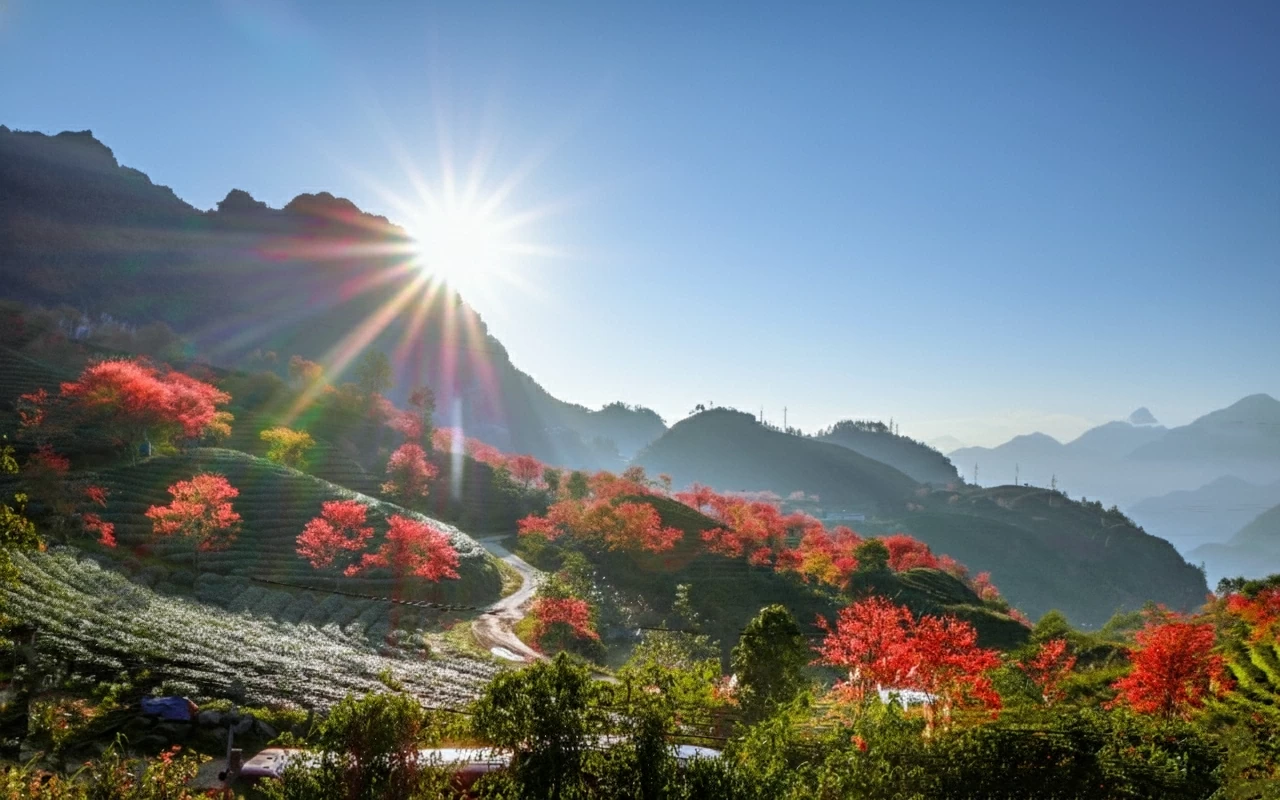 |
| Vietnam tourism made a strong transformation in 2025. (Photo: Ngo Minh Chau) |
In 2025, Vietnam's tourism reached a new record with over 21 million international visitors, posing challenges for sustainable development and service quality enhancement.
Highlights of 2025
According to the Vietnam National Administration of Tourism, in 2025, the country is expected to welcome 21.5 million international visitors and 135.5 million domestic tourists, with total tourism revenue exceeding 1 trillion VND. On December 15, a grand ceremony was held at Phu Quoc International Airport to welcome the 20 millionth international visitor to Vietnam. This event marks a doubling in the scale of Vietnam's tourism in less than a decade since reaching 10 million international visitors in 2016.
Deputy Minister of Culture, Sports and Tourism Ho An Phong noted that this milestone is even more meaningful given the global tourism sector's unprecedented challenges due to the Covid-19 pandemic. With an international visitor growth rate of about 22%, Vietnam's tourism is ranked by the United Nations World Tourism Organization (UNWTO) among the countries with the highest growth rates worldwide, significantly surpassing the global average of 5% and far exceeding the 8% growth in the Asia-Pacific region.
This achievement is a vivid testament to the synchronized "push" in transportation infrastructure, aviation, and expanded international connectivity. However, in the context of increasingly fierce global competition, the challenge for Vietnam's tourism is not just about visitor numbers, but how to increase value, extend stay durations, and enhance the quality of experiences. This transition from recovery to sustainable development aims to position Vietnam as a leading attractive destination in the region.
Following a period of robust recovery post-pandemic, 2025 marks a special milestone for Vietnam's tourism: for the first time, international visitor numbers surpassed 20 million. This is not only a symbolic figure but also reflects the strong comeback of a comprehensive economic sector, closely tied to the nation's image and status in an increasingly integrated world.
Behind this impressive result is a synchronized "push" from several key factors: upgraded and expanded aviation infrastructure, an increasingly complete highway network connecting major tourism centers, and the continuous opening of new international flight routes, bringing Vietnam closer to key source markets.
Never before has accessing Vietnam's destinations been as convenient as it is now. The geographical distance has been shortened, and travel time optimized, laying a crucial foundation for tourism to scale up. In the broader picture of economic growth, tourism continues to assert its role as a "local export" industry, generating direct revenue while promoting services, trade, culture, and people-to-people exchanges.
However, at this peak moment, many experts have issued a thought-provoking warning: visitor numbers are only one side of the equation. More crucial and decisive for long-term development is how much tourists spend and how long they stay.
This is not a new issue but becomes increasingly urgent as Vietnam's tourism enters the post-recovery phase. With major travel barriers removed and international visitors returning strongly, the tourism industry cannot continue to focus primarily on visitor numbers for growth. Instead, the shift from recovery to sustainable development, from extensive to intensive growth, is becoming increasingly clear.
In reality, a destination crowded with visitors but with low spending, short stays, and disjointed experiences will struggle to create high added value and retain returning tourists. In the context of intensifying competition among countries in the region, service quality, product offerings, and overall experience are the true measures of Vietnam's tourism appeal.
 |
| Welcoming international guests to Phu Quoc at the ceremony for the 20 millionth international visitor to Vietnam. (Photo: Cong Dat) |
Orientation for sustainable development
Many experts agree: The core focus of the next development phase must be service quality. This requires continuous improvement and comprehensive standardization according to stringent international standards, from accommodation, transportation, dining, and entertainment to human resources quality and destination management capabilities.
Service quality is not just about luxury hotels or high-end resorts. More importantly, it's about the seamless experience of tourists throughout their journey, from searching for information, completing entry procedures, domestic travel, sightseeing, shopping, to leaving Vietnam. Every link in this service chain can create a positive impression or, conversely, become a "bottleneck" that diminishes the value of the entire journey.
From this perspective, upgrading entertainment venues should be approached with the mindset of a creative industry, rather than merely adding standalone service items. Modern tourism doesn't just sell landscapes but sells experiences, stories, and emotions. Cultural spaces, nighttime tourism products, or experiences tied to local identities, if invested in thoroughly and creatively, will extend stay durations and increase tourist spending.
International practices show that successful destinations build a synchronized and high-class service ecosystem, where tourists always have many experience options across different segments, but quality and professionalism are guaranteed. This is the direction Vietnam's tourism needs to steadfastly pursue in the coming phase.
Moreover, sustainable development cannot be separated from the human factor. The tourism workforce, from management teams, tour guides, service staff to local communities, plays a decisive role in enhancing the quality of experiences. Investing in training, improving skills, language proficiency, and service attitude is not just an immediate requirement but a long-term strategy to build the image of a friendly, professional, and reliable destination.
Once service quality is placed at the center, more ambitious growth targets are no longer out of reach. If Vietnam successfully builds a synchronized, modern, and culturally rich tourism ecosystem, the goal of welcoming more international visitors in the coming years is entirely achievable. At that point, the important thing is not just the increase in visitor numbers, but the economic, cultural, and social value each visitor brings to the country is also elevated accordingly.
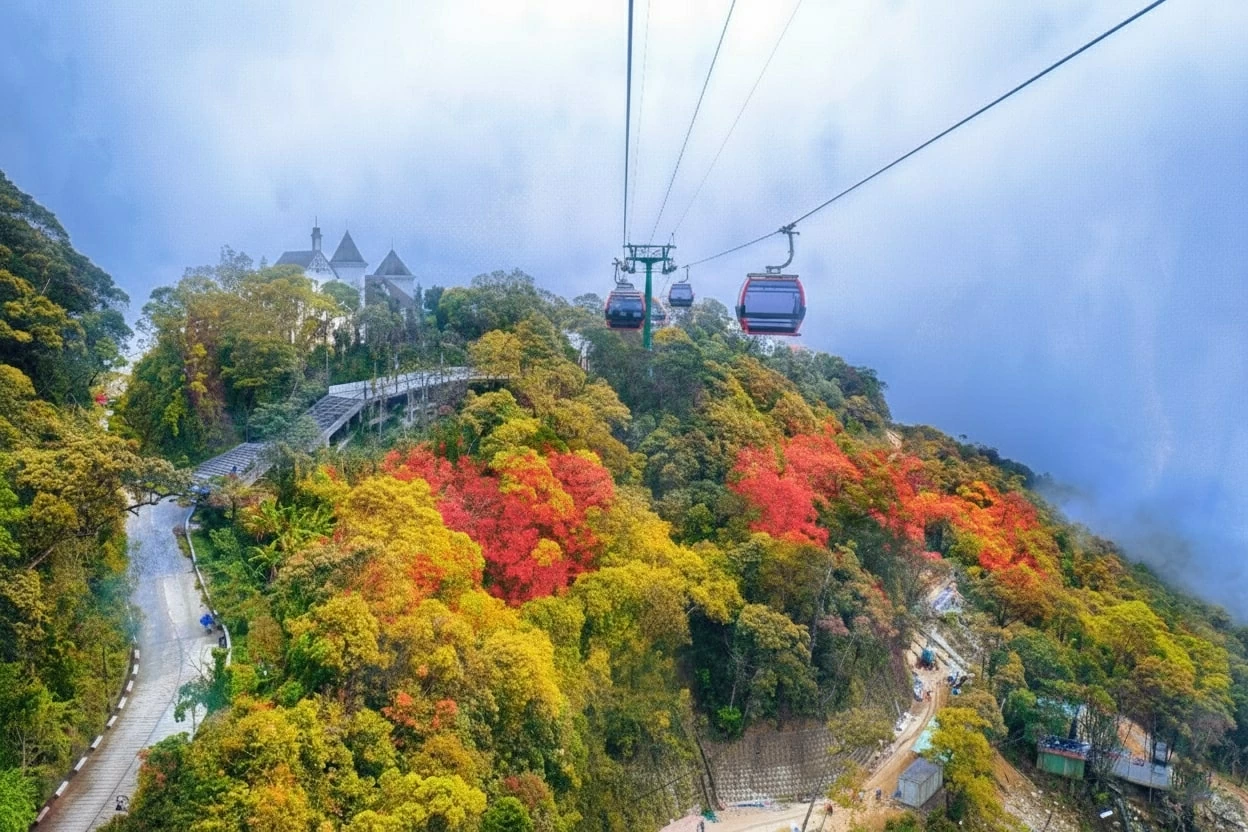 |
| The road to the summit of Ba Na Hills. (Photo: Ngo Minh Chau) |
Expectations and confidence for 2026
The year 2025 can be seen as a "pivotal year" for Vietnam's tourism, marking a breakthrough in scale while posing urgent requirements for transforming the development model. At this new threshold, the tourism industry faces a strategic choice: either continue to grow based on existing advantages or proactively restructure towards quality, creativity, and sustainability.
The road ahead is fraught with challenges but opens up many opportunities. With increasingly complete infrastructure, growing appeal on the international tourism map, and a determination to innovate from mindset to action, Vietnam's tourism has every reason to embark on a new, more sustainable, valuable, and deserving development cycle in line with the country's potential.
As we move into 2026, the tourism industry aims to welcome 25 million international visitors, serve 150 million domestic tourists, and achieve total tourism revenue of approximately 1.125 trillion VND. With the foundations laid during the breakthrough year of 2025, there is a basis for believing in a more balanced and quality-driven picture of Vietnam's tourism.
As the mindset of "putting the tourist experience at the center" becomes increasingly ingrained in policy planning and practical implementation, the tourism industry is expected not only to welcome more visitors but also to attract the right segment of high-spending, diverse-demand tourists who maintain long-term connections with the destination.
The new year opens up expectations for a phase where Vietnam's tourism is recognized not just as a service industry but as a creative industry, where every destination is a story, every product is an added value, and every journey is a memorable experience.
If the commitment to enhancing service quality, standardizing according to international standards, and building a synchronized tourism ecosystem continues, 2026 could bring Vietnam's tourism closer to long-term goals, contributing to spreading the image of a dynamic, open, safe, and culturally rich Vietnam to the world.