





Vietnam Halal Tourism Conference 2026: Paving the way for Vietnam as a Muslim-friendly destination
WVR - On July 8, in Khanh Hoa Province, the Ministry of Foreign Affairs, in collaboration with the Ministry of Culture, Sports and Tourism and the People's Committee of Khanh Hoa Province, organized the Vietnam Halal Tourism Conference 2026 with the theme “Vietnam: A New Destination of Halal Tourism”.
Latest
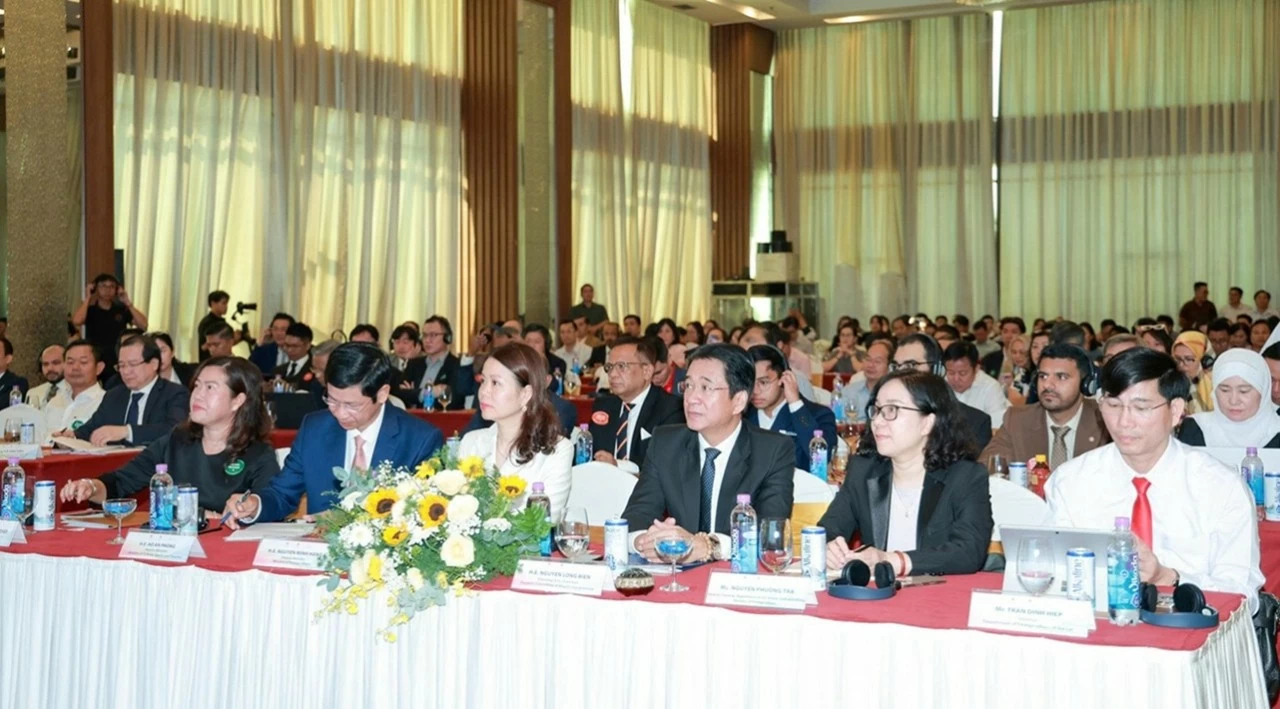 |
| The Vietnam Halal Tourism Conference 2026 with the theme “Vietnam: A New Destination of Halal Tourism” took place in Khanh Hoa Province on July 8, 2026. (Photo: Bao Chi) |
The conference attracted significant attention with over 300 delegates from Vietnam and countries with large Muslim populations or developed Halal tourism sectors, such as Saudi Arabia, the United Arab Emirates (UAE), Qatar, Turkey, Egypt, Iran, Libya, Algeria, Nigeria, Malaysia, Indonesia, Pakistan, Bangladesh, Republic of Korea, Kazakhstan, and others.
In his opening remarks, Deputy Minister of Foreign Affairs Nguyen Minh Hang emphasized that this is the first forum on Halal tourism organized by Vietnamese government agencies, demonstrating Vietnam's determination to develop the Halal ecosystem, enhance international integration, and better exploit the global Halal market.
According to the Deputy Minister, with an independent, self-reliant, resilient, peaceful, cooperative, and developmental foreign policy; multilateralization and diversification of foreign relations; proactive and comprehensive international integration; consistent policies on peace, cooperation, respect for cultural and religious differences, and viewing cultural diversity as a development resource, Vietnam is well-positioned to strengthen connections with key Halal markets, attract investment, tourists, and resources to develop the Halal industry in general and Halal tourism in particular.
Deputy Minister Nguyen Minh Hang stressed that the Ministry of Foreign Affairs will continue to play a pioneering role in promoting international cooperation, supporting businesses in market expansion, attracting investment, and promoting Vietnam as a safe, attractive, and Muslim-friendly destination.
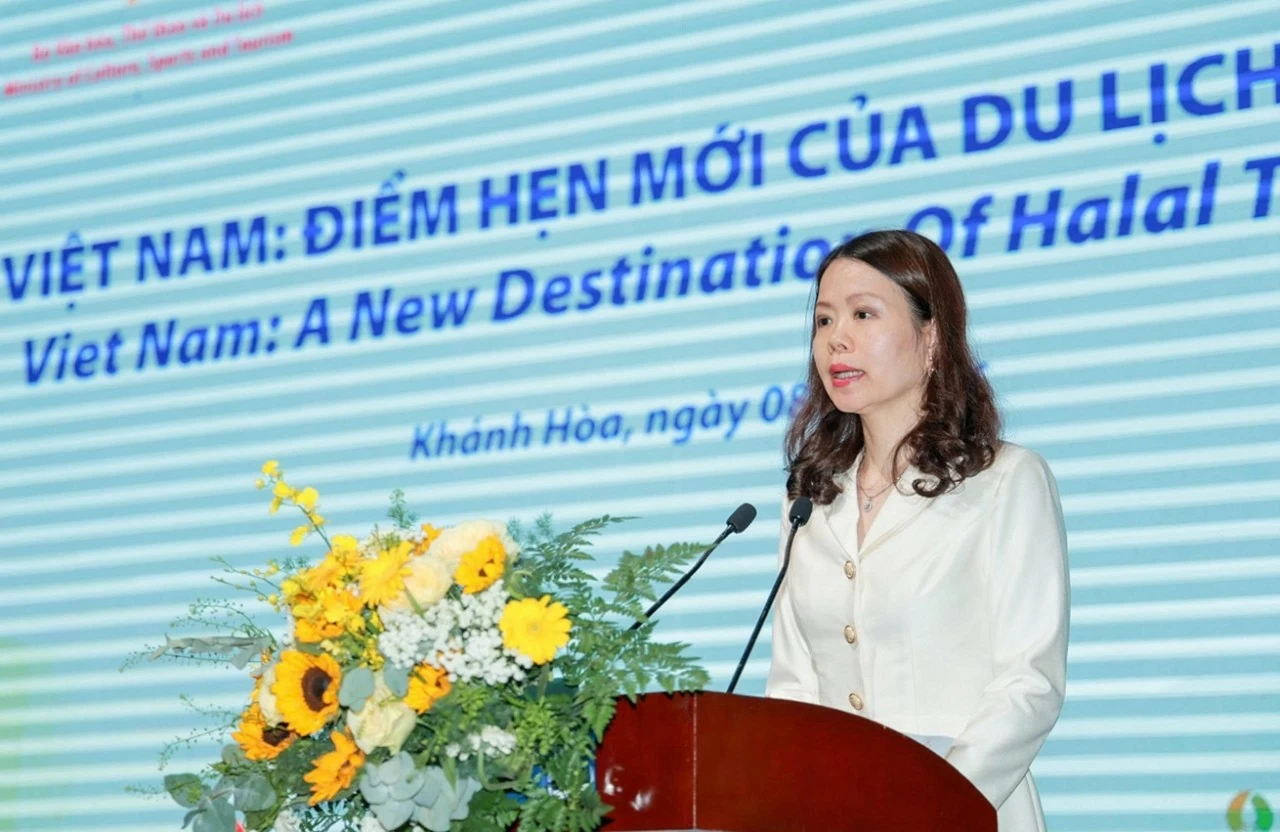 |
| Deputy Minister of Foreign Affairs Nguyen Minh Hang speaking at the Conference. (Photo: Bao Chi) |
For his part, Deputy Minister of Culture, Sports and Tourism Ho An Phong affirmed that Vietnam has many favorable conditions to develop Halal tourism, with stable socio-political conditions, abundant tourism resources, a unique cultural and natural heritage system, diverse cuisine, increasingly synchronized tourism infrastructure, and an ever-expanding international aviation network.
To effectively exploit this potential, Deputy Minister Ho An Phong suggested that state management agencies and businesses need to continue to improve mechanisms and policies for Halal tourism development; enhance promotion and marketing in key markets; improve the quality of human resources; and promote the development of products, services, accommodations, restaurants, destinations, and amenities that meet the needs of Muslim tourists.
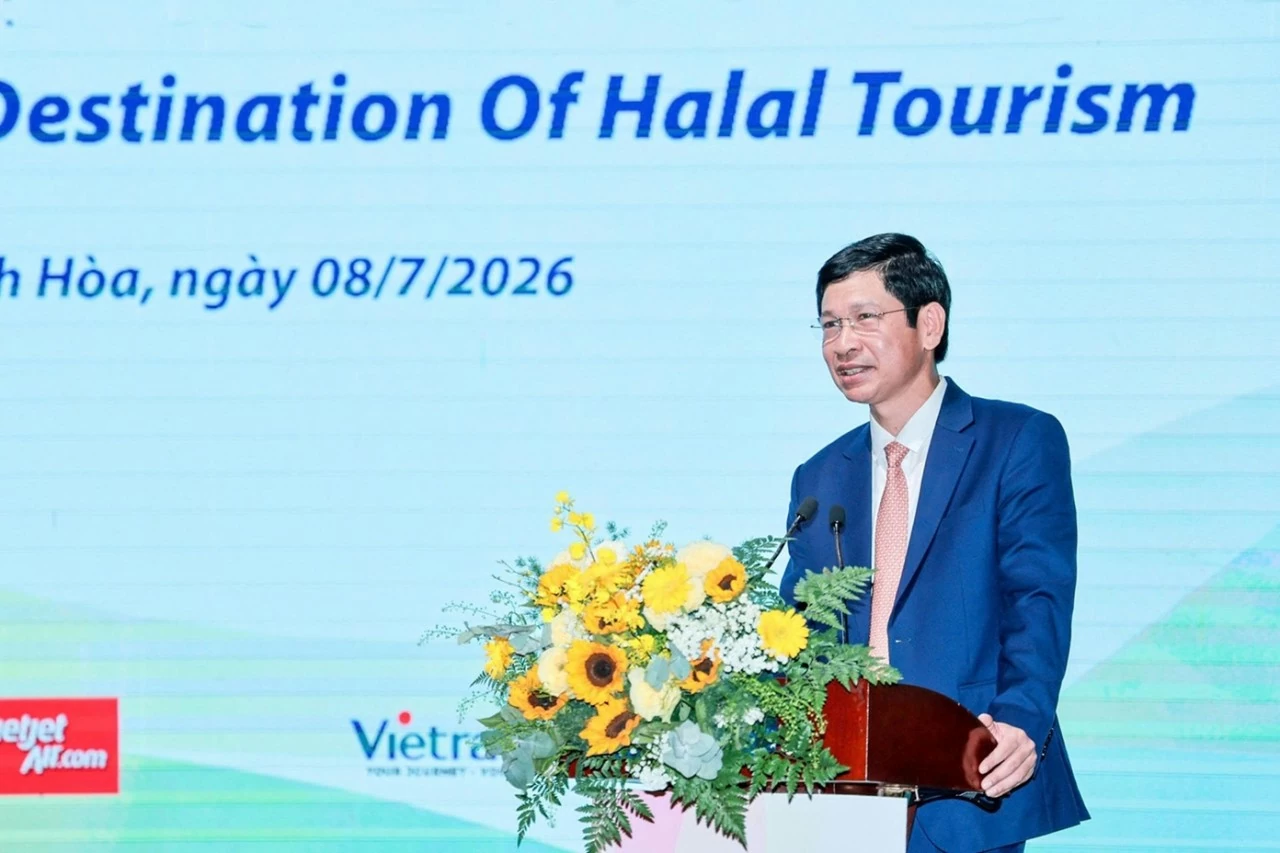 |
| Deputy Minister of Culture, Sports and Tourism Ho An Phong speaking. (Photo: Bao Chi) |
Standing Vice Chairman of the People's Committee of Khanh Hoa Province Nguyen Long Bien stressed that Khanh Hoa is gradually building a Muslim-friendly tourism environment by developing a system of hotels, restaurants, products, and services that meet Halal standards.
In the coming time, Mr. Nguyen Long Bien affirmed that Khanh Hoa will continue to integrate Halal tourism development into the province's tourism development strategy; encourage businesses to invest, upgrade facilities, and diversify products and services to meet the needs of Muslim tourists; enhance human resource training, promote marketing in key markets, and expand cooperation with certification organizations, businesses, and international partners...
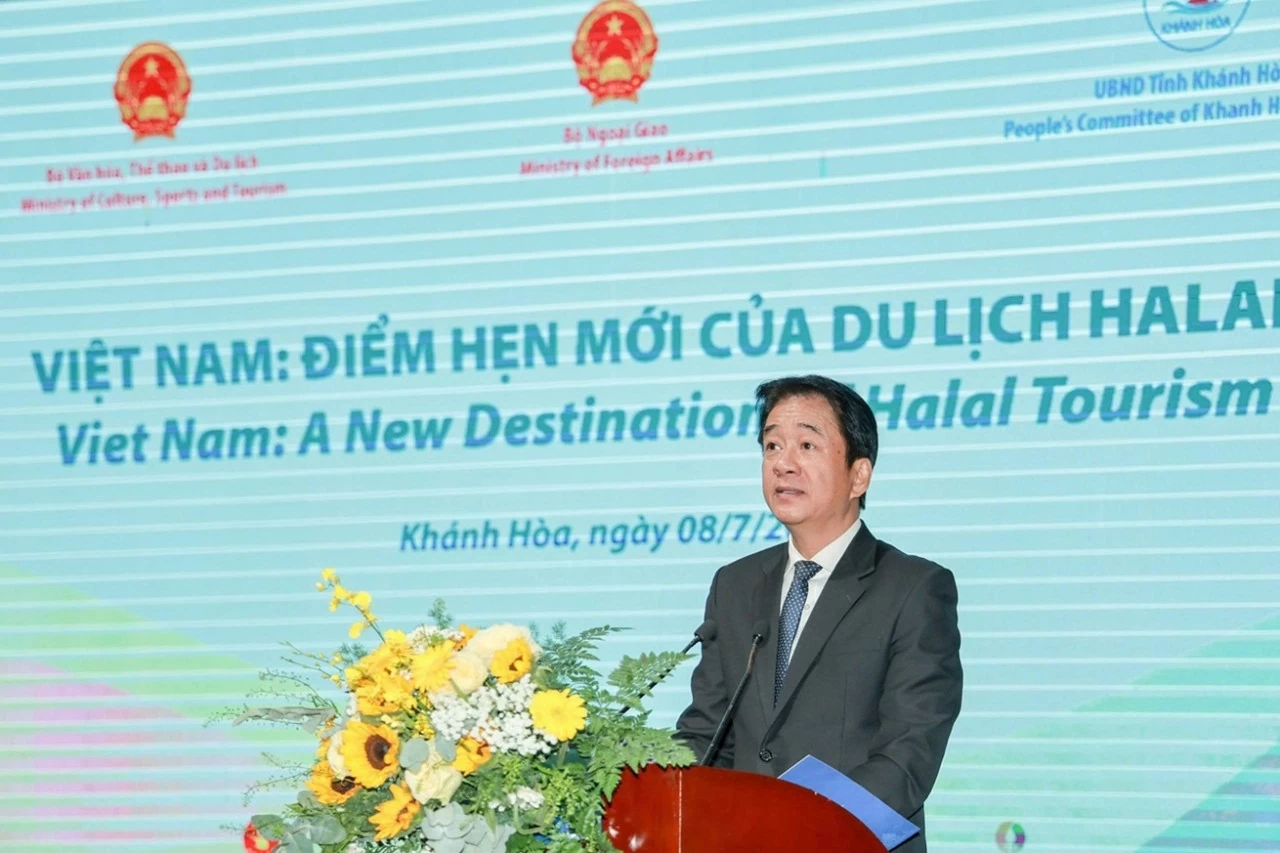 |
| Standing Vice Chairman of the People's Committee of Khanh Hoa Province Nguyen Long Bien speaking. (Photo: Bao Chi) |
Within the framework of the Conference, domestic and international speakers updated many new trends in the global Halal tourism industry. Delegates noted that the Muslim tourist market continues to maintain high growth rates, becoming one of the most dynamic segments of the global tourism industry.
Experts also noted that the needs of Muslim tourists are shifting significantly from merely meeting basic religious requirements to seeking high-quality, comprehensive, and sustainable travel experiences.
Beyond foundational elements like Halal-certified food, prayer spaces, faith-friendly accommodations, and respect for Islamic cultural values, tourists are increasingly interested in local cultural experiences, luxury resorts, wellness tourism, family travel, and tourism linked to environmental protection and sustainable development.
The digital transformation trend is also reshaping the consumption behavior of Muslim tourists, with increasing demand for digital platforms that provide transparent information on Halal services, AI-driven travel advice, convenient payment options, and personalized services tailored to the needs of different customer groups.
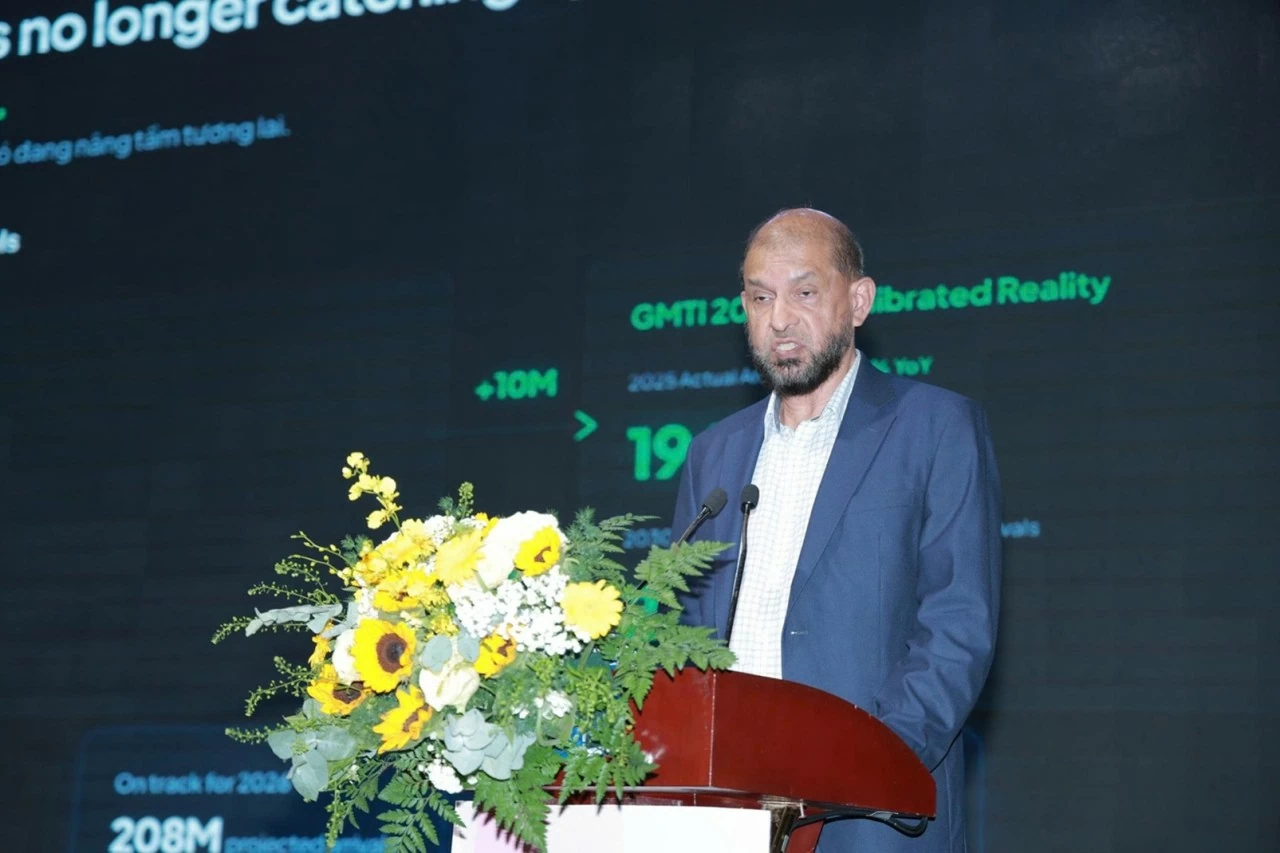 |
| Mr. Fazal Bahardeen, CEO of Crescent Halal Trip, shares his views at the event. (Photo: Bao Chi) |
Speakers also shared potential cooperation opportunities with key markets in Southeast Asia, South Asia, and the Middle East-North Africa, with large populations, increasing incomes, and expanding demand for international travel.
Delegates noted that Vietnam has many favorable conditions to attract tourists from these markets if it continues to improve destination accessibility, expand air connectivity, enhance promotion, develop specialized products, and build a comprehensive Halal service ecosystem.
A topic of interest to many delegates was the experience of developing Halal tourism in countries without a Muslim-majority population. Republic of Korea experts shared successful models of creating Muslim-friendly destinations through collaboration between the government, businesses, and Halal certification organizations; developing service criteria and standards; training human resources; strengthening communication and applying technology to provide information to tourists.
Delegates also focused on discussing solutions for developing Vietnam's Halal tourism industry in the future. Regarding development orientation, many suggested building a Halal tourism development strategy linked to Vietnam's tourism development strategy, with businesses at the center, market orientation, and international standards as the foundation; enhancing coordination between ministries, sectors, localities, and the business community to form a unified Halal ecosystem nationwide.
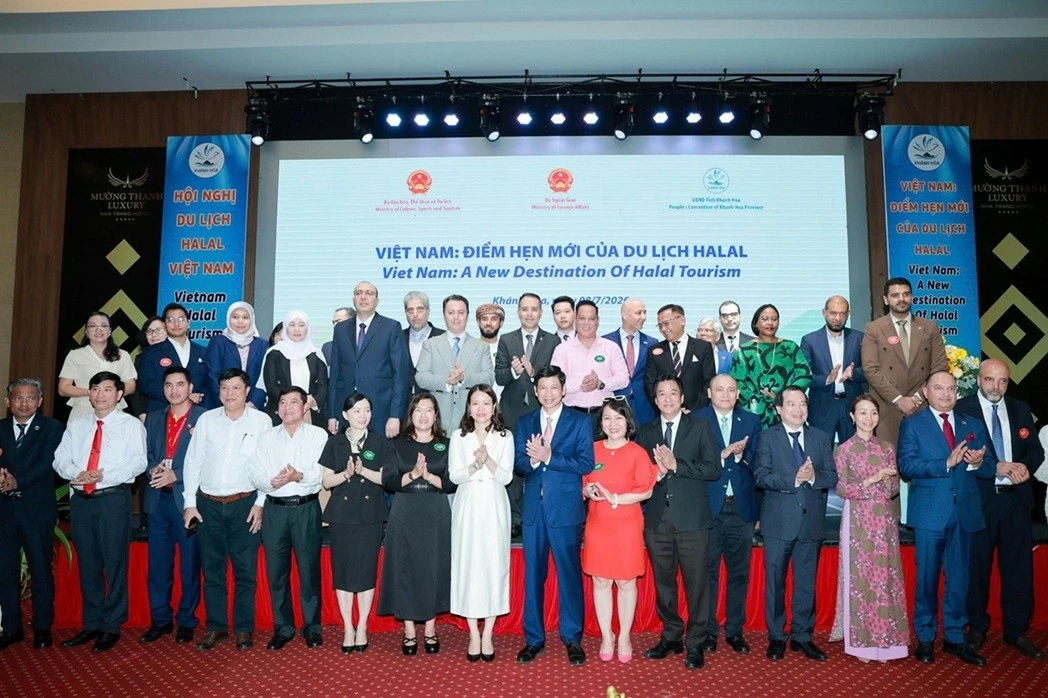 |
| Conference delegates take a group photo. (Photo: Bao Chi) |
Many delegates emphasized the role of completing the Halal standards and certification system; promoting mutual recognition with international certification organizations; supporting businesses in accessing certification processes; developing networks of hotels, restaurants, resorts, attractions, and transportation services that meet the needs of Muslim tourists; and increasing the participation of airlines in providing Halal meals, in-flight services, and connecting flights to key markets.
Additionally, many suggested strengthening human resource training with knowledge of Islamic culture and Halal standards; enhancing international cooperation in experience transfer, training, investment promotion, and destination marketing, leveraging the role of Vietnamese Representative Missions abroad in connecting businesses, trade, and tourism promotion.
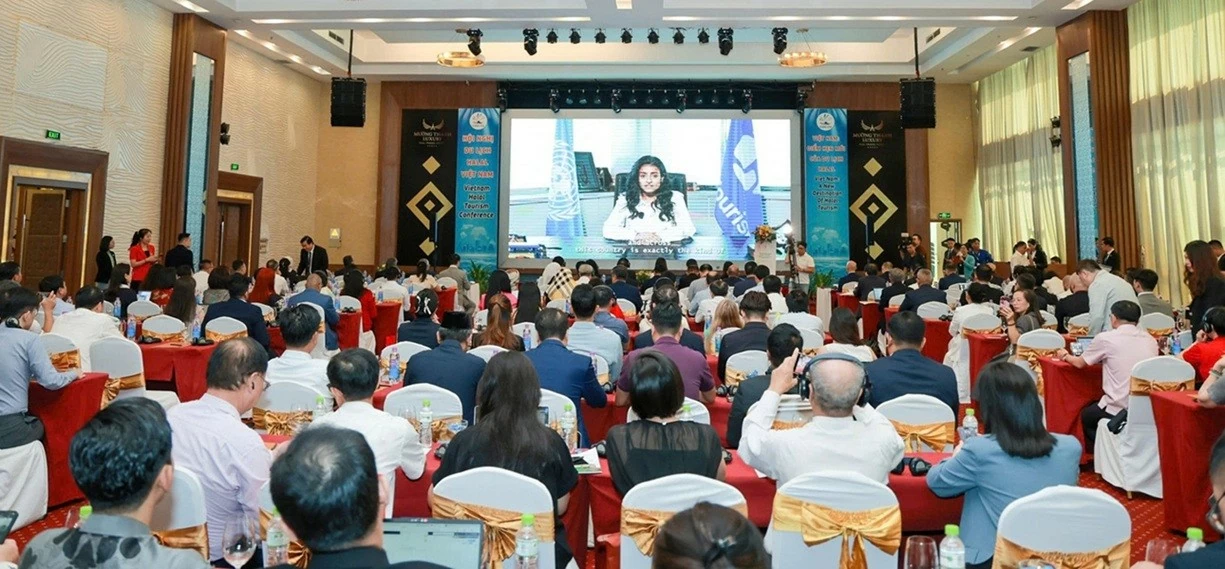 |
| Message from the World Tourism Organization (UNWTO) Shaikha Al Nowais. (Photo: Bao Chi) |
At the Conference, many Memorandums of Understanding for cooperation between domestic and international associations, organizations, and businesses were exchanged and signed, opening up practical cooperation opportunities in product development, market connectivity, investment promotion, and Halal tourism marketing.
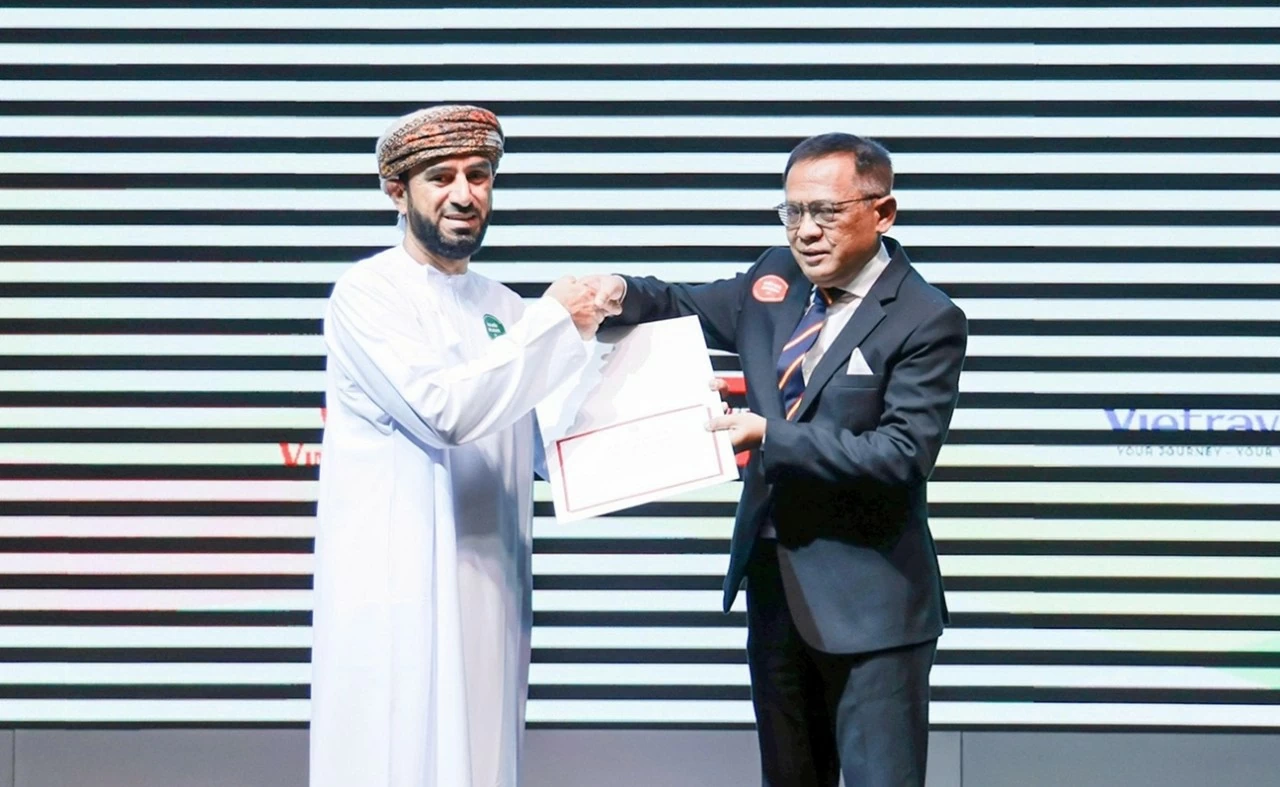 |
| The Gulf Cooperation Council Accreditation Center awards a certificate to the National Halal Certification Center. (Photo: Bao Chi) |
Notably, the Gulf Cooperation Council (GCC) Accreditation Center awarded a Halal Certification Program Certificate to Vietnam's National Halal Certification Center (HALCERT).
This is one of the conference's standout achievements, contributing to realizing cooperation orientations, promoting the formation of a Halal tourism ecosystem in Vietnam, and strengthening connections with global Muslim markets.


