






The 'untapped' potential of green retail finance
Everyday financial choices, from mortgages to savings accounts, can play a decisive role in advancing sustainability if green retail finance is deployed at scale.
Latest
 |
| Financial institutions can target the growing segment of environmentally conscious consumers with green retail finance products. (Source: Pexels) |
Imagine a small household business receiving a discounted loan to install rooftop solar, or a borrower accessing a preferential mortgage rate for buying an energy-efficient home. These are practical examples of green retail finance, a growing segment that links household financial decisions with broader climate and sustainability goals.
Green retail finance is becoming a key mechanism for advancing sustainable finance at scale. This is largely thanks to the intersection of regulatory developments, technological innovation, and changing consumer preferences.
Global sustainability frameworks, particularly the Paris Agreement and the UN Sustainable Development Goals, have reshaped both institutional priorities and consumer expectations. Rising environmental awareness and stakeholder pressure have prompted financial institutions to embed environmental, social, and governance (ESG) features into more retail products.
Furthermore, technological advancements, including AI, blockchain, and mobile financial platforms, have significantly reduced access barriers and transaction costs, particularly in emerging economies, thereby enabling wider participation in green finance markets.
A nascent segment in Vietnam
Green retail financial instruments are typically structured into three categories: bank-based instruments such as green loans, mortgages, car financing, insurance, and credit cards; capital market instruments accessible to retail investors, including green and sustainability bonds; and digital or fintech-enabled solutions, such as app-based platforms that incorporate gamification and carbon footprint tracking.
Green retail finance in Vietnam is a nascent segment within the broader sustainable finance landscape.
While green credit has expanded rapidly, reaching approximately VND780 trillion by the end of 2025 and growing at an annual rate exceeding 20% since 2017, it remains concentrated in corporate lending, particularly in green agriculture, renewable energy, green buildings, and green transportation. Retail participation is still limited.
This reflects a structural imbalance in which the supply of green capital is largely project-based, with insufficient penetration into households.
At the retail level, financial institutions have begun to introduce green-oriented offerings such as HSBC’s green loan for homeowners to invest in rooftop solar power and Standard Chartered’s green mortgage loan. However, product diversity is small compared to more mature markets. There is also low consumer understanding and an underdeveloped supporting ecosystem.
At the same time, the RMIT academic highlighted that the policy environment in Vietnam has become increasingly supportive, providing a critical foundation for market expansion. Regulatory initiatives include the development of a national green taxonomy and the promotion of green credit guidelines by the State Bank of Vietnam.
In addition, a draft decree from the State Bank of Vietnam in 2025 proposes a fixed 2% annual interest rate subsidy for private enterprises, business households, and individuals borrowing for green, circular economy, and ESG projects.
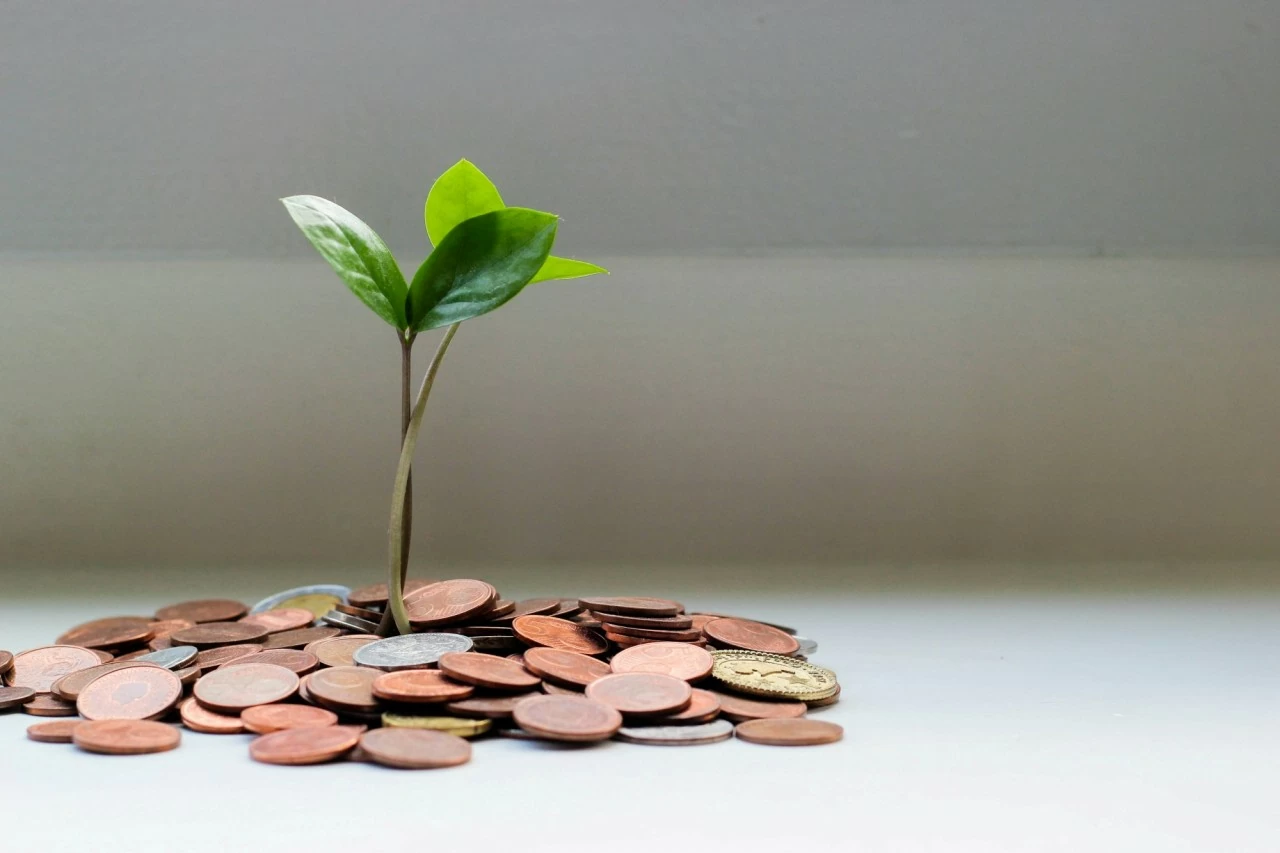 |
| Everyday financial choices, from mortgages to savings accounts, can play a decisive role in advancing sustainability if green retail finance is deployed at scale. (Source: Pexels) |
Lessons from international success
Green retail finance is not a globally mature phenomenon but a fragmented and uneven landscape. Success emerges only in markets where regulation, product design, and distribution channels are effectively aligned.
In developed markets like the EU and the UK, comprehensive regulatory frameworks and disclosure standards have facilitated the large-scale deployment of green bonds to finance renewable energy projects. Ireland offers another notable example, where green mortgages achieved significant market penetration within a short period, particularly among first-time and higher-income borrowers.
Meanwhile, developing economies illustrate the critical role of policy intervention and institutional support in fostering green retail finance. For example, Bangladesh has developed structured ecosystems comprising green securities, insurance, credit, and bond markets, largely facilitated by proactive regulatory frameworks and central bank initiatives.
Consumer behaviour is equally critical. Evidence from Japan and India shows that retail investors are sensitive not only to environmental impact but also to financial returns, transparency, and trust. Concerns about “greenwashing” can significantly hinder adoption.
Complementing these institutional and market-based approaches, fintech is proving to be a powerful enabler. Digital platforms such as China’s Alipay Ant Forest demonstrate how behavioural incentives, gamification, and real-time feedback can effectively engage consumers.
Collectively, international experiences suggest that the success of green retail finance depends on the alignment of regulatory frameworks, financial innovation, and consumer engagement mechanisms.
Advancing green retail finance in Vietnam
Green retail finance does not scale organically but must be enabled through well-designed policy frameworks. To promote it in Vietnam, there is a need for a coordinated policy approach that addresses regulatory clarity, financial incentives, product innovation, and consumer engagement.
First, regulatory standardisation is essential. A clear and credible green taxonomy, aligned with international practices such as the EU framework, plays a critical role. Evidence shows that unclear definitions of “green” products can discourage both banks and households from participating in the market. In Vietnam, accelerating the implementation of a national taxonomy and requiring transparent disclosure for retail financial products would help improve credibility and comparability.
Second, targeted financial incentives are a key driver of household adoption. Instruments such as interest rate subsidies, tax rebates, and concessional green loans have been effective in promoting investments in energy-efficient housing and renewable energy. For Vietnam, expanding such incentives, particularly for rooftop solar, green housing, and energy-efficient appliances, would significantly stimulate demand at the retail level.
Third, policy should actively encourage product innovation. In more mature markets, green retail finance has evolved beyond basic loans to include green mortgages, ESG-linked consumer finance, and sustainable investment products.
Finally, strengthening consumer awareness is essential. Even when demand exists, adoption could be constrained by limited understanding and low perceived impact. Integrating green finance into financial literacy programs, combined with behavioural incentives such as rewards and product labelling, can help translate awareness into action.
Bridging the demand-supply gap will be critical to scaling green finance at the consumer level.

| Academy of Finance hosts activities to celebrate Vietnam Science, Technology, and Innovation Day on May 18 On May 16, the Academy of Finance (Ministry of Finance) solemnly organized the Launch Ceremony for the new Brand Identity and Electronic Information Portal, while ... |

| Finance students prepare for the digitalization era On May 16, the Academy of Finance and ACCA organized an event to shape career paths for students amidst a volatile job market. |

| Vietnam seeks stronger cooperation with the UK in the capital market and green finance development WVR - Vietnam hopes to further strengthen cooperation with the UK in capital market development, green transition, green finance, and the establishment of the Vietnam ... |

| Agribank boosts sustainable finance, reduces bad debt to stabilize Vietnam's financial system Recently, Vietnam's financial system has maintained a stable foundation while effectively fulfilling its role and mission of macroeconomic stability and promoting economic growth. |

| Gathering experts in entrepreneurship, finance, and innovation in Hanoi WVR - On July 2-3, the 5th International Symposium on Entrepreneurship, Finance, and Innovation (Vietnam Symposium in Entrepreneurship, Finance and Innovation - VSEFI 2026) will ... |