





The right to rest for women
WVR - The right to rest for women has been recognized in human rights standards, but in reality, it remains challenging to realize when women lack the specific conditions to exercise their legitimate rights.
Latest
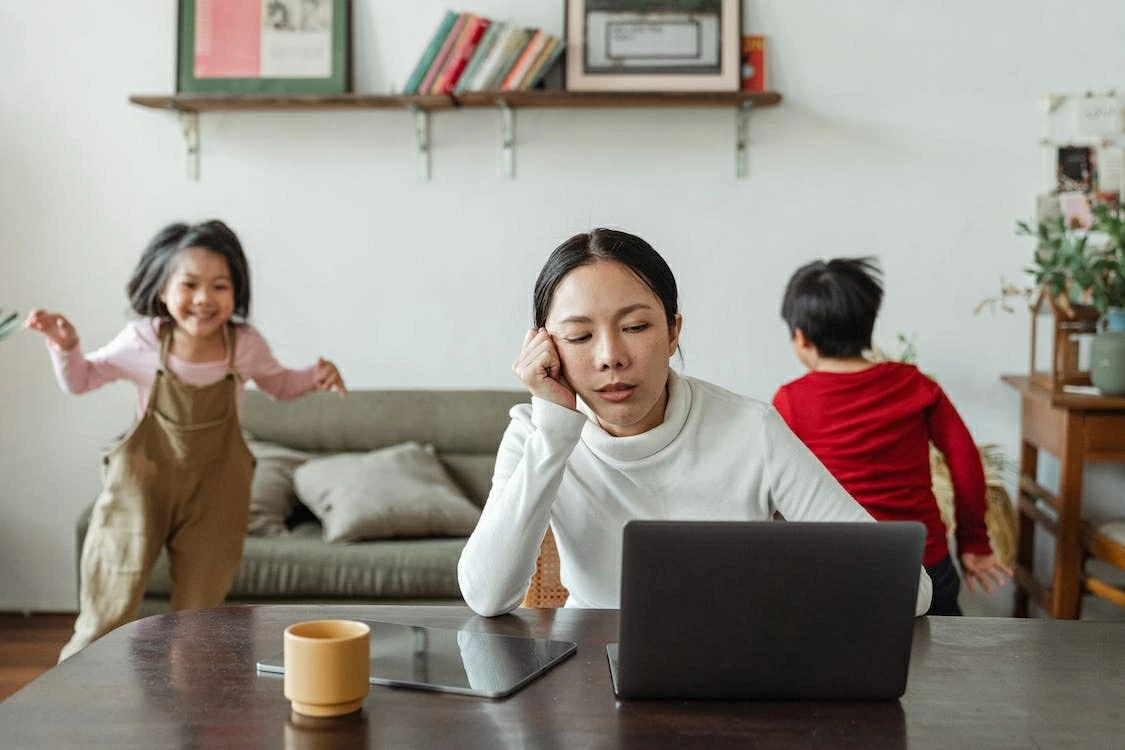 |
| According to Charmes' research, women perform approximately 76.4% of the total unpaid care and domestic work globally, while men account for only about 23.6%. (Photo: Tri thuc tre) |
Gaps in policy and legislation
Unpaid care work encompasses all activities related to caring for and maintaining family life outside the framework of employment and wages. This includes meal preparation, maintaining living spaces, caring for children, the elderly, and the disabled, as well as providing emotional support to family members.
| More from WVR |
 Seminar: South-South experience exchange between Vietnam and African countries, promoting rights for women and girls Seminar: South-South experience exchange between Vietnam and African countries, promoting rights for women and girls |
These tasks do not generate direct income but play an essential role in ensuring that family members can study, work, and participate in social life. In other words, this is the silent work that supports the entire economy.
International studies on time use show that unpaid care work is unevenly distributed between men and women. According to Charmes' research, women perform up to 76.4% of the total unpaid care and domestic work globally, while men account for only about 23.6%[1]. Analysis based on ILO and UNDP data also confirms that women account for about three-quarters of the total hours of unpaid care work, with an average of 4 hours and 25 minutes per day spent on care work, compared to only about 1 hour and 23 minutes for men[2], even when women also participate in paid labor.
According to UN Women's analysis, this disparity does not merely reflect personal choices but is closely tied to deeply ingrained social norms and gender stereotypes. These norms perpetuate the model of "men as economic pillars, women as caregivers"[3]; thus, care and domestic work are inherently associated with the image of the dedicated, sacrificing woman, while men's participation in household chores is often seen as "helping" rather than a shared responsibility. When care is assumed to be a woman's duty, the workload of these unnamed tasks quickly expands without time or volume limits.
From here, the question of women's right to rest becomes clear. Rest is not only a biological need but also a human right recognized in international standards. However, in practice, this right is often understood and applied mainly within the framework of paid labor, associated with working hours, days off, and leave policies. This approach inadvertently overlooks an important reality: millions of women are engaged in unpaid care work, with no clocking in or out each day, no "end of shift" or guaranteed breaks.
Notably, the lack of rest time is rarely seen as a social or policy issue. In many families, the fact that women have little rest is considered normal, even a sign of diligence. Society is also accustomed to this image and rarely questions it. This silent acceptance keeps unpaid care work out of the "sight" of many development programs, despite its clear impact on quality of life and human rights.
Placing unpaid care work in relation to the right to rest reveals a significant gap in the policy and legal system. The right to rest may be recognized on paper, but without practical conditions to enjoy it, that right will not be realized in its true value. When most of women's time is dominated by unpaid care responsibilities, their right to rest is not openly taken away but gradually diminished.
Correctly identifying this relationship is a necessary first step to viewing unpaid care work not just as a family or gender equality issue, but as a human rights issue that needs adequate attention.
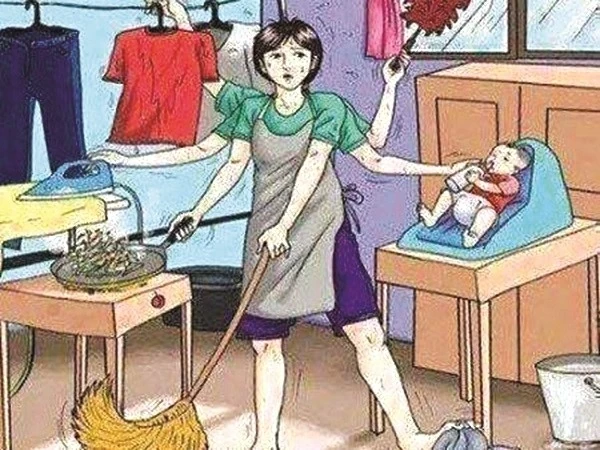 |
| Women's fatigue and overload are sometimes seen as proof of dedication, rather than a sign of a social issue that needs addressing. (Photo: Phu nu Thu do Newspaper) |
Unpaid care work and prolonged gender inequality
To date, unpaid care work should be seen not just as a matter of time allocation within families, but as a reflection of long-standing structural gender inequalities in society. This division of labor is recreated from an early age, as girls are often expected to know how to care for, help with housework, and be attentive to others, while boys face less similar pressure.
As they grow up, these expectations continue to influence individual choices and behaviors, making women more likely to accept the majority of care work as a natural duty. This makes unpaid care work difficult to recognize as an issue that requires policy intervention.
Gender inequality in care work also directly affects women's opportunities and status in society. When spending a lot of time on care work, women often face disadvantages in accessing stable employment and career advancement. Meanwhile, men have more opportunities to focus on paid work and career development. This gap not only affects income but also prolongs the disparity in power and voice between the genders.
Notably, women's right to rest is often the first factor sacrificed in this context of inequality. When care is seen as a woman's default responsibility, their lack of rest time is not considered abnormal. On the contrary, women's fatigue and overload are sometimes seen as proof of dedication, rather than a sign of a social issue that needs addressing.
Without changes in awareness and policy, inequality in unpaid care work will continue to be a persistent issue across generations. When gender roles remain unchanged, the burden of care primarily falls on women, and their right to rest continues to be silently diminished. From a human rights perspective, this is not just a family matter but a common challenge to the goals of gender equality and fair societal development.
Ensuring the right to rest for women
In Vietnam, unpaid care work is still predominantly undertaken by women. The 2023 report on the implementation of national gender equality goals shows that women spend approximately 2.3 hours per day on housework, 1.8 times more than men[4].
According to data from the 2024 Labor and Employment Survey, women spend an average of 15.5 hours per week on housework, while men spend 8.6 hours. This reality clearly reflects the disparity in time allocation between men and women and shows that the burden of care is still seen as a woman's default responsibility, even when they fully participate in the labor market.
In recent years, Vietnam has made significant efforts to promote gender equality and protect human rights through its legal and policy systems. Documents related to labor, family, and gender equality emphasize the role of the family in caring for and nurturing its members. The National Strategy on Gender Equality for 2021-2030 aims to reduce the time women spend on unpaid housework and family care to 1.7 times by 2025 and 1.4 times by 2030 compared to men, while emphasizing the need for shared care responsibilities within the family and society.
The Gender Equality Law also stipulates that spouses share family work, the Marriage and Family Law emphasizes the obligation to jointly care for children, and the Law on the Elderly defines caring for the elderly as the "primary responsibility of the family." However, unpaid care work is still mainly seen as a family issue rather than a social issue that requires public policy intervention. This approach means that women's right to rest is rarely considered directly and comprehensively.
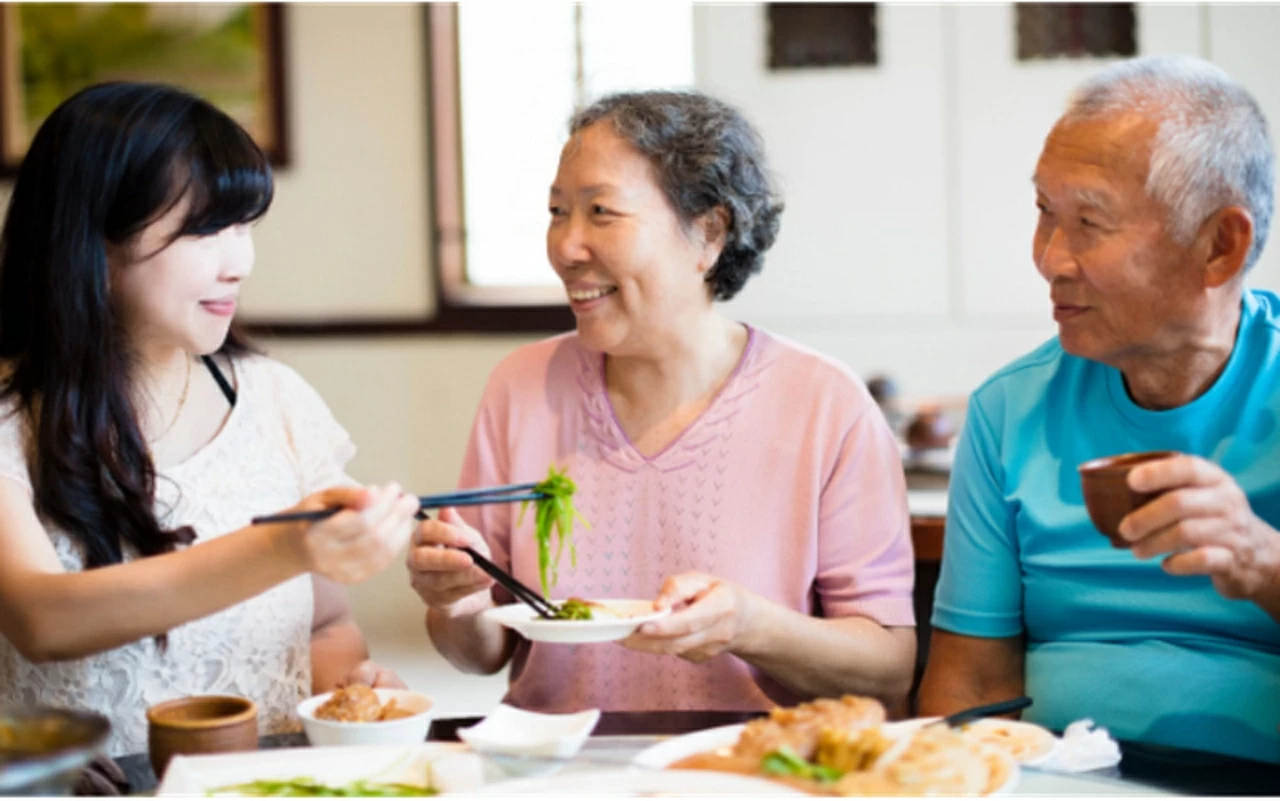 |
| Ensuring the right to rest for women does not only rely on changes within families but requires structural policies and solutions to share care responsibilities more equitably. (Photo: CafeF) |
The biggest gap lies in the lack of mechanisms to share care responsibilities. When public care services are limited and men's participation in care is not sufficiently encouraged, the majority of the burden continues to fall on women. From a human rights perspective, unpaid care work should not be seen as a personal choice but as a structural factor linked to social organization and development policy.
When the State does not create enough conditions to share care responsibilities, women have to fill that gap with their own time and effort. As a result, their right to rest is not restricted by prohibition but by the lack of necessary conditions to exercise that right.
Ensuring the right to rest for women does not only rely on changes within families but requires the proactive role of the State and the participation of the entire society. Recognizing the value of unpaid care work, expanding public care services, encouraging men to share family responsibilities, and integrating rest time into development policies are important approaches. Only when care responsibilities are more equitably distributed can women have the practical conditions to fully and equally enjoy the right to rest.
Approaching unpaid care work from a human rights perspective shifts the focus from individual sacrifice to the shared responsibility of the State and society. Ensuring the right to rest for women cannot rely solely on the efforts of individual families but requires structural policies and solutions to share care responsibilities more equitably. When care work is properly valued and reasonably distributed, women's right to rest will be truly guaranteed, thereby promoting gender equality and building a sustainable, humane, and dignified society.
| Rest is not only a biological need but also a human right recognized in international standards. However, in practice, this right is often understood and applied mainly within the framework of paid labor, associated with working hours, days off, and leave policies. This approach inadvertently overlooks an important reality: millions of women are engaged in unpaid care work, with no clocking in or out each day, no "end of shift" or guaranteed breaks. |
- Jacques Charmes, The Unpaid Care Work and the Labour Market: An Analysis of Time Use Data in Developed and Developing Countries (Geneva: International Labour Organization, 2019), cited in: "Global Gender Gap in Unpaid Care: Why Domestic Work Still Matters," FREE Policy Briefs, December 19, 2021, accessed January 8, 2026, https://freepolicybriefs.org/2021/12/20/gender-gap-unpaid-care/.
- United Nations Development Programme (UNDP), "Unpaid Work in the Global Perspective and in Kazakhstan," 2023, accessed January 7, 2026, https://www.undp.org/kazakhstan/stories/unpaid-work-global-perspective-and-kazakhstan
- UN Women and UNECE, Empowering Women through Reducing Unpaid Work: A Policy Brief (Geneva: UN Women/UNECE, 2021) Nguyen Huu Minh and Ha Thi Minh Khuong, "Dimensions of Population – Development in Vietnam and Issues for Women" Journal of Political Theory No. 573 (11/2025): 90-98 (95)
- "Women do unpaid housework 15.5 hours/week, nearly double that of men," Dan tri, April 13, 2025, accessed January 19, 2026, https://dantri.com.vn/thoi-su/phu-nu-lam-viec-nha-khong-cong-155-giotuan-gan-gap-doi-nam-gioi-20250412193300160.htm

| Vietnam-UNFPA partnership translates into tangible gains for women, girls, and young people WVR - The visit to Vietnam by Dr. Aleksandar (Sasha) Bodiroza, Regional Director for Asia and the Pacific ad interim of the United Nations Population ... |

| Launching project to strengthen prevention and response to violence against women and girls in Quang Ninh WVR - On February 4, UNFPA in Vietnam in collaboration with Quang Ninh Department of Health, with financial support from the Korea International Cooperation Agency ... |
| Workshop: Enhancing capacity and ensuring safety for military women for peace and security in the digital era WVR - On February 7, an international workshop on “Enhancing capacity and ensuring safety for military women for peace and security in the digital era” ... |
| 2024 Global Women's Summit in Spain: Vietnamese women confidently integrate in Europe WVR - The Forum of Vietnamese Women in Europe not only creates a space for connection but also paves a structured path for deep and ... |
| Integration to elevate the intelligence of women in the Ministry of Public Security From March 2-6, a delegation from the Ministry of Public Security of Vietnam, led by Major General Ngo Hoai Thu, Deputy Director of the Department ... |


