




The cement industry shows signs of recovery after years of glut
The cement industry is showing signs of recovery in 2025 after two years of oversupply and weak domestic demand, driven by accelerated public investment in infrastructure development and lower input costs.
Latest
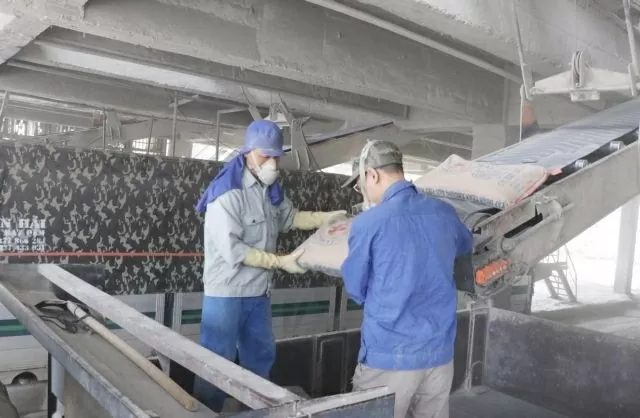 |
| Cement production at La Hien Cement Joint Stock Company. (Source: VNA) |
According to the Ministry of Construction, the sector recorded strong growth in the first six months of the year, with output reaching 49.8 million tonnes, up 18%, and sales rising 14% to 54 million tonnes.
Domestic sales climbed 18% to 37.5 million tonnes, highlighting a solid rebound in local demand. Exports in January-June rose 6% to 17 million tonnes, led by a 19% increase in clinker shipments, generating total revenue of 635 million USD, up 1.7%. Key markets included the Philippines, the US, Singapore and Malaysia.
Export prices, however, remain under pressure from fierce competition, forcing producers to maintain prices at late-2024 levels to secure orders. Cement and clinker inventories stood at around 4.5 million tonnes, equivalent to 20 days of production.
Falling input costs have improved margins, though high electricity prices continue to weigh on producers. Imported coal prices, a major input, dropped sharply to 98.6 per tonne, 22.6% lower than the same period last year. Meanwhile, average electricity prices increased by 4.8% from May 10.
Several producers posted significant profit growth. VICEM Ha Tien reported an after-tax profit of 112.3 billion VND, 2.45 times higher than last year, while VICEM Bim Son earned nearly 64.2 billion VND, up 150%. VICEM But Son recorded a profit of 12.4 billion VND.
Public investment and a gradual recovery in construction are expected to remain the major growth drivers for the cement industry this year, said Nguyen Van Thang, director of construction services company Gemtec.
Exports in the coming months will depend largely on demand from South Asia and Southeast Asia, as well as the impact of trade protectionism and transport costs.
Industry expert Pham Ngoc Trung noted that the sector should prioritise product restructuring and energy conversion. Reducing clinker proportions, producing more high-added-value cement products, and adopting alternative energy sources would significantly cut costs and create sustainable competitive advantages, he said.
FPT Securities forecast domestic cement demand to grow by 2.38% annually during 2024–2039, supported by positive housing construction prospects. However, export growth is unlikely to be as optimistic, with weak demand from China and rising protectionism weighing on the outlook.
Vietnam currently operates about 90 cement production lines, with an annual capacity of 106 million tonnes.
(Source: VNA)