



Strengthening cooperation between Vietnam and the United Nations in crime prevention
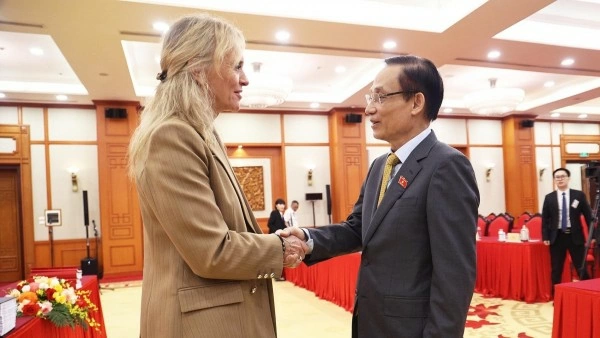
WVR - On May 13, at the United Nations headquarters in Vienna, Austria, new Director-General of the United Nations Office at Vienna (UNOV) and Executive Director of the United Nations Office on Drugs and Crime (UNODC) Monica Kathina Juma officially assumed her position and paid courtesy visits to Ambassadors and Permanent Representatives of countries alongside the United Nations and other international organizations in Vienna.
Latest
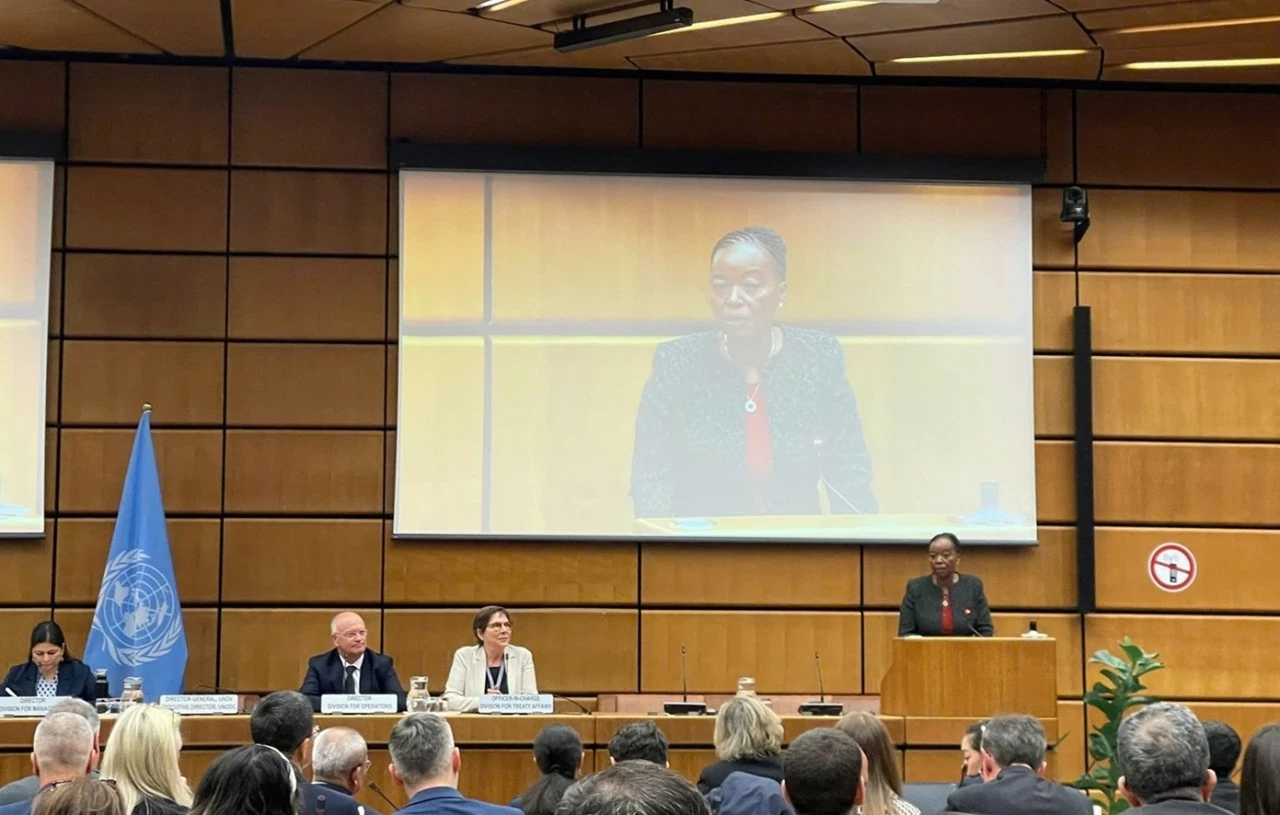 |
| Director-General of the United Nations Office at Vienna (UNOV) and Executive Director of the United Nations Office on Drugs and Crime (UNODC) Monica Kathina Juma speaks. (Source: Vietnamese Embassy in Austria) |
Attending the meeting, Ambassador Vu Le Thai Hoang, Head of the Permanent Mission of Vietnam to the United Nations and other international organizations in Vienna, delivered a congratulatory letter from Foreign Minister Le Hoai Trung and, on behalf of the State and Government of Vietnam, extended a welcome to Ms. Monica Kathina Juma.
The Ambassador emphasized that Vietnam highly values the support of UNODC in enhancing national capacity in crime prevention and criminal justice, drug control, and addressing emerging challenges, particularly cybercrime. Vietnam always prioritizes cooperation with UNODC, and both sides have effectively coordinated in many bilateral activities and multilateral processes related to crime prevention.
On this occasion, the Ambassador once again thanked UNODC for collaborating with Vietnam in successfully organizing the Signing Ceremony of the United Nations Convention on Cybercrime in Hanoi in October 2025 (Hanoi Convention).
Vietnam hopes that both sides will continue to coordinate closely and effectively in the future, especially in the necessary diplomatic and legal processes for the Hanoi Convention to soon take effect and be effectively implemented, contributing to ensuring cybersecurity and combating high-tech crimes, aiding countries in developing technology and innovation effectively.
The Head of the Vietnamese Mission expressed confidence that under Ms. Juma's leadership, UNODC will continue to play a pivotal role in promoting global efforts to combat transnational organized crime while advancing justice, the rule of law, and sustainable development.
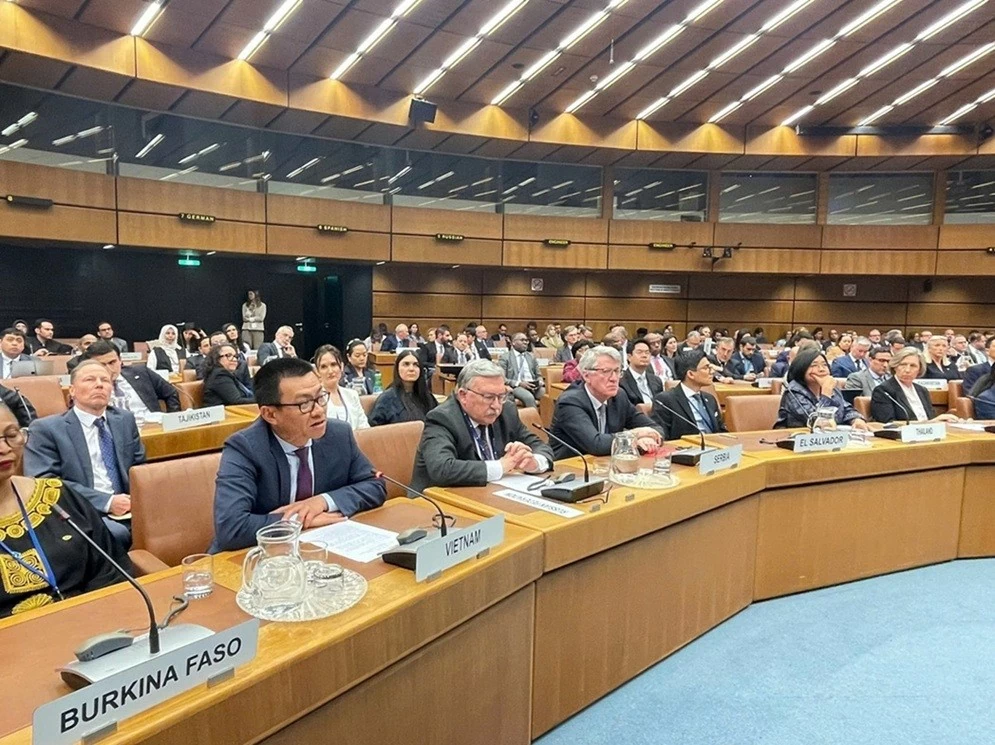 |
| Vietnamese Ambassador to Austria Vu Le Thai Hoang speaks. (Source: Vietnamese Embassy in Austria) |
Speaking at the meeting, the new Director-General of UNOV and Executive Director of UNODC emphasized that transnational organized crime, drug trafficking, human trafficking, organized crime, corruption, cybercrime, and terrorism are becoming increasingly complex, negatively impacting national security and the achievement of sustainable development goals.
Ms. Juma noted that the multilateral system and the United Nations are under significant pressure, especially in the context of financial difficulties affecting the operations of the United Nations in Vienna. However, she affirmed that multilateralism continues to play a crucial role in addressing global challenges. The current difficulties also present opportunities to promote the United Nations' innovation and reform of its operations.
Through the "UN80" reform process initiated by the Secretary-General, the United Nations aims not only to reduce costs but also to build and implement activities more effectively and reliably, responding to the rapid changes in the international situation.
Regarding future directions, Ms. Juma stated that one of the top priorities is to complete a new operational strategy for UNODC and a corresponding reform roadmap to help the organization operate more focused, flexible, and effectively. The new Executive Director of UNODC is committed to continuing to strengthen a comprehensive, inclusive approach, enhancing coordination between programs and specialized fields, expanding cooperation with regional organizations, academia, the private sector, and technology stakeholders to improve responses to increasingly growing non-traditional security challenges.
Ms. Juma also highlighted the importance of ensuring that the voices of developing countries, particularly in the Global South, are more fully reflected in shaping global priorities.
Concluding her speech, Ms. Juma shared three main principles for her term, including "collective responsibility," "trust," and "commitment," and affirmed that she will work openly and constructively with all member states to enhance the effectiveness and substantial impact of UNODC on people and communities worldwide.
(Source: Vietnamese Embassy in Austria)