




Deputy FM Dang Hoang Giang and U.S. Assistant Secretary Michael DeSombre co-chair Mekong-U.S. Partnership meeting
WVR - On June 2, in Jakarta, Deputy Foreign Minister Dang Hoang Giang and U.S. Assistant Secretary of State Michael DeSombre co-chaired the Senior Officials' Meeting of the Mekong-U.S. Partnership (MUSP) 2026 – the first activity in the year Vietnam assumes the role of co-chair of the MUSP mechanism. Representatives from Cambodia, Laos, Myanmar, and Thailand attended the meeting.
Latest
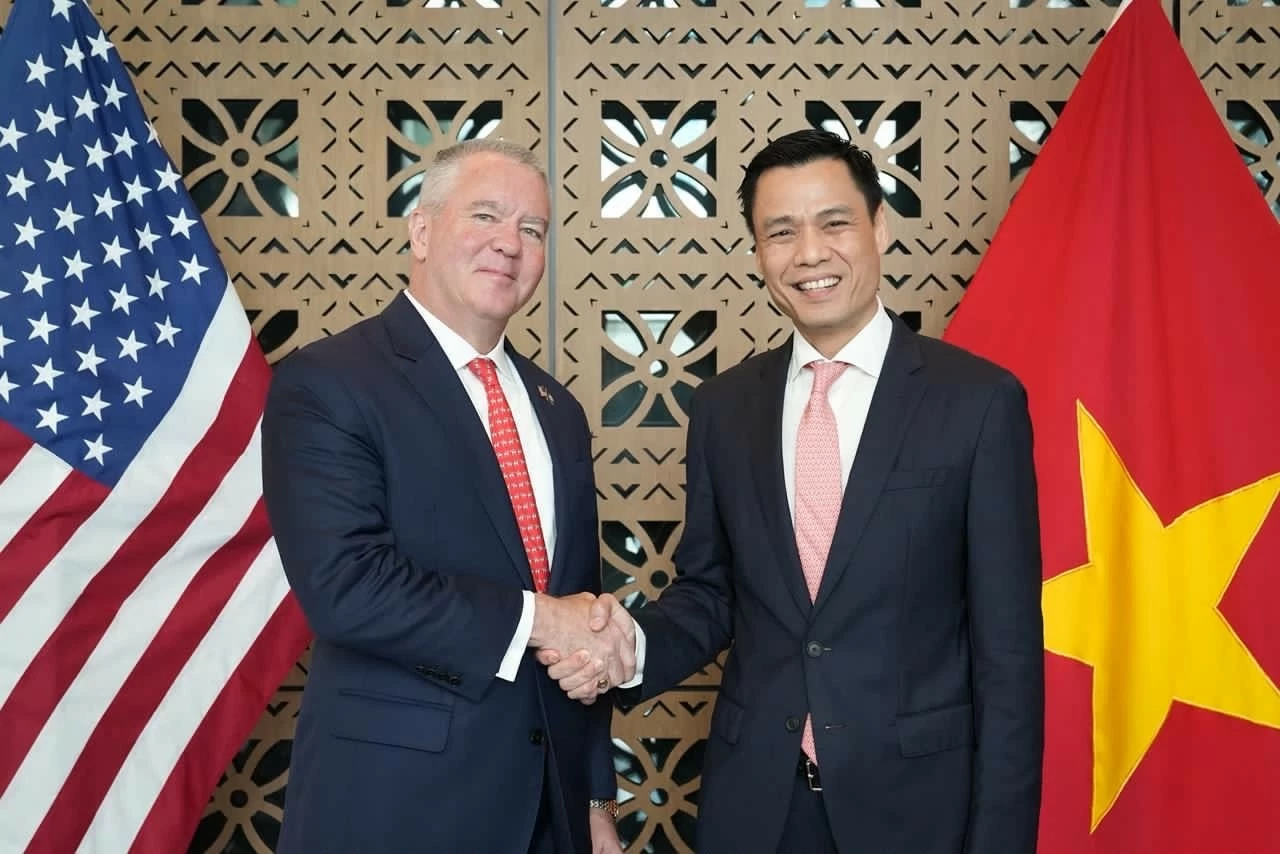 |
| Deputy Foreign Minister Dang Hoang Giang and U.S. Assistant Secretary of State Michael DeSombre co-chaired the Senior Officials' Meeting of the Mekong-U.S. Partnership. (Photo: Bao Chi) |
The meeting took place in an open and positive atmosphere, demonstrating the commitment of the Mekong countries and the United States to jointly promote a vibrant, effective, and substantive MUSP partnership, with members acting together and benefiting together. In this spirit, the meeting discussed the cooperation implementation plan for 2026 and the development of the MUSP Action Plan for 2027–2029. The countries emphasized the importance of continuing key areas of cooperation such as water resources, environment, energy security – food security, and human resources. Additionally, members agreed on the urgent need to expand MUSP cooperation into new areas such as supply chains, digital economy, artificial intelligence, essential minerals, online fraud prevention, and cybercrime. These are fields that meet the development requirements and common interests of both sides.
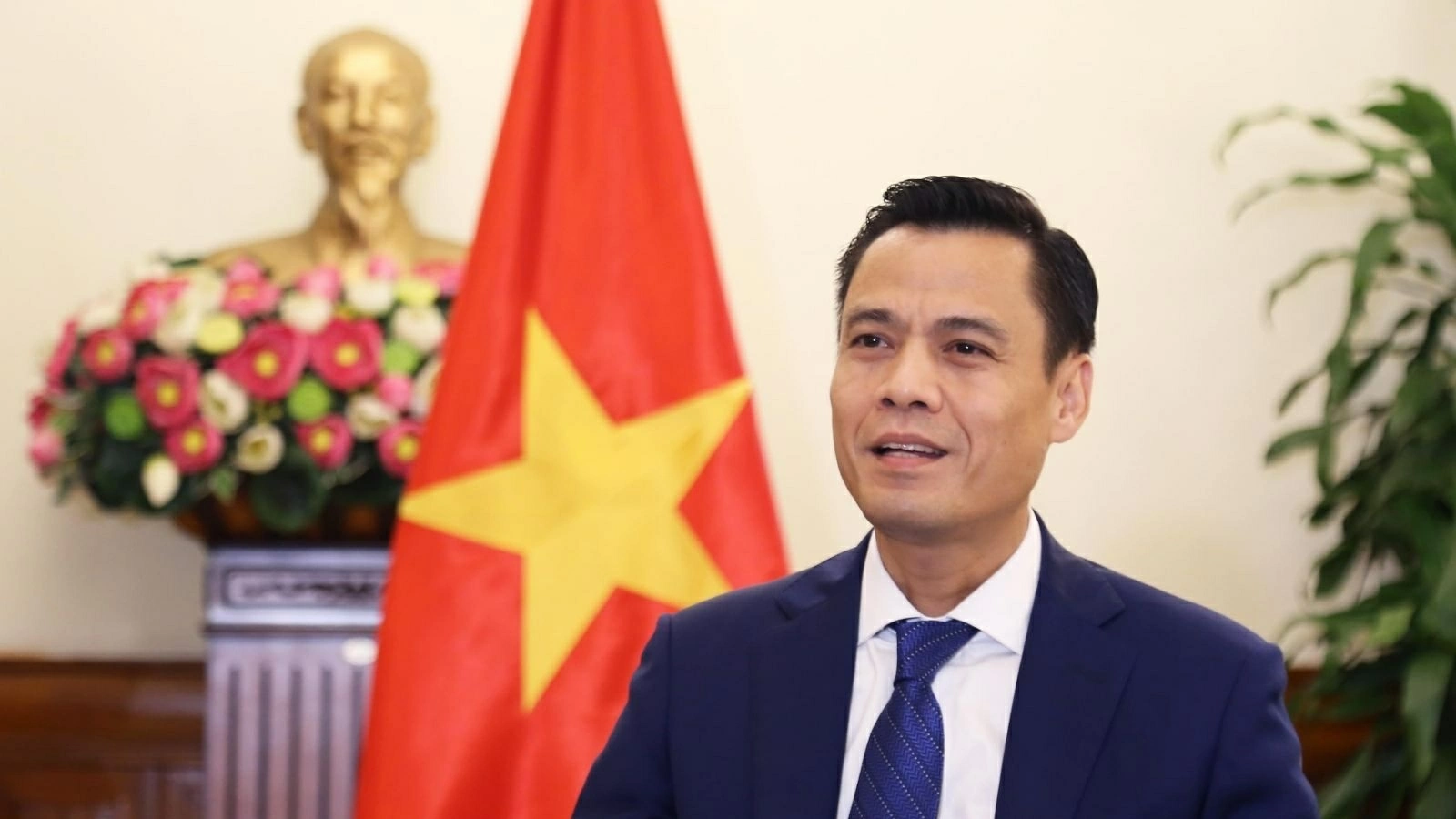
To promote a more effective and action-oriented MUSP, Deputy Foreign Minister Dang Hoang Giang proposed four priorities for future cooperation. Firstly, strengthen substantive bilateral relations between the United States and each Mekong country, contributing to building a strategic MUSP partnership, overcoming differences, and building trust. Secondly, promote economic connectivity through resilient production links, supply chains, and LNG market development. Thirdly, coordinate responses to non-traditional security challenges, especially cybercrime, online fraud, drug trafficking, and human trafficking. Fourthly, water resource management remains a key focus of cooperation, but there is a need to promote the application of new technologies, AI in data collection and analysis, and modernization of monitoring systems. Deputy Minister Dang Hoang Giang emphasized that for MUSP cooperation to deepen, high-level policy dialogue must be linked to specific projects; strategic vision must be transformed into measurable outcomes; U.S. support should go hand in hand with the proactive role of Mekong countries in proposing, designing, and implementing cooperation. With this orientation, MUSP cooperation will continue to support an independent, resilient, and prosperous Mekong sub-region and contribute to shaping an open, inclusive regional structure centered on ASEAN. Vietnam's proposals received positive responses from the members.
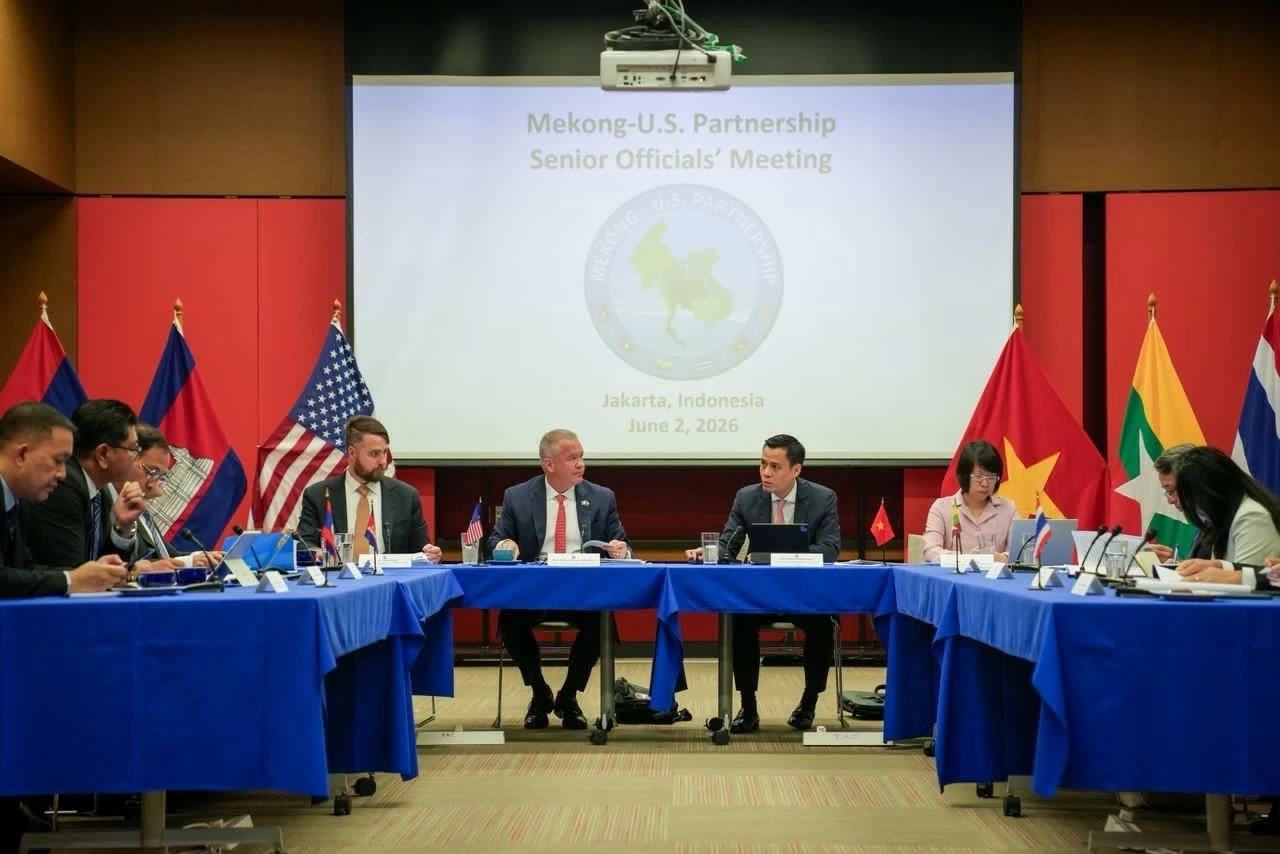 |
| Deputy Foreign Minister Dang Hoang Giang proposed four priorities for Mekong-U.S. cooperation in the near future. (Photo: Bao Chi) |
U.S. Assistant Secretary of State Michael DeSombre reaffirmed that the Mekong is a crucial component of the Indo-Pacific policy, announcing a $14 million support package for cooperation programs in 2026. In the upcoming phase, through the MUSP partnership, the United States aims to support a "safer, stronger, and more prosperous" Mekong sub-region. Cooperation programs will be designed with a focus, complementing each other in areas such as food security, energy security, and strategic minerals linked to sustainable water resource management and use.
The meeting agreed to promptly review the implementation of the 2024–2026 Action Plan and develop the 2027–2029 Action Plan to be implemented from the beginning of 2027. Members also continue to consider resuming the MUSP Ministerial Meeting to create new momentum for the Mekong-U.S. Partnership.
* On this occasion, Deputy Minister Dang Hoang Giang held a bilateral meeting with U.S. Assistant Secretary of State Michael DeSombre, discussing trade negotiations, intellectual property, and potential cooperation directions in strategic minerals, aviation, and aerospace. The Deputy Minister affirmed that the Vietnamese Government always facilitates U.S. businesses to invest and operate in Vietnam. Both sides agreed to continue close coordination in sub-regional, regional, and global mechanisms.


