


Keeping the E De spirit alive in Hanoi's Old Quarter
A "miniature Central Highlands" with a hearth, pan-roasted coffee, epics, and the authentic E De lifestyle exists amidst Hanoi's Old Quarter. In a century-old house, culture is not hidden behind glass but is present through stories, the warmth of the fire, and connections between people.
Latest
"Awakening" a century-old heritage in the heart of the Old Quarter
Located at 23 Chau Long, the ancient house where ToTo Cafe operates is one of the few structures in this neighbourhood that have retained their original architecture since 1924. After more than 30 years of abandonment and severe deterioration, the house was revived thanks to the "Bringing the Forest to the City" project by the UNESCO Youth Creative Centre Hanoi (UNESCO YCC). This is also where Y To To Kbuor, a young E De man, chose to begin his journey of realising his aspiration to bring the Central Highlands' identity to the city.
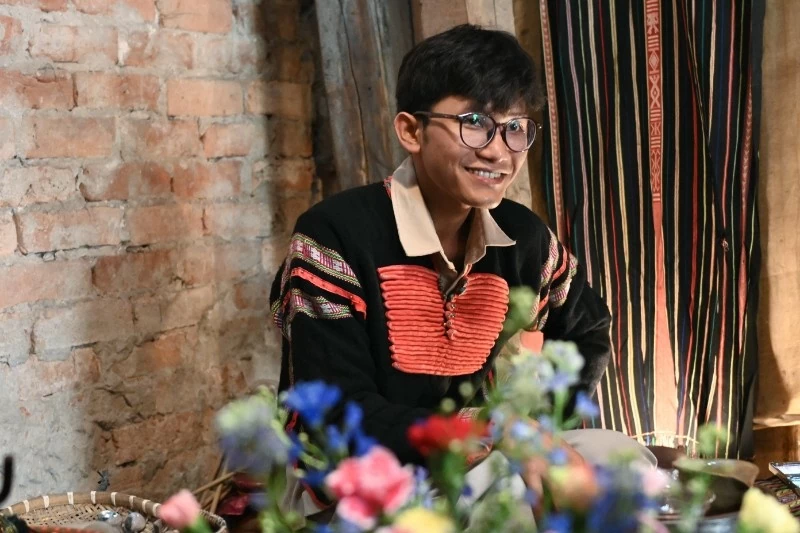 |
| Y To To Kbuor, owner of ToTo Cafe. |
Y To To (owner of ToTo Cafe) shared that the idea for the cafe stemmed from his concern that traditional values were being gradually forgotten in modern life. He recalled the early days when he quit his job to pursue his passion: “I used to cycle around Hanoi selling coffee, carrying with me stories of E De culture. I found many aspects of my ethnic culture truly beautiful but slowly fading away.”
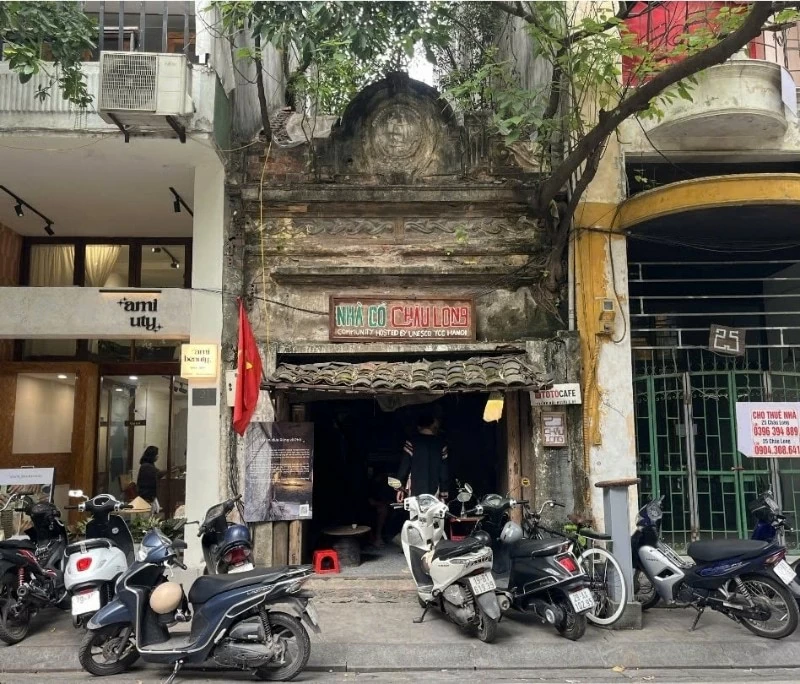 |
| ToTo Cafe was established at 23 Chau Long Street, in a house over a century old. |
A turning point came when he met Dinh Quang Thang (Deputy Director of UNESCO YCC) and received support to implement this community cultural model. For Y To To, ToTo Cafe is not merely a coffee business. “The thousand-year-old heritage of the capital will be enriched by the presence of various cultures. I want to create a space where people can directly engage with culture, rather than just hear about it,” he confided.
Cultural touchpoint: When artefacts are no longer behind glass
Unlike commercial coffee chains, ToTo Cafe operates on a "living experience" model. As soon as visitors step into this space, they can feel the aroma of pan-roasted coffee mingling with kitchen smoke, the yellow light reflecting off brocade fabrics, and the sound of Central Highlands stories echoing in the old Hanoi house. Here, coffee is not just a beverage but a way to tell the story of life and culture in the Central Highlands. All ingredients are harvested from Y To To's family farm in Dak Lak, roasted manually in large pans using a traditional recipe, and sent directly to Hanoi.
Visitors here do not play the role of passive observers. They directly participate in the process of roasting beans on a hot pan, grinding with a stone mortar, and brewing with a traditional filter. Surrounding them are everyday life artefacts such as baskets, baby carriers, farming tools, and folk literature works like the Dam San and Xinh Nha epics. These items are not behind display glass but are part of everyday life, making visitors feel as if they are stepping into a real E De home in the heart of the old quarter. According to Y To To, epics and folk songs are ways to preserve a community's history across generations.
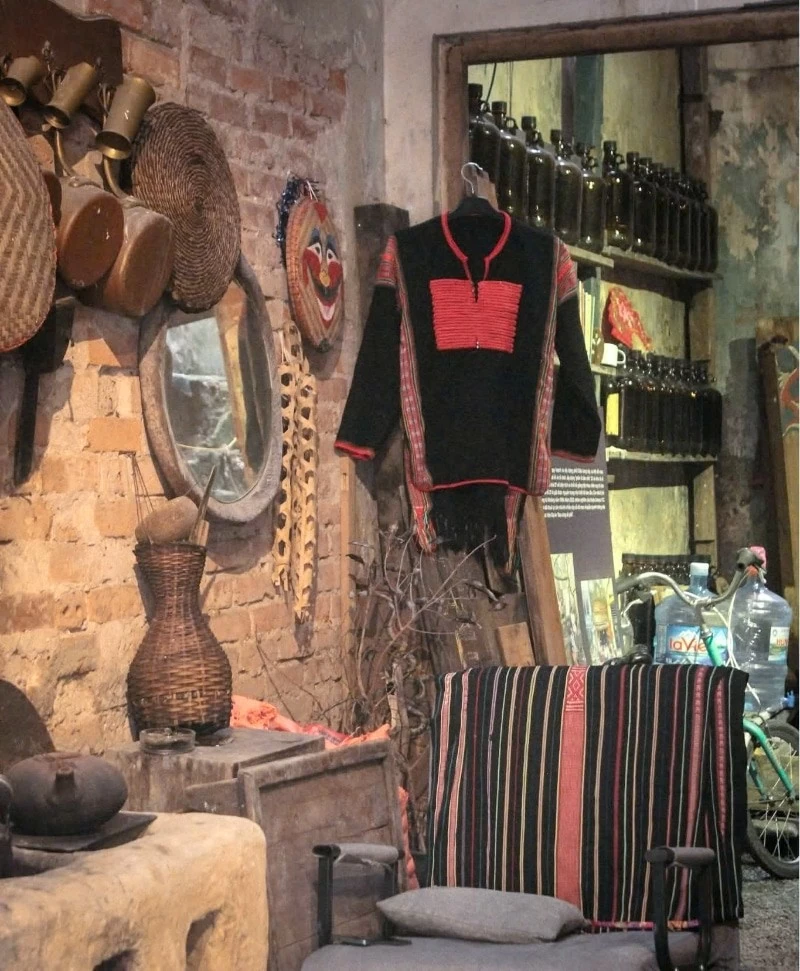 |
| All decorative items in the cafe are real objects sent by Y To To's family from Dak Lak. |
Y To To expressed, “I want people to understand that coffee is not just a drink; it is culture, a story of the land where it is created.” The presence of the E De owner, who is willing to sing folk songs or talk about matriarchal customs, turns each cup of coffee into a lively cultural exchange.
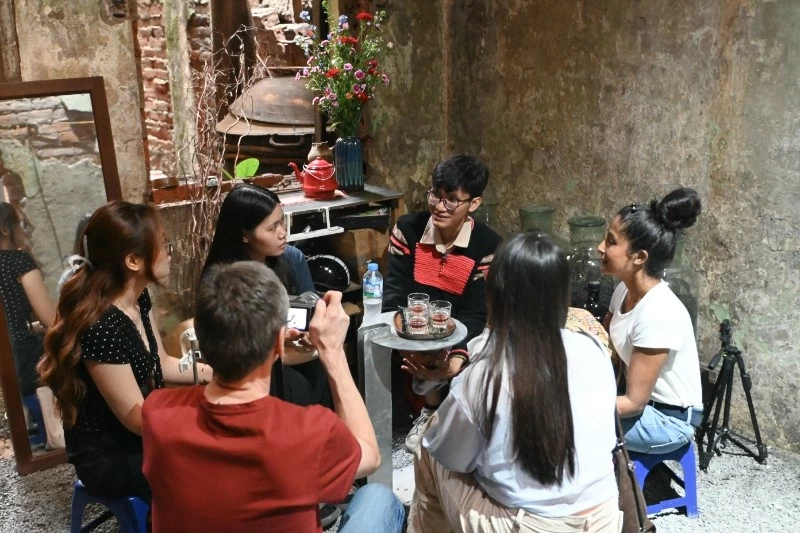 |
| Y To To Kbuor shares cultural stories with guests. |
In the stories Y To To shares with guests, the E De matriarchal culture always piques curiosity. For the E De, women hold the central role in the family; children take their mother's surname, and men move in with their wife's family after marriage. Y To To says this creates a unique community bond in Central Highlands life.
The E De longhouse is a tangible testament to this bond. When a daughter in the house marries, the longhouse is extended (de) to accommodate the new couple. The more generations of women, the longer the house, symbolising the clan's prosperity and sustainability. For the E De, the longhouse is not just a dwelling but a symbol of family memory and community connection across generations.
"Like visiting a friend's home"
From the perspective of regular visitors, ToTo Cafe offers a sense of complete detachment from the city's hustle and bustle. Michele and Vinesha – two international guests who have been attached to this place for nearly a year – consider it their "second home" in Hanoi.
Vinesha shared: “To To introduced and opened up a whole aspect of Vietnamese culture that we had never known before. Talking with someone from the Central Highlands helps us better understand Vietnam's ethnic diversity. It's a rich educational experience.” She also emphasised the uniqueness of the drinks here: "Even after travelling to many places worldwide, it's hard to find somewhere with fresh coffee that carries such a strong family flavour."
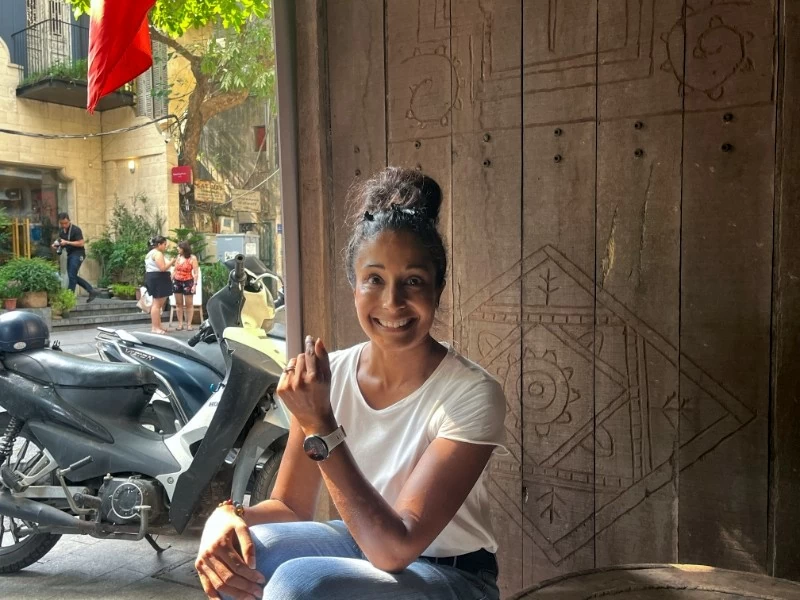 |
| Vinesha enthusiastically shares her feelings about ToTo Cafe. |
Michele added, “For us, this place feels more like visiting a friend's home than a commercial coffee shop. The special thing is that the E De culture here doesn't feel like a performance for tourists but is naturally present in the way people talk, cook, drink coffee, and live daily.”
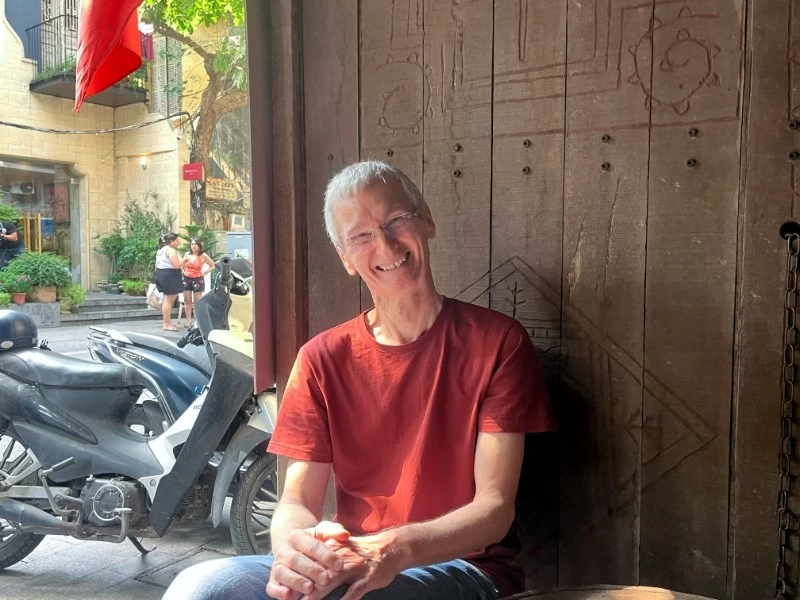 |
| Michele – an international guest – has been attached to the ToTo Cafe space. |
Hoang, a regular customer who was initially drawn to the house's quiet, green space when he accidentally passed by, has now become a companion to the project. He recognises ToTo's uniqueness in its ability to create a "slow down" feeling.
“I learned that over 60% of the visitors are foreigners. But when sitting on the ground, around the hearth, all distances or differences between people seem to disappear. Perhaps that makes visitors more open,” Hoang observed.
In Central Highlands life, the hearth is not merely for cooking but also a place for storytelling, singing folk songs, or passing down community memories. Therefore, maintaining a glowing hearth in the heart of Hanoi's Old Quarter is also Y To To Kbuor's way of recreating the familiar rhythm of E De life. Amidst Hanoi's Old Quarter, that flame becomes a "piece of Central Highlands memory," preserving traditional activities in a modern urban space.
Hoang believes that the hearth, indigenous knowledge, and traditional practices such as cooking in cast-iron pots and making bamboo rice are ways to make culture memorable. "As long as culture exists, the ethnic group exists. I hope ToTo is a place where everyone can touch cultural memories that seem distant from today's urban life."
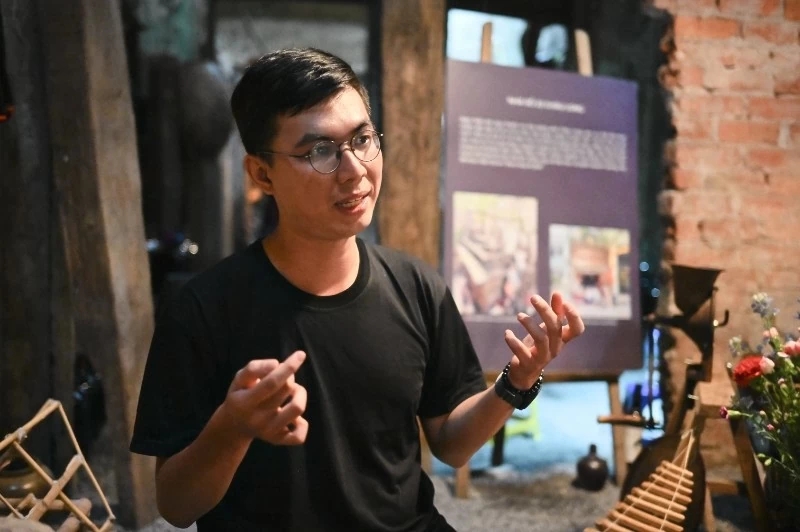 |
| Hoang shares his experience at the ToTo Cafe cultural space. |
A creative ecosystem within a "breathing space"
To maintain an authentic experience, the space at 23 Chau Long deliberately does not provide Wi-Fi. This creates opportunities for community projects around ToTo Cafe (such as the Umoya project) to develop. These activities gradually attract young people seeking connection and emotionally rich experiences.
Art film screenings, community cooking, and open discussions gradually transform ToTo Cafe into a cultural activity space. Here, activities that are unfamiliar in urban areas, such as manual coffee roasting or bamboo rice cooking, are maintained as part of daily life. In this space, visitors might encounter a poet playing traditional instruments for hours or a psychologist organising a "safe space" for people to share personal issues.
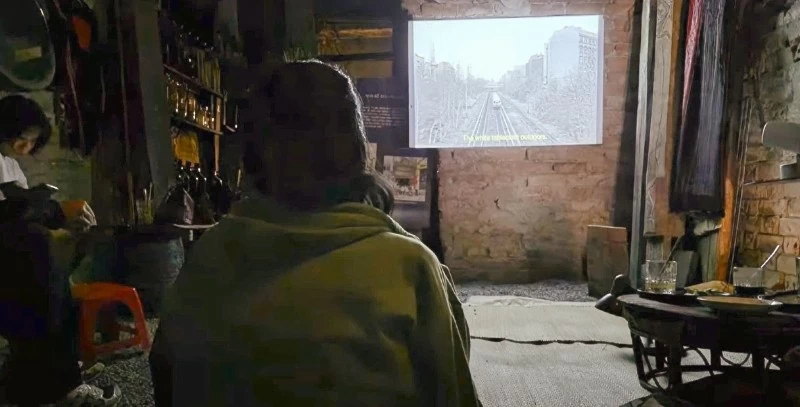 |
| A film screening and in-depth discussion at The Kilnema project under dim lighting. |
Letting culture "live" through human interaction
Despite the challenges of convincing the landowner to prioritise cultural values over commercial profit, the community's solidarity has become the driving force behind this space's continued existence. Difficulties persist, as bringing ethnic culture into urban spaces poses many challenges in ensuring "authenticity." As the number of visitors increases, operational pressures and new experience demands may lead to cultural elements being "performed" or becoming consumer products.
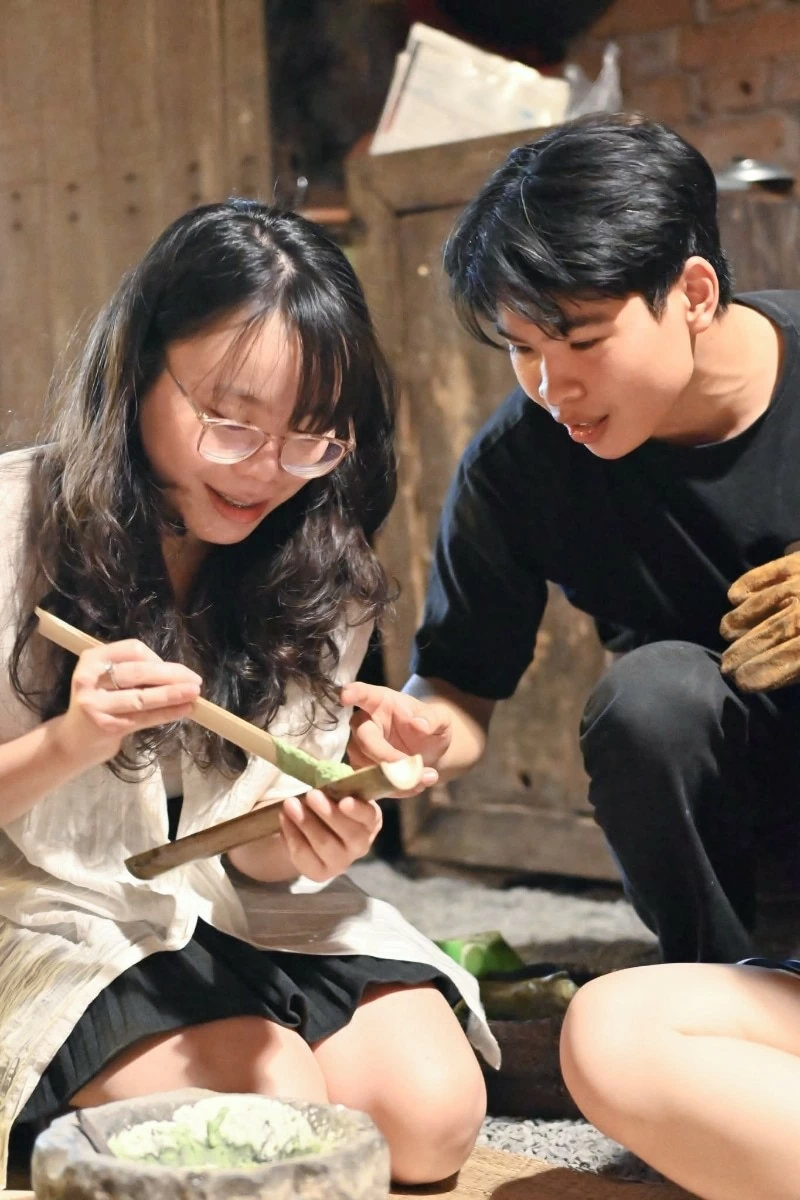 |
| A group of young people participating in the Umoya community cooking activity by the cast-iron stove. |
Understanding these challenges, the "guiding principle" that Y To To Kbuor always keeps in mind when operating the ToTo Cafe model is: “I don't want this place to develop in a commercialised direction. The most important thing is to maintain cultural depth and genuine human connections.” This is also the message he often shares with visiting guests.
In the heart of Hanoi's Old Quarter, where modern life continues to move, ToTo Cafe chooses to maintain the slow rhythm of the hearth, storytelling, and human encounters. This space acts as a "cultural bridge," where the E De identity is not found in books or museums but is present through the breath of life amidst today's urban landscape.
| Spreading the spirit of ancestry at Binh Da Festival 2026 WVR - On the morning of April 22, at Den Noi Binh Da (Binh Minh Commune, Hanoi City), the procession, offering, and incense ceremony for ... |
| Commemoration of Hung Kings - Gathering the spirit of patriotism The Commemoration of the Hung Kings and the Hung Kings Temple Festival are among the most important festivals of the year for Vietnamese people. |
Tags: