



Vietnamese Coffee – A global heritage connection
At the recent scientific seminar – international forum "Global Coffee Industry Value Chain – Global, Local, and Sustainable Development" held at the World Coffee Museum (Buon Ma Thuot, Dak Lak), Vietnamese coffee is recognised as a vibrant intangible cultural heritage with global value, contributing to sustainable development.
Latest
 |
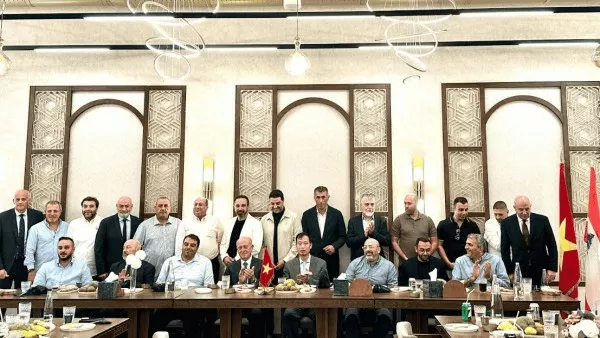
The seminar was organised by the Department of Culture, Sports, and Tourism of Dak Lak Province in collaboration with Ho Chi Minh City University of Culture, UNESCO, and Yunnan University (China), with the support of Trung Nguyen Legend Group and over 200 delegates, including scientists, experts, managers, businesses, and organizations from both domestic and international sectors.
Local Identity and Global Value of Coffee
The seminar "Global Coffee Industry Value Chain – Global, Local, and Sustainable Development" ("Glocal and Sustainable Development: Coffee Industry Global Value Chain Top Forum 2025") attracted nearly 70 presentations covering various fields from economics, society, culture, anthropology, heritage studies to processing technology, global value chains, and sustainable development from scientists, experts, researchers, organizations, and businesses, with eight notable presentations delivered directly at the event (December 6, 2025).
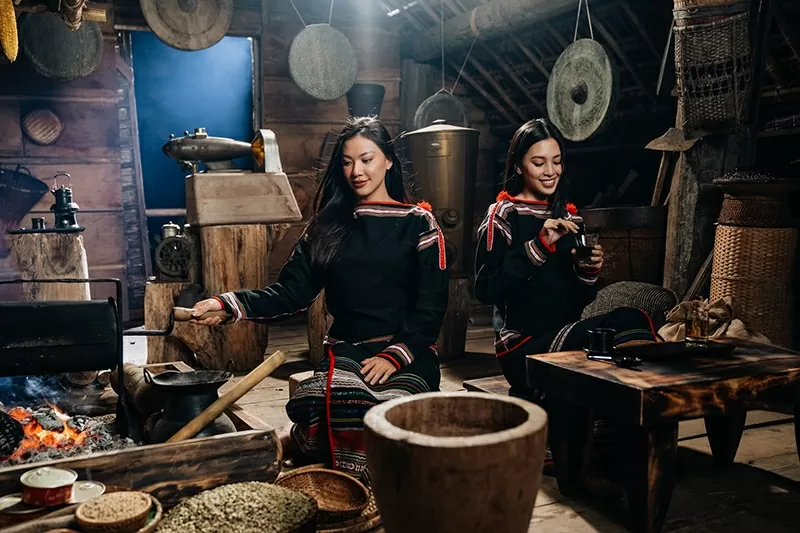
Discussing the value of coffee in the global value chain, the presentation "For Coffee Culture to be Recognized by UNESCO as a Good Practice Heritage - The Vibrant Role of the Heritage Community" by Dr. Nguyen Thi Thu Trang, representing the research team, stated: "Coffee is not only a strategic export commodity bringing significant foreign exchange but also creates a closed economic-cultural-social-tourism value chain." Coffee is also analyzed for its role as a "social connector", a means of communication, where "going for coffee" is used to meet, chat, and build social networks.
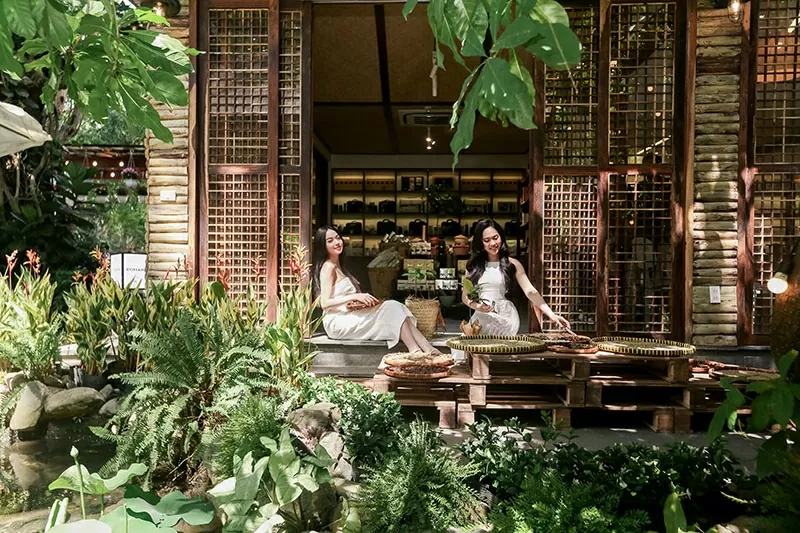 |
| Miss Thanh Thuy and Runner-up Trinh Thuy Linh experience Trung Nguyen Legend World Coffee (No. 7 Nguyen Van Chiem, Saigon, Ho Chi Minh City), a unique coffee space that gathers the essence of three world coffee civilizations along with the local cultural imprint of Buon Ma Thuot, Dak Lak. |
From an international perspective, in the presentation "Taste Hierarchies of Taiwanese Coffee", Prof. Chung Hsiu-Mei shared research on Taiwanese coffee culture, "the formation and shift of coffee culture reflects social changes" and noted that coffee shops "are not just places of consumption but symbolic spaces where social identities, aesthetic senses, and class boundaries are simultaneously expressed and continuously debated". In the study on urban women's specialty coffee consumption community in Kunming (Brewing Friendship: How Urban Women Build a "Community of Philia" through Specialty Coffee Consumption in Southwest China), Prof. Jiang Yan-rong from Yunnan University (China) emphasized the community connection value of coffee, "the sharing of knowledge and coffee consumption has formed a community bonded by friendship and kinship, promoting intercultural dialogue."
Notably, the approach to coffee as an intangible cultural heritage with global values was deeply analyzed at the seminar. The Department of Culture, Sports, and Tourism of Dak Lak Province stated: "The transition from 'commodity coffee economy' to 'cultural coffee economy' not only increases product value but also creates a sustainable development model, transforming coffee from an agricultural product into a cultural-economic creative resource." At the seminar, Assoc. Prof. Dr. Nguyen Thi Phuong Cham suggested: "Developing tourism based on Coffee Cultural Heritage is also a way for coffee to participate in sustainable development, aiming for a harmonious, humane, rich in identity, and creative society."
Accordingly, the story of Vietnamese coffee "has transcended the basic function of a beverage to become a cultural identity symbol", considered "a typical case of the intersection between global factors and local identity" was thoroughly analyzed at the seminar.
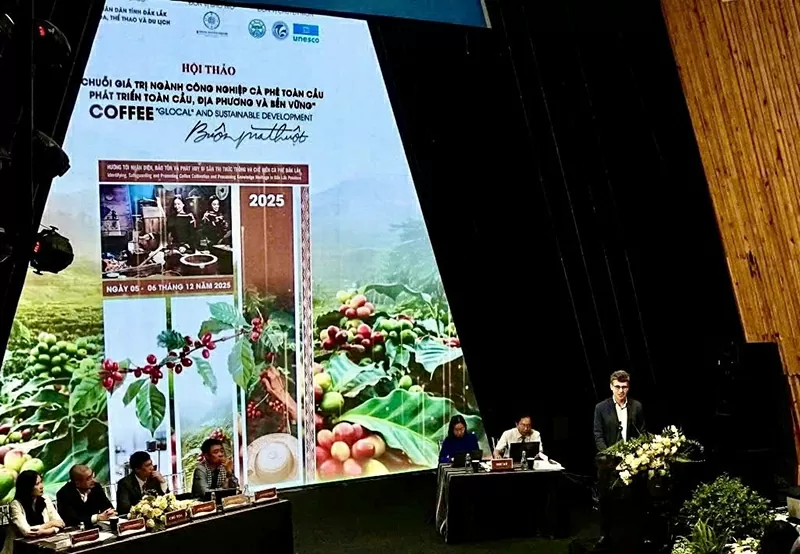 |
| The World Coffee Museum – A symbolic work of the Vietnamese coffee industry, rated by AP as "The largest, most vibrant, and unique living museum" and "one of the 17 best destinations to visit in Vietnam" according to top travel magazine Wanderlust. |
Dak Lak – the coffee capital of Vietnam- is not only the largest coffee-producing region in the country but also "preserves indigenous knowledge of coffee cultivation, processing, and enjoyment", forming a "rich cultural coffee space" that connects communities. Notably, at the seminar, in the presentation "For Coffee Culture to be Recognized by UNESCO as a Good Practice Heritage - The Vibrant Role of the Heritage Community", Dr. Nguyen Thi Thu Trang noted "Dak Lak's cultivation and processing knowledge" "is a vibrant heritage with multi-layered value, crystallizing the knowledge, skills, customs, and rituals of many generations of the Central Highlands community, with inheritance and adaptability". This contributes to shaping a new vision for the development of the Vietnamese coffee industry in the global value chain.
Elevating the Value of Vietnamese Coffee in the Global Value Chain
In March 2025, the Ministry of Culture, Sports, and Tourism awarded the certification "Dak Lak Coffee Cultivation and Processing Knowledge" as a national intangible cultural heritage. This scientific seminar – international forum "Global Coffee Industry Value Chain – Global, Local, and Sustainable Development" continues to pave the way for building the "Dak Lak Coffee Cultivation and Processing Knowledge" dossier to be submitted to UNESCO for inclusion in the List of Good Practices for the Protection of Intangible Cultural Heritage of Humanity.
|
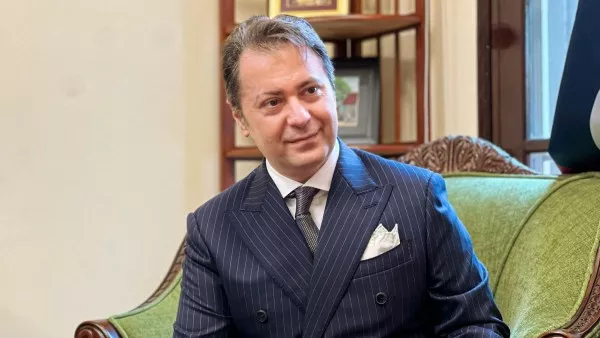
| Mr Jonathan Baker – Head of the UNESCO Office in Vietnam - highly appreciates the dedication, knowledge, and experience of local authorities, scientists, businesses, and communities in their efforts to make Dak Lak coffee a cultural pride and a source of sustainable development. |
UNESCO has recognized several coffee-related practices, including Arab Coffee Culture and Tradition (2015), the Ethiopian Coffee Ceremony (2010), and Turkish Coffee (2013). "Meeting the conditions to become a good practice example: vibrant heritage, naturally preserved by the community, contributing positively to livelihoods, environment, cultural exchange, and having the potential for international dissemination", "Dak Lak Coffee Cultivation and Processing Knowledge" has an excellent opportunity to be recognized by UNESCO, helping to honor indigenous knowledge, increase the brand value of Vietnamese coffee, and affirm the contribution of Buon Ma Thuot, Dak Lak on the world cultural heritage map.
At the seminar, Mr Jonathan Baker – Head of the UNESCO Office in Vietnam stated: "The research and development of the 'Dak Lak Coffee Cultivation and Processing Knowledge' dossier as an intangible cultural heritage is a visionary and timely initiative, not only an advantage for the province but also opens up opportunities for Vietnam to promote cultural values to the world".
This is the result of continuous efforts over a long period by state leaders, dedicated local authorities, and the support of the community of experts, businesses, organizations, and coffee growers and producers in Buon Ma Thuot, Dak Lak. Among them, Trung Nguyen Legend was mentioned by many experts and delegates at the seminar as "one of the few enterprises focusing on deep processing, bringing Vietnamese coffee culture to the world", "enriching identity and opening a path of knowledge and philosophy for Vietnamese coffee".
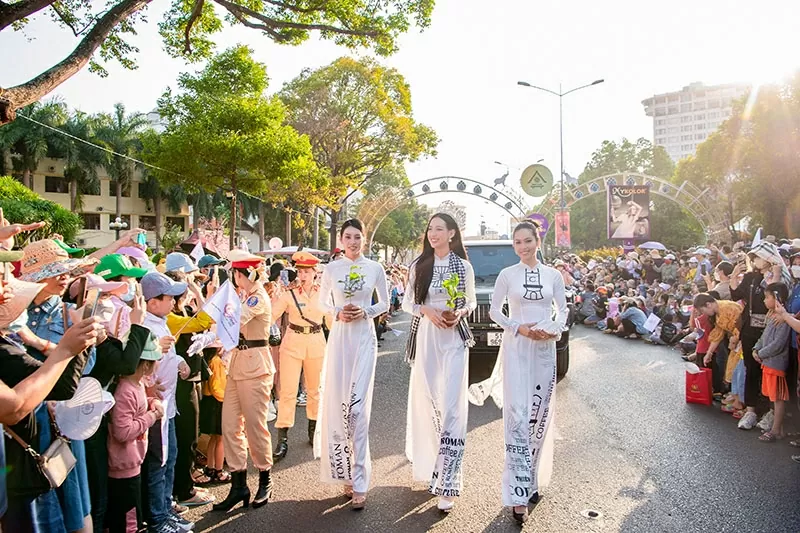 |
| Miss Tieu Vy, Miss Intercontinental Bao Ngoc, and Runner-up Hoang My accompany thousands of locals and tourists to honour the coffee tree at the Buon Ma Thuot Coffee Festival. |
Since 2005, Trung Nguyen Legend has collaborated with Dak Lak Province to organize activities promoting coffee culture, associated with the geographical indication "Buon Ma Thuot Coffee". In 2011, the Buon Ma Thuot Coffee Festival was officially recognized by the Prime Minister as a National Festival, gathering thousands of coffee lovers from both domestic and international communities.
In 2012, at the World Economic Forum, Trung Nguyen Legend's Founder and Chairman Dang Le Nguyen Vu proposed "7 initiatives for the global coffee industry" to build Buon Ma Thuot, Dak Lak, into an economic and cultural coffee capital with a global position, contributing to bringing in $20 billion annually for the Vietnamese coffee industry.
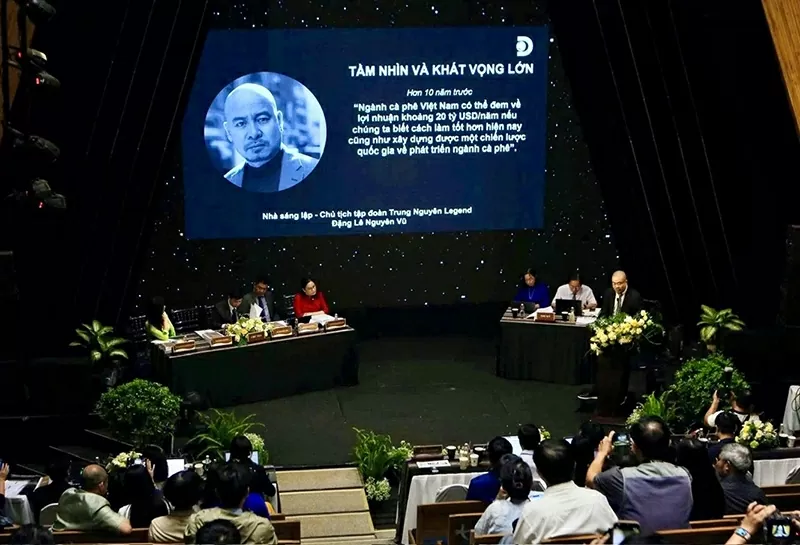 |
| Representatives from Trung Nguyen Legend share initiatives to preserve and promote the value of coffee and Vietnamese coffee culture globally, aiming for a vision of $20 billion annually for the Vietnamese coffee industry. |
For over a decade, Trung Nguyen Legend has consistently worked to realize these initiatives. Along with preserving and diversifying coffee culture styles and standards, Trung Nguyen Legend has promoted Buon Ma Thuot Robusta coffee and Vietnamese coffee culture and brand globally through innovative product systems and coffee shop models.
Today, Trung Nguyen Legend coffee is considered "diplomatic coffee", chosen as gifts for heads of state, politicians, and international ambassadors. The Trung Nguyen Legend coffee shop system is a "coffee destination" offering many enjoyable cultural experiences, which are favoured in China and the USA. It will soon be present in Australia, Canada, Japan, South Korea, Russia, Europe, and Asia.
Notably, the Coffee Tao philosophy – "The Tao of Coffee" from Vietnam, enlightened and created by Founder and Chairman Dang Le Nguyen Vu - aims for a humanistic and humane lifestyle, opening a sustainable future for the global community, and has been spread worldwide. Trung Nguyen Legend, recognised by international media such as Discovery, CNN, and Bloomberg, as the symbol of "The Tao of Coffee".
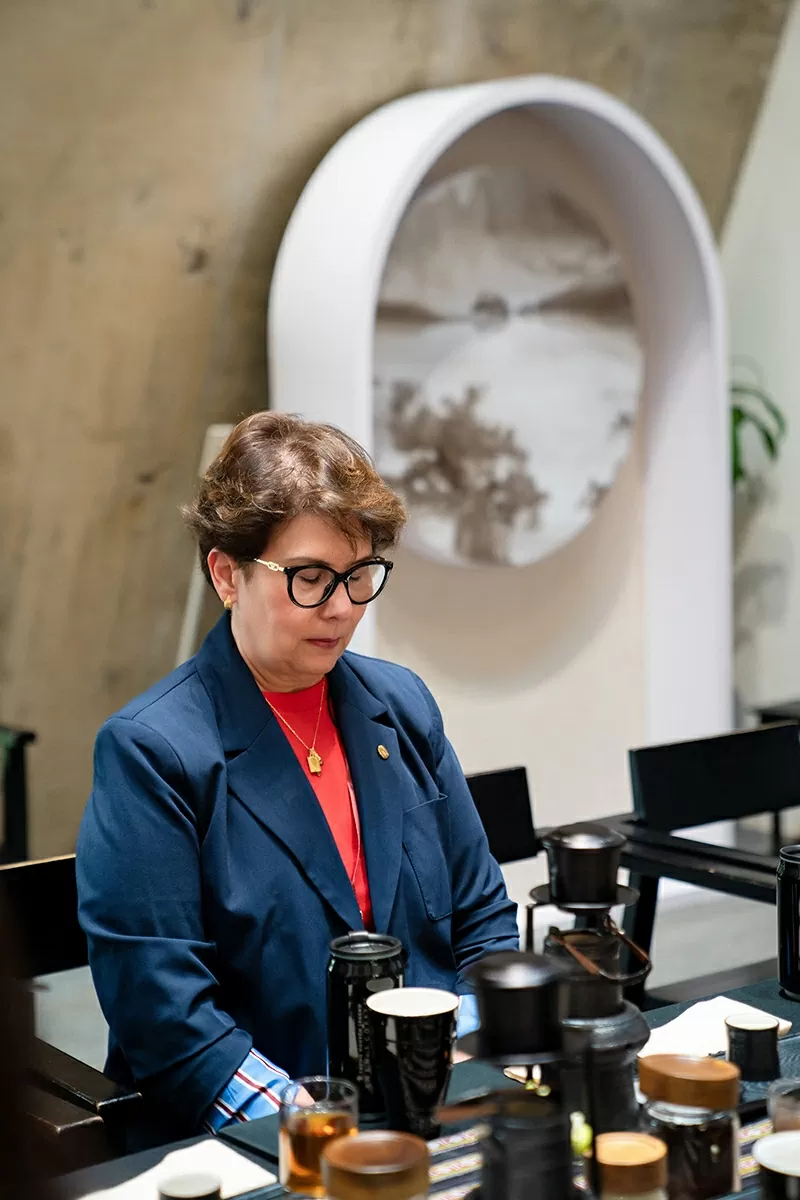 |
| Experiencing Coffee Meditation, a practice method of Coffee Tao, Mrs Vanusia Nogueira - Director General of the International Coffee Organisation (ICO) - stated: "Never thought coffee could be enjoyed so artistically and philosophically as Trung Nguyen Legend's creative way". |
In the process of global integration, Vietnamese coffee, associated with cultural identity and indigenous knowledge, is forming a rich cultural value system, contributing to positioning Buon Ma Thuot, Dak Lak - the Coffee Capital of Vietnam on the global cultural heritage and creative industry map. The collaboration of the Government with ministries, local authorities, and the efforts of businesses and communities will drive the development of the Vietnamese coffee industry, not only as a strategic agricultural product but as a symbol of sustainability and national identity globally.
| Thang Long – Hanoi Festival 2025 celebrates Vietnamese heritage, creativity The event reflects Hanoi’s vision and aspiration to become a regional and global centre of creativity, where traditional heritage harmoniously blends with modern life, forming ... |
| Exploring Vietnam's Heritage - Vietnam Heritage Journey 2025 Over 150 students, teachers, and parents joined Havina on a meaningful journey – one that not only brought them closer to the nation's culture but ... |
| Vietnamese – Chinese Business Connection: When swinging on the green opens a corridor of cooperation On December 21, Heron Lake Golf & Resort (Dam Vac, Phu Tho) will become the meeting point for over 120 Vietnamese and Chinese entrepreneurs as ... |