



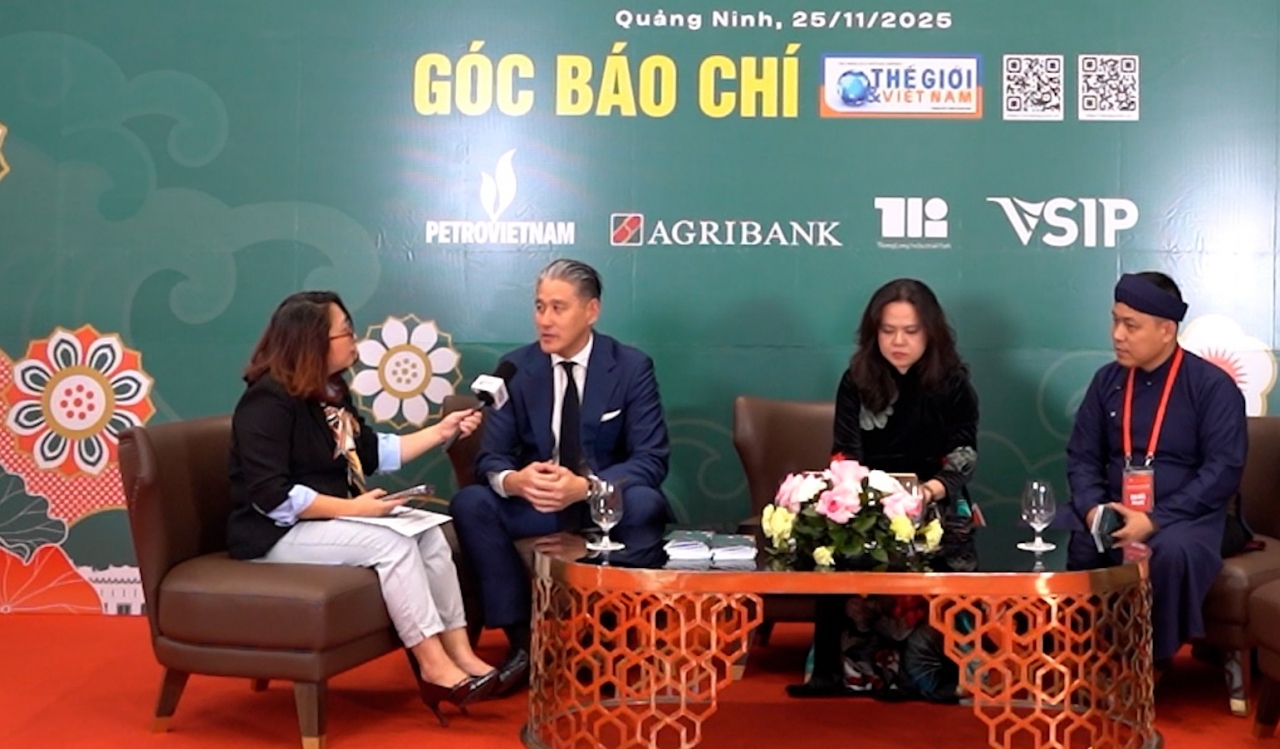

Entrepreneur Do Nhu Tuan: Starting from zero in a foreign land
WVR - In a conversation with The World and Vietnam Report, entrepreneur Do Nhu Tuan shares his journey from zero to building a career in recruitment and human resource development in Japan.
Latest
From the concerns of starting a business, he not only established a foothold in the fiercely competitive market but also contributed to connecting and supporting the overseas Vietnamese community.
As an engineer who went to Japan for manual labour, what was the most crucial turning point that helped you build your career as it is today?
For me, the biggest barriers to starting a business in Japan were language, experience, and capital. After a period of working for others, when I felt I had accumulated enough experience, had a certain amount of capital, and improved my Japanese proficiency, especially when I realized I was fully capable of being my own boss, I began to think about starting a business.
Most of my clients are young Vietnamese who, like me when I first came to Japan, desperately need jobs. I also asked myself: “Why can Chinese people do it, but we can't?” or “Serving Vietnamese should be done by Vietnamese, not Chinese or Japanese.” These thoughts motivated me to become independent and start my own business.
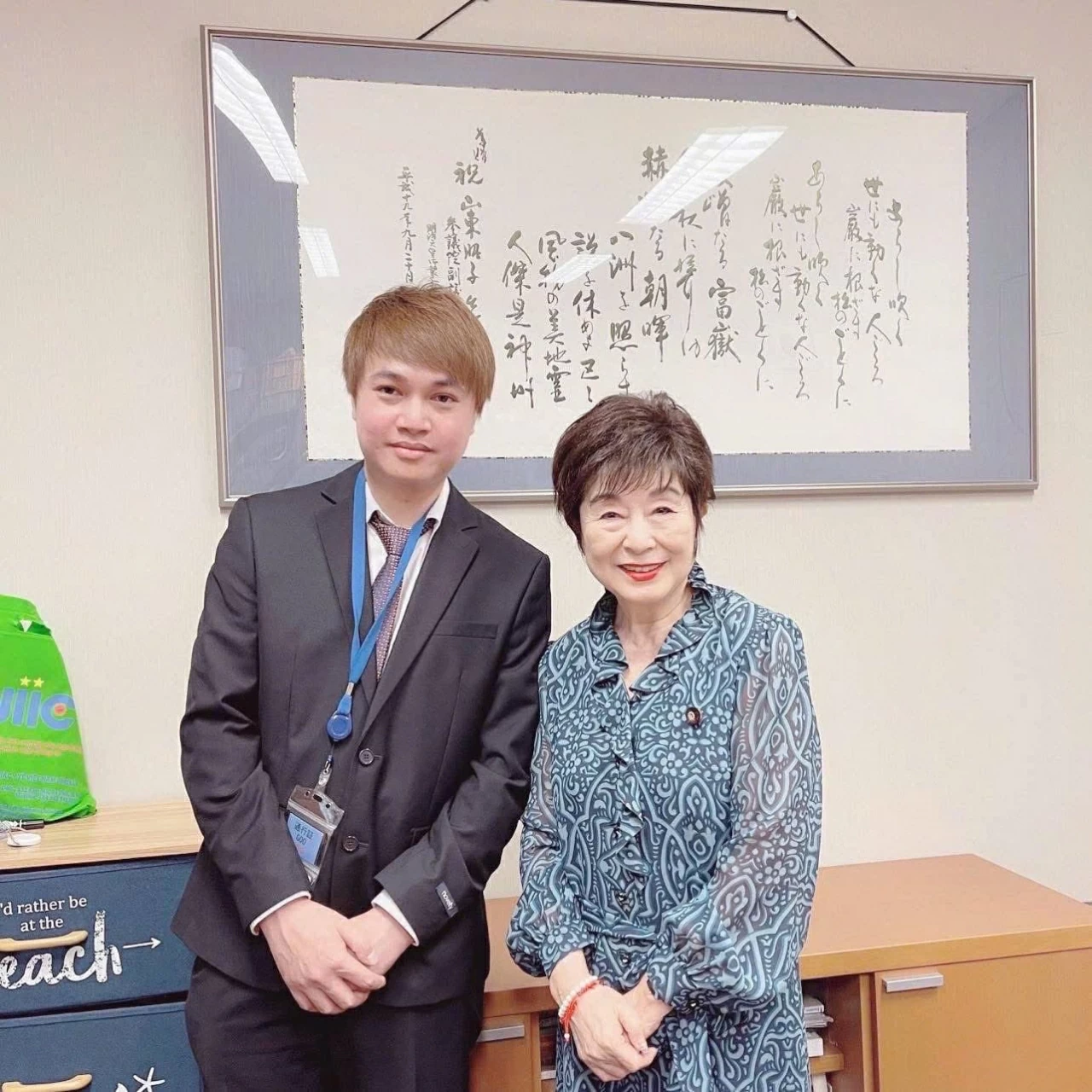 |
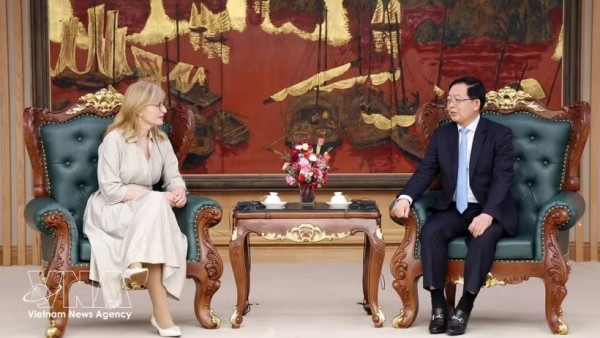
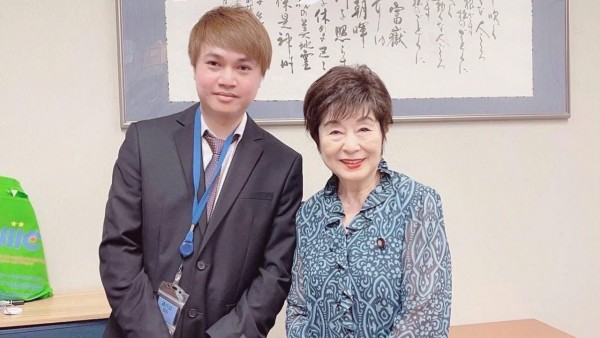
| Do Nhu Tuan and former President of the Japanese House of Councillors Santo Akiko at the Office of the National Diet of Japan in 2022. |
How did you overcome the barriers of developing a business in Japan, especially having to compete with both local and international companies?
I focused on solving the difficulties faced by Vietnamese customers better than local and international companies. Our greatest advantage is that we all speak Vietnamese, making communication easier, reducing misunderstandings, and ensuring all issues are understood clearly and thoroughly.
Additionally, I combined the strengths of Vietnamese and Japanese business cultures, choosing a soft, flexible approach to reduce pressure on workers when dealing with foreign partners.
In unavoidable situations like being late or taking leave, workers can be arranged to make up for the time without salary deductions; jobs are also arranged to suit each individual. This approach has earned me the trust, affection, and support of my clients.
What motivated you to shift towards the highly competitive field of recruitment and human resource development, which requires a wide network?
The time I intended to start a business coincided with a significant increase in the number of Vietnamese coming to Japan to study and work. The demand for jobs was enormous. This is the second-largest foreign community in Japan. Without Vietnamese businesses supporting Vietnamese in this field, it would be very challenging for our community.
I realized this trend would continue, opening up potential for recruitment and human resource development, and I had certain advantages over local and international companies.
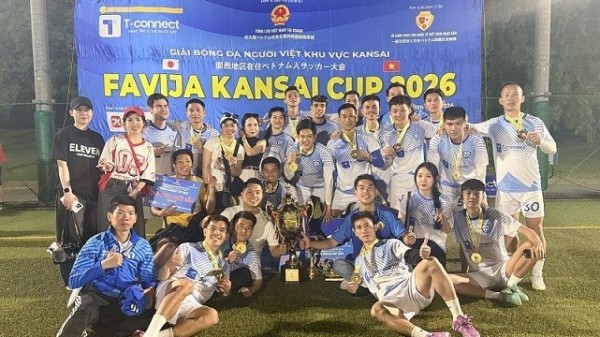
Moreover, my network of Vietnamese associates is present in many localities across Japan. I also actively participate in community activities, such as accompanying programs of the Vietnam-Japan International Exchange Organization, supporting funding for playgrounds, and contributing to building cultural and spiritual spaces for Vietnamese people.
It is known that you have built many online community platforms like Tokyo Baito, Osaka Baito 24H, Nagoya Baito… Are these important connection channels for Vietnamese people in Japan?
It can be said that most platforms like Tokyo Baito, Osaka Baito 24H… were built and operated by me. “Baito” in Japanese means part-time or extra work – a very essential need for most Vietnamese in Japan.
Initially, these platforms mainly provided job information by region. Gradually, I expanded the content to other areas such as lifestyle, sharing experiences, and providing useful, accurate information for the community. Therefore, most Vietnamese in Japan follow and update these pages.
Additionally, I have acquired and taken over some platforms with an existing follower base to operate more effectively.
 |
How do you perceive the responsibility of overseas Vietnamese towards their homeland, especially in the context of Vietnam's deep integration?
By providing Vietnamese personnel to companies in Japan, workers have the opportunity to learn and gain experience, thereby becoming a bridge of knowledge with their homeland. Many people, after working for a while, have returned to Vietnam to start businesses or work, contributing to trade connections between the two countries.
In my opinion, overseas Vietnamese are also an important force in public diplomacy, helping to spread Vietnamese culture and enhance the image of a dynamic, friendly, and responsible country.
Building a suitable working environment for the community, fostering solidarity and mutual support in the host country, while contributing back to the homeland is a common desire of many Vietnamese when starting a business abroad.
Besides business activities, are you planning to build a center for orphans and people with disabilities in Vietnam?
This plan stems from my own circumstances. As a child, I was raised in an orphanage. Without such centers, many children would fall into unfortunate situations. It is where they are cared for, well-fed, have a place to sleep, go to school, and receive attention from those around them.
I hope the center I build will help children have more opportunities and enough courage to overcome difficulties and grow up. From here, more children can rise up and take control of their lives as I have today.
I am aiming for an annual revenue target of 100 billion Yen and will allocate 5% of the profits to social activities of the Vietnamese community in Japan as well as charitable projects back home.
| Do Nhu Tuan was born in 1988 and went to Japan in 2013 after graduating from the Faculty of Electronics and Telecommunications (Ho Chi Minh City University of Technology), starting with manual labour jobs at food processing plants in the port city of Kobe. Despite having an engineering degree, he was not afraid to start from manual jobs, gradually accumulating experience, honing his work style, and learning how to operate a business. Thanks to his diligence and ambition, Tuan quickly gained trust and was entrusted with human resource management. From the reality of work and the growing needs of the Vietnamese community in Japan, he shifted towards recruitment and human resource development. His business currently collaborates with many large companies and corporations, creating jobs for tens of thousands of workers, mainly Vietnamese. Besides business activities, Do Nhu Tuan has built many online community platforms like Tokyo Baito, Osaka Baito 24H, Nagoya Baito…, becoming a channel for connecting job and lifestyle information for Vietnamese people in Japan. His company, Japan-Viet Nam Work Service Joint Stock Company, organizes language training, skills development, and legal support for workers. |