


Vietnamese 'to he': Shaping heritage, carrying the soul of Vietnam to the world
WVR - Amidst the whirlwind of modern technology and mass-produced toys, to he - a rustic folk doll made from glutinous rice powder - quietly preserves its special place at the heart of Vietnamese heritage. Far from being just a souvenir of the past, these small figures are emerging as "cultural ambassadors", carrying folklore and Vietnamese ingenuity to the global stage.
Latest
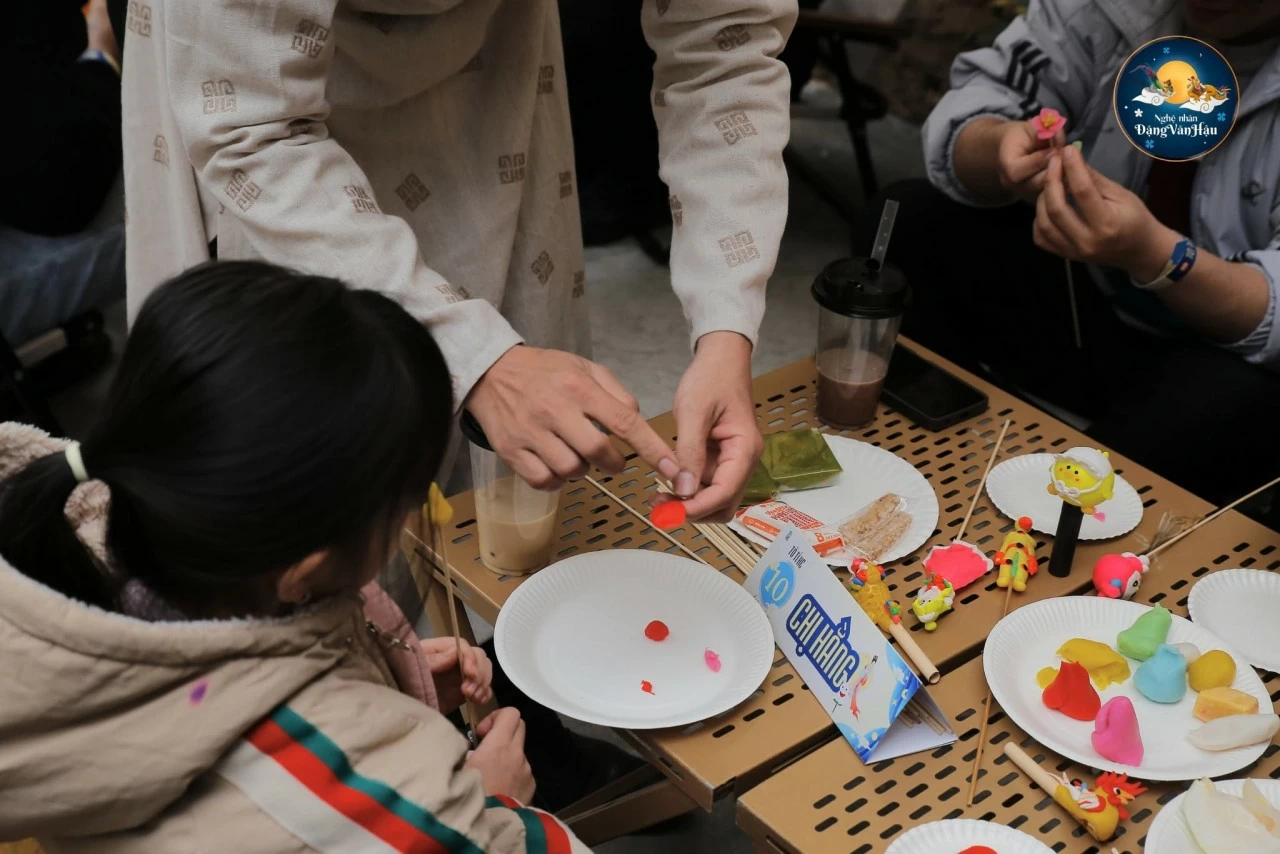 |
| Behind every to he lies a story, woven into the dough by the artisan’s dedicated touch. (Photo: Dang Van Hau Fanpage) |
Under the artisan's skillful hands, simple mounds of dough are transformed into lively, vivid figures. Their delicate use of color and ability to tell stories through these small creations turn the to he into a bridge between generations, helping traditional culture remain a vibrant part of modern life.
From a rustic folk toy to a living heritage of Vietnamese culture
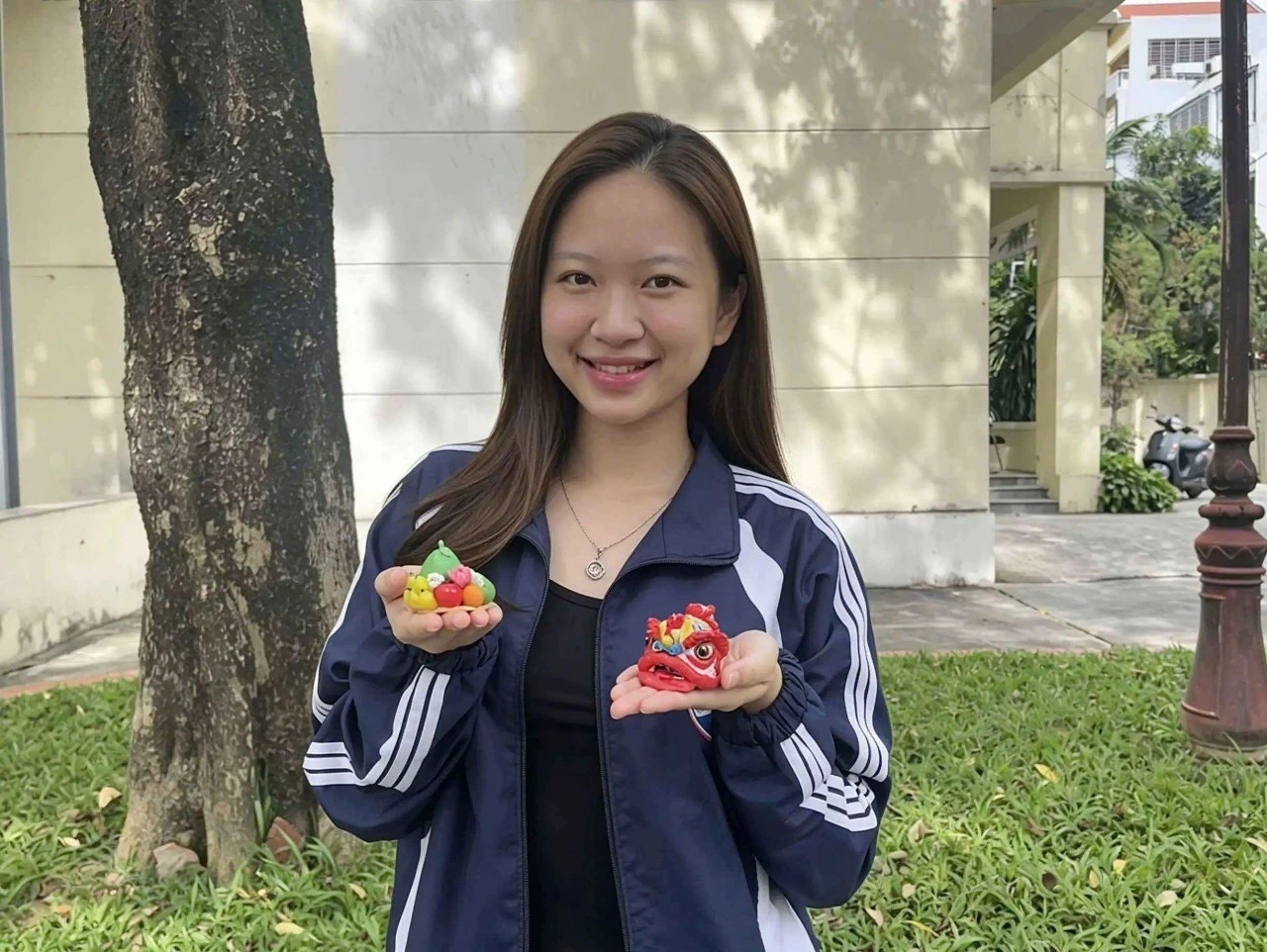 |
| Minh Phuong enjoys experiencing to he products from the artisan. (Photo: Nguyen Hoa) |
Originating as simple "birds and trees" used as religious offerings at countryside markets in the Northern Delta, to he has evolved into a rich world of iconography.
Its subjects range from pastoral animals like water buffaloes, chickens, and pigs to mythical and historical figures such as Thanh Giong, Ton Ngo Khong, and Ong Tien si returning home in triumph. What makes to he truly unique is its inherent individuality and the art of live, visual performance.
Without any molds, artisans can transform colorful dough into a complete masterpiece within minutes, right before the spectator's eyes.
| More from WVR |
 Spreading the values of Van Mieu - Quoc Tu Giam and Vietnamese culture, heritage at UNESCO headquarters Spreading the values of Van Mieu - Quoc Tu Giam and Vietnamese culture, heritage at UNESCO headquarters |
The cultural and artistic value of to he is further elevated by its 100% bio-based material, which blends fine glutinous rice flour with entirely natural dyes extracted from turmeric, gac fruit, wild betel leaves, and kitchen ash. This combination embodies an early philosophy of green consumption, reflecting the aesthetic sensibilities and resourcefulness passed down through generations.
This rustic yet profound charm has become a powerful source of inspiration for today’s youth in preserving and promoting indigenous values.
Minh Phuong, a student from the Academy of Journalism and Communication who is currently developing a project to introduce to he to international audiences, shares: "To he is not merely a cheap sidewalk toy; it is a form of art infused with a vibrant folk soul that young people can shape with their own hands and feel with their own hearts. As future communicators, we want to use a modern lens to decode this heritage, turning our homeland's rice dough into universal experiences that break language barriers and touch the hearts of international tourists".
Preserving the essence of tradition amid the constant changes of modern life
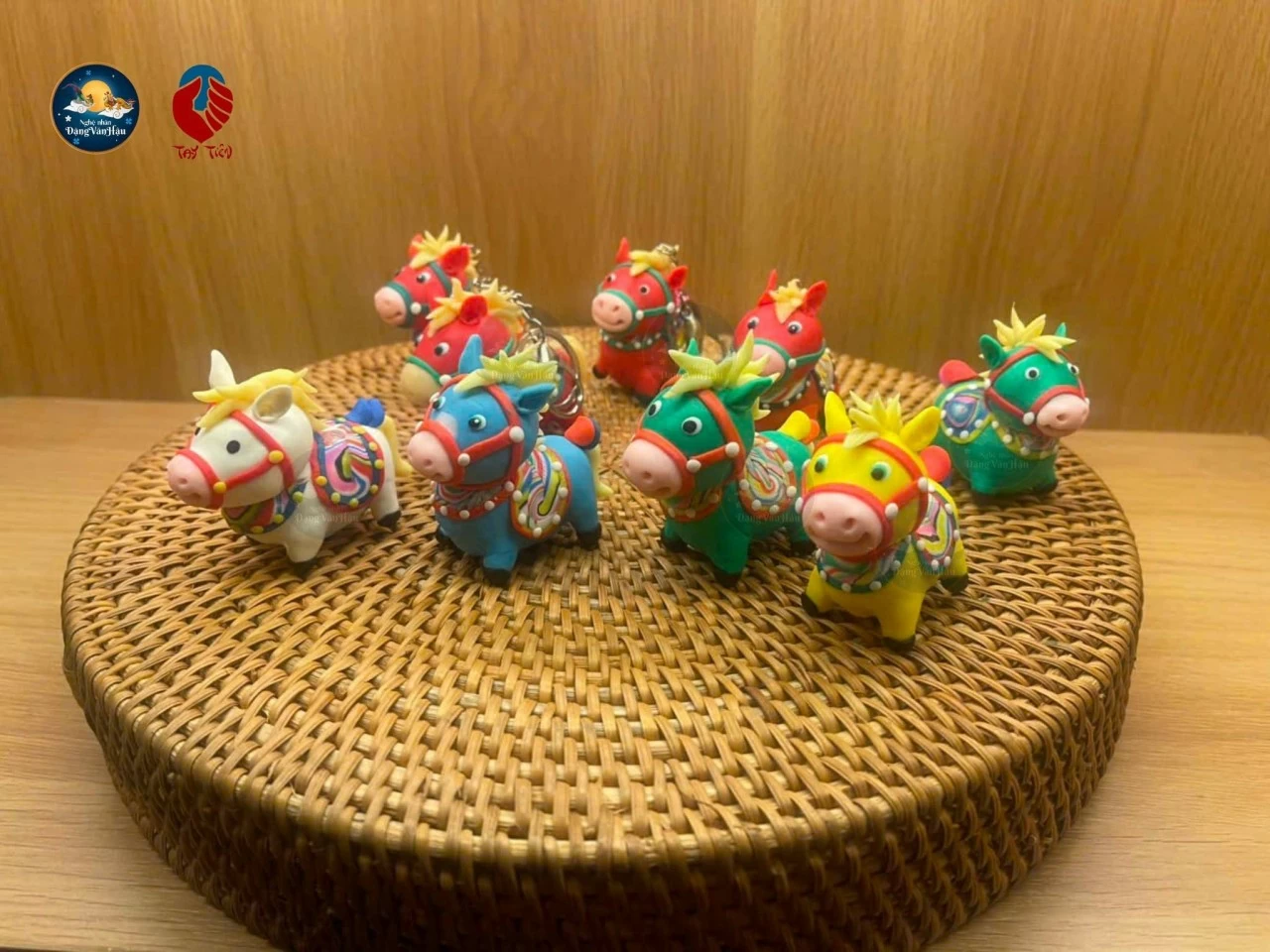 |
| Colorful to he figures created by artisan Dang Van Hau, combining traditional sculpting techniques with designs that are more familiar and appealing to modern audiences. (Photo: Dang Van Hau Fanpage) |
As modern entertainment products become increasingly diverse, many traditional crafts are facing the challenge of adapting in order to survive and develop. The art of to he is no exception. While innovation is necessary, the question of how to evolve without losing its identity remains a major concern for those dedicated to the craft.
Dang Van Hau, a young artisan who has devoted himself to the traditional to he craft of Xuan La Village (Phu Xuyen District, Hanoi) and regularly participates in cultural performances, hands-on workshops, and folk culture promotion activities across the country, believes that a traditional craft can only thrive sustainably if it learns to move alongside contemporary life.
However, adaptation does not mean abandoning the core values that have shaped the craft’s identity for generations.
According to Hau, alongside traditional figures such as the Four Sacred Creatures, the Twelve Zodiac Animals, and familiar folk characters, today's artisans can also create to he inspired by cartoon characters, event mascots, and contemporary cultural symbols that resonate with younger audiences. Nevertheless, hand-sculpting techniques, glutinous rice dough materials, and the folk spirit of the craft must always be preserved.
| More from WVR |
 Lai Chau leverages cultural heritage for sustainable tourism growth Lai Chau leverages cultural heritage for sustainable tourism growth |
“For a traditional craft to survive, it must adapt to contemporary life. However, innovation does not mean losing its identity,” artisan Dang Van Hau emphasized.
Innovation is not limited to creating new figures. Many artisans are also seeking ways to bring to he closer to the public through cultural experience spaces, schools, museums, tourist destinations, and international exchange activities. By observing the process firsthand or creating their own to he figures, participants can gain a deeper understanding of the craft and the cultural stories embedded in each piece.
For younger generations, technology is also opening new opportunities for preserving and promoting cultural heritage. Minh Phuong believes that digital platforms can serve as an effective bridge between traditional values and contemporary audiences.
“We believe that young people can approach heritage in entirely new ways. A short video about the making of to he, an interactive exhibition, or a creative communication campaign can all make traditional values feel more accessible. What matters is telling cultural stories in a language that today’s generation can understand and connect with”, Minh Phuong shared.
Amid the constant changes of modern life, to he continues to find new ways to remain present in contemporary society. This is not only a journey to preserve a traditional folk craft but also an effort to ensure that Vietnam’s cultural values remain alive in the minds of future generations.
From the hands of artisans to the aspiration of preserving heritage for future generations
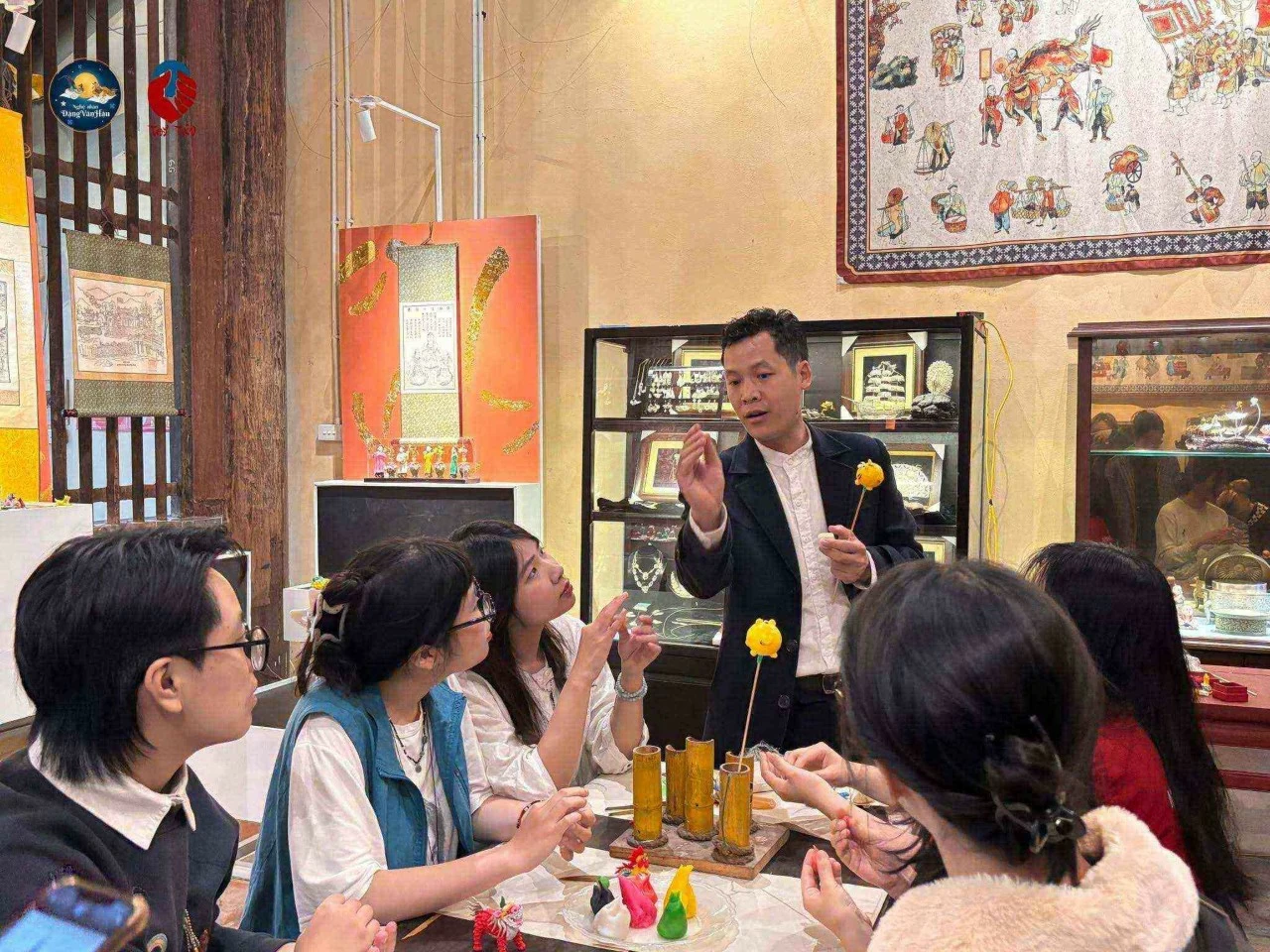 |
| No longer just a childhood memory, Tò he is increasingly becoming a cultural experience that attracts the interest and enthusiasm of many young people. (Photo: Dang Van Hau Fanpage) |
Behind every small to he figure is the story of individuals who have devoted their youth and passion to preserving a traditional craft with a history spanning hundreds of years. For them, to he is not merely a means of livelihood but also a treasured memory and a part of Vietnam’s cultural identity that deserves to be passed on to future generations.
Artisan Dang Van Hau shared that his greatest wish is not for all young people to become to he artisans, but rather for them to understand, appreciate, and take pride in their national cultural values. In his view, only through such appreciation can each person become a link in the chain of preserving and spreading cultural heritage.
“I have always believed that any heritage can only survive when the next generation embraces and develops it. When young people understand and love traditional culture, they will become guardians of heritage in their own way”, he said.
From the perspective of young people, Minh Phuong also believes that preserving heritage is no longer solely the responsibility of artisans or cultural researchers.
| More from WVR |
 Vietnam strengthens legal framework for Dong Van UNESCO Geopark, promoting sustainable development Vietnam strengthens legal framework for Dong Van UNESCO Geopark, promoting sustainable development |
“Each generation has its own way of contributing. While artisans preserve the techniques and spirit of the craft, young people can help retell those stories through the language of modern communication. We hope more young people will see to he not simply as a traditional toy, but as a meaningful part of Vietnamese identity that we can all be proud of”, she expressed.
Looking ahead, Dang Van Hau hopes there will be more heritage education programs, more cultural experience spaces, and more international exchange opportunities so that to he can reach a wider audience. He hopes that the folk figures shaped from glutinous rice dough will not only appear at festivals or remain in childhood memories, but will also become a distinctive cultural product representing Vietnam on the world stage.
“To me, every to he figure is not merely a handcrafted product, but a fragment of the Vietnamese soul conveyed through the hands of the artisan”, he said.
Today, the journey of to he is being continued not only by traditional artisans but also by young people who are finding new ways to tell the story of Vietnamese culture through the language of the modern age. Perhaps it is precisely this meeting point between tradition and innovation that will give these small to he figures the enduring vitality needed to continue their journey into the future.
| Pho Festival 2026 in Ninh Binh celebrates Vietnam’s iconic noodle soup and cultural heritage The Pho Festival 2026 kicked off in the northern province of Ninh Binh on March 20, celebrating the historical origin of pho and its ongoing ... |
| Heritage Journey: Pho Museum welcomes Consular Club representatives for a cultural exchange On March 28, the Pho Museum welcomed a delegation from the Ho Chi Minh City Consular Club for a cultural exchange, exploring the history of ... |
| Highland artisans and the challenges of passing down cultural heritage WVR - In Hanoi, attending the Vietnam Ethnic Culture Day activities on April 19, 2026, many delegates who are artisans shared with The World and ... |
| Vietnamese Coffee on the path to becoming a 'shared living heritage of humanity' At the World Coffee Heritage Forum (Buon Ma Thuot, Dak Lak), coffee is recognised not just as an agricultural product but as a "living heritage" ... |

| Commemoration of Hung Kings - Gathering the spirit of patriotism The Commemoration of the Hung Kings and the Hung Kings Temple Festival are among the most important festivals of the year for Vietnamese people. |