

Communication and mass mobilization: A direct bridge between the Party and the people
WVR - On the afternoon of September 11 in Hanoi, the National Political Publishing House Su That, in coordination with the Party Central Committee’s Commission for Information, Education and Mass Mobilization, the Ho Chi Minh National Academy of Politics, and the Ministry of Public Security, held the national scientific seminar “Communication and Mass Mobilization Work of the Party in the New Era”.
Latest
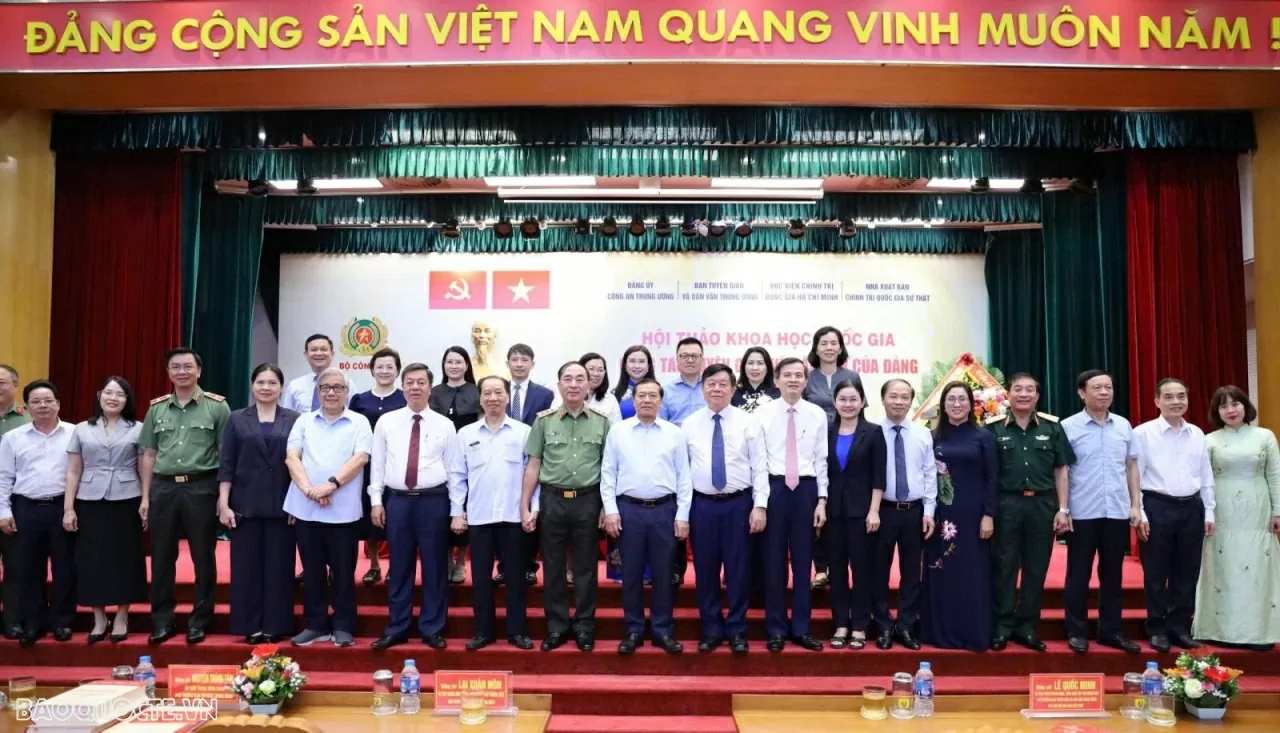 |
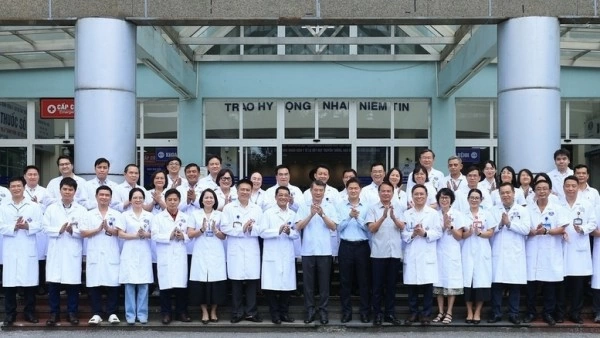
| Participants at the national scientific seminar “Communication and Mass Mobilization Work of the Party in the New Era”. (Photo: Dinh Trung) |
The seminar was organized in a hybrid format, connecting the Ministry of Public Security’s main venue with 34 provincial and municipal public security branches nationwide.
Present at the seminar were Politburo member, Secretary of the Party Central Committee, Head of the Party Central Committee’s Commission for lnformation, Education and Mass Mobilization Nguyen Trong Nghia; Assoc. Prof. Dr. Doan Minh Huan, member of the Party Central Committee, Standing Vice President of the Ho Chi Minh National Academy of Politics; Senior Lieutenant General, Assoc. Prof. Dr. Tran Quoc To, member of the Party Central Committee, Deputy Secretary of the Public Security Party Committee, Deputy Minister of Public Security; Dr. Pham Tat Thang, member of the Party Central Committee, Deputy Head of the Central Commission for Promotional and Mass Mobilization; Assoc. Prof. Dr. Vu Trong Lam, Director – Editor-in-Chief of the National Political Publishing House Su That, who co-chaired the seminar.
Attending the seminar were leaders of Party Central Committee’s commissions, ministries, and agencies; leaders and officials in charge of promotional and mass mobilization in provinces and cities nationwide; as well as leading experts and scholars in the field.
The “soft shield” in Cyberspace
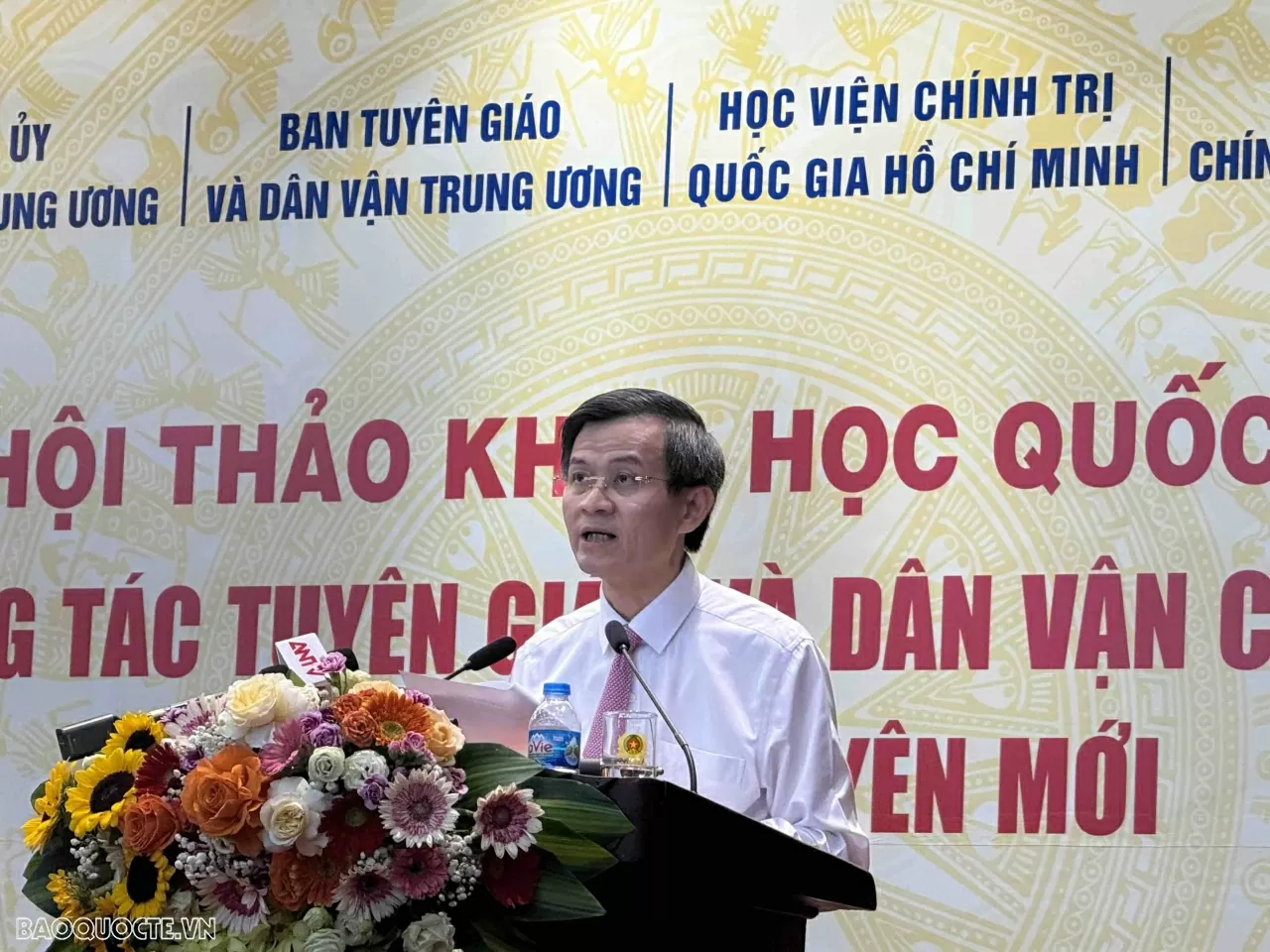 |
| Assoc. Prof. Dr. Doan Minh Huan, Standing Vice President of the Ho Chi Minh National Academy of Politics, delivers the opening speech. (Photo: Dieu Linh) |
In his opening remarks, Assoc. Prof. Dr. Doan Minh Huan emphasized that in the era of digital transformation, deep international integration, and the boom of the knowledge economy, digital technology, and social media, promotional and mass mobilization work has increasingly affirmed its especially important role.
It is not only an essential component in fulfilling the Party’s leadership mission and governing responsibility, but also a force that guides, inspires aspirations, and motivates the entire Party, people, and armed forces; builds a solid ideological foundation; promotes great national unity; and strengthens the people’s trust in the Party, the State, and the system.
He stressed that communication and mass mobilization are central to the Party’s ideological work, with the highest goal of communicating and mobilizing the people to align with the Party’s guidelines and the State’s policies and laws. This work also contributes to strengthening the Party–People relationship through the Fatherland Front, political–social organizations, and the grassroots political system.
In the new context of rapid technological development, globalization, and deeper international integration, promotional and mass mobilization face both heavy and urgent demands.
Therefore, this work must not only “go first – open the way, go along – implement, go after – summarize,” but also undergo strong and comprehensive renewal in thinking, content, and methods. Its mission is to unite and mobilize the strength of the entire nation to help the Party overcome challenges and firmly pursue the goal of building the country along the socialist path.
According to him, communication and mass mobilization is not just about disseminating guidelines, but also serves as a direct bridge between the Party and the people, a responsive channel that allows the Party to grasp grassroots aspirations and thereby improve policy formulation and implementation.
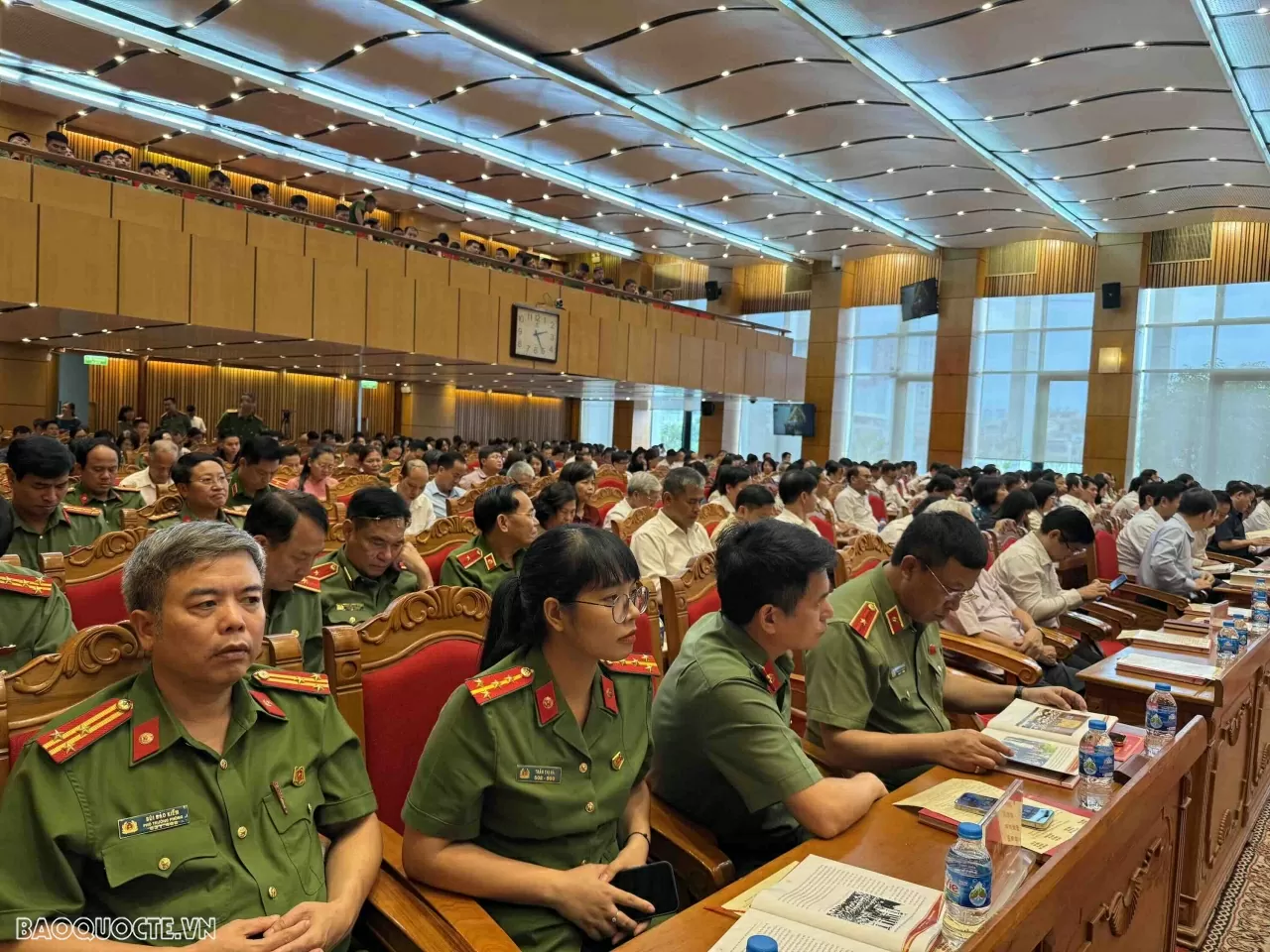 |
| Overview of the seminar. (Photo: Dieu Linh) |
In today’s complex multimedia environment, where hostile forces exploit cyberspace to distort and sabotage, promotional and mass mobilization affirms its role as a “soft shield from the outset and from afar,” contributing to orienting public opinion, fostering trust, and strengthening political resilience among cadres, Party members, and the people.
Renewing work in the digital era
The seminar provided an opportunity for leaders, experts, scholars, and practitioners to share experiences, analyze theory, and summarize practice. Many papers and opinions enriched the content presented in the seminar’s proceedings.
The presentations assessed nearly 40 years of reform, drew valuable lessons, and proposed tasks and solutions to enhance the quality of communication and mass mobilization in the coming period. Discussions also clarified theoretical foundations, analyzed the reality of the work over four decades, and outlined tasks toward 2030 with a vision to 2045.
Experts and local leaders presented on creatively applying and developing Ho Chi Minh’s thought; the Party’s viewpoints and policies on communication and mass mobilization in the digital era; the role of digital technology, artificial intelligence, and multi-platform media in improving communication, mobilization, and public education.
Opinions also forecasted domestic, regional, and global situations that could directly affect this work; proposed appropriate strategic orientations; evaluated the implementation of Resolution No. 18-NQ/TW on merging the Party Central Committee's Commission for Information and Education and Commission for Mass Mobilization; and analyzed grassroots-level realities and functions, thereby recommending adjustments.
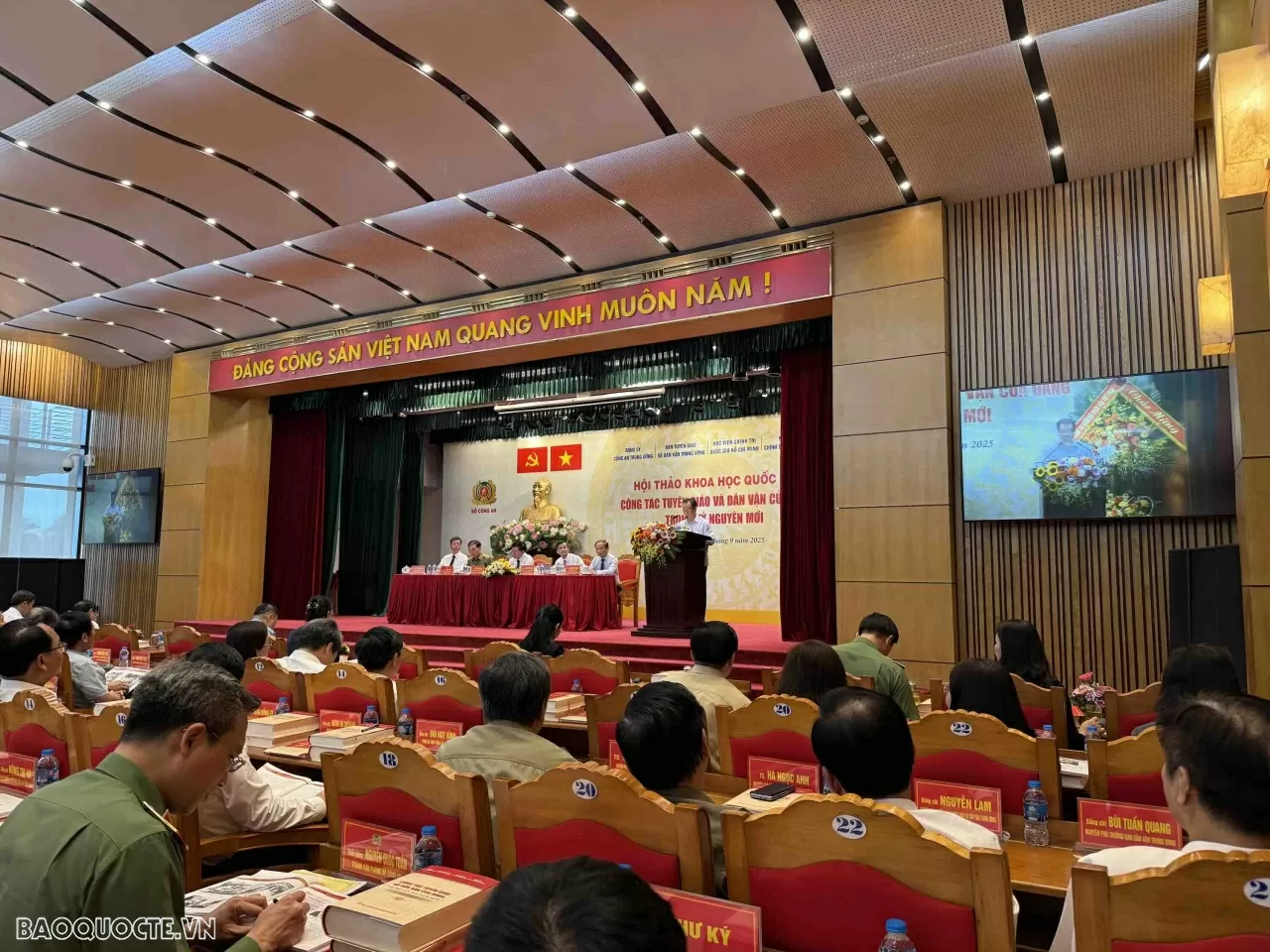 |
| Delegates present papers at the seminar. (Photo: Diệu Linh) |
Presenting a paper titled “The Digital Era and the Need for Innovation in Policy Communication in Vietnam’s Rise,” Assoc. Prof. Dr. Vu Trong Lam, Director – Editor-in-Chief of the National Political Publishing House Su That, emphasized the need to strengthen the application of digital technology, expand multi-platform communication, ensure transparency and accessibility of information, and enhance two-way interaction with the public.
He proposed building a national strategy for policy communication in the digital era; developing technology and multimedia integration; creating a healthy, positive, and safe information ecosystem; and improving institutions, policies, and legal frameworks to standardize policy communication activities.
According to him, this is not only about innovating methods of information delivery but also about a shift in leadership thinking, ensuring that every policy issued becomes a spiritual driving force that unites society toward the goal of prosperity and happiness.
Strategic orientation in the new era
In his conclusion, Head of the Party Central Committee's Commission for Information, Education and Mass Mobilization Nguyen Trong Nghia noted that this was the first scientific seminar on communication and mass mobilization held after the merger of the Commission for Information and Education, and the Commission for Mass Mobilization.
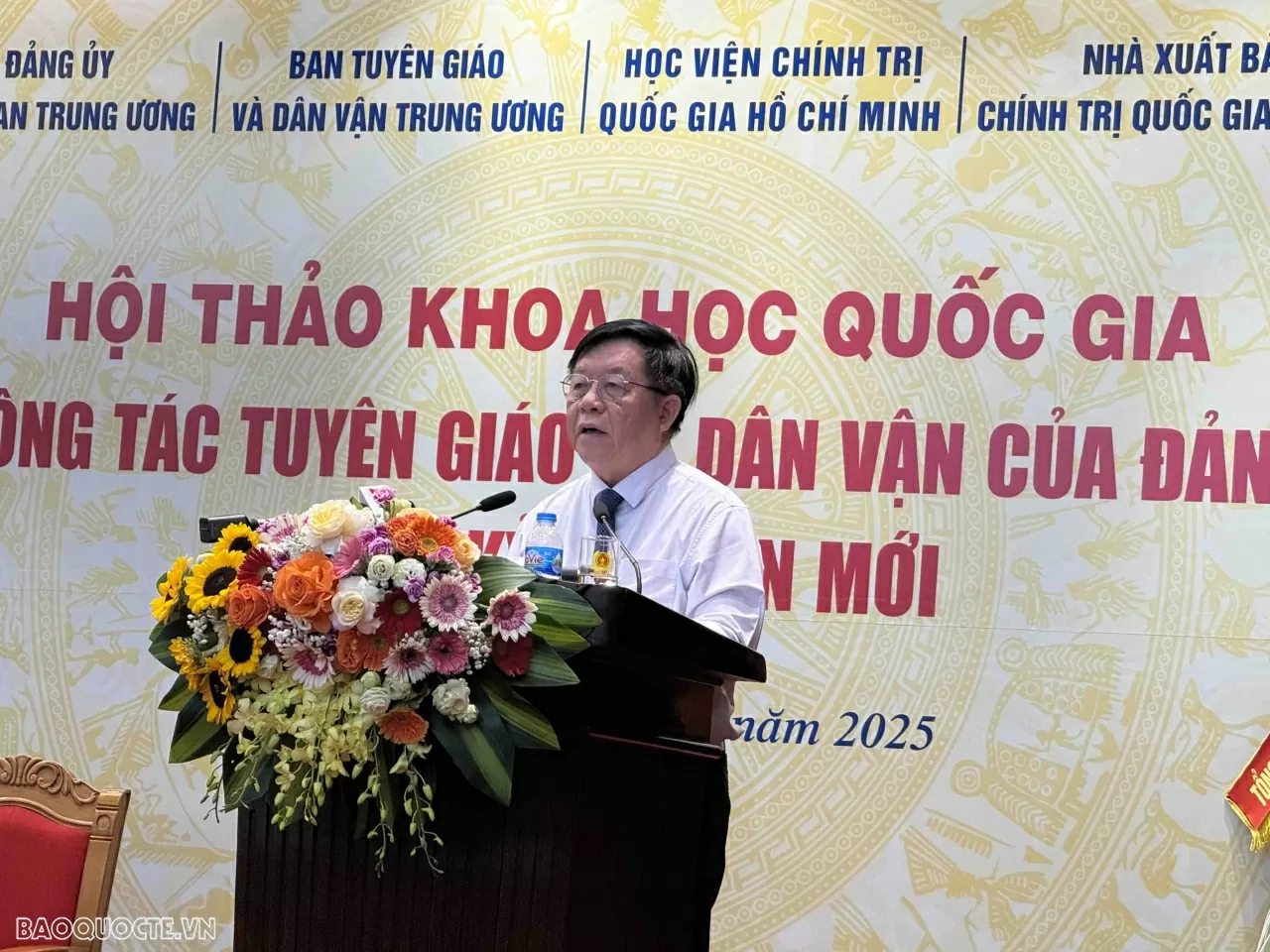 |
| Head of the Party Central Committee's Commission for Information, Education and Mass Mobilization Nguyen Trong Nghia, delivers his concluding remarks. (Photo: Dieu Linh) |
The presentations and discussions reflected theoretical depth and practical insights, showing strategic vision and multi-dimensional analysis. He emphasized that in the new era, communication and mass mobilization must become a particularly important pillar in Party building and the political system, playing a key role in strengthening social trust, inspiring national aspirations, and guiding national development.
To achieve this, he proposed steadfastly strengthening the Party’s ideological foundation and raising its theoretical level; modernizing communication and mass mobilization work; mastering digital media spaces; further tightening the Party–People bond; and building a team of capable, intelligent, reputable cadres equal to the task.
At the same time, he called for renewed coordination mechanisms to maximize the overall strength of the political system; link communication and mass mobilization with strategic tasks; and improve research, practical review, and strategic forecasting to meet development requirements in the new era.
He affirmed that with a spirit of urgency, seriousness, dedication, and responsibility, the seminar had been a success, leaving profound theoretical and practical impressions, and opening new strategic directions for the Party’s communication and mass mobilization work.
The seminar coincided with the 80th anniversary of the August Revolution and National Day (September 2), the traditional day of ideological work, and the 80th anniversary of the People’s Public Security force—further highlighting the historical and political significance of the event.
With a spirit of responsibility and dedication, the seminar became an important theoretical–practical forum, contributing to consolidating the people’s trust in the Party, strengthening Party–People relations, and opening new strategic orientations for communication and mass mobilization work in the new era.