





Communication on ASEAN: Uniting the people, promoting values
WVR - After nearly six decades of development (1967 - 2025), the ASEAN Community has established itself as one of the most successful models of multilateral cooperation in the world.
Latest
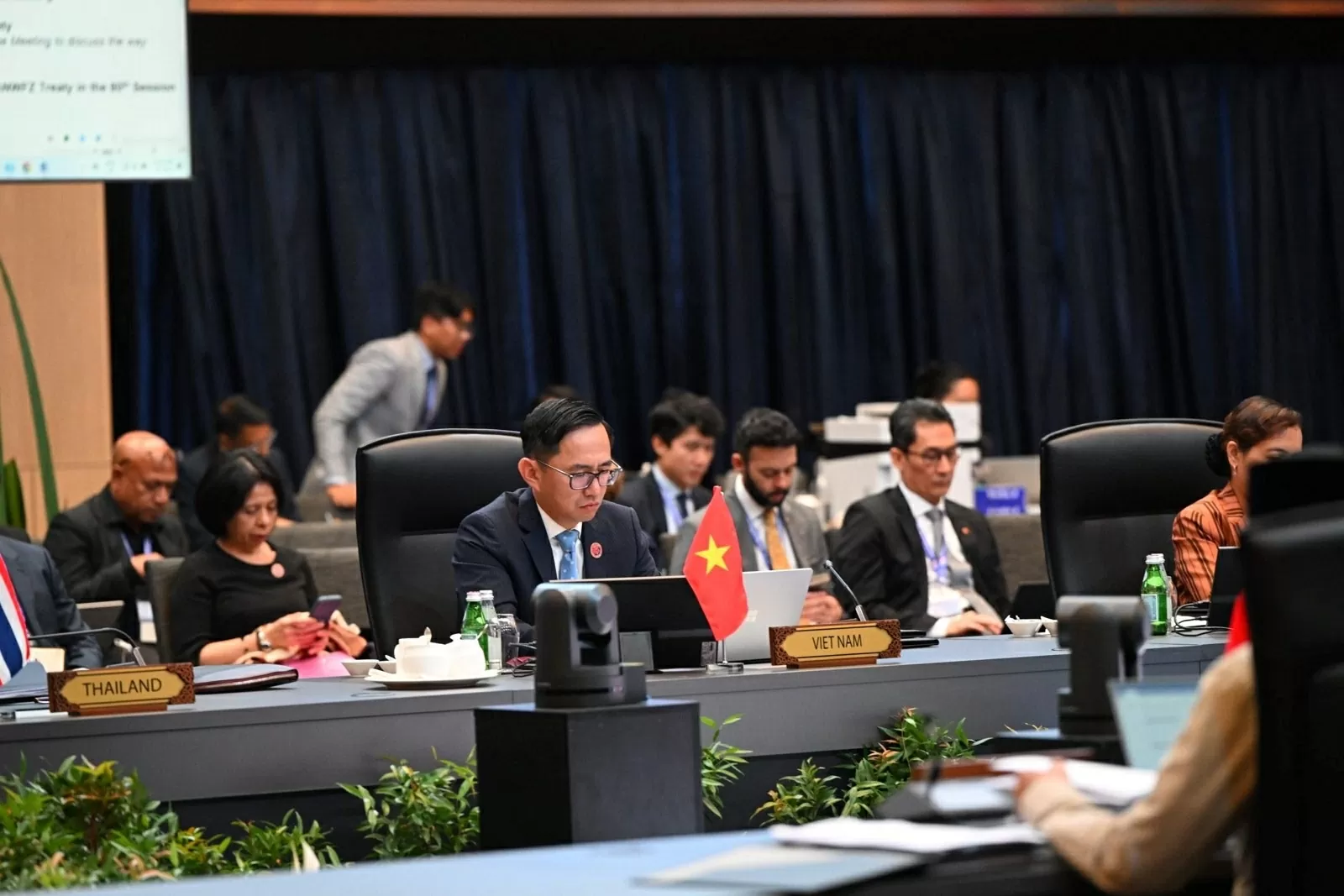 |
| Ambassador Tran Duc Binh attended a preparatory meeting for the 58th ASEAN Foreign Ministers’ Meeting (AMM-58) and related Meetings on 07 July in Kuala Lumpur, Malaysia (Photo: Bao Chi) |
Throughout this process of integration, communication work has served as the bridge connecting policies and real-life practices, and ASEAN and its people. Communication not only provides a means to disseminate information regarding ASEAN, but also constitutes a driver for the promotion of common values, thereby elevating the region’s identity and nurturing the community spirit.
New demands in new circumstances
The region and Vietnam in particular are entering a new phase of development. The ASEAN Community Vision 2045 has determined the long-term orientations to improve the region’s strategic resilience and self-reliance. Vietnam, too, is making every effort to realize its aspiration to become a strong, prosperous, and happy nation in this novel era.
Resolution no. 59-NQ/TW of the Politburo on international integration in the new situation and the ASEAN Communication Master Plan II (ACMP II, 2016 - 2025) have outlined specific requirements for further integration and greater efforts to promote ASEAN.
In this context, communication work bears ever-increasing importance. This requires a new approach, creative contents, and more flexible and effective means of implementation, so that ASEAN’s presence can be truly and vividly felt in the daily lives of its people.
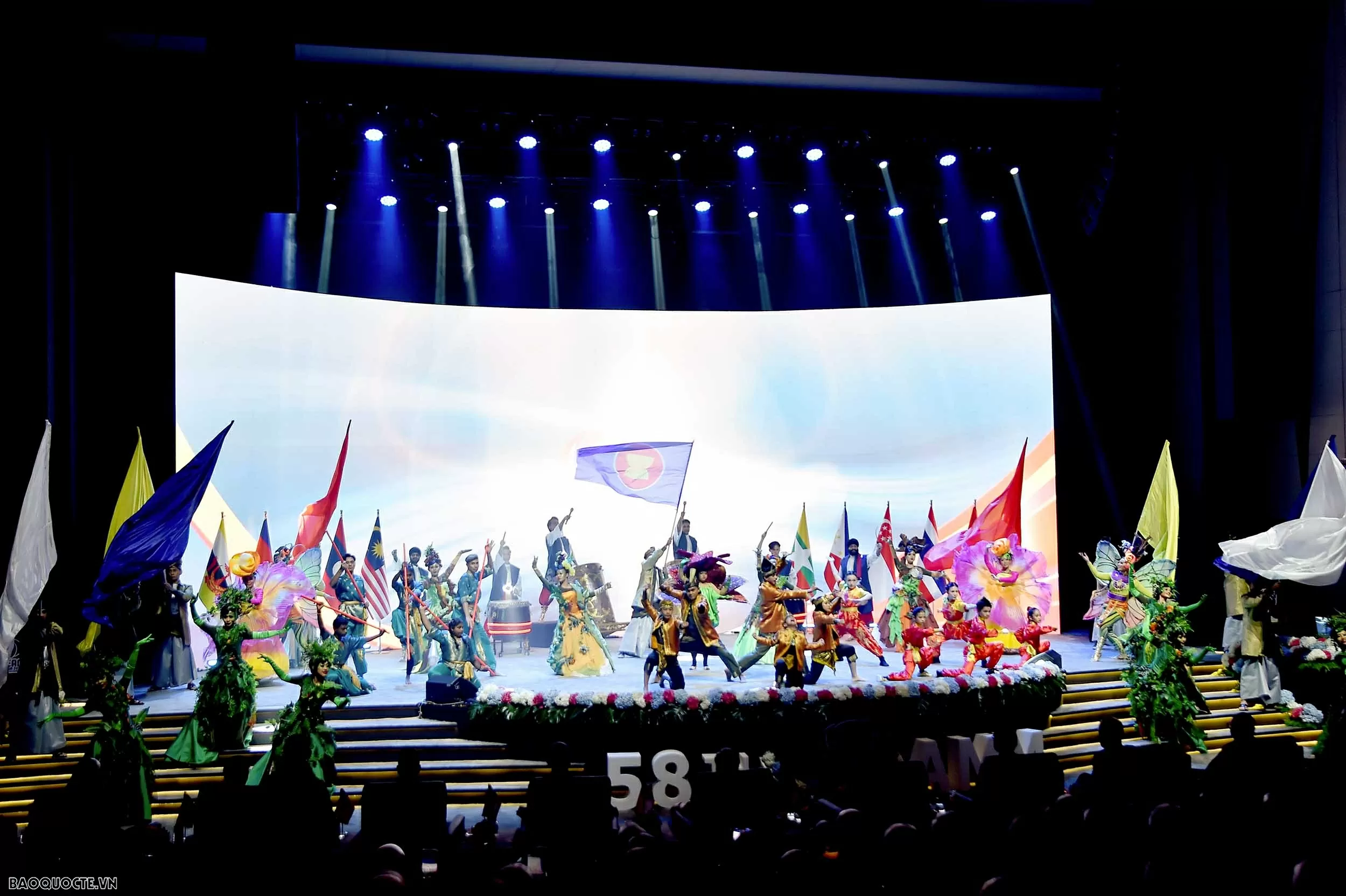 |
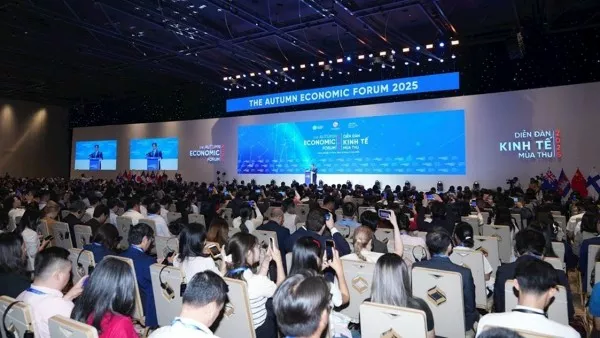
| Bringing ASEAN closer to the people is the common effort of the entire Community (Photo: Quang Hoa) |
A shift in mindset
The ASEAN Community was built with the hope of bringing about peace, stability, and development for the entire region, and placing the people at the heart of cooperation. However, for many people across different countries, ASEAN is still at times a vague concept, one that is only associated with summits and policy documents. It is evident that the role and benefits of the ASEAN Community have yet to be tangibly felt in the people’s daily lives.
To narrow this gap, communication work needs to undergo a robust shift in mindset and method. Instead of simply discussing policies, communication efforts need to inspire, thus helping the people understand that they are not merely bystanders, but rather the heart, the beneficiaries, and the key actors of the ASEAN Community building process. Only when the people are well aware of their role can they stand ready to support and participate in such endeavors.
A more relatable ASEAN
In addition, for the people to care about ASEAN, communication contents have to be specific, substantive, and better aligned with the more relatable facets of their lives. This may include job opportunities in the region, travelling without the need for visas between countries, scholarships and student exchanges, joint start-ups, or cooperation in environmental affairs or digital transformation. These successes will be better perceived among the people if they are depicted in an everyday language via “actual individuals and stories”, rather than just statistics or political remarks.
Effective communication cannot be generic. Rather, it needs to be conducted “in the right way, for the right audience”, from the people and businesses to the youth, women, and disadvantaged groups. Each category requires a distinctive approach, with messages flexibly tailored to different situations in reality. If the people can feel the presence of ASEAN in their daily lives, the attention and social awareness towards ASEAN will be further deepened.
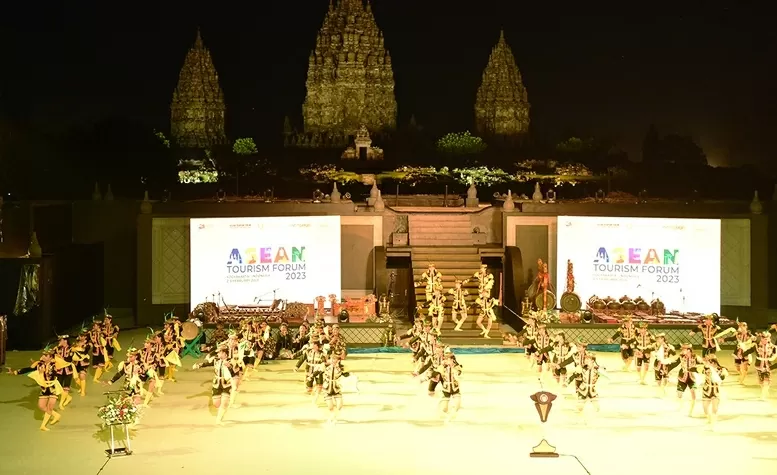 |
| The ASEAN Tourism Forum in Indonesia in February 2023 (Source: VGP) |
Multimedia communication
Communication work on ASEAN should seek new formats, and make the most of digital platforms. Traditional press will continue to play a key role in guiding public opinions and conducting in-depth analyses, while social media, short videos, podcasts, and infographics will prove conducive to the rapid and effective dissemination of information, particularly among the youth, who accounts for over a third of ASEAN’s total population.
Other platforms, such as Facebook, TikTok, and YouTube, should be better harnessed in a creative manner. In addition, we need to build upon the role of the diplomatic press service and the network of Vietnamese representative missions abroad. Incorporating ASEAN-related contents in specialized programmes, internal communication, and policy dialogues will also help disseminate information across sectors in a more holistic and natural manner.
A professional communication staff
Communication effectiveness largely depends on the quality of its staff. To ensure that information about ASEAN can be conveyed more vividly in our daily lives, personnel in charge of communication work needs to be professional, with ample understanding of ASEAN and public sentiment, and capable of using advanced technology.
It is also necessary for the communication staff to equip themselves with story-telling skills, mastery over digital platforms, and thorough awareness of regional circumstances. These will lay the foundation for communication work on ASEAN to be more relatable, enticing, and effective.
A holistic communication ecosystem
Communication on ASEAN needs to be organized in a holistic ecosystem that can operate in the long run, with close coordination among different sectors, localities, and management levels.
Relevant Ministries and agencies should also put in place concrete efforts and utilize new methods, so that information can be provided in a more timely and updated manner, and better tailored to the lives and demands of the people.
Bringing ASEAN closer to the people is the common effort of the entire Community, across various sectors and levels, and the communication service is no exception. This is a long-term, yet urgent mandate, requiring a shift from mindset to method, so that ASEAN can establish an increasingly substantive presence in the daily lives of the people.


