





Childhood cannot grow up with violence
Violence and neglect not only cause physical harm to children but also silently alter their brains, disrupting their sense of security and trust in life.
Latest
According to Dr. Nguyen Ngoc Quynh Anh, Head of the Psychology Department at RMIT University Vietnam, protecting children cannot stop at dealing with consequences. A robust system for prevention and early intervention is needed to ensure no child is left in silence.
 |
| Dr. Nguyen Ngoc Quynh Anh, Head of the Psychology Department, RMIT University Vietnam. (Photo courtesy by character) |
Wounds that last a lifetime
Dr. Nguyen Ngoc Quynh Anh states that a child's brain is rapidly developing in the early years, especially in areas related to emotional regulation, behavior control, and cognition. During this period, the caregiving environment decisively influences the formation of a child's personality and mental health.
| More from WVR |
 Launching project to strengthen prevention and response to violence against women and girls in Quang Ninh Launching project to strengthen prevention and response to violence against women and girls in Quang Ninh |
When frequently subjected to violence or neglect, a child's body reacts as if facing a survival threat. Stress hormones are continuously released, keeping the child in a "fight," "flight," or "freeze" state to protect themselves. If fear persists, the child may experience "toxic stress" – a type of stress that can alter brain structure and function.
More painfully, many threats come from parents or relatives – those who should ensure the child's basic safety. In such cases, the brain must adapt by maintaining a constant state of vigilance even within their own home.
These silent injuries cause the brain area controlling the "fight or flight" response to overdevelop, while areas responsible for emotional regulation, cognitive thinking, and judgment are suppressed. Consequently, children struggle to concentrate, have reduced learning ability, slow reactions, and difficulties processing daily information.
Research published by the American Academy of Pediatrics shows that both violence and neglect can lead to severe cognitive development delays and prolonged academic failure from childhood to adulthood.
Physical abuse is linked to antisocial and criminal behaviors, while emotional abuse increases the risk of severe mental disorders. Prolonged neglect can impair emotional processing abilities well into middle age.
According to psychologists, the younger the child, the more severe the damage. Children neglected in the first four years often show signs of cognitive dysfunction, even affect the physical development of the brain.
However, the most severe consequence of violence is not just physical or cognitive injuries but the breakdown of trust. Children should grow up feeling that the world is safe, adults are trustworthy, and they deserve love. But abused children learn fear, insecurity, and loneliness.
Dr. Nguyen Ngoc Quynh Anh emphasizes that negative childhood experiences can follow a person throughout life if not timely intervened. However, this does not mean all hope is lost. With timely support, children can fully recover and develop healthily.
Responsibility of the entire society
According to previous statistics from the Ministry of Labor, Invalids and Social Affairs, Vietnam records over 2,000 serious child abuse and mistreatment cases annually, mostly by acquaintances or trusted individuals. In the 2020-2021 period alone, 120 children died from physical abuse. These numbers highlight the urgent need to build a more effective and sustainable child protection system.
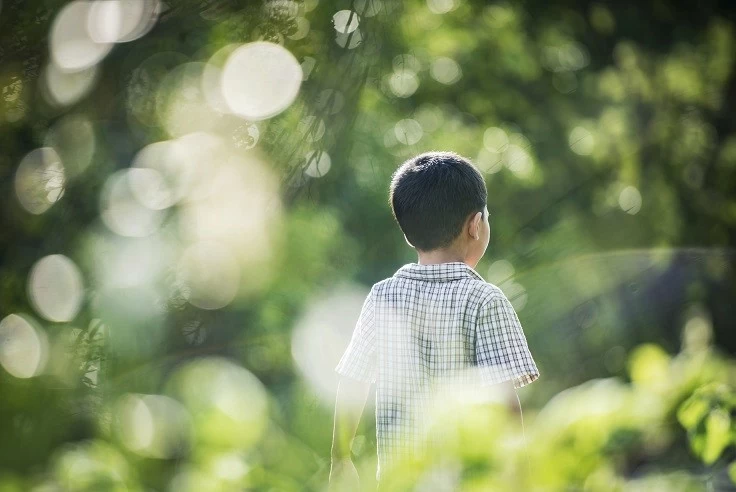 |
| Repeated violence and neglect can cause long-term damage to a child's emotional life and cognitive development. (Photo: Pexels) |
Proposing solutions to strengthen Vietnam's child protection system, Dr. Nguyen Ngoc Quynh Anh suggests that one of the first requirements is to establish a reliable and accessible reporting mechanism. The child protection hotline 111 currently receives about 300,000 calls annually, indicating a significant need for support. However, public awareness and trust in the system's responsiveness are still uneven.
Additionally, Vietnam needs to enhance mandatory reporting mechanisms for professions frequently in contact with children, such as teachers, healthcare workers, social workers, and police. Many countries have implemented this regulation to promptly detect suspected abuse cases while providing legal protection for reporters.
Experts also believe that community-based social work is particularly important. Families in crisis need support before things get out of control. A well-trained and adequately resourced local social work team can early identify vulnerable families and connect them with appropriate support services.
Moreover, promoting mental health support services and parenting skills is considered an essential preventive solution. Many parents abuse their children in states of stress, helplessness, or carrying unresolved psychological trauma. Many have never accessed non-violent parenting methods, making it easy to vent anger on their children when emotions are uncontrolled.
For children no longer safe living with their families, the alternative care system also needs adequate investment, strict supervision, and prioritization of the child's interests over administrative factors.
Alongside, early education on children's rights should be emphasized more in schools and communities. Children need to understand that their bodies deserve respect, that some adult behaviors are wrong, and that there are always trustworthy people to seek help from.
Looking to the world
International experience shows that effective child protection models focus on prevention and early intervention.
Dr. Nguyen Ngoc Quynh Anh notes that in Nordic countries like Norway, Sweden, and Finland, child welfare systems are built on the philosophy of supporting families before harm occurs. About 80% of children in Norway's welfare system receive support services rather than just being investigated or separated from their families.
Meanwhile, countries like the UK, Australia, and Canada implement mandatory reporting mechanisms accompanied by substantial support services for families in difficulty.
A common feature of effective systems is interdisciplinary coordination between healthcare, education, social work, police, and the community to ensure no child is left behind.
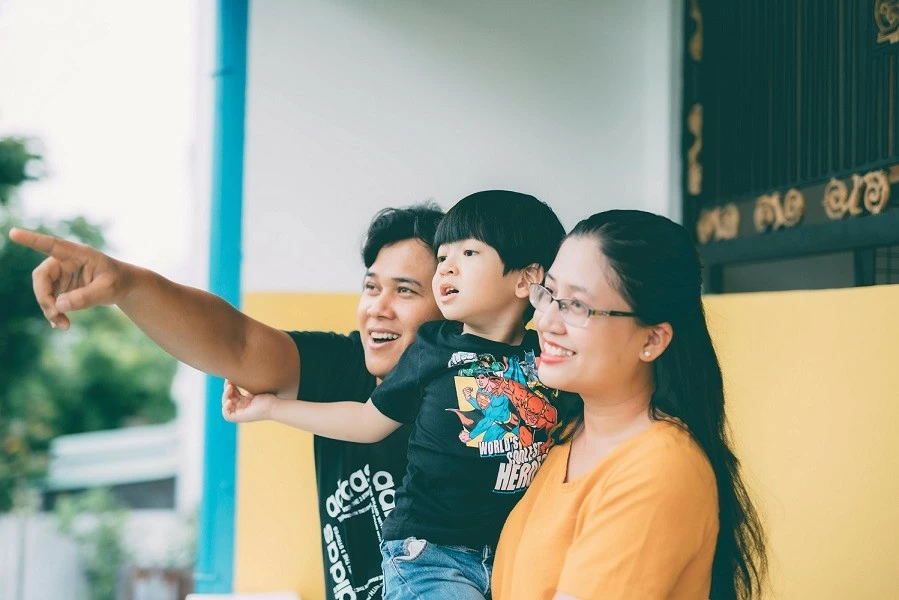 |
| Child protection is most effective when seen as a societal responsibility rather than a private family matter. (Photo: Pexels) |
According to Dr. Nguyen Ngoc Quynh Anh, the biggest lesson from these countries is that child protection must be viewed as a shared societal responsibility, not just a private family issue.
A safe society for children is where neighbors are willing to speak up when noticing unusual signs; where parents in difficulty can seek support without feeling ashamed; where social workers have enough resources to act; and where children grow up believing their safety is always protected by the community.
“We cannot go back to the past before scars form for children who have been harmed, but right now, in every province across Vietnam, there are still children in dire situations whom we can timely support. That is the task we need to undertake in the coming time,” Dr. Nguyen Ngoc Quynh Anh emphasizes.
| Launching Action Month for gender equality and gender-based violence prevention WVR - On November 11, in Hanoi, the 2025 Action Month for gender equality, and gender-based violence prevention and response was launched under the theme ... |

| Vietnam launches a new project to strengthen capacity for preventing and responding to domestic violence in the digital age WVR - On November 25, Vietnam officially launched a new two-year project titled “Building capacity to prevent and respond to domestic violence, 2025–2026”. |

| Together with Vietnam, building an environment where every woman and girl can live free from violence: UNFPA Representative WVR - According to the United Nations Population Fund (UNFPA) Representative in Vietnam Matt Jackson, Vietnam has taken significant steps in recent years to strengthen ... |

| Enhancing support for gender-based violence victims through Trauma-Informed Care On March 26, in Hanoi, UNFPA, the United Nations Population Fund, organised an international workshop on strengthening the Trauma-Informed Care (TIC) approach in providing services ... |

| Ha Tinh province promotes gender equality and eliminating all forms of gender-based violence WVR - On April 2, the Department of Health of Ha Tinh Province, with technical support from the United Nations Population Fund (UNFPA) and financial ... |