




Seminar: Strengthening Vietnam's strategic presence in the international media landscape
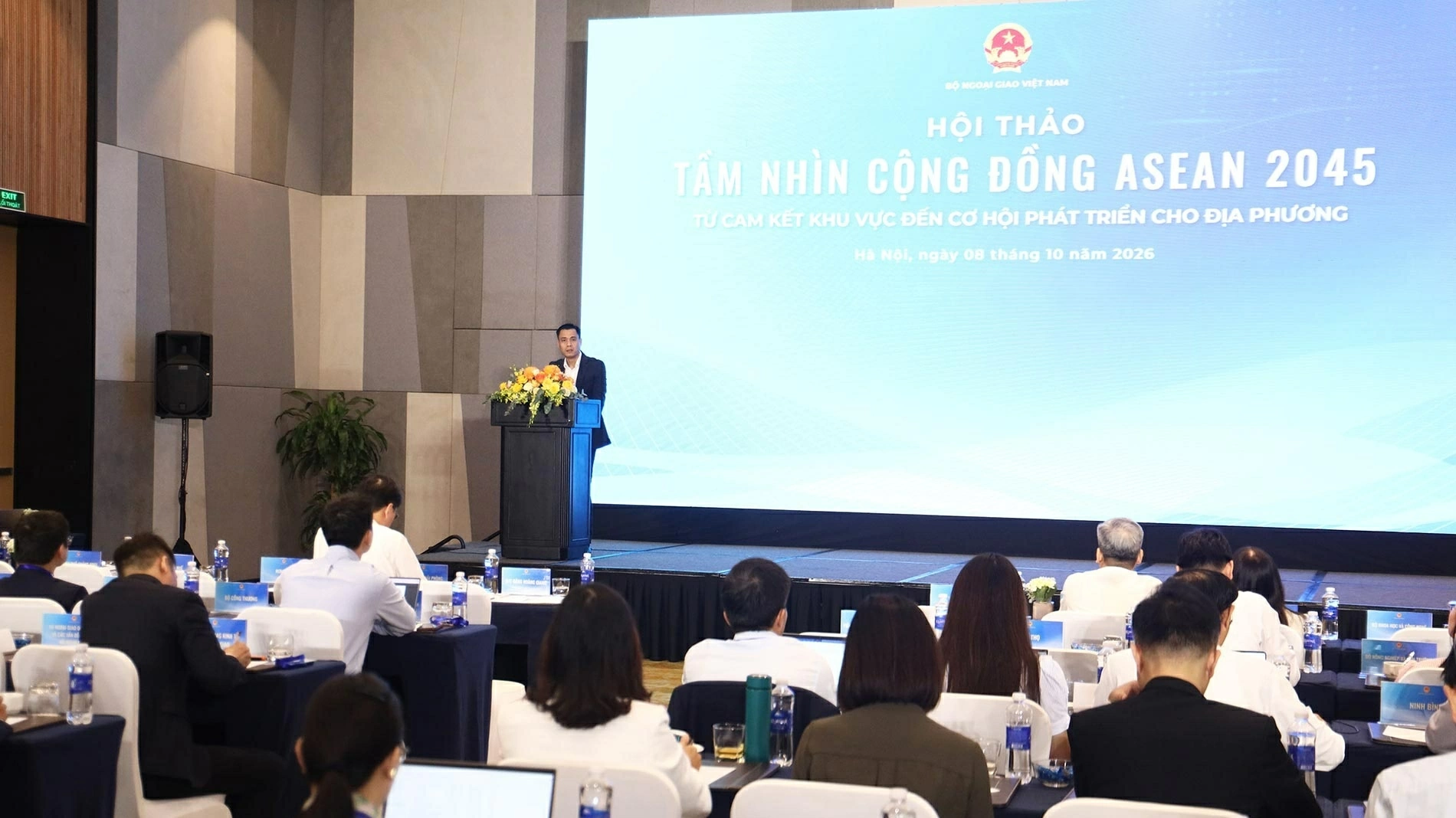
WVR - On June 12, as part of a ministerial-level scientific research project for 2026, The World and Vietnam Report organized the seminar "External Information in the New Era: Current Situation and Solutions".
Latest
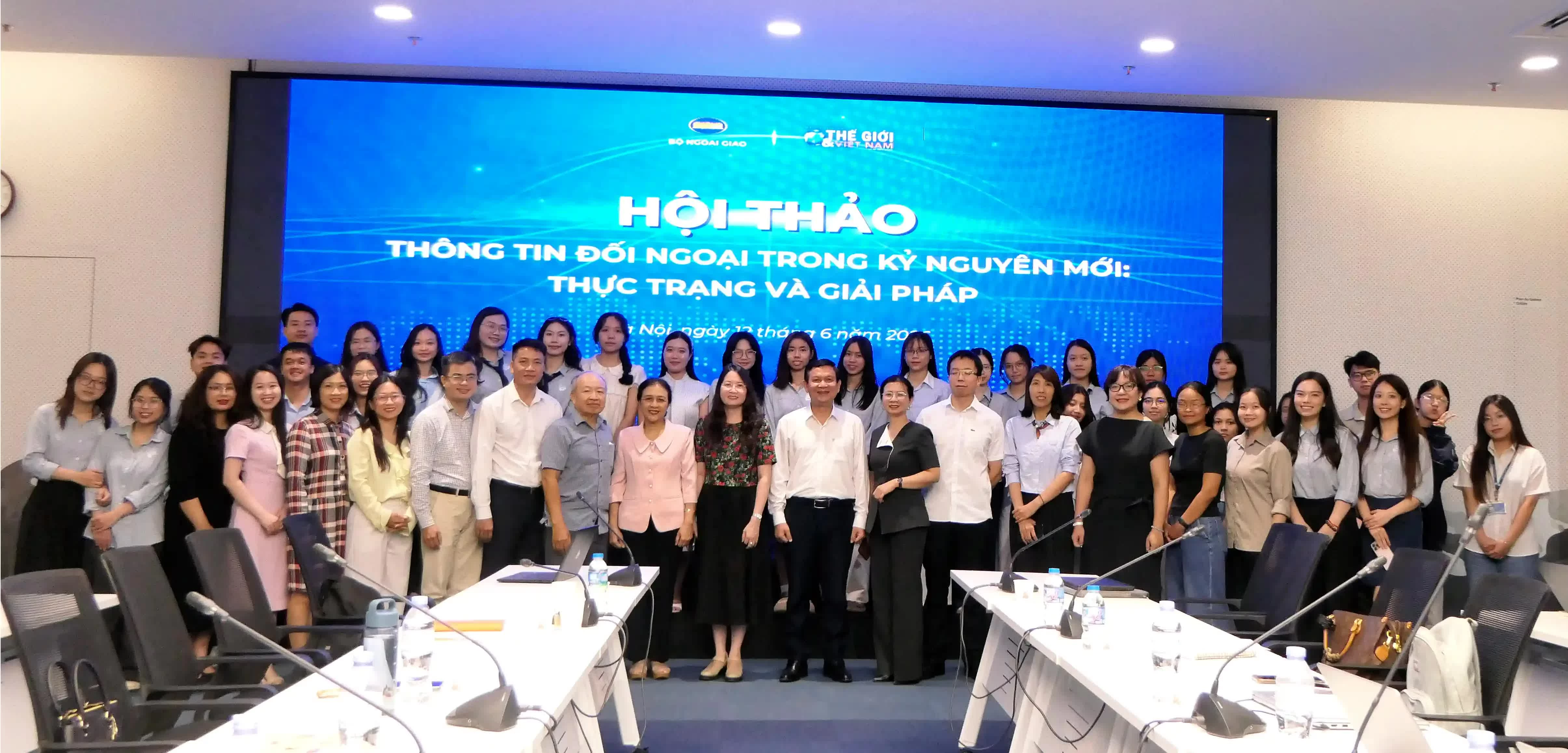 |
| Delegates take a commemorative photo at the seminar. (Photo: Yen Vi) |
The project is led by Ms. Hoang Diem Hanh, M.A., Minister Counsellor at the Embassy of Vietnam in Thailand and former Deputy Editor-in- Chief of The World and Vietnam Report . She also chaired the seminar. The seminar secretary was Dr. Ly Thi Hai Yen, Head of the Faculty of Political Theory at the Diplomatic Academy of Vietnam.
Additionally, the seminar was attended by Assoc. Prof. Dr. Duong Van Quang, former Director of the Diplomatic Academy, former Vietnamese Ambassador to Singapore, former Head of the Vietnamese Delegation to UNESCO; Ambassador Nguyen Phuong Nga, former Deputy Minister of Foreign Affairs, former President of the Vietnam Union of Friendship Organizations; Mr. Nguyen Van Thuat, Deputy Director of the Department of Basic Information and External Information, Ministry of Culture, Sports and Tourism; Mr. Pham Duc Thai, Member of the Executive Committee of the Vietnam Journalists Association, Director of the Information and Scientific Research Center, National Political Publishing House Truth.
Mr. Dao Le Phuong, Deputy Director of the Press Information Department, Ministry of Foreign Affairs; Dr. Nguyen Dong Anh, Secretary of the Youth Union of the Ministry of Foreign Affairs, Acting Head of the Faculty of Communication and External Culture; Dr. Dao Quyen Truong, former Deputy Director of the Department of External Affairs and Cultural Diplomacy; Dr. Vu Tuan Anh, First Secretary of the Vietnamese Embassy in Malaysia, former Head of the Faculty of Communication and External Culture; journalist Nguyen Viet Duc, Domestic News Editorial Board, Vietnam News Agency; along with numerous scholars, lecturers from the Diplomatic Academy, journalists, reporters, and students.
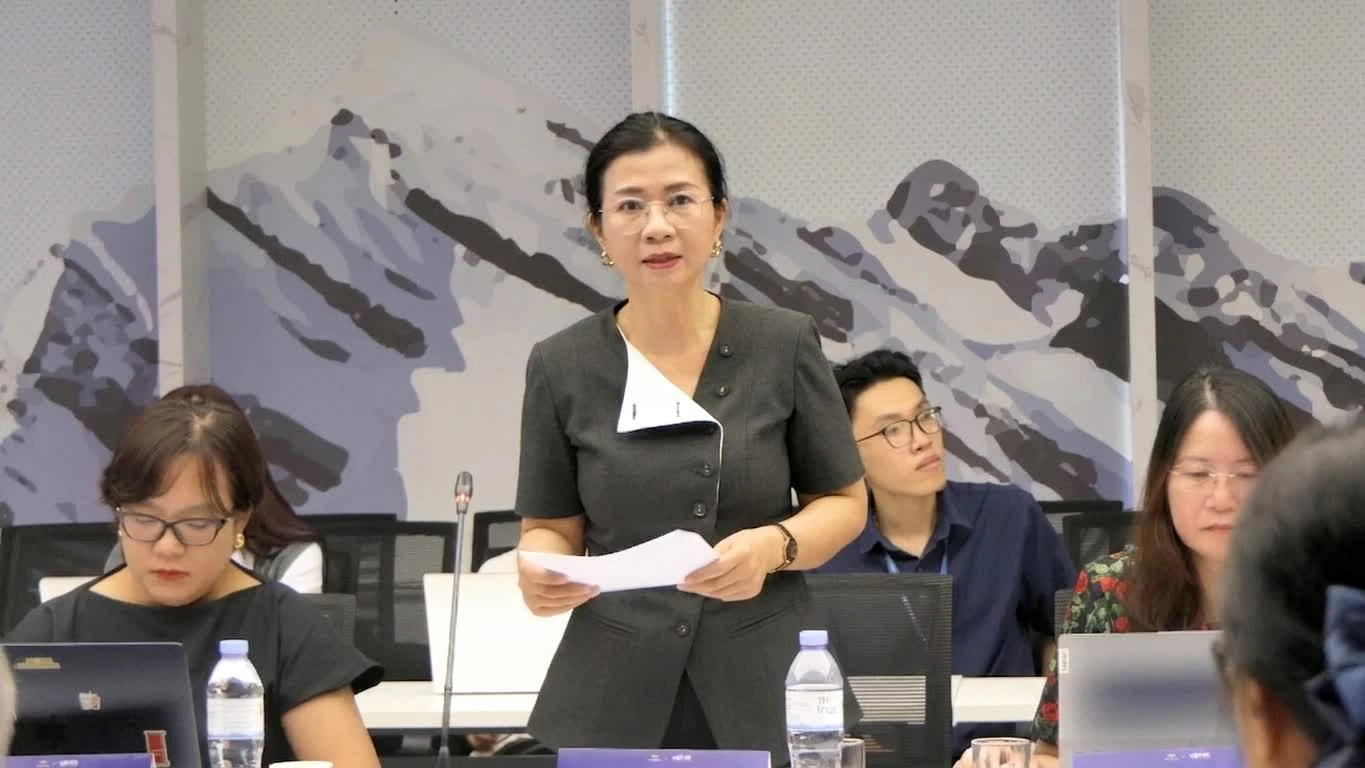 |
| Acting Deputy Editor-in-Chief of the World and Vietnam Report Ho Thi Van believes that external information work needs strategic solutions to adapt to the digital era. (Photo: Yen Vi) |
In her opening remarks, Acting Deputy Editor-in-Chief of The World and Vietnam Report Ho Thi Van noted that external information work is facing significant opportunities but also numerous challenges in the context of digital transformation, artificial intelligence (AI), and the rapid development of new media.
In this context, as a press agency under the Ministry of Foreign Affairs and one of the leading external press agencies in the country, The World and Vietnam Report is constantly seeking strategic solutions to enhance the effectiveness of external information in the new era.
Ms. Van shared that over the past 10 years, The World and Vietnam Report has implemented many research projects and scientific seminars linked to the practicalities of external information, from the role of external journalism to information work at Vietnamese Representative Missions abroad.
She expressed hope that the contributions of Ambassadors, experts, and scholars would provide additional theoretical and practical arguments to aid policy formulation, improve human resource quality, and enhance the effectiveness of the Ministry of Foreign Affairs' external information work in the new phase.
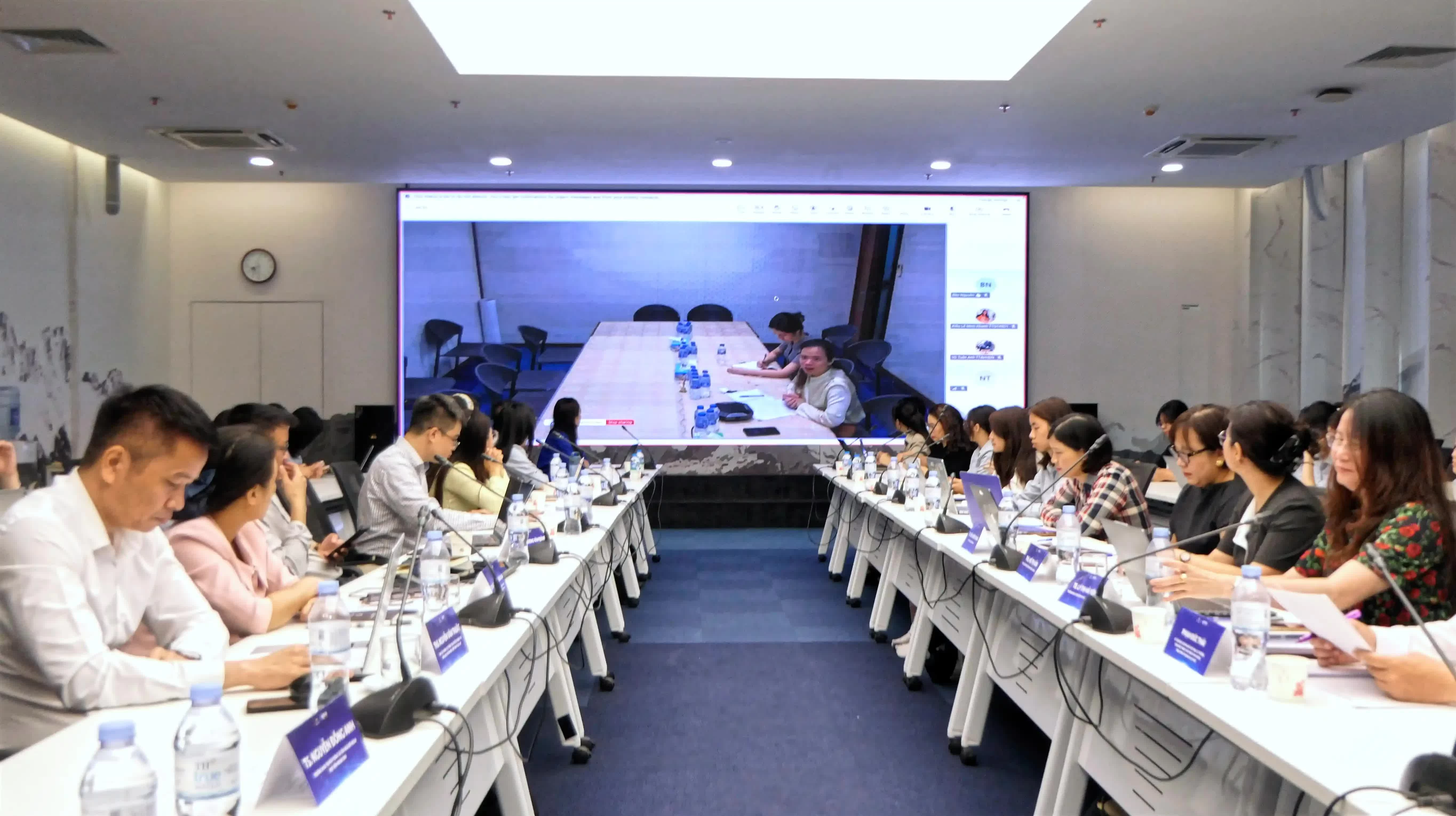 |
| Ms. Hoang Diem Hanh, Counselor at the Vietnamese Embassy in Thailand, speaks online at the seminar. (Photo: Yen Vi) |
Speaking online from Bangkok, Ms. Hoang Diem Hanh, project leader, stressed that the seminar was organized to contribute to improving the theoretical and practical basis for external information work in the new context.
On behalf of the research team and the organizing committee, Ms. Hoang Diem Hanh thanked the experts, managers, journalists, lecturers, students, and staff at Vietnamese Representative Missions abroad for attending and contributing ideas to the seminar from various locations.
Referring to the official visit to Vietnam by Thai Prime Minister Anutin Charnvirakul as part of the ASEAN Future Forum, Ms. Hanh highlighted striking images in the media, such as the moment the Thai Prime Minister played the T'rung instrument at a reception, shared the story of the watch presented by General Secretary, President To Lam, or personally seeing off the high-level Vietnamese delegation at the airport.
According to her, the impact of these images stems from sincerity and natural emotion, showing that to influence, external messages need to meet three core elements: speed to ensure timeliness, accuracy to build trust, and "touch" to evoke empathy and leave a mark in public perception.
This is also the requirement for those working in external information in the digital era, where the competition for national image, prestige, and appeal is increasingly fierce in cyberspace, requiring the collaboration of management agencies, the press, Representative Missions abroad, and society as a whole to effectively promote Vietnam's image and protect national interests.
Identifying challenges, creating national soft power
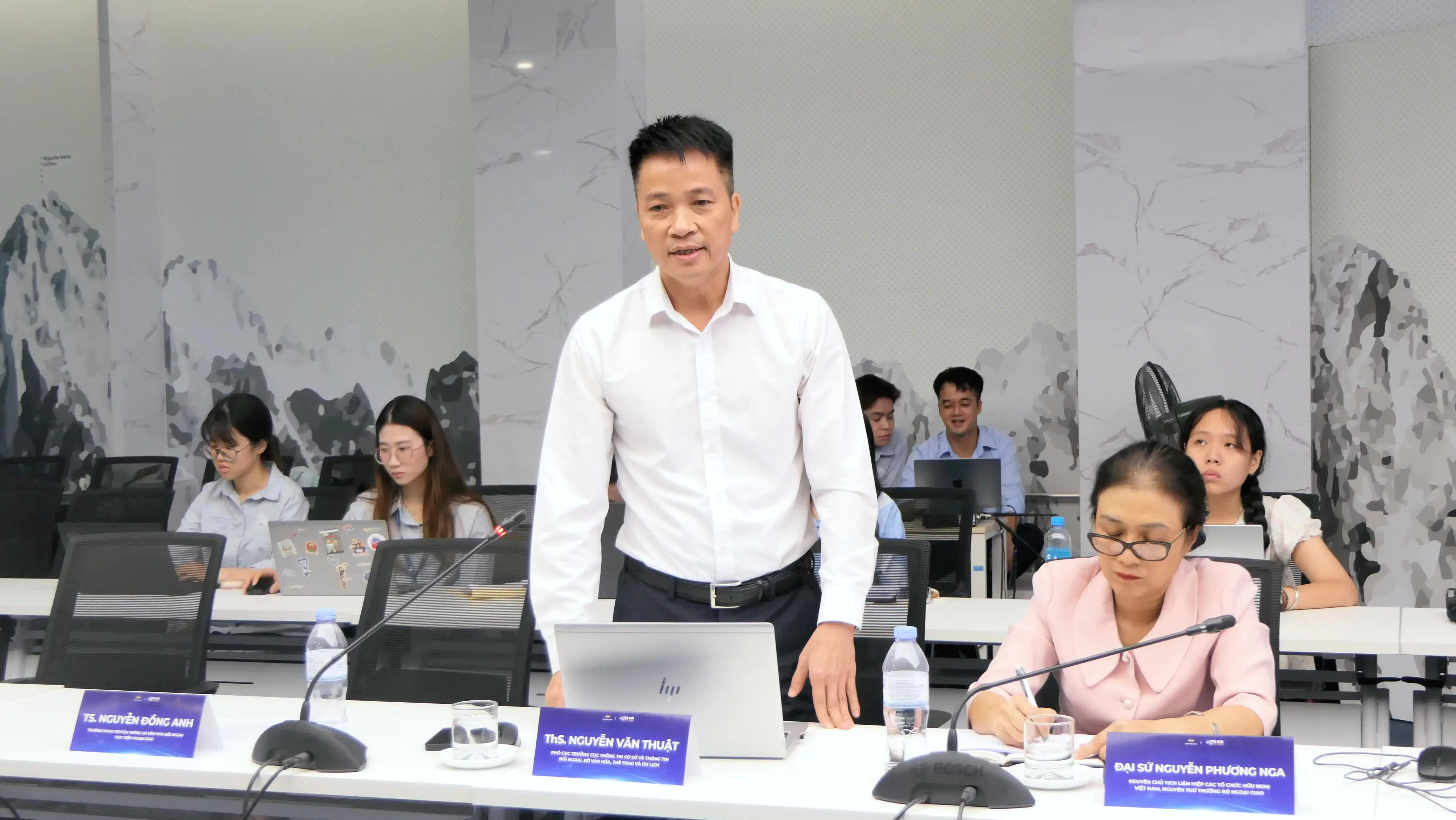 |
| Mr. Nguyen Van Thuat, Deputy Director of the Department of Basic Information and External Information, Ministry of Culture, Sports and Tourism, asserts that information is becoming a "strategic weapon" in the competition for national soft power. (Photo: Yen Vi) |
Presenting a paper on "External Information in the Digital Era: Identifying Opportunities and Challenges", Mr. Nguyen Van Thuat noted that the global media environment is undergoing profound changes due to digital transformation, artificial intelligence, and cross-border platforms.
According to him, external information has gone beyond the traditional understanding of "bringing the world to Vietnam, bringing Vietnam to the world", becoming a component of national soft power, linked to digital sovereignty, information security, and the ability to shape international public opinion.
Citing examples from the Russia-Ukraine conflict, US-China competition, or the Middle East crisis, the representative from the Ministry of Culture, Sports and Tourism noted that information is becoming the "strategic weapon" of the 21st century, as national advantages increasingly depend on the ability to control data, digital technology, and global information flows.
Analyzing Vietnam's opportunities and challenges, Mr. Thuat informed that the country currently has nearly 80 million internet users, 76 million social media accounts, and 127 million mobile connections.
However, Vietnam remains primarily in the position of a user rather than a platform owner, relying on external core technology while generative AI, deepfake, and automated tools increase the risk of information manipulation, forming cross-border "cognitive warfare".
He also pointed out bottlenecks such as ineffective inter-agency coordination mechanisms and a digital ecosystem not strong enough to transform cultural resources into national soft power.
Citing data from relevant agencies, Mr. Thuat noted that in 2023, Vietnam recorded approximately 520,000 cyberattacks on information systems, 547,000 denial-of-service (DDoS) attacks, with 52% of agencies and enterprises affected by malware, and about 6.5 million personal accounts stolen in the third quarter of 2023 alone.
Proposing the "digital ring" model as a new approach to external information work, the representative from the Ministry of Culture, Sports and Tourism emphasized four components: policy, technology, content, and public feedback, which need to be connected in a closed loop, operating based on data and real-time to continuously adjust communication strategies.
On this basis, Mr. Thuat proposed five key solution groups: (i) Perfecting institutional and inter-agency coordination mechanisms; (ii) Developing data infrastructure and digital platforms; (iii) Innovating content towards telling Vietnam's stories suitable for international public reception; (iv) Enhancing forecasting capacity and crisis communication management; (v) Developing high-quality digital external information human resources.
According to him, to improve the effectiveness of external information in the digital era, Vietnam needs to "shift the mindset from promoting images to creating national soft power, building an integrated digital media ecosystem, and mobilizing the participation of the entire society in spreading the country's image".
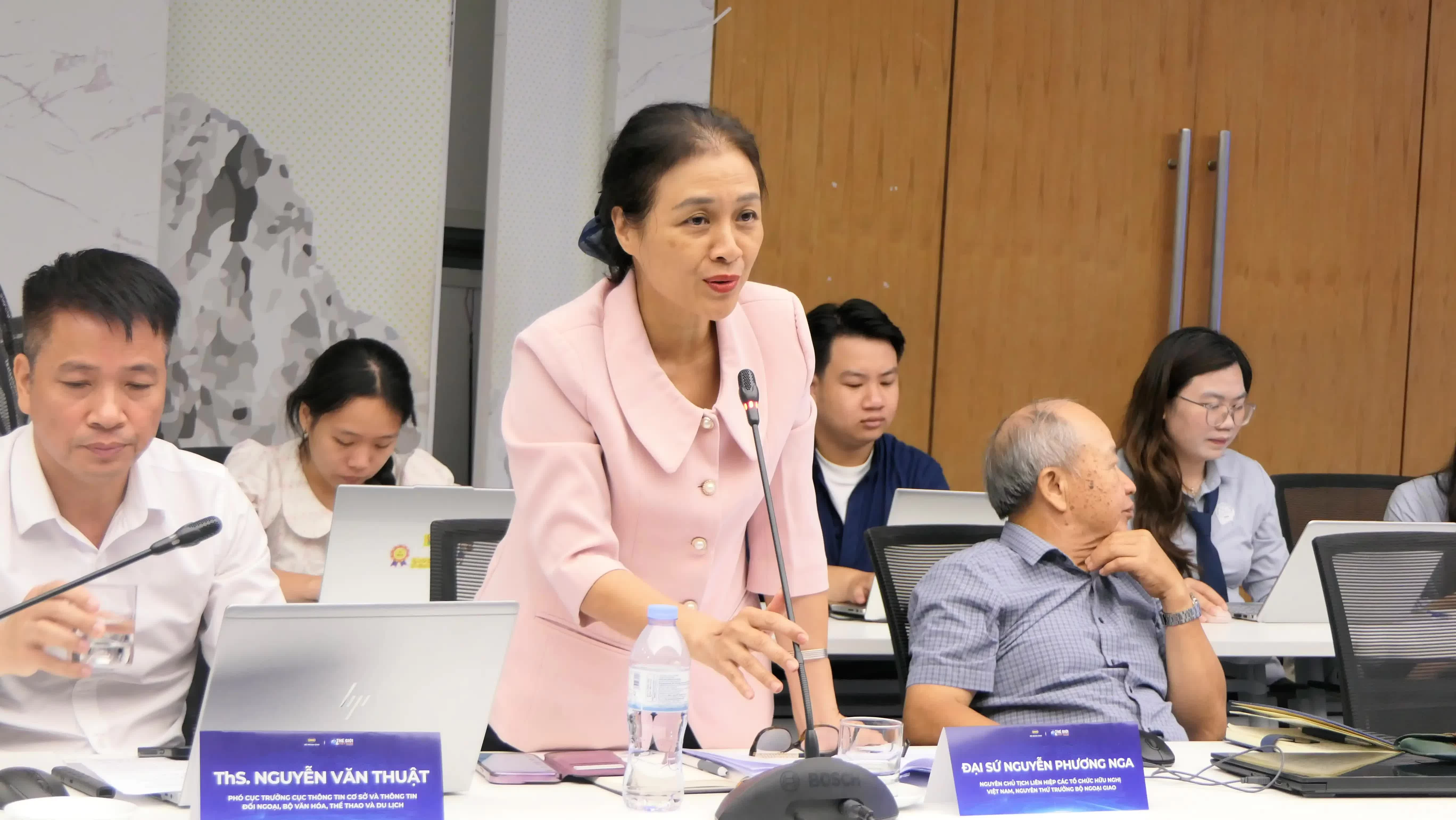 |
| Ambassador Nguyen Phuong Nga expressed the need to innovate thinking, focusing on building trust and spreading Vietnam's positive values. (Photo: Yen Vi) |
Expressing agreement with the opinions and proposals of Mr. Thuat, Ambassador Nguyen Phuong Nga, former Deputy Minister of Foreign Affairs, noted that Vietnam's achievements over the years cannot be denied, as the country's image on the international stage has changed positively, receiving wider recognition and goodwill.
However, the requirements in the new phase have become much more challenging, as external information must not only spread the image but also contribute to shaping the national position, becoming a strategic competition tool in the race for soft power, prestige, and international influence.
From the perspective of someone with many years of experience in external affairs, Ambassador Nguyen Phuong Nga believes that first and foremost, it is necessary to innovate thinking, erasing the boundary between internal and external affairs. External information must contribute to building a foundation of consensus in society, strengthening public trust before reaching outwards. Every citizen is an "image representative" of Vietnam, so it is essential to raise awareness and responsibility across society, considering this a common task of the entire political system.
Furthermore, external information activities need to be closely linked with the country's strategic goals, especially foreign policy objectives and building a peaceful, friendly environment with neighboring countries.
According to the former Deputy Minister, fostering understanding and respect in people-to-people exchanges, even in cyberspace, is crucial for national security, stability, and long-term interests.
In this spirit, Ambassador Nguyen Phuong Nga also proposed five specific solution groups to enhance the effectiveness of external information work in the new context.
First, innovate thinking and approach, focusing on building trust and spreading Vietnam's positive values. Second, proactively grasp, forecast, and lead public opinion instead of merely reacting when a crisis occurs; each major policy or important project should be accompanied by a communication strategy from the outset to create social consensus.
Third, promote technology application, leverage the power of digital platforms, gradually develop Vietnam's own digital tools and infrastructure to reduce dependence on external sources.
Fourth, strengthen coordination among forces, from management agencies, the press, technology enterprises to the public, the Vietnamese community abroad, international media, and content creators to create widespread impact.
Finally, there should be a worthy investment mechanism for the main forces in external information work, building a team with sufficient professional capacity, empowered to take initiative, and committed to the profession.
"Only by retaining professionals with trust and appropriate working conditions can we build a strong enough force to lead public opinion, protect national interests, and effectively leverage the power of external information in the digital era," Ambassador Nguyen Phuong Nga expressed.
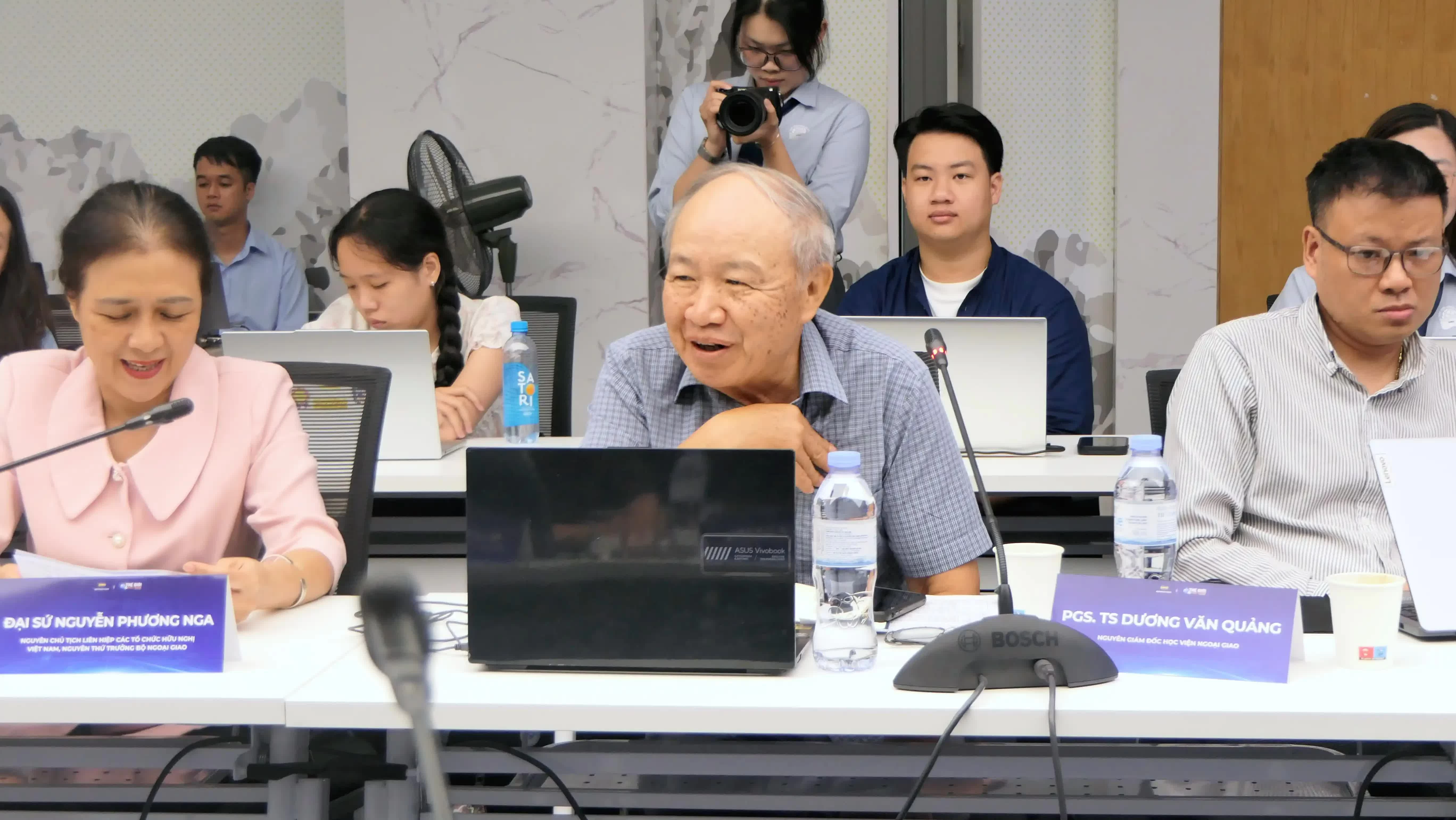 |
| Assoc. Prof. Dr. Duong Van Quang emphasized that to effectively tell Vietnam's story, it is necessary to clearly identify core values and consistent messages. (Photo: Yen Vi) |
During the seminar, Assoc. Prof. Dr. Duong Van Quang, former President of the Diplomatic Academy, emphasized that while economic and cultural integration have relatively clear directions, the field of information still lacks a unified approach, leading to confusion in perception and human resource training.
To effectively tell Vietnam's story, it is first necessary to identify the core values and consistent messages about the country to create consistency in external communication. On this basis, it is essential to innovate the training of external information personnel towards an interdisciplinary approach, equipping them with knowledge of journalism, culture, international relations, digital technology, and the ability to construct narratives suitable for a global audience.
According to Assoc. Prof. Dr. Duong Van Quang, information in the digital era is not just about transmitting data but must contribute to building knowledge, trust, and persuasion through authentic, rich, and culturally resonant stories that can touch the audience.
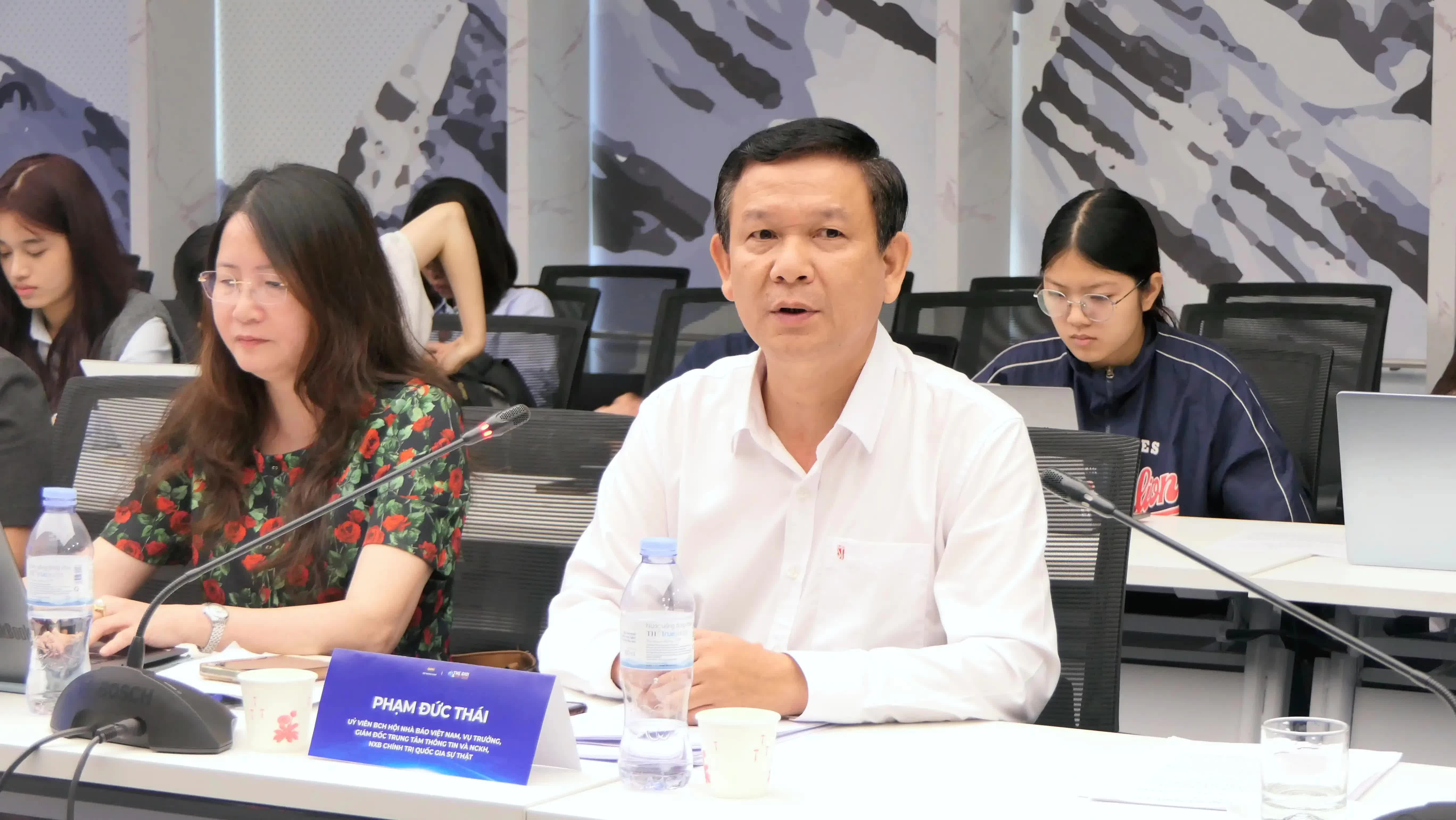 |
| Mr. Pham Duc Thai, Director of the Information and Scientific Research Center, National Political Publishing House Truth, affirms that books and political publications remain reliable "touchpoints" in external information. (Photo: Yen Vi) |
From the perspective of publishing and knowledge dissemination, Mr. Pham Duc Thai believes that books and political publications still play a special role in the external information ecosystem due to their authenticity, depth of knowledge, and long-term preservation capability.
In the context of strong digital media development, the challenge is not to replace traditional values but to effectively combine sustainable content with modern transmission methods to reach diverse international audiences.
According to the representative from the National Political Publishing House Truth, translating and publishing important Vietnamese publications in multiple languages, along with digitizing and spreading them on new platforms, will contribute to creating reliable "touchpoints", helping international friends better understand the policies, history, and values that Vietnam pursues in its development process.
This is also a way to transform knowledge resources into soft power, supporting journalism and public diplomacy in telling Vietnam's story to the world.
Lessons Learned
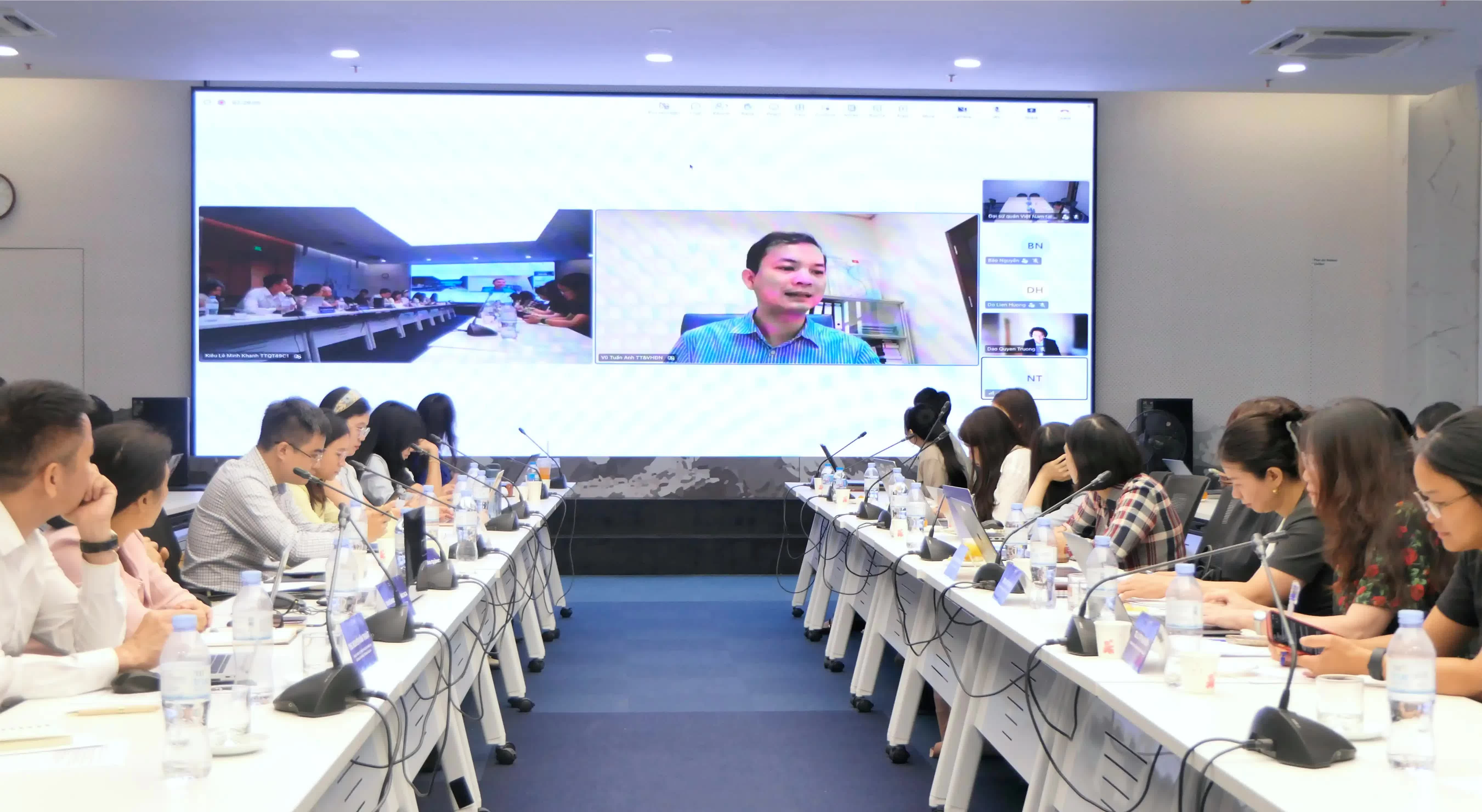 |
| Dr. Vu Tuan Anh, First Secretary of the Vietnamese Embassy in Malaysia, shares that overseas representative missions need to promote their role as direct touchpoints with international public opinion. (Photo: Yen Vi) |
Sharing from Malaysia, Dr. Vu Tuan Anh, First Secretary of the Vietnamese Embassy in Malaysia, former Head of the Faculty of Communication and External Culture, Diplomatic Academy, believes that in the context of global digital transformation, external information and diplomacy have moved beyond traditional channels to strongly shift to the digital space. The internet, social media, and cross-border platforms are fundamentally changing how countries build images, convey policy messages, and interact with international audiences.
Dr. Vu Tuan Anh believes that digital diplomacy should be seen as the application of digital technology to serve foreign policy objectives, manage national image, and enhance connections with foreign audiences, thereby becoming an important component of national foreign affairs capacity. The practical experience in Malaysia shows that digital communication is implemented synchronously in many areas, from public diplomacy, cultural diplomacy to economic diplomacy and citizen protection.
Through the electronic portal system, social media of the Ministry of Foreign Affairs, and representative missions, Malaysia continuously spreads the image of a multicultural, moderate Islamic nation, an active member of ASEAN, and a responsible partner of the international community.
Content on tourism, education, cuisine, heritage, investment, or Islamic finance is designed to suit different audience groups, contributing to transforming cultural diversity into soft power and enhancing national appeal in international competition.
Alongside the achievements, Dr. Vu Tuan Anh notes that Malaysia's external digital communication is always associated with the requirement of managing cyberspace and an appropriate legal framework.
Improving management mechanisms for major digital platforms, enhancing crisis information response capabilities, and promoting technology application in consular work have helped the country be more proactive in protecting citizens and handling misinformation.
From this experience, the expert also suggests that Vietnam's external information work should continue to promote the role of overseas representative missions as direct "touchpoints" with international public opinion, while effectively combining technology innovation, national discourse construction, and enhancing digital communication management capabilities.
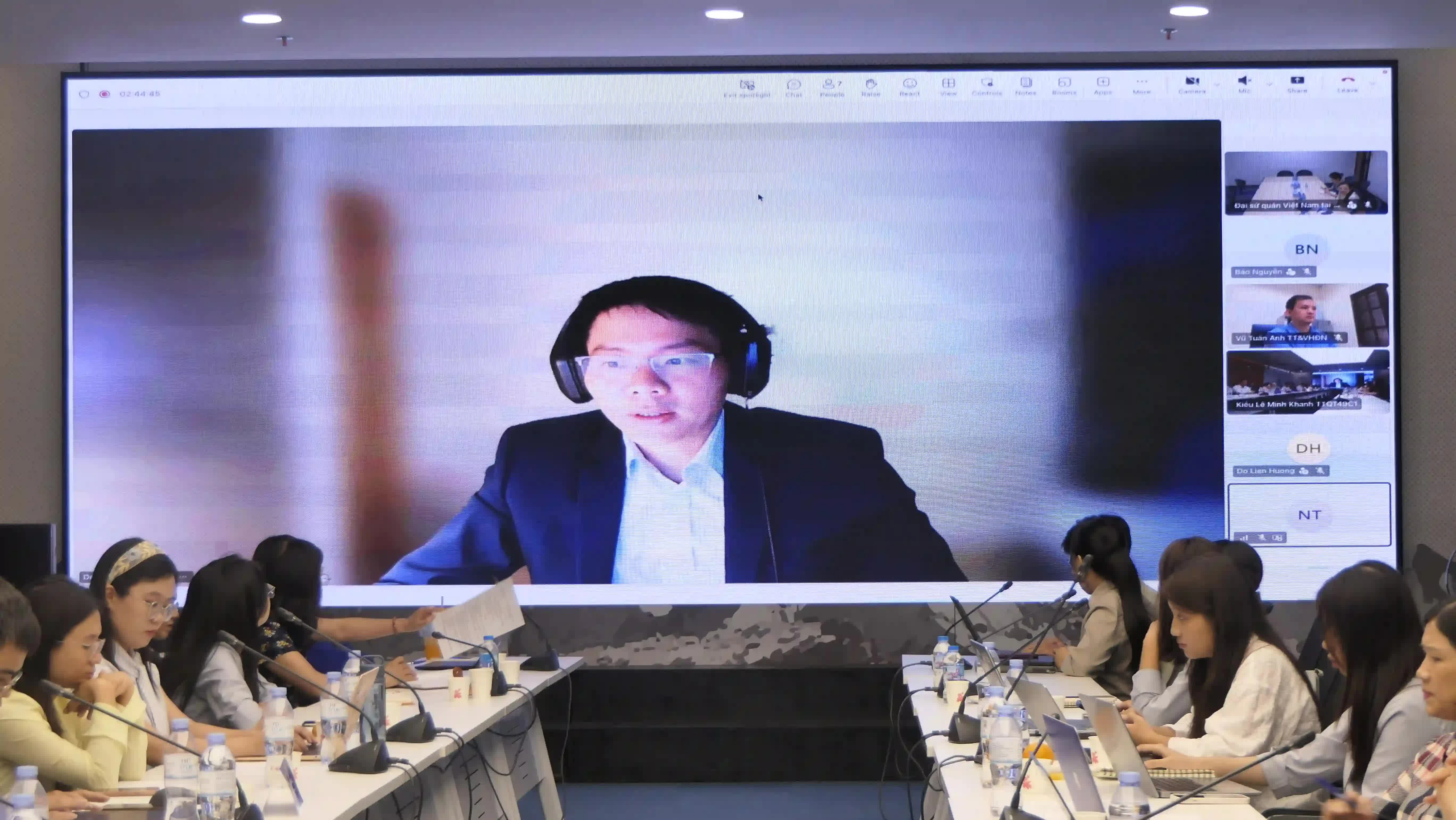 |
| Dr. Dao Quyen Truong analyzes that soft power is created from the ability to connect cultural, educational, and creative resources into international influence. (Photo: Yen Vi) |
Sharing from the UK, Dr. Dao Quyen Truong believes that the question of the UK's soft power is essentially a question of the nature of power in the 21st century. If in the past national power was mainly measured by territory, military, or economy, today the ability to build trust, evoke goodwill, and promote cooperation also becomes an important measure of international influence.
According to Dr., the success of British public diplomacy does not lie in individual elements like the BBC, the Oxford and Cambridge university system, Shakespeare, or the Premier League, but in how the country connects resources into a unified soft power ecosystem.
The British Council is a prime example, not operating as a propaganda agency, but creating a space for dialogue, learning, and cooperation, helping international audiences directly experience, feel, and form goodwill towards the UK.
Dr. Dao Quyen Truong also emphasizes that education is one of the UK's most effective public diplomacy tools. Each year, the country attracts hundreds of thousands of international students; many current world leaders have studied at UK educational institutions.
The greatest value that education creates is not just knowledge or economic revenue, but enduring relationships, understanding, and a network of connections lasting decades.
Even after Brexit, the UK continues to increase investment in culture, education, and creative industries. For example, the establishment of the UK Soft Power Council shows that soft power has been placed at the national strategic level, as an important asset in competing for global influence.
From the UK's experience, Dr. Dao Quyen Truong believes that Vietnam does not lack resources to build soft power but needs to know how to transform existing values into international influence. Therefore, he proposes shifting from viewing culture as identity to seeing it as a development capability; from approaching heritage as a conservation object to exploiting it as a resource to create new value; and from the goal of presence to the goal of creating influence.
To achieve this, the team working on cultural diplomacy and external information needs to become compelling storytellers of Vietnam, able to connect development resources and activate value from heritage, knowledge, and creativity into specific products and cooperation opportunities. He believes that in the 21st century, a successful nation is not only a strong nation but also one that is trusted, loved, and desired as a partner.
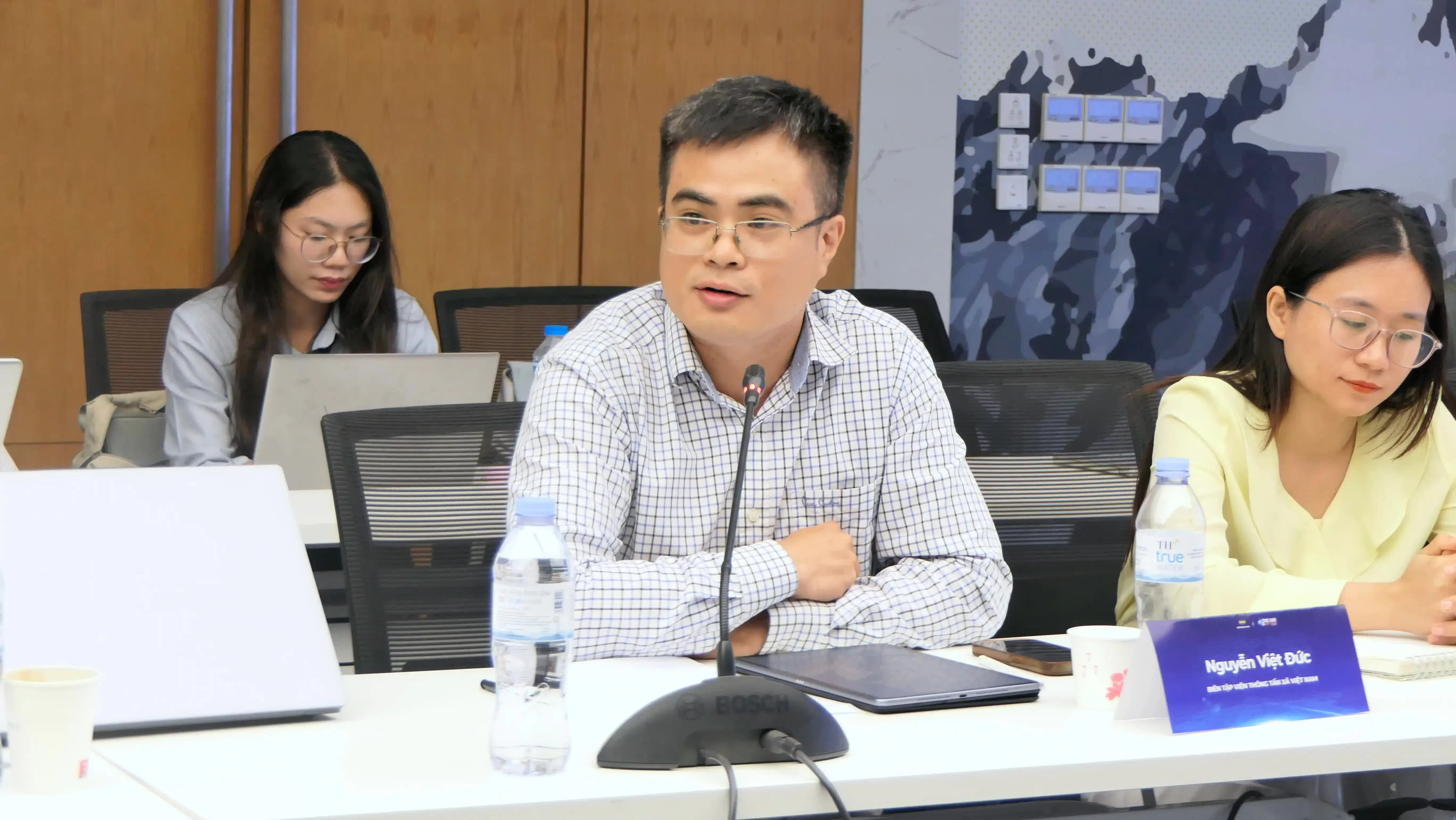 |
| Journalist Nguyen Viet Duc, Domestic News Editorial Board, Vietnam News Agency, ponders how to tell Vietnam's stories more vividly and convincingly to international friends. (Photo: Yen Vi) |
From the practical perspective of working in external information, journalist Nguyen Viet Duc, Domestic News Editorial Board, Vietnam News Agency, stated that what concerns professionals the most is how to innovate communication methods, bringing Vietnam's development achievements over nearly 40 years of renovation to the world in a lively, natural, and convincing manner.
According to him, in the context of rapidly changing digital media environments and audiences increasingly prioritizing concise, emotionally rich content, journalism needs to find ways to tell Vietnam's stories that are relatable, authentic, yet powerful enough to spread so that international friends better understand the country's position, development aspirations, and values.
Through working trips to China and the Republic of Korea, the representative from Vietnam News Agency was particularly impressed with how these countries skillfully integrate messages about culture, policy, and national values into everyday experiences, from in-flight movies, airport spaces to traditional cultural rituals, creating natural yet impactful touchpoints in the hearts of international audiences.
From these observations, journalist Nguyen Viet Duc proposed the "five houses" model in external information work, including the State, scientists, technology enterprises, the creative community, and media agencies.
Accordingly, the State plays a role in creating mechanisms and policies; technology enterprises develop platforms and digital tools; experts provide knowledge and professional perspectives; the creative community, including the public, journalists, and diplomats, contribute vibrant material from practice; while the media must become the "conductor" connecting resources, leading the flow of information and guiding public opinion.
Mr. Nguyen Viet Duc believes that media agencies need to proactively create playgrounds to encourage the creativity of the online community while effectively exploiting user-generated content to produce high-quality journalistic works serving external information.
According to journalist Nguyen Viet Duc, in the digital era, mainstream journalism cannot continue to operate with an old mindset but needs to boldly change its approach to the public. This requires strengthening technology application, developing multimedia products, and short videos suitable for mobile information consumption habits, while enhancing collaboration between journalism, research communities, technology enterprises, and diplomats to translate complex issues into concise, understandable, and impactful messages.
Only by leveraging the combined strength of participating entities and placing journalism in a coordinating role can external information work keep pace with the new media environment and effectively tell Vietnam's stories to the world.
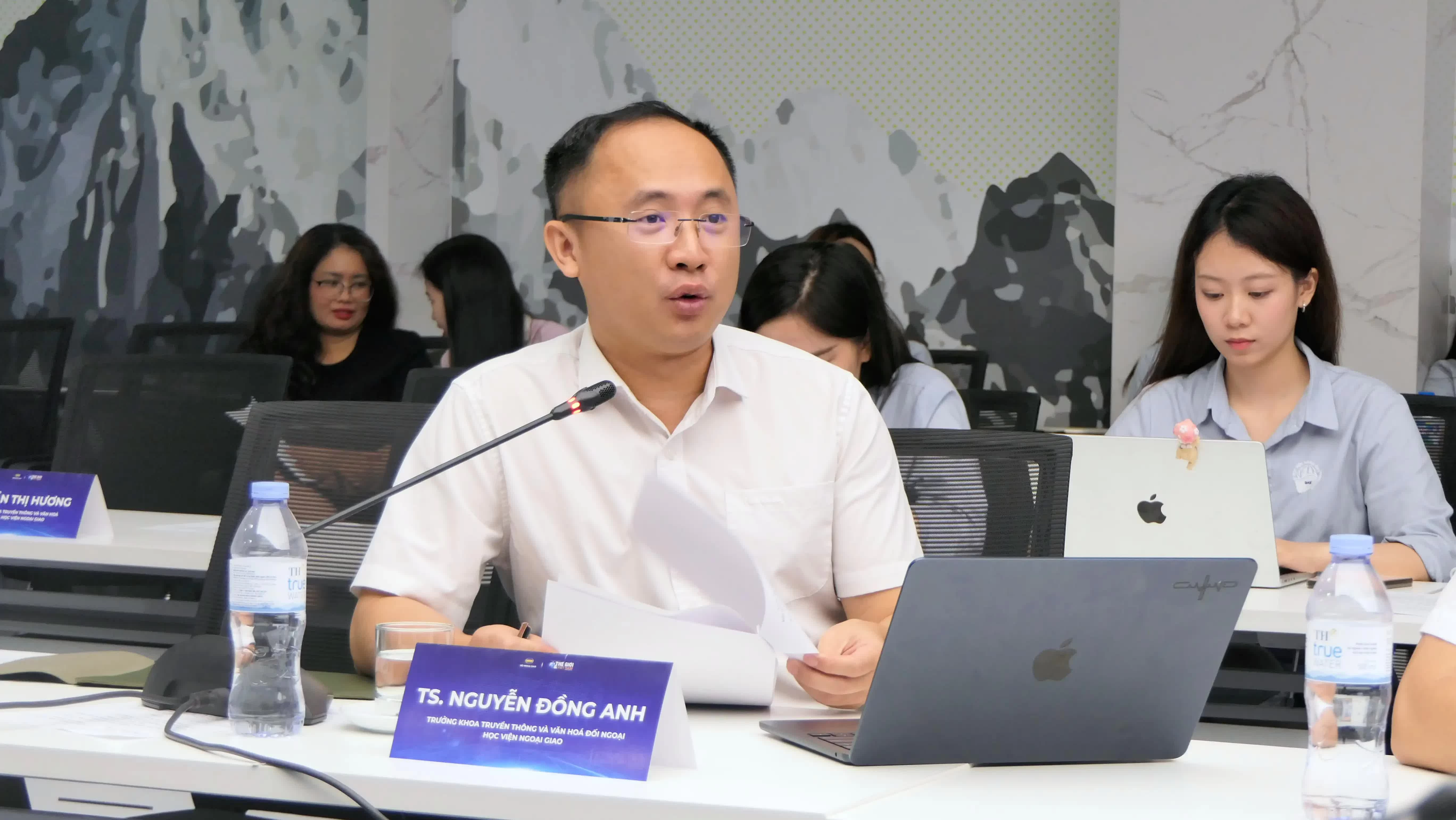 |
| Dr. Nguyen Dong Anh, Acting Head of the Faculty of Communication and External Culture, Diplomatic Academy, proposes training a generation of external information personnel skilled in technology and rich in Vietnamese identity. (Photo: Yen Vi) |
From the Diplomatic Academy's perspective, Dr. Nguyen Dong Anh, Secretary of the Youth Union of the Ministry of Foreign Affairs, Acting Head of the Faculty of Communication and External Culture, believes that the challenge of training human resources for external information work is facing groundbreaking changes in technology and AI.
According to Dr. Nguyen Dong Anh, besides standardizing training programs to international standards and continuously updating practical requirements from employing agencies, it is important to equip students with capabilities that AI cannot easily replace, such as a deep understanding of the country, people, and Vietnamese cultural values, political-diplomatic thinking, and the ability to construct culturally rich messages.
He also emphasized that innovation in training is not only about technology application but also about bringing the breath of life and practical experience into each lecture, to form a generation of external information personnel who are both proficient in modern skills and carry the mindset and voice of Vietnam when stepping onto the world stage.
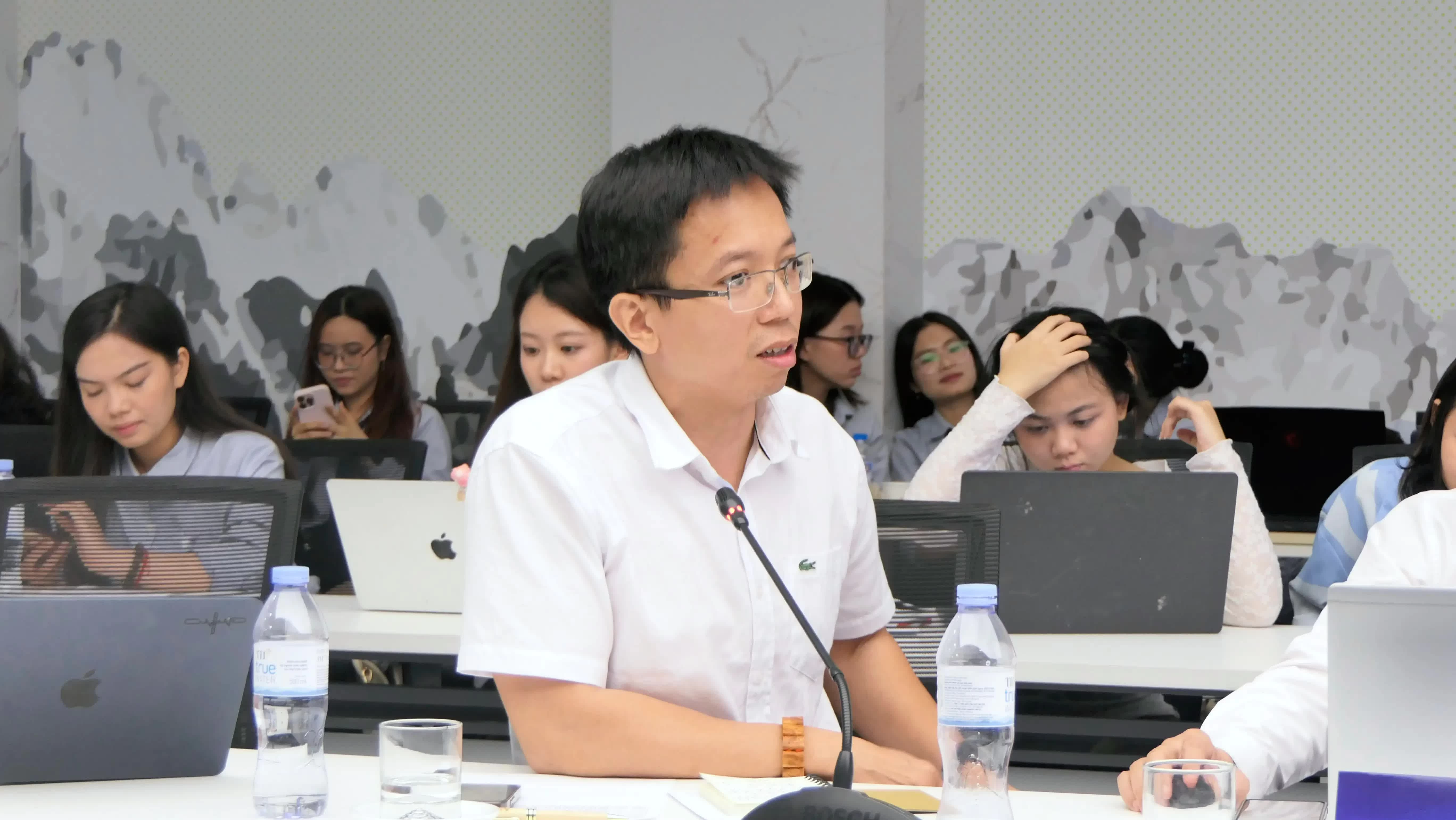 |
| Mr. Dao Le Phuong, Deputy Director General of the Press Information Department, Ministry of Foreign Affairs, believes that each high-level foreign activity should be implemented as a comprehensive communication campaign. (Photo: Yen Vi) |
Expanding from the perspective of an agency directly advising and implementing the Ministry of Foreign Affairs' external information work, Mr. Dao Le Phuong, Deputy Director General of the Press Information Department, underlined that the spirit of innovation has been clearly set out in Resolution No. 06-NQ/TW on the foreign policy of the Party's XIV Congress, with the requirement to promote public diplomacy and strongly innovate the content and form of external information communication.
According to him, in the context where social media has become the dominant media space, each foreign activity, especially those of high-level leaders, should be viewed as a comprehensive communication campaign, prepared early, with specific content strategies for each audience group, and effectively utilizing digital platforms.
From international practical research experience, the Deputy Director General of the Press Information Department noted that many countries build clear information lines associated with the image of high-level leaders and national strategic priorities, while investing in dedicated forces for digital and social media communication.
Therefore, innovating thinking, proactively adapting to the new media environment, and elevating communication to serve high-level foreign activities will be key factors to enhance the effectiveness of external information work in the coming phase.
In her closing remarks from Bangkok, Ms. Hoang Diem Hanh sincerely shared that the greatest value the seminar brought was connection – connecting between locations, between policymakers, researchers, journalists, diplomats, and the younger generation entering the field of external information.
On behalf of the research project team and the organizing committee, the Counselor at the Vietnamese Embassy in Thailand thanked the participants for sharing many heartfelt opinions and expressed hope that the "pieces" gathered from the seminar would contribute to creating practical solutions, helping Vietnam's external information work become increasingly effective in the new era.
Some images from the event:
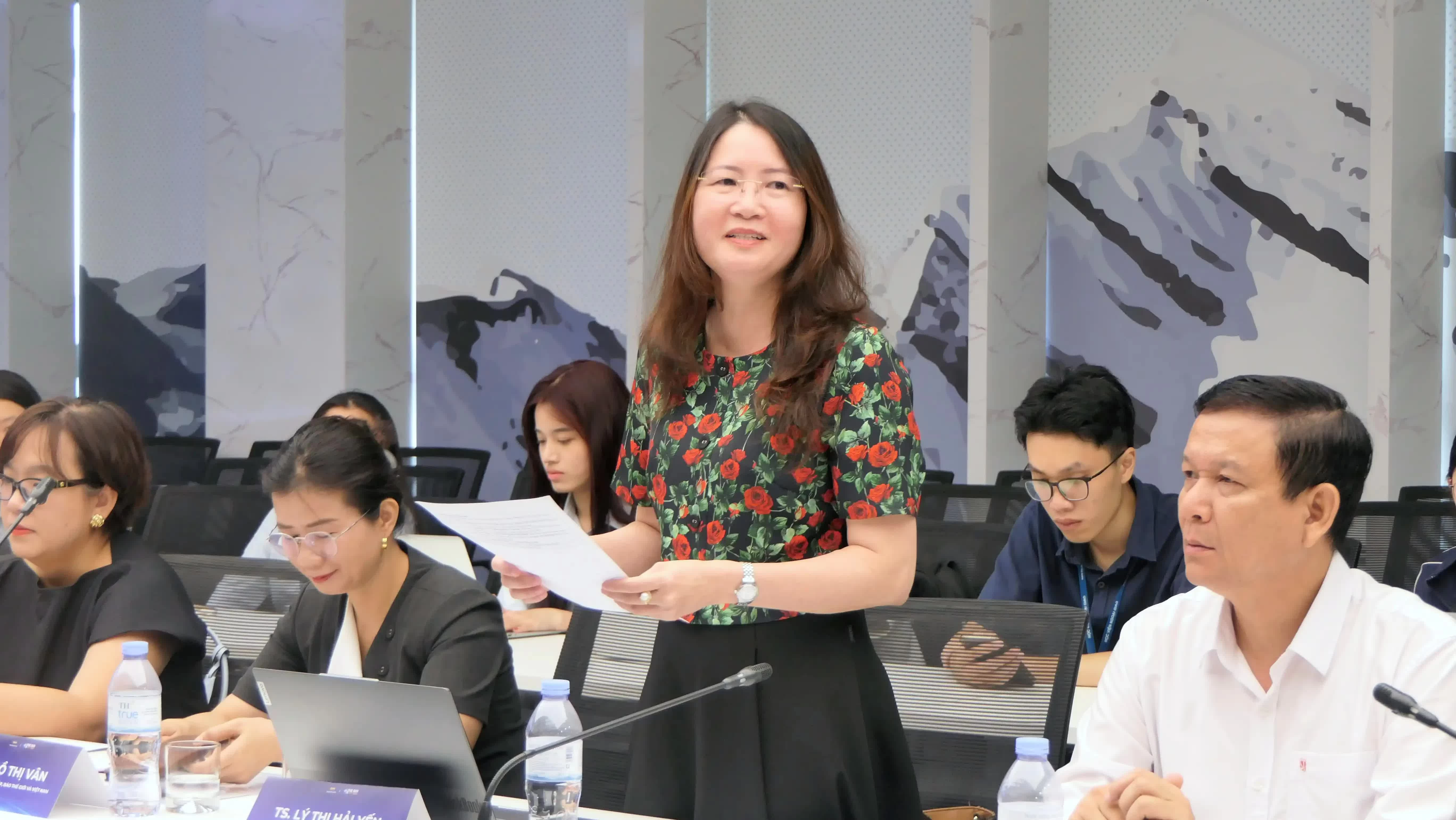 |
| Dr. Ly Thi Hai Yen, Head of the Department of Political Theory, Diplomatic Academy, coordinates Session 1 "Orientation, Management, and Innovation of External Information Work in the Digital Era". (Photo: Yen Vi) |
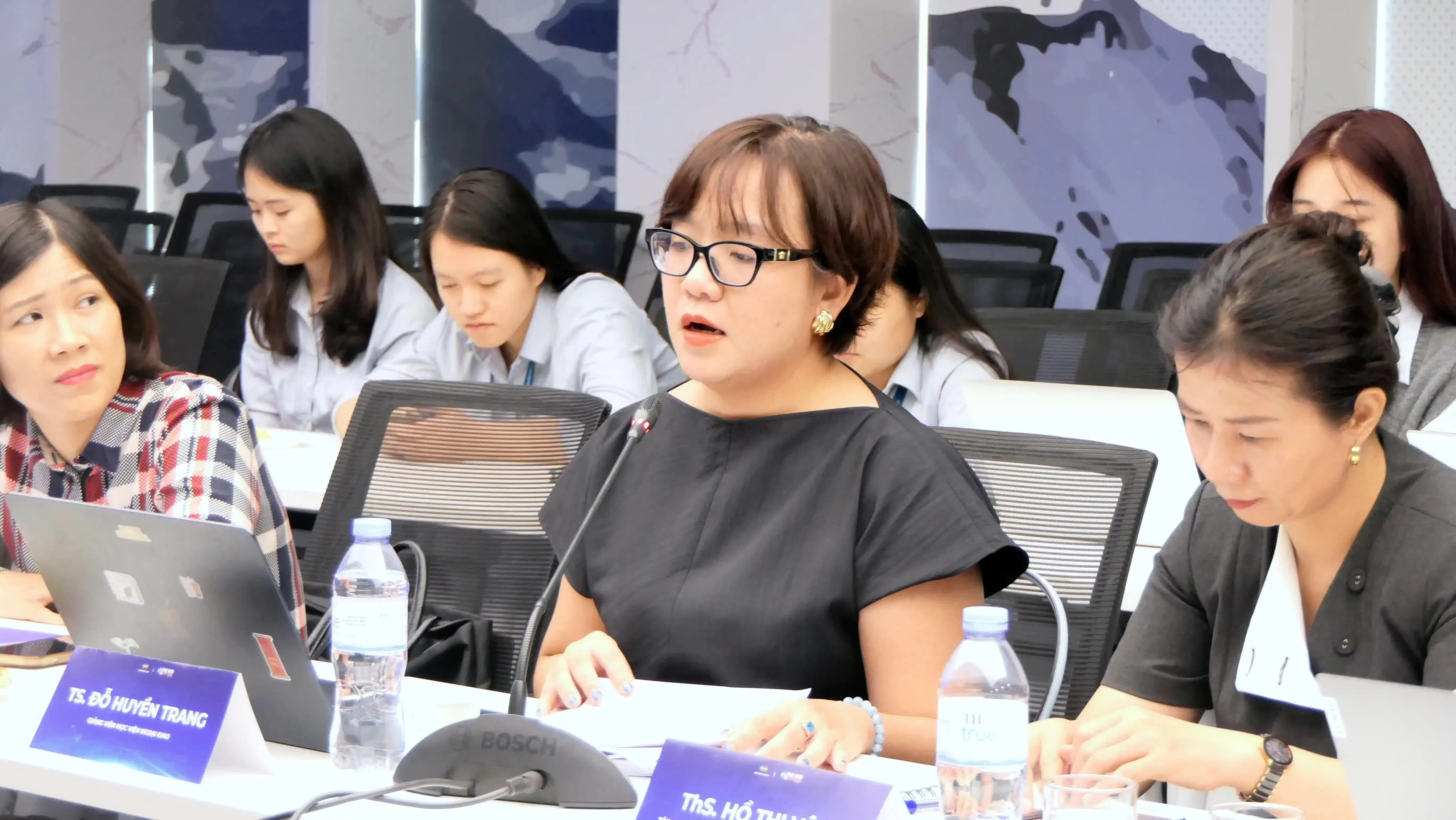 |
| Dr. Do Huyen Trang, Senior Lecturer of the Faculty of Communication and External Culture, Diplomatic Academy, chairs Session 2 "Practicing External Communication: Practical Experiences and Lessons in the New Media Environment". (Photo: Yen Vi) |
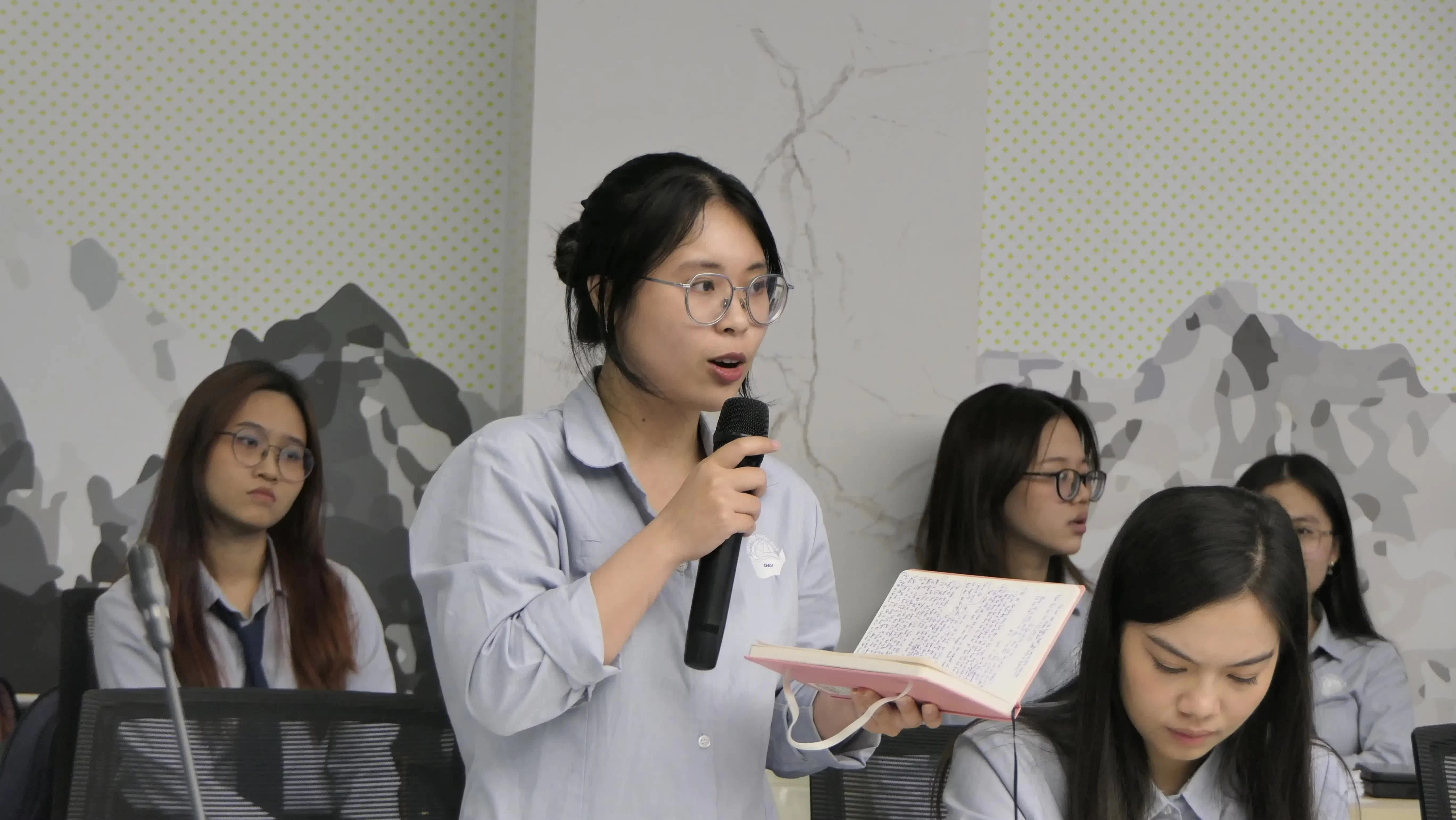 |
| Representatives of Diplomatic Academy students share their deep impressions after the seminar, considering it a valuable opportunity to learn and gain motivation to pursue external information work. (Photo: Yen Vi) |
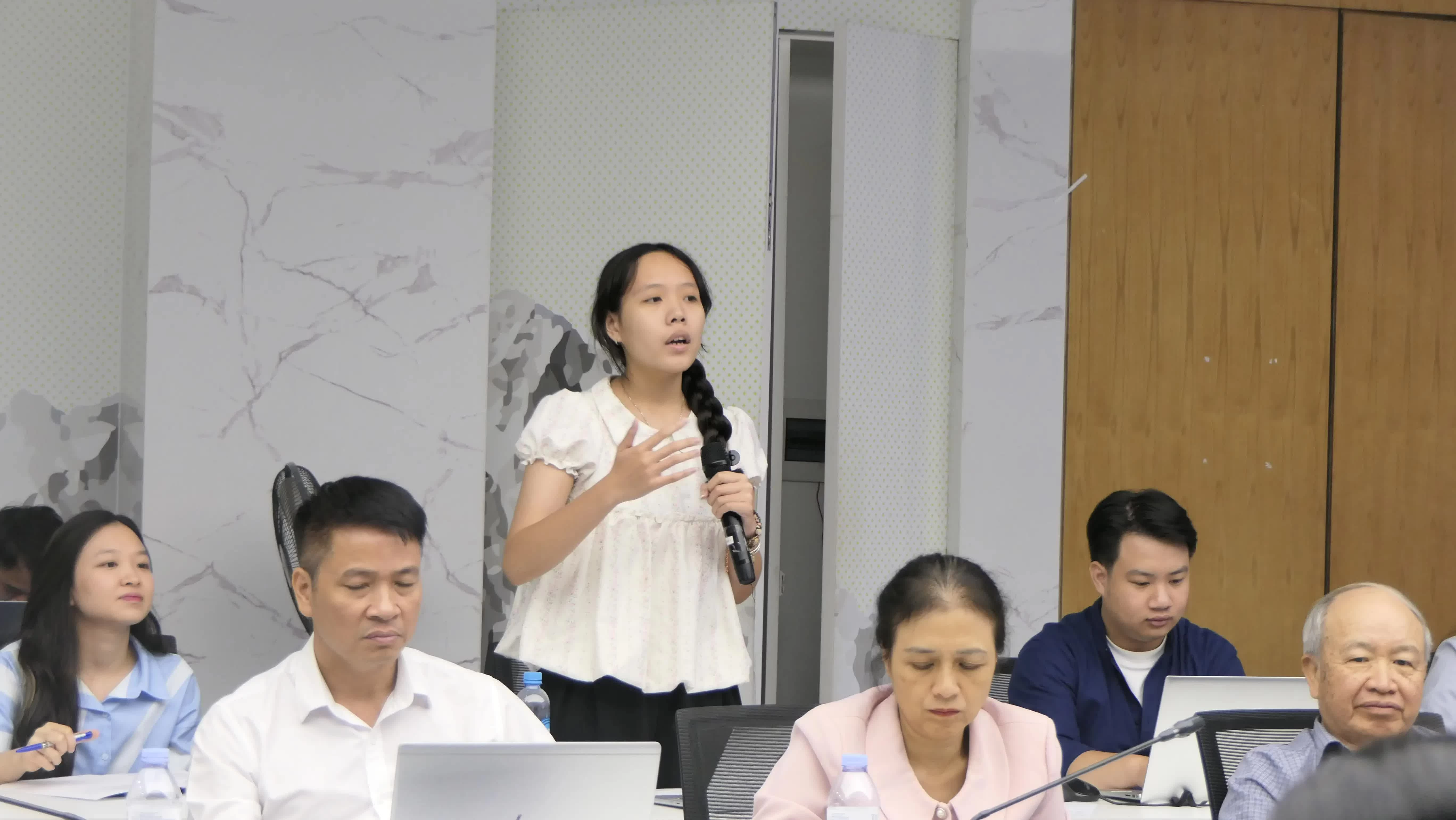 |
| Students from the Faculty of Communication and External Culture, Diplomatic Academy actively ask questions to the speakers, showing interest and critical thinking on current issues in the field. (Photo: Yen Vi) |


