




Teaching children to celebrate Lunar New Year Tet, preserving family traditions from small things
WVR - Lunar New Year Tet in Vietnam is not only a time of transition for the earth but also an occasion for families to reconnect through greetings, wishes, and warm handshakes.
Latest
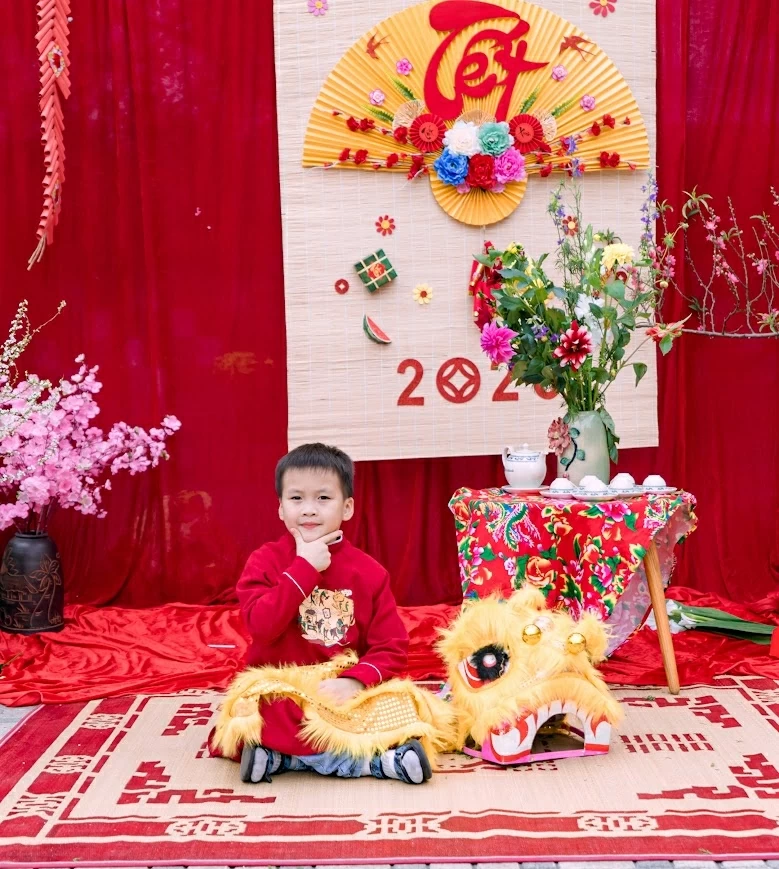 |
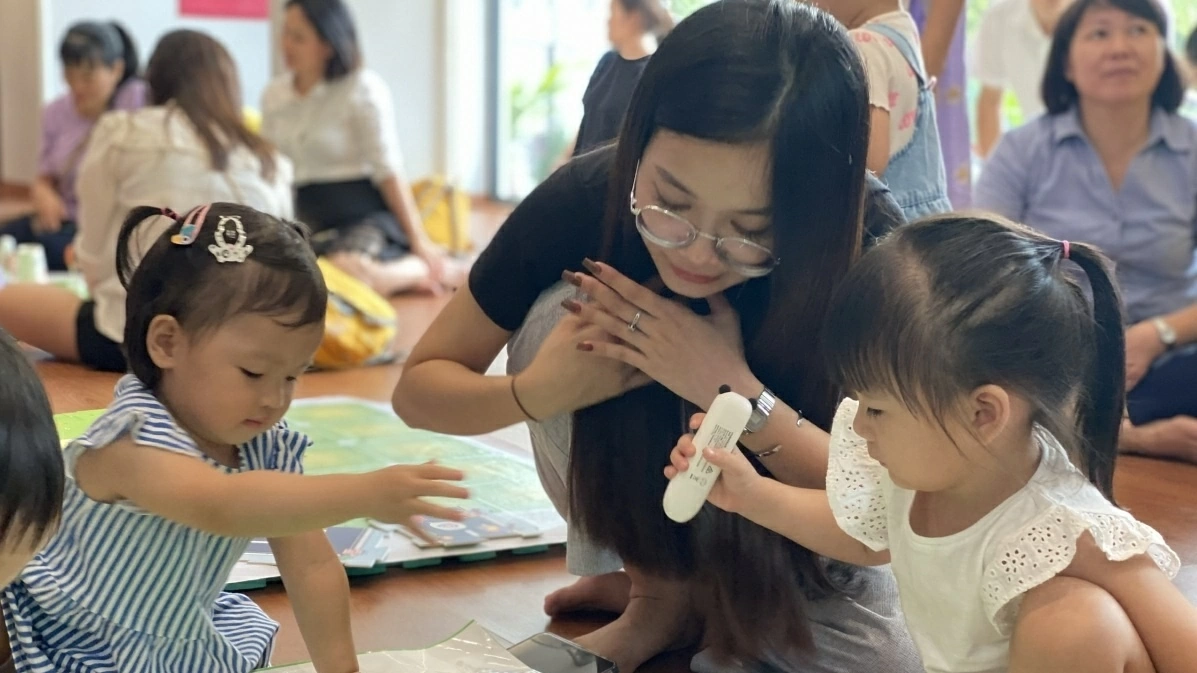
| Lunar New Year Tet is an opportunity to educate children about etiquette and behavior. (Photo: Phuong Quyen) |
Teaching children from the first greetings of the Lunar New Year
In modern life, where many traditional values risk fading, teaching children Lunar New Year Tet rituals—from greetings, New Year wishes, receiving lucky money, to participating in household chores—is a steadfast way to nurture a generation that values family, homeland, and origins.
In the Vietnamese consciousness, Tet is a time for family reunions, when people return home on bustling journeys, and when grandchildren gather around grandparents and parents to welcome the new year with joy and hope.
Yet, Tet is also a special classroom where lessons on etiquette and community behavior are naturally and profoundly imparted. When guided correctly, children will perceive Tet not just through new clothes or red envelopes but through the warmth of cultural values conveyed in every small action.
A proper greeting or a sincere New Year wish to grandparents and parents is a reflection of family tradition. During Tet, children have the chance to interact with multiple generations—from elderly grandparents, distant relatives to neighbors. Therefore, teaching children how to greet, stand, bow, and offer appropriate wishes to each person is crucial.
For the elderly, children should be taught to fold their hands, wish clearly and respectfully: “I wish you good health and longevity”; “I wish you a prosperous new year”… For siblings, aunts, and uncles, the wishes can be more cheerful and familiar. This distinction is not to create distance but to help children understand family hierarchy and the long-standing tradition of “respecting the elders” in Vietnamese culture.
Many parents today share that before Tet, they often “practice” New Year greetings with their children at home. These rehearsals are not rigid but filled with laughter. Children are encouraged to think of their own wishes and are explained why it’s important to say thank you when receiving lucky money. This preparation helps children feel more confident during New Year gatherings.
Receiving lucky money is also a lesson. Children should be taught to receive it with both hands, express gratitude, not open the envelope in front of the giver, and avoid comparing amounts. These seemingly small actions are measures of subtlety and gratitude. When parents explain that lucky money is a wish for good fortune, not just money, children will understand the value behind the red envelope.
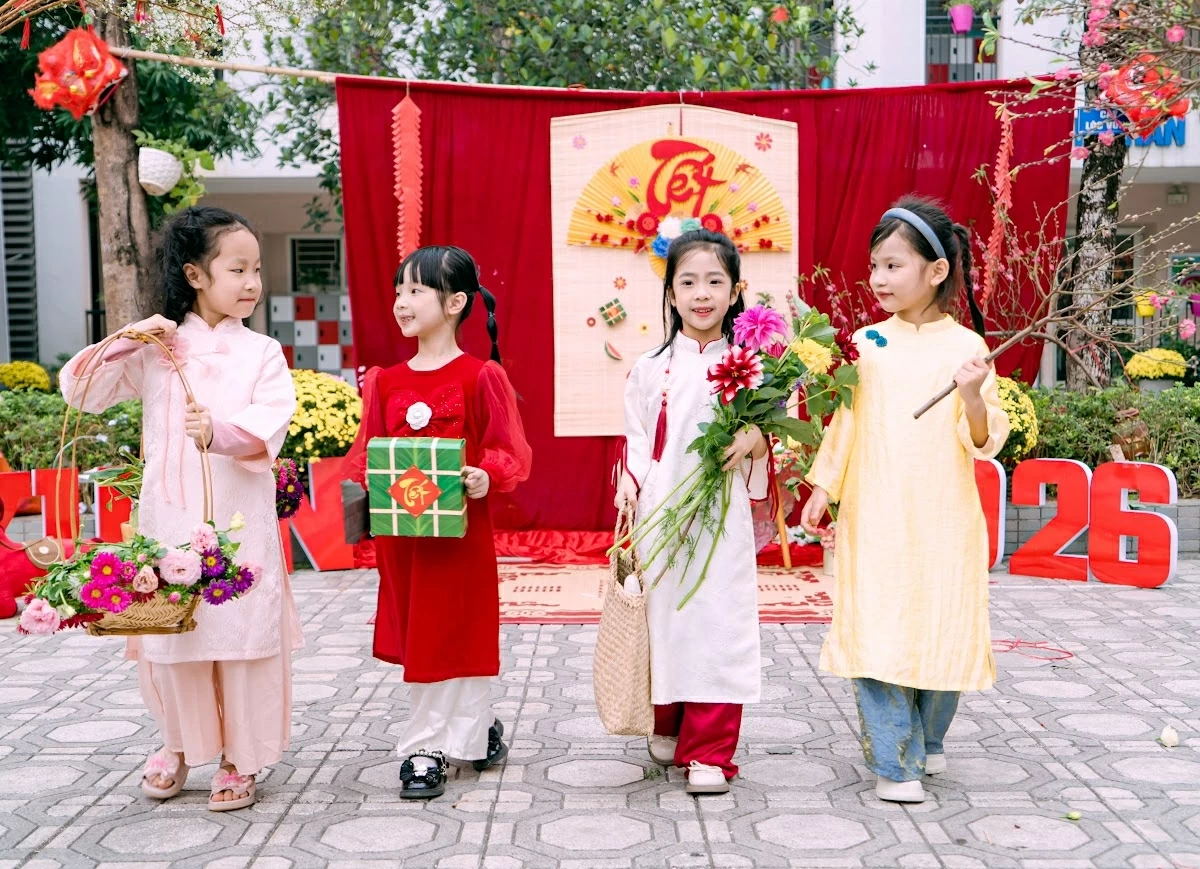 |
| The adorable moments of children when Tet arrives. (Photo: Phuong Quyen) |
Family – The first "school" for children
Traditional rituals during Tet are not overly complex. They include respectfully cleaning the altar, arranging the feast neatly and solemnly, and lighting incense together to remember ancestors. It can also be a story about origins during the year-end meal.
Every Vietnamese, whether living in urban or rural areas, needs to be taught these rituals from a young age. The family space is where children practice these traditions annually in a warm and sacred atmosphere.
Depending on their age, parents can assign suitable tasks to their children. For young children, they can help clean the house, organize items, draw Tet decorations, paint peach blossoms, or pick vegetables. These tasks foster independence and help children feel part of the collective preparation.
For older children, they can be entrusted with more meticulous and responsible tasks like arranging the feast attractively, decorating the living room under adult guidance, or organizing family spaces for Tet. When trusted with responsibilities, children learn organization, teamwork, and responsibility towards the family.
The important thing is for parents not to do everything for them or be overly strict. Be a guide, inspire, and accompany them. The children’s efforts may not be perfect, but they are the result of hard work and will become cherished memories for years to come.
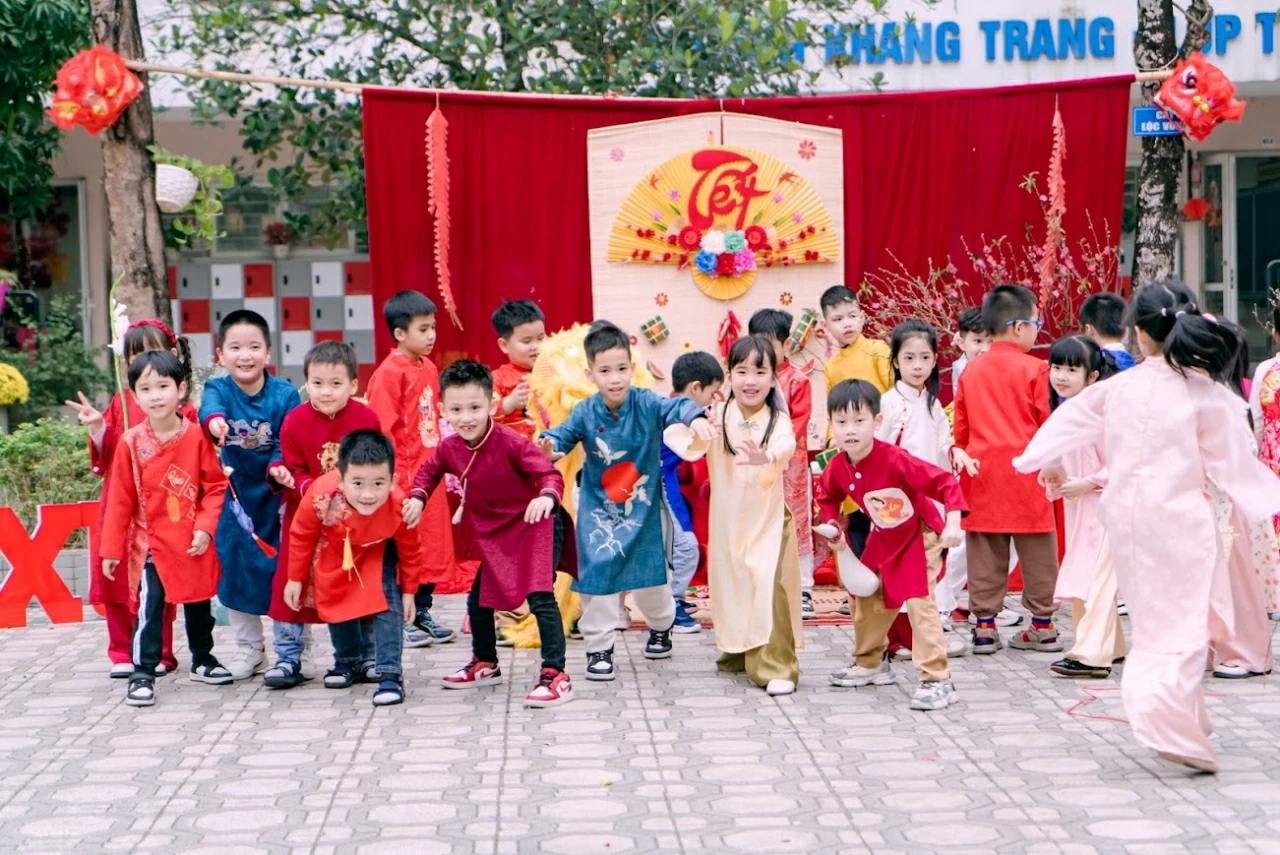 |
| A child who respects elders, cares for siblings, and prepares for Tet on their own will grow up cherishing their roots. (Photo: Phuong Quyen) |
Tet as an opportunity to cultivate life skills
In modern life, many families are busy year-round. Tet thus becomes a precious time for parents to bond with their children. Instead of letting children immerse in electronic devices or short trips, many families choose to turn Tet into an occasion to teach practical life skills.
Communication skills are honed through each greeting and friendly inquiry. Organizational skills are developed when children and parents make to-do lists, assign tasks, and complete them on time. Household skills are nurtured through cooking, cleaning, and decorating.
Parents can share family Tet stories, like how grandpa used to wrap banh chung, the family gathering around the fire, or the bustling Tet markets. Through these stories, children not only learn about the past but also feel the continuity between generations.
Many educational experts emphasize that we can teach children household chores and traditions through engaging family Tet stories. Indeed, lessons about homeland and family love are not found in abstract concepts but in specific, relatable experiences.
Each passing Tet leaves behind more than just a sumptuous feast or new clothes; it leaves memories of togetherness. When children are taught to greet politely, express gratitude, and share household chores with parents, they gradually develop the character to become “good stewards” of the Vietnamese family in the future.
A child who respects elders, cares for siblings, and prepares for Tet on their own will grow up cherishing their roots. From family love, the love for the homeland will be nurtured from simple things.
In the context of continuous integration and change, preserving Tet rituals does not mean closing off to new things. On the contrary, it is a way for each family to have a cultural “anchor”, so that children, no matter how far they go, will remember home, the New Year wishes, and the warmth of preparing for Spring together as a family.
Tet will pass with the cycle of time. But if each family knows how to use the early days of the year to teach children about etiquette, life skills, and love, the value of Tet will remain long in each person’s behavior and mindset.
Perhaps, in the moment when a child folds their hands to wish grandparents with a clear voice, or carefully places the lucky money envelope after saying thank you, we understand: Cultural seeds are being sown. So that in the future, when they grow up, Vietnamese Tet will still be a season of reunion, love, and timeless values.