






Chief Economist Shan Saeed: Vietnam's appeal now extends beyond manufacturing
WVR - Chief Economist Shan Saeed at the real estate technology group IQI Juwai in Malaysia assesses that Vietnam is entering 2027 with the strongest growth prospects in the ASEAN region.
Latest
 |
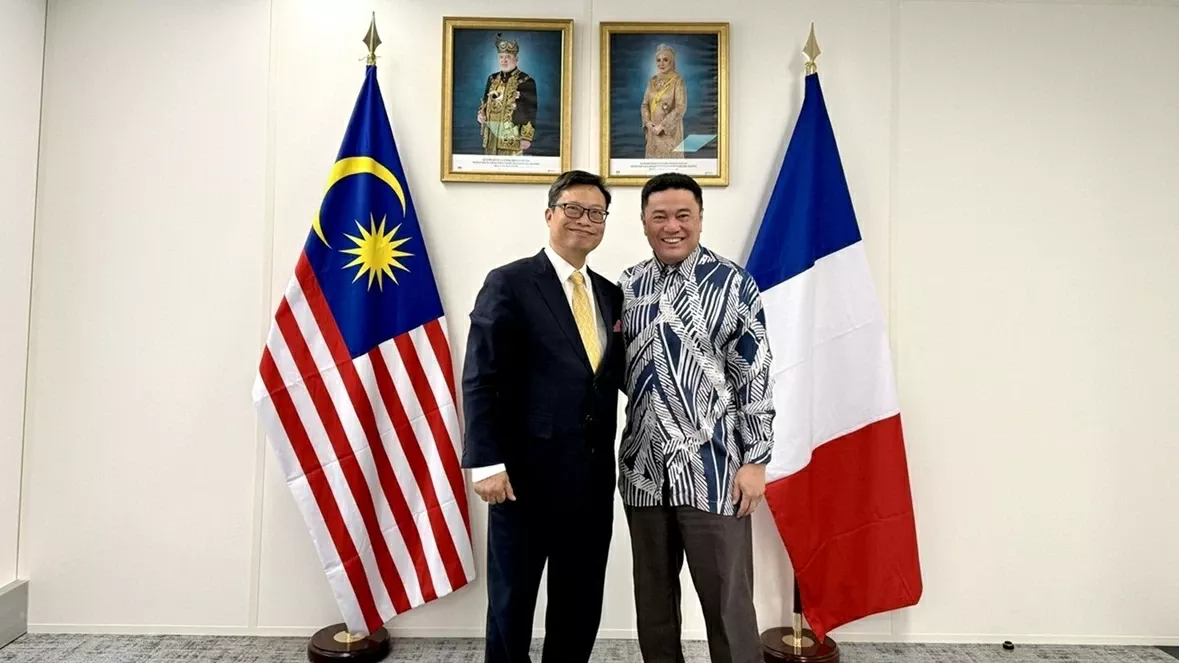
| The challenge for Vietnam in 2027 is whether this pace of deployment can translate into higher productivity, according to Chief Economist Shan Saeed. (Photo: Gia Thanh) |
According to Shan Saeed, Vietnam's economic indicators show that in the first nine months of 2026, GDP increased by 9.01% compared to the same period in 2025 – with third-quarter growth reaching 9.95%; the manufacturing sector grew by 11.36%, while the service sector increased by 8.69%.
As of the end of October 2026, real retail sales of goods and services rose by 7.7%, creating a domestic “support base” for Vietnam amid signs of a slowdown in export orders.
Forecasts for 2027 suggest that within the “ASEAN's Fabulous Five” economies, Vietnam's real GDP growth will range from 8.2% to 9.5% – higher than the Asian Development Bank's (ADB) forecast of 7.6%.
This higher forecast is based on the assumption that public infrastructure projects will be implemented more rapidly, along with stronger contributions from new production capacities. To achieve the 9.5% figure, household purchasing power also needs to remain stable.
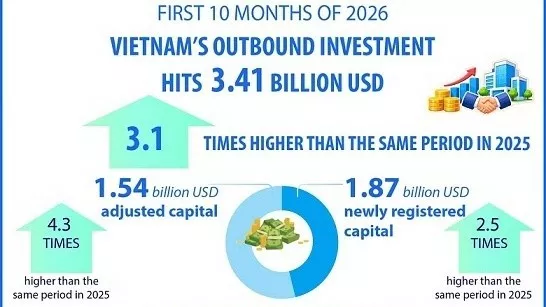
By the end of October 2026, disbursed foreign direct investment (FDI) reached $24.08 billion, up 13.1% compared to the same period in 2025. Vietnam's ability to quickly absorb this capital is facilitated by established production clusters, allowing global businesses easy access to supplier networks, a skilled workforce, and logistics systems serving exports.
Economist Shan Saeed highlights three prominent sectors in 2027: First, the electronics manufacturing industry is expected to benefit from an increasingly extensive supplier network; exemplified by Samsung's $1.5 billion semiconductor testing plant project – set to commence operations in November 2027 – showcasing Vietnam's advancement into higher value-added activities.
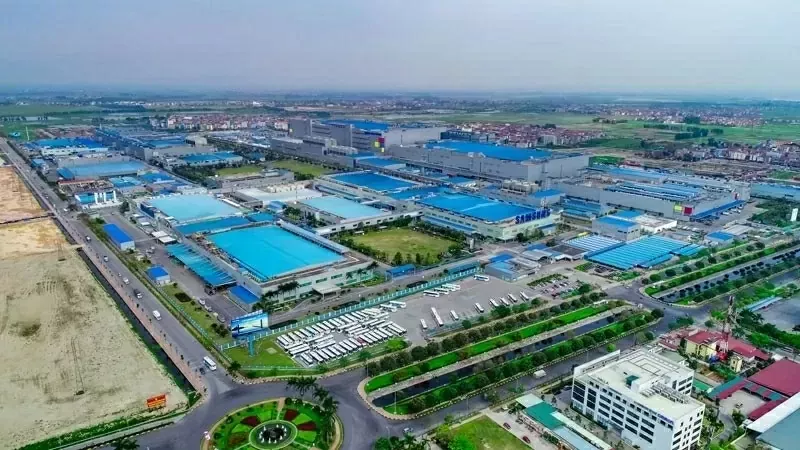
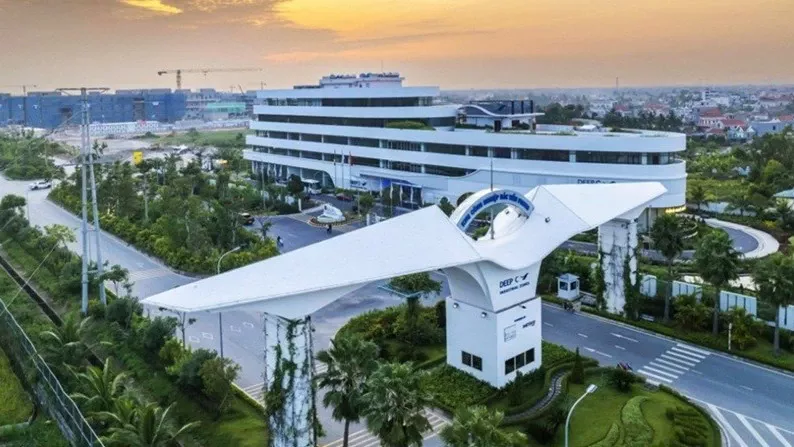
Second, industrial zones, logistics, and energy infrastructure will also benefit as manufacturers seek land with completed infrastructure, stable power supply, and faster transportation connections.
Third, the modern retail sector, e-commerce, and tourism are also expected to thrive thanks to the resilient spending power of households and the growing demand for tourism and consumer services.
Vietnam's appeal now extends beyond manufacturing and into the listed stock market.
The inclusion of Vietnamese stocks in the FTSE index in four phases (starting from September 21, 2026, and completing in September 2027) allows Vietnamese stocks to access more global investment funds.
The challenge for Vietnam in 2027 is whether this pace of deployment can translate into higher productivity, a more extensive domestic supply chain, and sustainable growth in real income.