




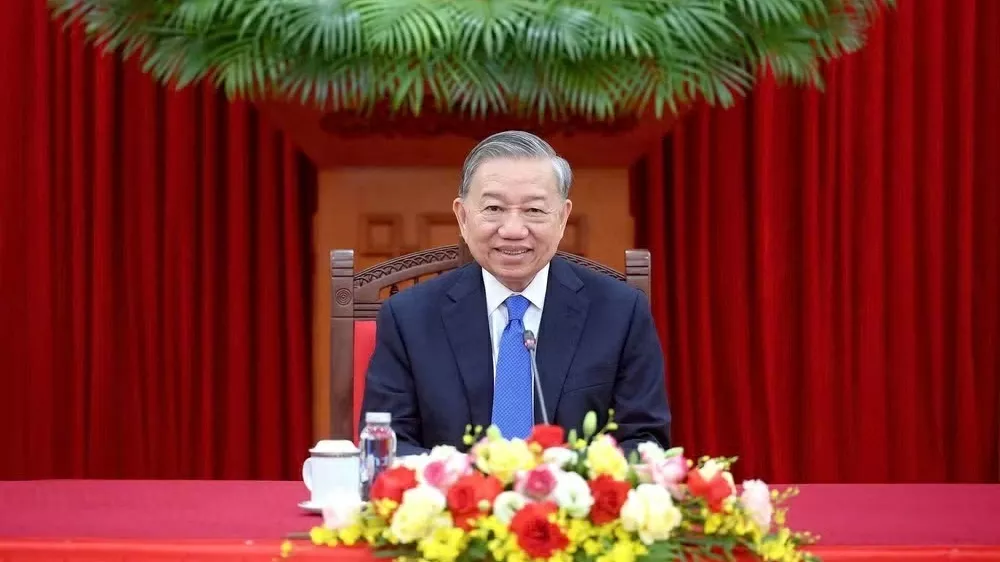
Viet Nam’s growing imprint on regional economic cooperation
Over nearly 30 years of engagement with APEC, Viet Nam has increasingly demonstrated its role as an active and proactive member, contributing to the promotion of peace, stability, cooperation and economic integration across the Asia-Pacific region.
Latest
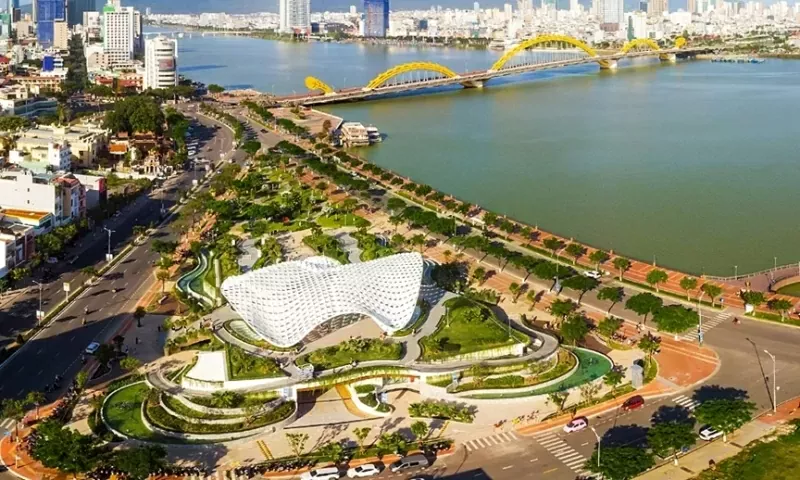 |
| Viet Nam has successfully hosted APEC twice, in 2006 and 2017. A view of APEC Park in Da Nang. (Source: VNE) |
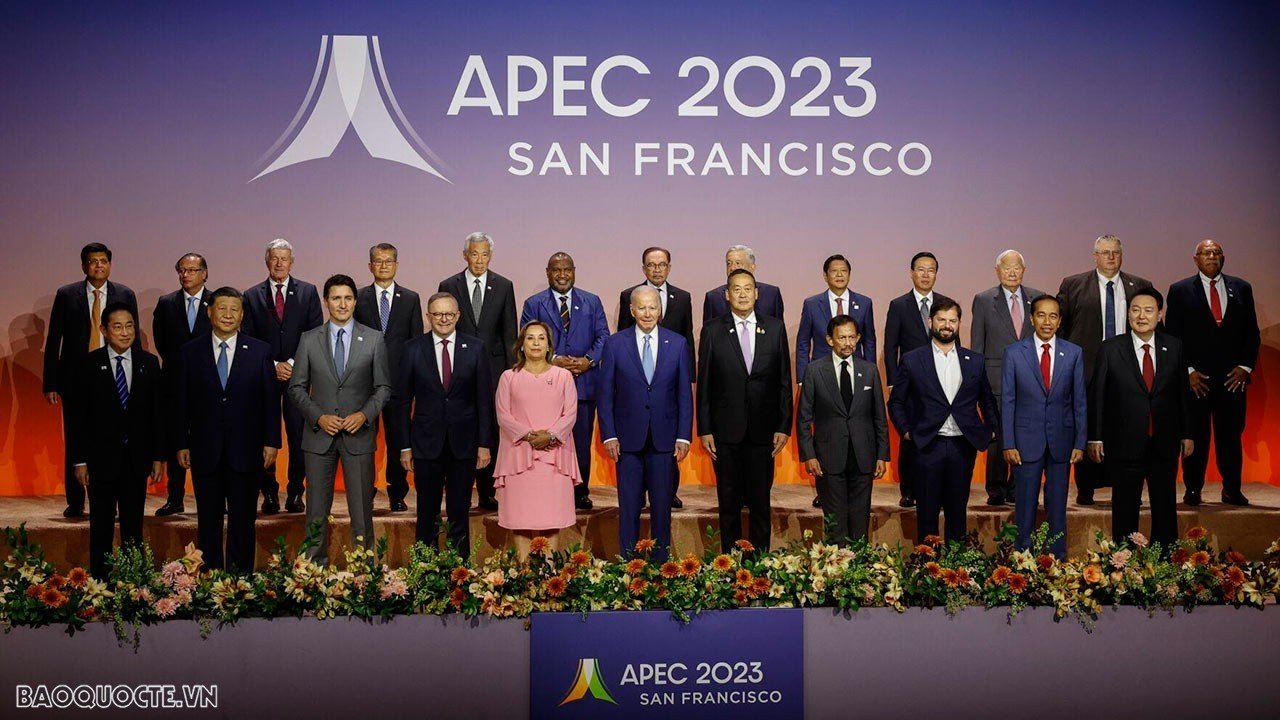
At the opening session of the 10th APEC Ministerial Meeting in Kuala Lumpur, Malaysia, on November 14, 1998, Viet Nam, Russia and Peru were admitted to the Asia-Pacific Economic Cooperation (APEC), bringing the forum’s total member to 21 economies.
Proactive participation and leadership
Viet Nam has successfully hosted APEC twice, in 2006 and 2017. As host of APEC 2006, Viet Nam was the first to identify the potential of establishing a Free Trade Area of the Asia-Pacific (FTAAP), which was regarded as a landmark policy decision that laid the foundation for a strategic vision of region-wide economic integration. Viet Nam also put forward a roadmap for implementing the Bogor Goals on trade and investment liberalization, contributed to the successful organization of the first dialogue between APEC leaders and ASEAN, and made positive contributions to advancing the formation of the Comprehensive and Progressive Agreement for Trans-Pacific Partnership (CPTPP).
Viet Nam has also made significant contributions to the management and operation of APEC by assuming several key positions, including Executive Director of the APEC Secretariat (2005-2006); Chair and Vice-Chair of numerous committees and key working groups, such as the Committee on Trade and Investment, the Budget and Management Committee, and working groups on small and medium-sized enterprises, health and emergency preparedness; as well as Chair or Vice-Chair of 18 APEC committees and working groups and the APEC Business Advisory Council (ABAC) during the 2016-2018 period.
As Vice-Chair of the APEC Vision Group tasked with developing a vision for APEC through 2040, Viet Nam played an active role in leading and coordinating the drafting of the Group’s recommendations report, entitled “People and Prosperity: An APEC Vision to 2040”. These contributions helped reaffirm APEC’s distinctive position as the region’s leading economic cooperation forum and an “incubator” for new and effective ideas.
APEC members have highly valued Viet Nam’s proactive efforts in hosting numerous APEC working group meetings, including the Sixth APEC Human Resources Development Ministerial Meeting and the third meeting of the APEC Business Advisory Council (ABAC III). They have also recognized Viet Nam’s initiative and active engagement in proposing orientations, initiatives and long-term cooperation projects, as well as shaping multilateral cooperation mechanisms in areas of shared interest within APEC.
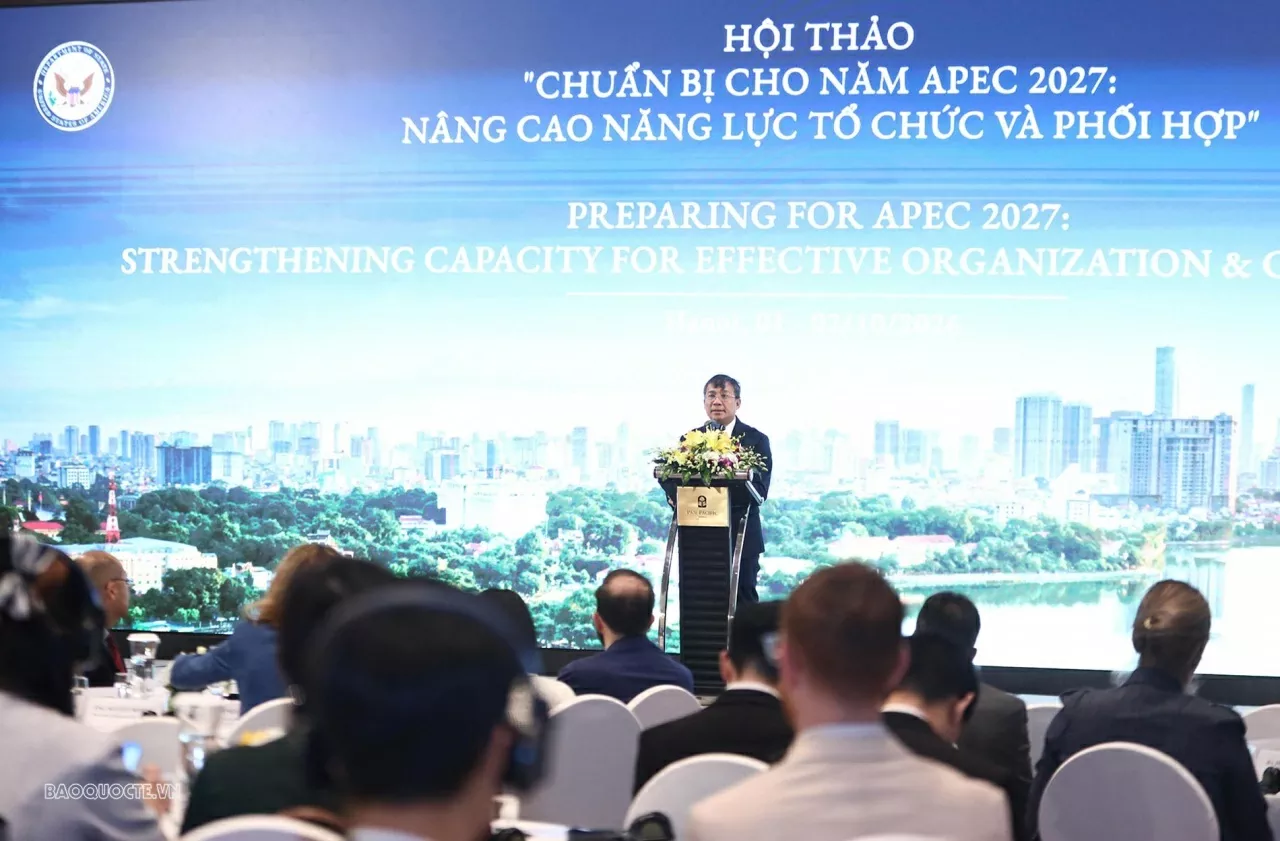 |
| Member of the Party Central Committee and Permanent Deputy Minister of Foreign Affairs Nguyen Minh Vu speaks at the workshop “Preparing for APEC Year 2027: Enhancing Organizational and Coordination Capacity,” held on October 1–2, 2026. (Photo: Thanh Long) |
As of 2023, Viet Nam had contributed more than 100 initiatives and project proposals in various areas of economic cooperation, trade, digitalization and sustainable development. Many initiatives proposed by Viet Nam have been recognized as practical and responsive to shared interests, and have been incorporated into the hundreds of projects currently being implemented within APEC. These initiatives cover such areas as sustainable and inclusive development; human resource development in the digital era; promotion of the digital economy, narrowing the digital divide and facilitating cross-border e-commerce; green, sustainable and innovative micro, small and medium-sized enterprises (MSMEs); food security; climate change response; marine plastic waste management; women's economic empowerment; and rural and urban development.
Viet Nam was among the leading economies calling for equitable access to vaccines. It proactively proposed various solutions to prevent supply chain disruptions and maintain the continuity of import and export activities across regional economies. Viet Nam also promoted the sharing of experience and policy coordination in implementing economic and financial measures to overcome the crisis caused by the COVID-19 pandemic, while strengthening support measures to help businesses and people navigate the difficult period and enhance their capacity to adapt to the new circumstances.
The country has made strong commitments and taken concrete action in APEC cooperation on climate change response. It has also delivered clear messages to the global business community regarding its open trade and investment policies, helping to strengthen cooperation between Vietnamese businesses and their APEC counterparts, build greater trust and encourage APEC business communities to conduct business and invest in Viet Nam.
These contributions have provided a basis for APEC members to hold Viet Nam in high regard and place their trust in the country. They have also helped Viet Nam advance its open foreign policy of multilateralization, diversification and international economic integration, while creating further opportunities to strengthen political, economic and social ties, expand markets, and promote cooperation in trade, investment, tourism, science and technology. In addition, they have helped strengthen friendship and bilateral cooperation with other APEC member economies, particularly major economies such as the United States, China, Russia and Japan.
Through these efforts, Viet Nam has directly and indirectly helped mobilize domestic resources, generate momentum for its reform and integration processes, and enhance its position on the international stage. At the same time, these contributions have helped strengthen APEC’s role and standing within the global economic governance architecture.
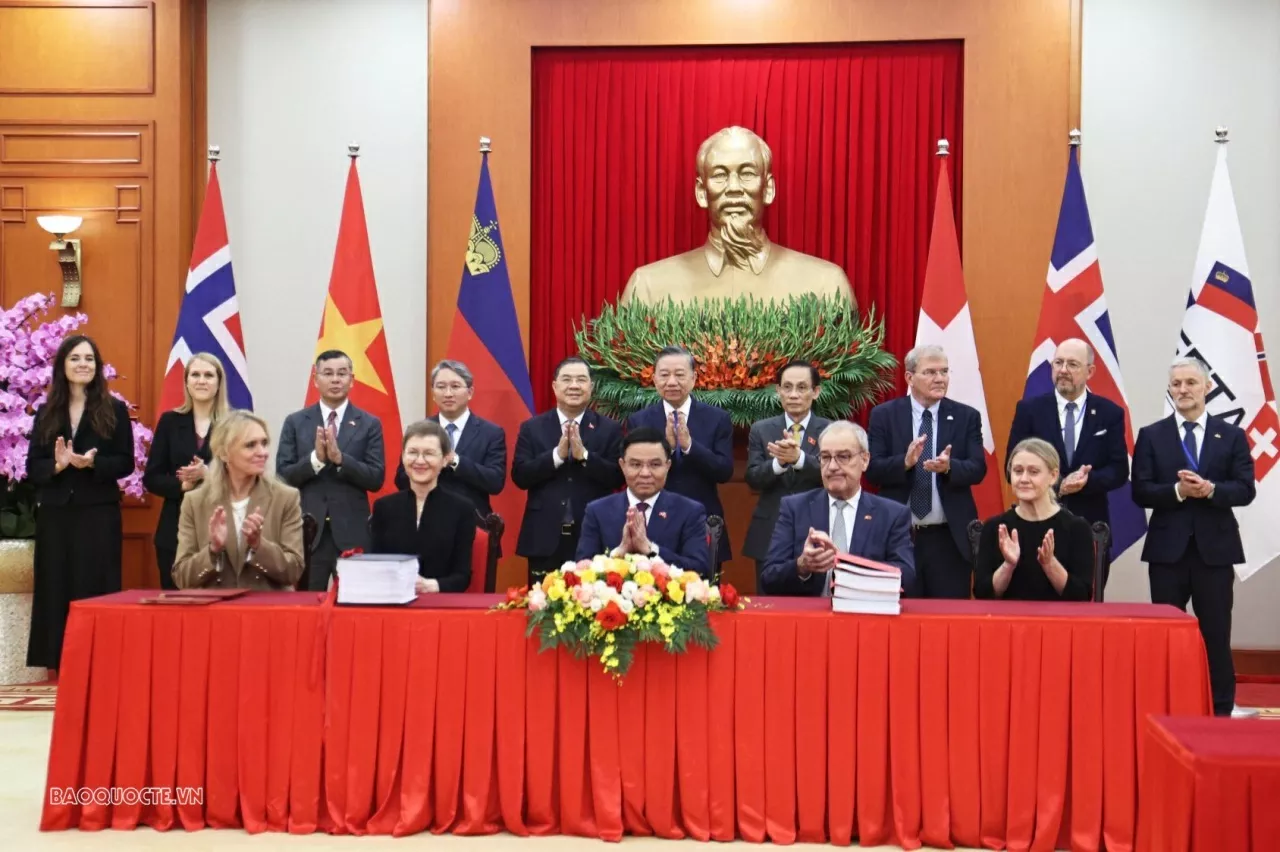 |
| Viet Nam currently has 43 partnerships at the strategic, comprehensive and comprehensive strategic levels, and has signed 18 free trade agreements (FTAs). Picture: The signing ceremony of the Viet Nam-EFTA Free Trade Agreement takes place in Hanoi on October 18, 2026. (Photo: Thanh Long) |
Greater scope and opportunities for demonstrating capabilities
Viet Nam is currently making every effort to prepare for its role as host of APEC 2027. Compared with the two previous occasions when it hosted the forum in 2006 and 2017, Viet Nam is entering APEC Year 2027 with a significantly stronger economic position and an enhanced international role.
The country has transformed from a low-income developing economy into an upper-middle-income economy and one of the region’s most dynamic manufacturing and trading hubs. Viet Nam ranks among the world’s 20 largest exporters of goods and services and the world’s 15 leading destinations for foreign direct investment (FDI). Its gross domestic product (GDP) has grown from approximately US$66 billion in 2006 to more than US$500 billion today.
Notably, Viet Nam has achieved new milestones in international rankings, enabling the country to move up the global value chain, attract higher-quality investment capital and deepen its international integration.
Viet Nam currently has 43 partnerships at the strategic, comprehensive and comprehensive strategic levels, and has signed 18 free trade agreements (FTAs), including a newly signed FTA with the European Free Trade Association (EFTA). Its FTA network now covers 18 of APEC’s 21 member economies, providing a solid foundation for Viet Nam to pursue deeper and broader integration.
Under the theme “Connecting: Building Inclusive and Resilient Economies”, Viet Nam plans to shape the APEC 2027 agenda focusing on a range of key areas, including science, technology and innovation; digital transformation; economic and trade connectivity, including supply chain resilience; human resource development and the role of artificial intelligence (AI); food security; the digital economy; and the silver economy. The agenda will also promote national and regional initiatives focusing on economic resilience, productivity-driven growth and trade dynamism, while providing opportunities for dialogues between leaders of member economies and global business leaders.
This will provide Viet Nam with greater scope and more opportunities to demonstrate its capabilities, role, responsibilities and distinctive contributions to APEC activities; reinforce its image as a reliable trade partner; and promote greater alignment between digital governance initiatives in the Asia-Pacific and regional efforts such as the ASEAN Digital Economy Framework Agreement. It will also help consolidate Viet Nam’s role as a bridge between ASEAN and the broader Asia-Pacific region.
 |
| An artist’s impression of the APEC 2027 Convention Center in Phu Quoc. (Source: Sun Group) |
In addition, APEC 2027 will provide an important opportunity for Viet Nam to demonstrate its ability to implement ambitious reform plans and build international support for its long-term development vision. It will also help the country attract more international capital to support its green transition, promote economic growth and energy security, develop sustainable infrastructure, and strengthen resilience to climate change.
Against the backdrop of rapidly evolving regional economic and geopolitical dynamics, APEC 2027 will offer Viet Nam an opportunity both to contribute to addressing shared regional challenges and to advance APEC’s core agenda of facilitating trade and investment, promoting sustainable growth and enhancing productivity to create new opportunities. At the same time, the event will enable Viet Nam to promote its image, showcase its people and culture, while advancing domestic development priorities and creating breakthroughs in transport infrastructure and MICE tourism (meetings, incentives, conferences and exhibitions). These efforts will contribute to sustaining Viet Nam’s impressive development performance over the long term.
| Commenting on Viet Nam’s role and participation in APEC, economic expert Gregory Earl of the Lowy Institute (Australia) noted that Viet Nam has consistently been regarded as a model emerging economy that is always ready to engage in promoting free trade. Meanwhile, Professor Park Tae-kyun of the Graduate School of International Studies at Seoul National University (South Korea) observed that Viet Nam is an active economy with numerous initiatives and contributions to various international and regional cooperation mechanisms, including APEC and ASEAN. |