






Exploring the Appeal of China’s Library System
From the long queues outside the National Library of China to the network of reading rooms tucked into Hangzhou’s neighborhood streets, a story of reading culture is taking shape through tangible measures: welcoming spaces, responsive services and equal access to knowledge for everyone.
Latest
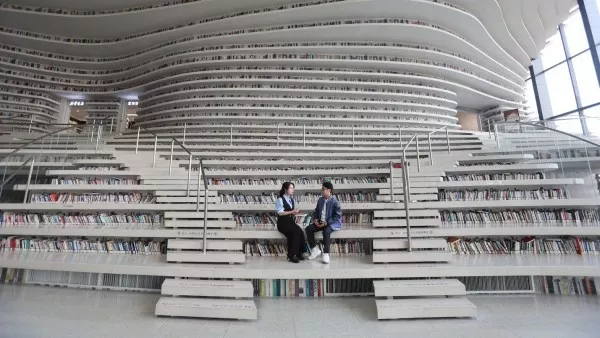
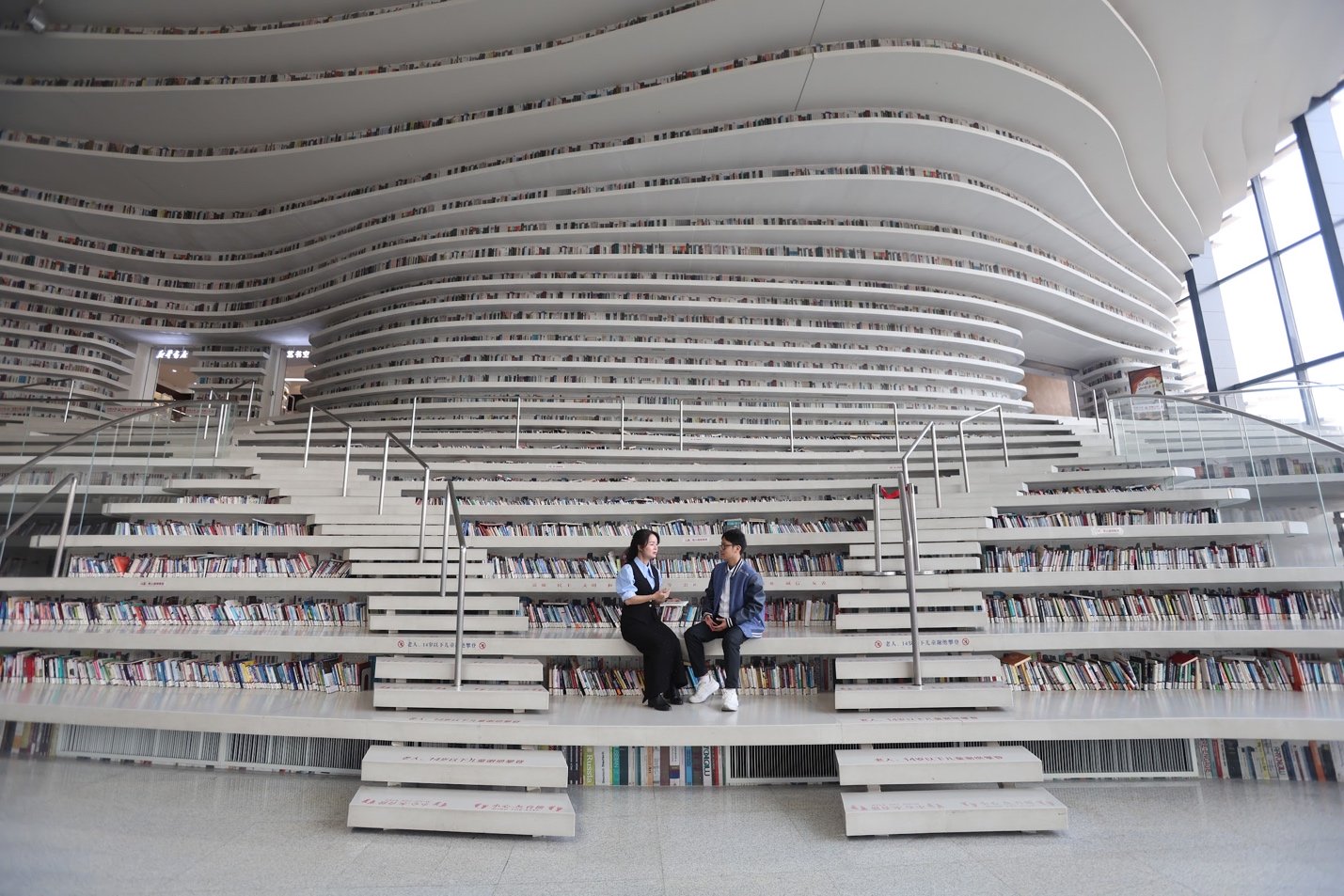 Binhai Library covers nearly 34,000 square meters and has a capacity of 1.2 million books.
An open library is defined by more than the doors that welcome readers each day. What matters more is that everyone who enters feels they belong and can find a seat, a book and support suited to their needs.
For people with limited access to books, the distance to a library sometimes begins with hesitation at its entrance. A friendly environment, straightforward procedures and a respectful welcome can give them the confidence to become readers, marking a first step towards narrowing gaps in access to knowledge across society.
When Policy Guarantees Opportunities to Read
A reading culture is difficult to sustain through appeals alone. People need books, places to read and related services that continue long after campaigns have ended.
China’s Public Library Law, which took effect on 1 January 2018, laid the foundations for this approach. It requires governments at the county level and above to incorporate library development into their planning and allocate funding. It also provides for free basic services, including information searches, borrowing materials, using study rooms and participating in certain cultural and educational activities.
When funding and responsibilities are established, opportunities to read become less dependent on what individual families can afford. A child without a separate room to study in, a retired older person, a low-income worker or even someone experiencing homelessness can all draw on these shared resources.
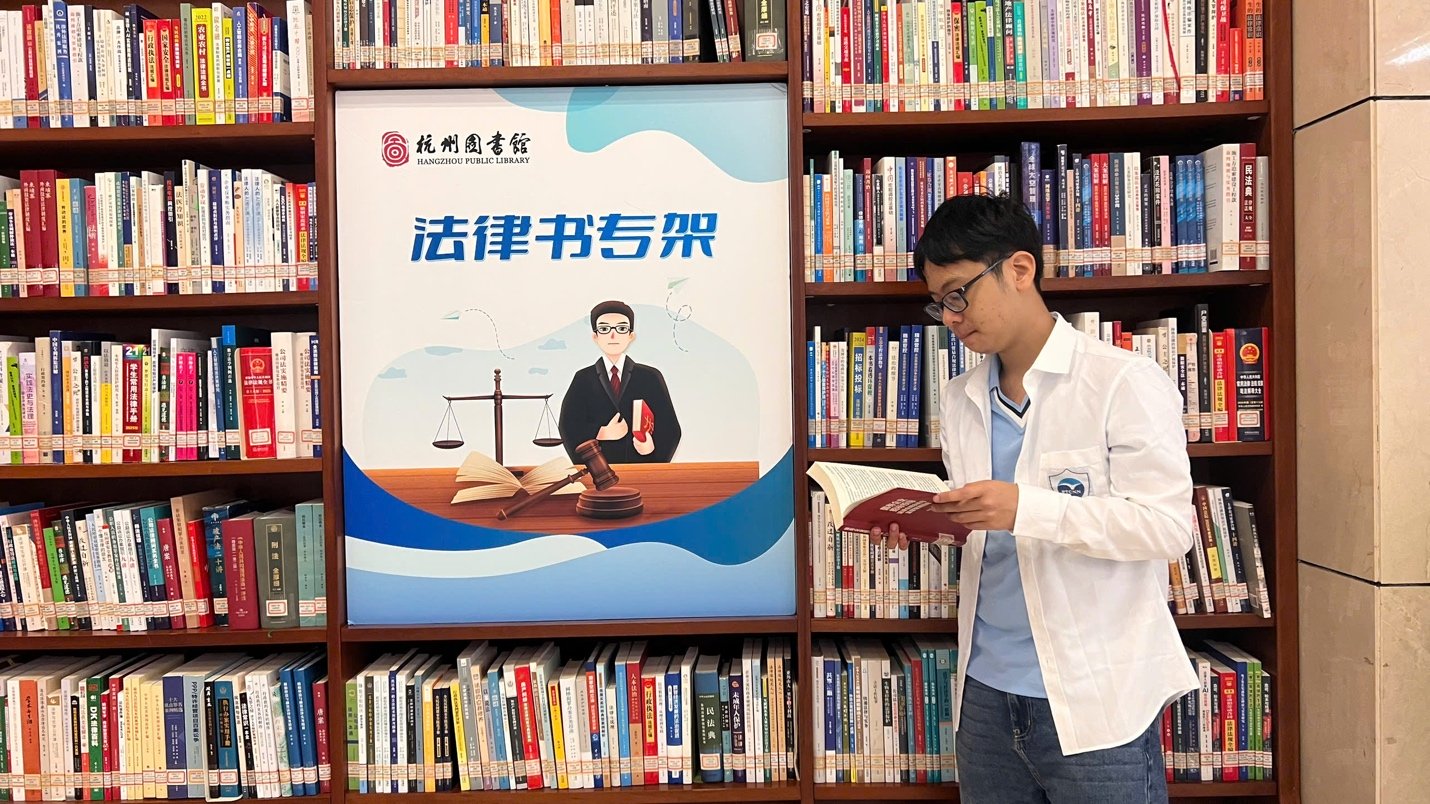 China’s Public Library Law requires governments at the county level and above to incorporate library development into their planning and allocate funding.
The Regulations on Promoting Reading for All, which took effect on 1 February 2026, further define these responsibilities. They require public cultural facilities developed as part of new residential areas, or areas undergoing renovation or expansion, to include reading facilities. Reading is thus woven into the fabric of residential life, with spaces and conditions that make it a regular activity.
Bringing Books Closer to Everyday Life
A large library has its own appeal, but people also need reading spaces close to home, convenient to reach and compatible with their daily schedules.
In Hangzhou, books find their way into daily life through neighborhood reading rooms, bookshops and community spaces. On South Fuxing Street, a once-disused warehouse has become the “Nanxing · Youyisi” reading room. Nestled beside two busy noodle shops, it brings reading closer to the neighborhood's familiar routines.
According to its founder, Wang Haiying, urban cultural spaces can take many forms, but they share one aim: to be close to people and strengthen the connection between people and places. Only then can the “last mile” of bringing reading culture to every corner of the city be completed.
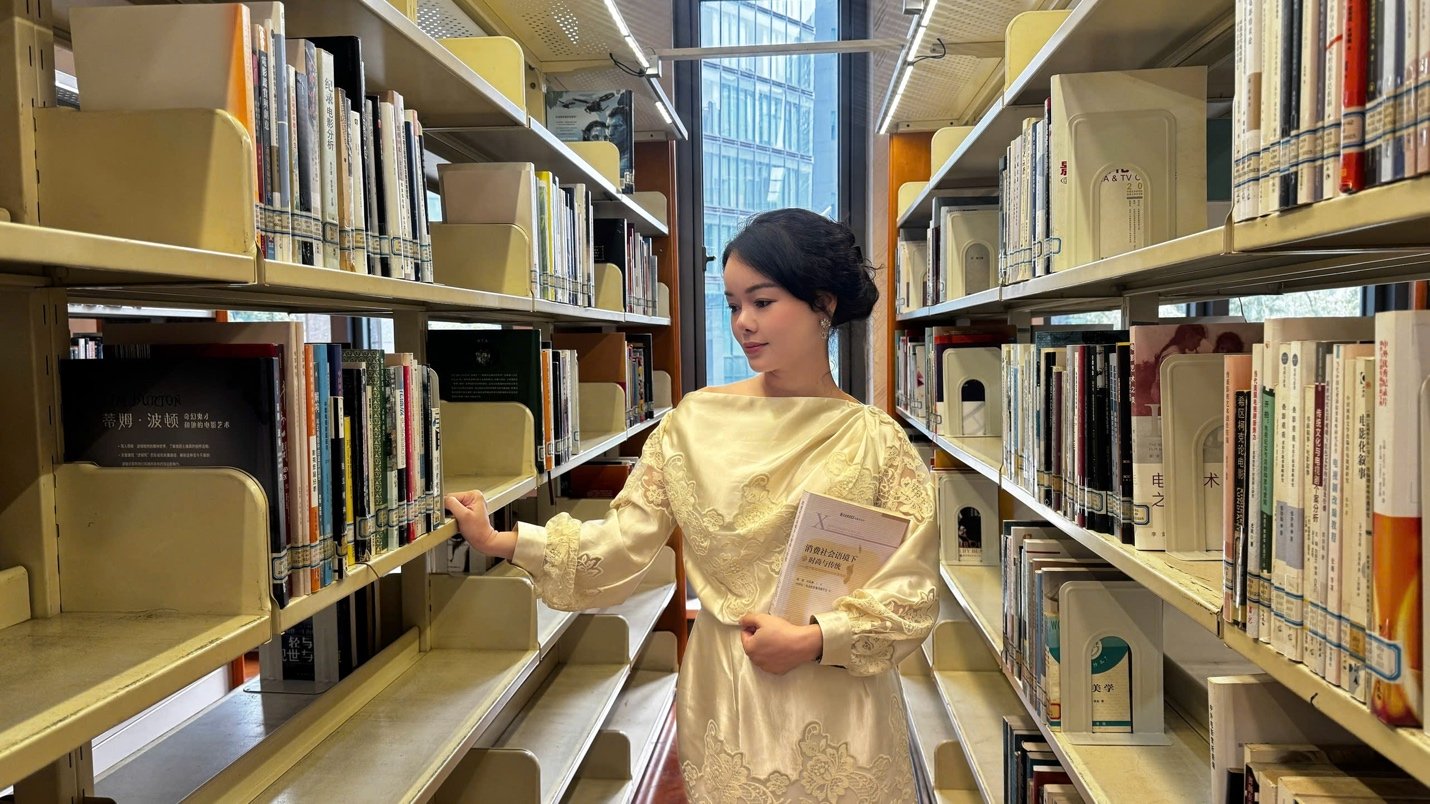 Library networks in Hangzhou share an integrated borrowing and returns service with Hangzhou Public Library.
The “Youyisi” reading-room network has locations including the Southern Song Deshou Palace Site Museum, Xinqiao Hotel, the “Te You Ai” happiness experience space, Wulinmen cruise terminal and Hanggang Park beside the Grand Canal. Each has its own character, but all share an integrated borrowing and returns service with Hangzhou Public Library, making reading part of everyday life, something people can encounter just around the corner.
Equality Through Different Needs
Free admission for everyone is important, but it is not enough. Conventional printed books may remain inaccessible to people with visual impairments, while services available only through smartphones can create difficulties for older people.
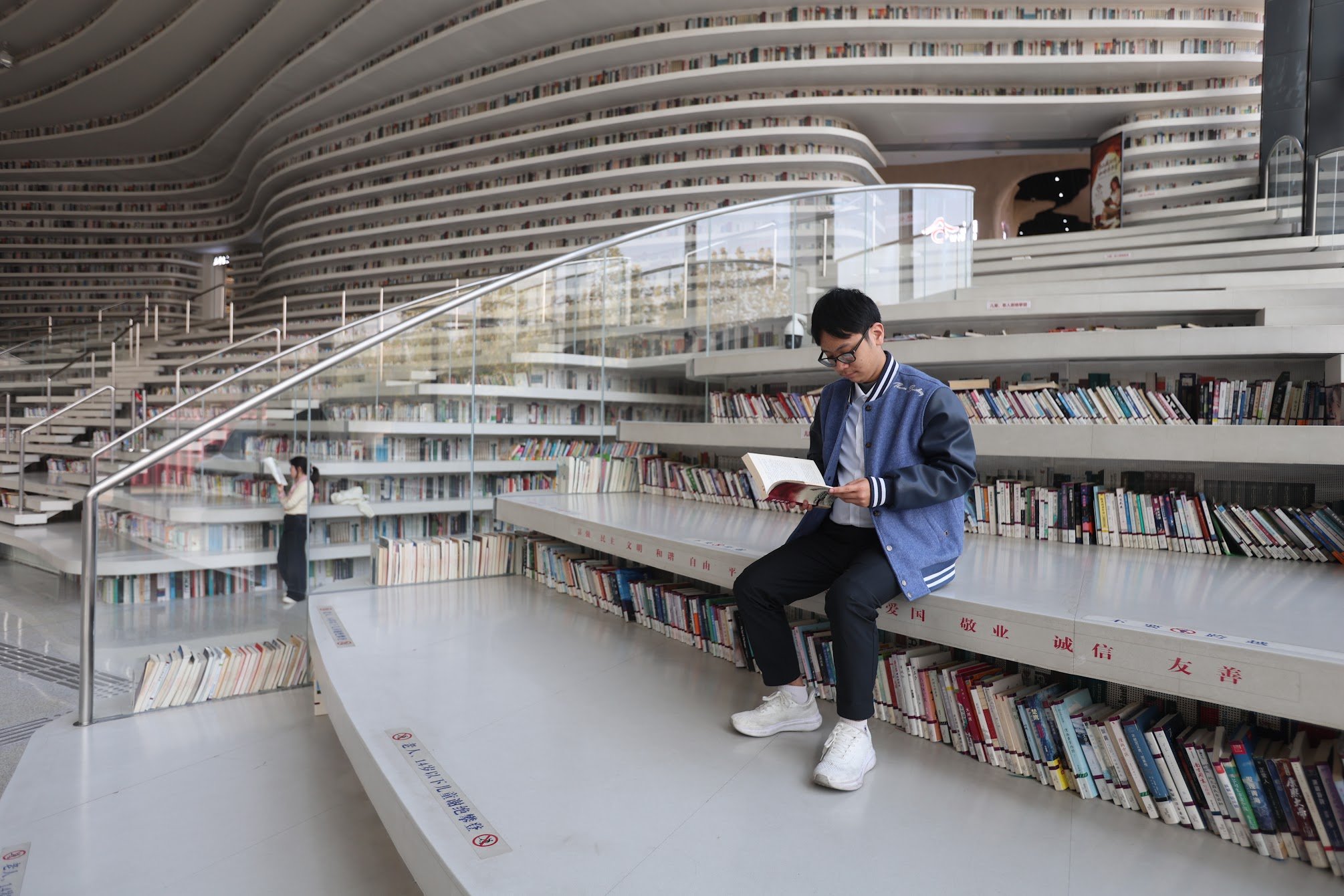
Photo 4: Alongside conventional books, the 2026 Regulations encourage the provision of audiobooks, large-print books, Braille books and e-books in accessible formats to serve a diverse readership.
The 2026 Regulations encourage the provision of audiobooks, large-print books, Braille books and e-books in accessible formats for people who face barriers to reading. They also require facilities serving people with disabilities to provide assistive equipment and necessary services, while those managing reading facilities must take older people’s needs into account.
At Binhai Library in Tianjin, the collection included 1,724 Braille books in its early years of operation, showing that, alongside its striking architecture, the library had dedicated resources to readers with specific needs.
At Hangzhou Library, signs reserving priority seating for older people appear in the newspaper and magazine reading area. This simple detail is a reminder that service quality also lies in seating arrangements, lighting, signage, and on-site assistance.
The opportunity to read truly reaches each person only when they can use services in ways that suit their own circumstances.
Queuing for a Seat and a Book
While Hangzhou prompts reflection on open doors, the National Library of China in Beijing demonstrates the appeal of a space devoted to knowledge for people from all walks of life.
During our visit to the library, we saw a queue of hundreds stretching from the steps down into the square, winding through several turns a full hour before opening. In interviews with school students, postgraduate researchers and other visitors, we learned that such scenes are common: even in the summer heat of 30–40°C or the bitter winter cold below freezing, some readers still arrive very early and wait patiently in line.
This appeal stems first and foremost from the depth of a vast repository of knowledge. According to China’s Ministry of Culture and Tourism, the library held more than 45.24 million items by the end of 2024. Its outstanding collections include the Dunhuang manuscripts, the Zhaocheng Jin Tripitaka, the Yongle Encyclopedia and the Wenjin Pavilion copy of the Complete Library of the Four Treasuries. Its oldest materials are oracle bone fragments from Yinxu dating back more than 3,000 years.
These treasures are connected with the public in many ways. The National Museum of Classic Books, located in the library’s southern section and opened in 2014, brings documentary heritage closer to visitors through exhibitions and educational activities. The pages of ancient books become a starting point for curiosity about history, writing and the transmission of knowledge.
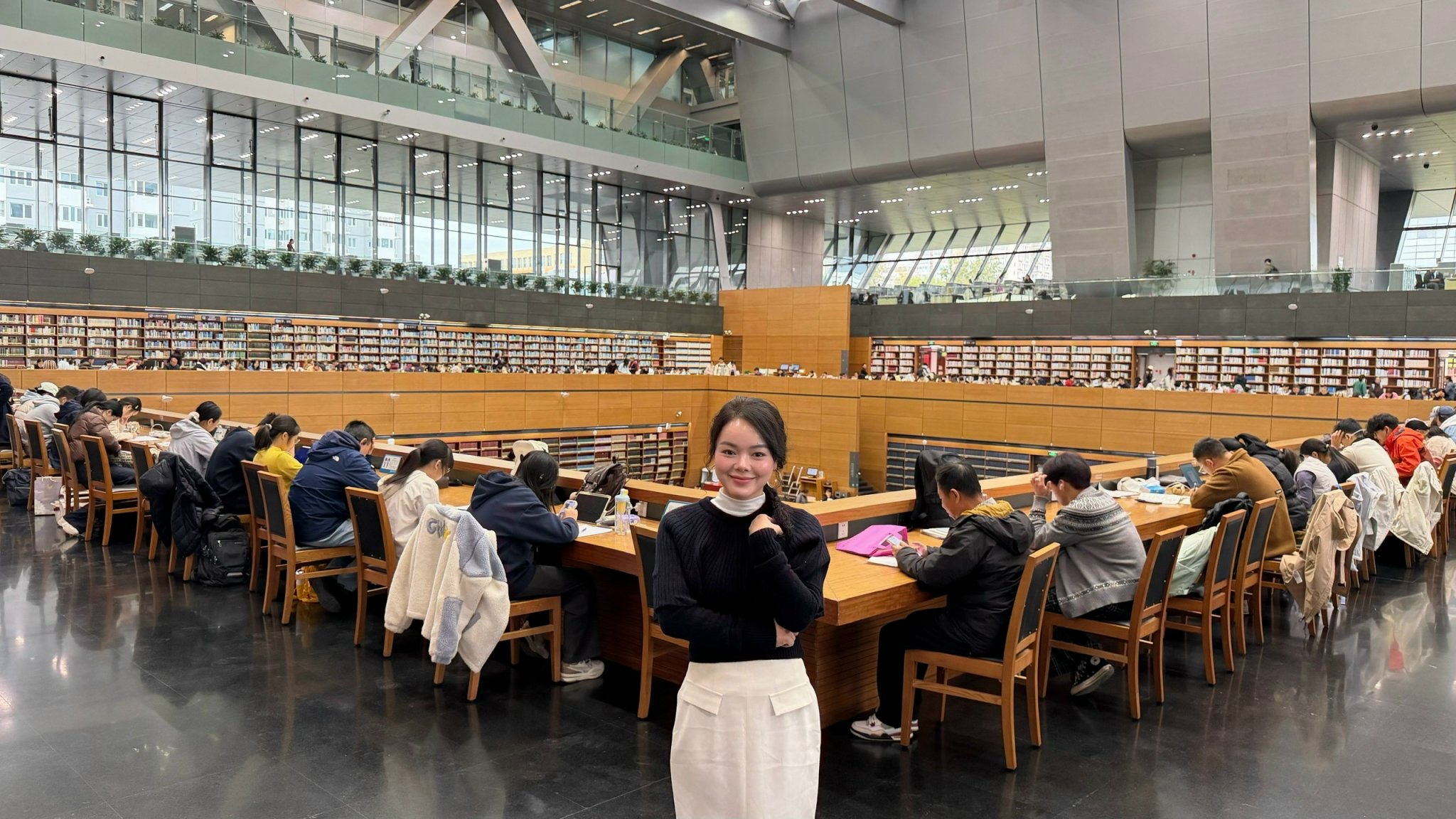 The National Library of China at 9.15 a.m., with not a single seat left empty.
Children’s services, audiovisual spaces, and support for people with disabilities offer additional access routes. A place that preserves a nation’s memory also serves the learning needs of people today.
Giving Readers a Reason to Return
Bringing someone to a library for the first time and making them want to return are two different things.
Field observations in Hangzhou show academic books and legal materials sharing space with comics, newspapers, and music-listening areas. This variety offers multiple points of entry: for those seeking practical information, those reading for pleasure, and those who need a quiet moment.
A teenager may start with comics; an older person may come for a familiar newspaper. When individual interests are respected, libraries have a greater chance of nurturing lasting connections.
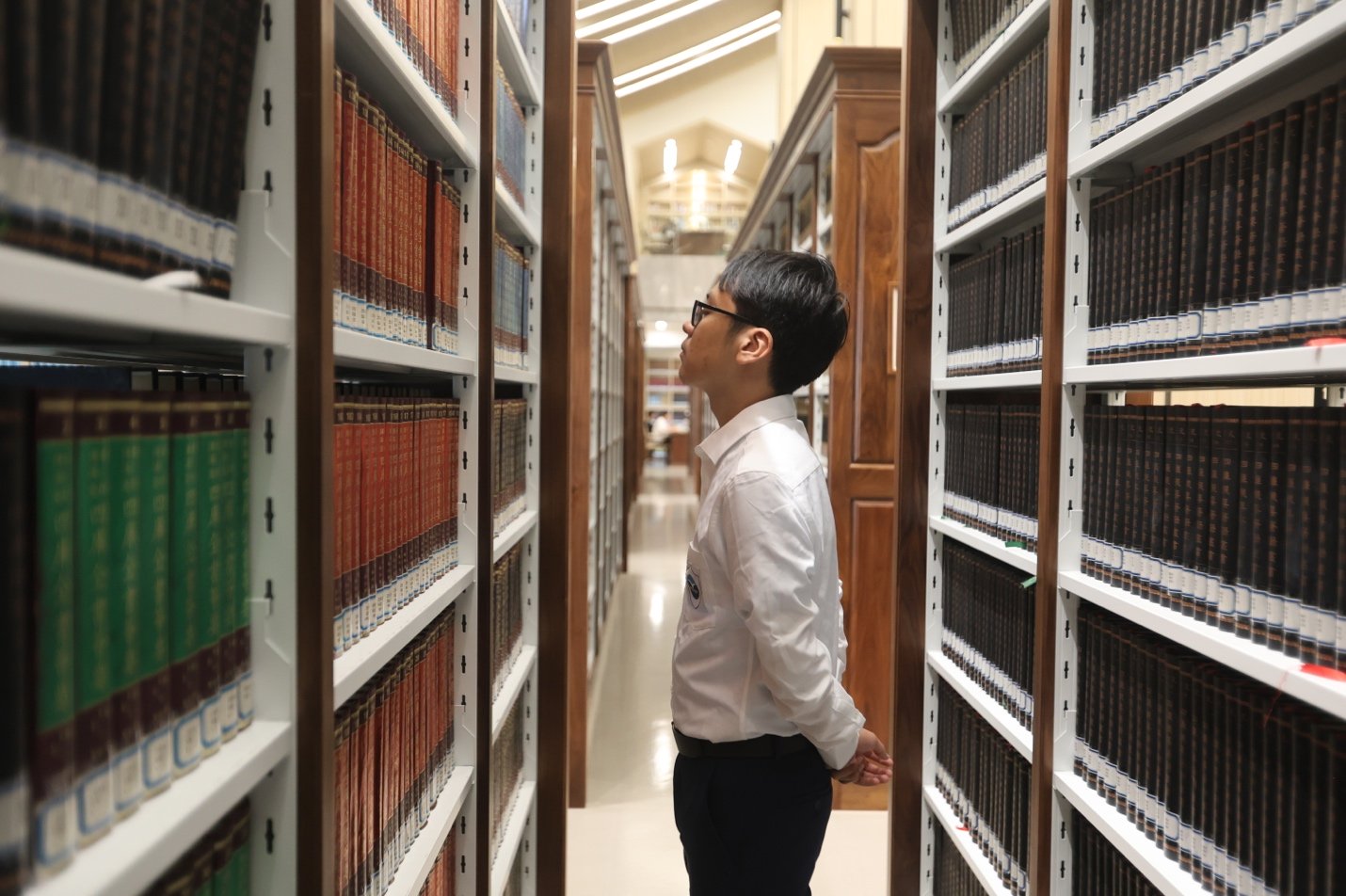 A library is a place where readers from every background can find a seat and a book of their own.
Assessing a reading culture therefore requires looking beyond the number of libraries or visits. We need to know whether people with visual impairments can find suitable books, whether those living far away can borrow materials, whether people with limited digital skills receive support, and whether those on low incomes or in manual occupations feel comfortable entering.
As the Public Library Manifesto issued by UNESCO in 1994 states, the public library is a living force for education, culture and information, and an essential agent for the fostering of peace and spiritual welfare through the minds of men and women. When a child discovers the first book they love, an older person has a familiar seat to read the newspaper, and a person with a visual impairment can access suitable materials, the meaning of a public library becomes tangible. From these seats beside the pages of a book, opportunities for lifelong learning expand and become part of everyday life for everyone.
Tags: