




Hanoi aims to tap into the educational and experiential tourism market for Japanese students
Hanoi holds significant potential for developing educational and experiential tourism programs for Japanese students, leveraging historical, cultural, and heritage values while promoting exchanges between students from the two countries.
Latest
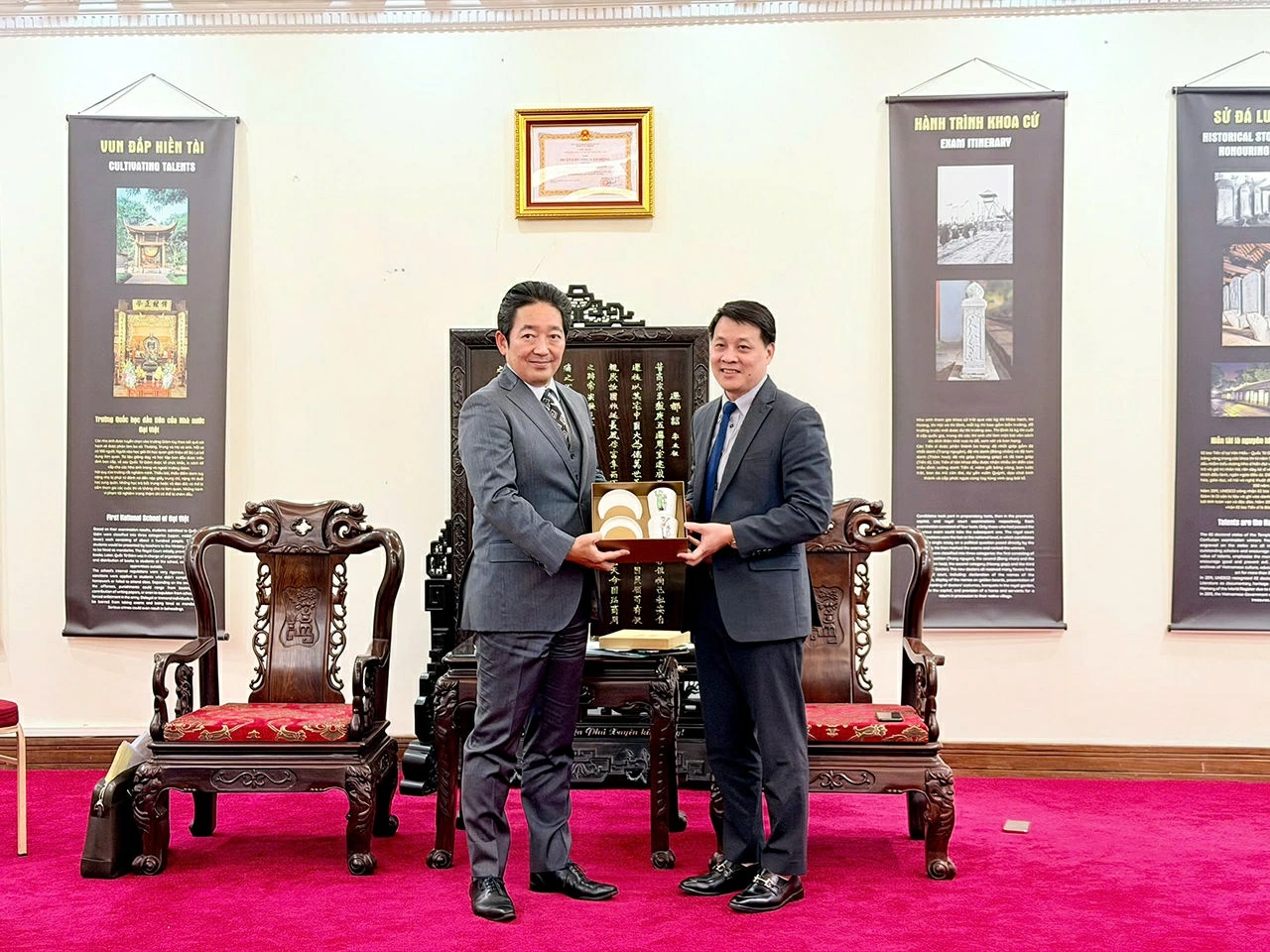 |
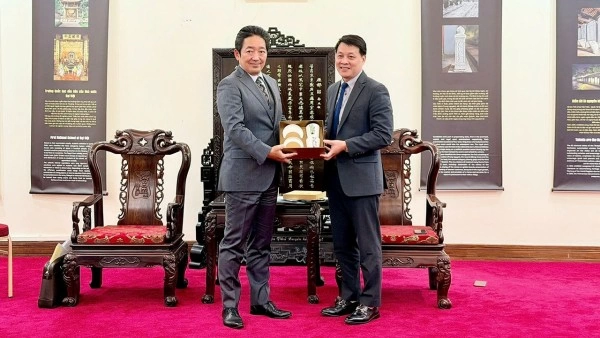
| Mr. Nguyen Tran Quang, Deputy Director of the Hanoi Department of Culture, Sports and Tourism (right), and Mr. Ishikawa Isamu, Deputy Ambassador of Japan to Vietnam. |
On November 26, at the headquarters of the Hanoi Department of Culture, Sports and Tourism, Mr. Nguyen Tran Quang, Deputy Director of the Department, chaired a meeting with Mr. Ishikawa Isamu, Deputy Ambassador of Japan to Vietnam, along with representatives from the Japanese Embassy, Japan National Tourism Organization (JNTO), and Japanese travel companies, to discuss the potential and direction for cooperation in developing educational and experiential tourism programs for Japanese students in Hanoi.
The meeting was attended by representatives from the Hanoi Department of Education and Training; various departments and units under the Department of Culture, Sports and Tourism; Hanoi Tourism Association; UNESCO Travel Club; and several tourism enterprises in the capital.
Japan is currently one of the key international tourist markets for Hanoi. In 2024, the capital welcomed 270,952 Japanese visitors; in 2025, this number rose to 301,005, an increase of 11.5% from 2024. In the first 10 months of 2026, the number of Japanese visitors to Hanoi was 253,579, up 4% from the same period in 2025.
Recently, Hanoi has actively promoted tourism in Japan by participating in events that introduce Vietnamese culture and tourism, organizing survey programs, connecting businesses, and exchanging experiences with Japanese partners.
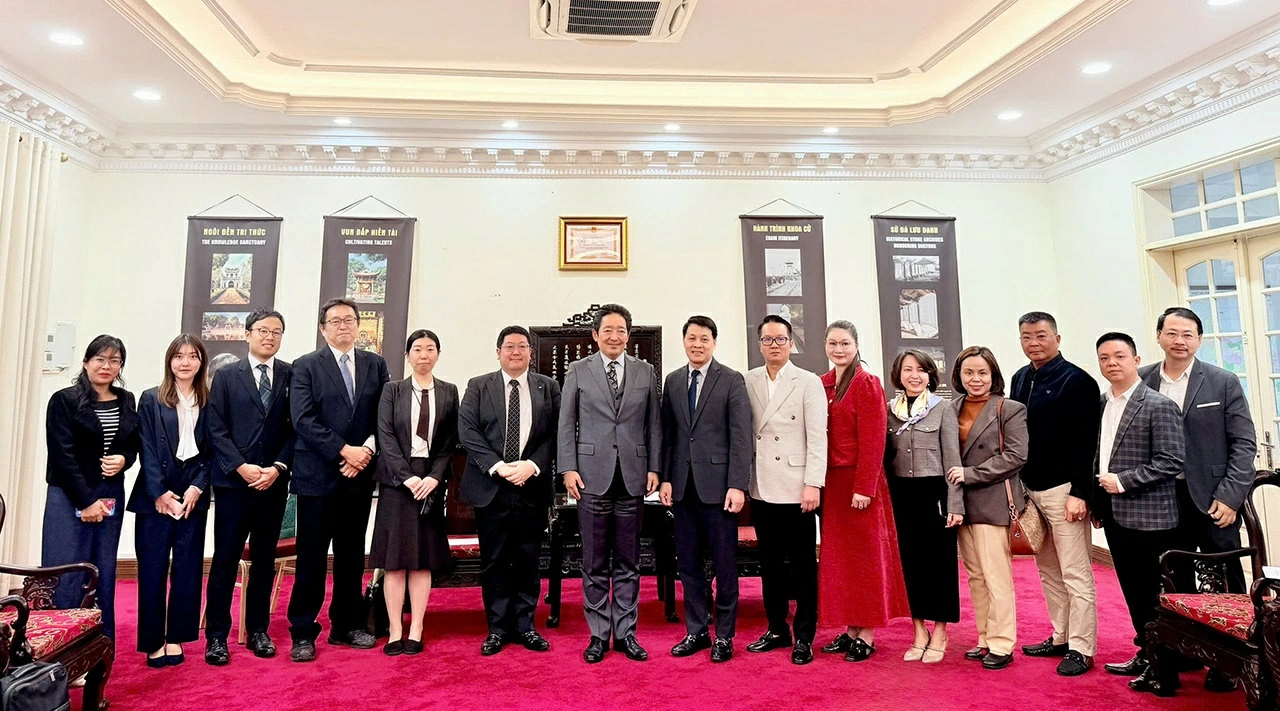 |
| Representatives from the Hanoi Department of Culture, Sports and Tourism, the Japanese Embassy in Vietnam, and Japanese travel companies discuss the potential and direction of cooperation to develop educational and experiential tourism programs for Japanese students in Hanoi. |
At the meeting, delegates discussed the trend of educational and experiential tourism abroad for Japanese students, the exploitation of the Vietnamese market in general and Hanoi in particular, as well as factors influencing the destination choices of Japanese schools and travel companies.
According to the information exchanged, in the 2024 academic year, approximately 5,610 Japanese high school students participated in educational and experiential tourism programs in Vietnam. This market is considered to have significant growth potential, while Vietnam boasts advantages in its history, culture, heritage, international exchange environment, and pace of socio-economic development.
With a system of monuments, scenic spots, museums, traditional craft villages, along with a diverse educational environment and business system, Hanoi is well-positioned to develop in-depth educational and experiential programs. These programs can focus on exploring Vietnamese history and culture, peace education, student exchanges between the two countries, experiencing traditional culture and arts, and visiting and learning about business operations.
Representatives from Japanese agencies, organizations, and businesses also shared requirements for choosing destinations, particularly ensuring safety, quality of accommodation, dining, transportation services; the ability to accommodate groups; staff support in Japanese or English; reasonable costs; and convenience in organizing exchange activities with schools in Vietnam.
Speaking at the meeting, Deputy Director Nguyen Tran Quang appreciated the interest and cooperation of the Japanese Embassy, JNTO, and Japanese travel companies in promoting tourism cooperation between the two sides. He affirmed that Hanoi is always keen to expand international cooperation, diversify tourism products, and enhance the appeal to potential customer segments, including the educational and experiential tourism market.
The Hanoi Department of Culture, Sports and Tourism will continue to coordinate with the Department of Education and Training, relevant agencies and units, the Tourism Association, UNESCO Travel Club, and tourism businesses to explore the potential for connecting destinations, educational institutions, and service providers, gradually forming educational and experiential tourism programs that meet the needs of Japanese students, ensuring quality, safety, and effectiveness.
| RELATED NEWS | |
 | Promoting Vietnam-Mozambique educational cooperation: Training high-quality human resources |
| Chinese Ambassador Scholarships 2026 awarded to 255 Hanoi students |