



Restructuring the nation, reaching out to the open sea
Article 3 - National Assembly deputy Bui Hoai Son - Administrative restructuring is a historic step for the nation
WVR - On June 30, Vietnam officially announced the Resolution on the merger of provincial- and commune-level administrative units and the appointment of key personnel. This is a significant political event of historic importance, as the country is being reorganized not merely for efficiency but for stronger development. It marks a historic turning point for the country - a new beginning for a future of prosperity, happiness, and sustainability in Vietnam.
Latest
| Article 1 - Dr. Nguyen Si Dung: Merging administrative units for a prosperous nation |

| Article 2 - A strategic move reflecting Vietnam’s reform vision and aspiration for national advancement |
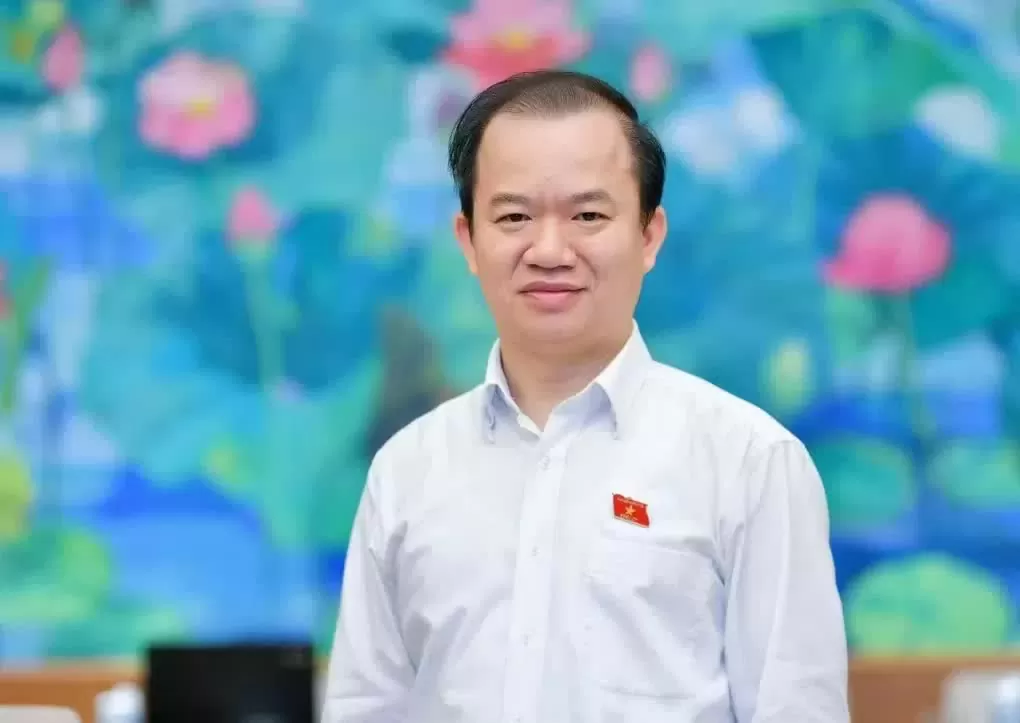 |
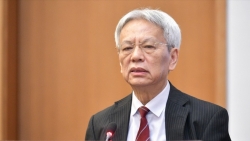
| National Assembly Deputy Bui Hoai Son affirms that mergers aim to truly elevate governance, improve public service, and realize the nation's development aspirations. (Source: National Assembly) |
Speaking at the ceremony to announce the National Assembly’s Resolution on the merger of administrative units and the establishment of provincial-level Party organizations (on the morning of June 30), General Secretary To Lam emphasized that the decision to "rearrange the nation" is a historically significant strategic move, reflecting the strong administrative reform mindset of the Party and State. He also extended his congratulations to all citizens across the country at this important moment when 34 provinces and cities simultaneously launch their two-tier local government systems.
The General Secretary affirmed: “We are entering a new phase of development not only with pride, but also with great responsibility toward the nation and future generations.” He also expressed confidence that the Vietnamese people will continue to move steadily forward on the path to building a peaceful, prosperous, and happy country.
General Secretary To Lam noted that the reorganization of administrative boundaries and the implementation of a new local government model is an inevitable necessity in the context of globalization, digital transformation, and the Fourth Industrial Revolution. This milestone is a valuable opportunity to renew leadership thinking, management methods, and accelerate the application of science and technology to enhance public service delivery.
On July 30, Vietnam officially announced the Resolution on the merger of provincial- and commune-level administrative units and the appointment of key personnel. This is a significant political event of historic importance, as the country is being reorganized not merely for streamlining, but for stronger development. It marks a historic turning point for the country - a new beginning for a future of prosperity, happiness, and sustainability in Vietnam.
The World & Vietnam Report conducted an interview with National Assembly deputy Bui Hoai Son, a full-time member of the National Assembly’s Committee for Culture and Society, about the strategic significance of this historic event.
A historic turning point
From July 1, all provinces and cities nationwide officially began operating under a two-tier local government system. How would you assess the political and administrative significance of this restructuring and merger? Why is it seen as a historic transformation for the country?
In my view, never before in modern Vietnamese history has an administrative restructuring been implemented on such a large scale-23 provinces and cities, and thousands of communes and wards, have been merged and reorganized in a methodical, comprehensive manner. This is not merely an adjustment of administrative boundaries, but a political event of strategic significance, reflecting the long-term vision and bold reformist spirit of our Party and State.
I believe this marks a historic transformation not because the local names have changed, but because we have courageously prioritized long-term national interests over local sentiment, paving the way for a new governance model-streamlined, efficient, effective, and development-oriented.
We are entering a new era in which institutions must keep pace with the nation’s growing aspirations. The consolidation of administrative units is not just about “streamlining the state apparatus” for easier management; it is a way for us to restructure our administrative system, eliminate unnecessary layers, optimize resources, and open up new space for development thinking to spread. When the nation is reorganized more rationally, the flow of innovation is unblocked, creative energy is unleashed, and the goals of a prosperous, happy, and sustainable Vietnam will come closer than ever before.
This is a historic milestone because it lays the foundation for a long-term future. It is an unprecedented administrative reform aimed at building a service-oriented government, an efficient society, and a nation rising on the global stage. I believe that after this event, people will not only cherish their old local identities, but also begin writing new chapters for a homeland whose space for development has been expanded, whose confidence has been reinforced, and whose aspirations for progress have been renewed.
| In the long term, the merger of administrative units is not the end of a process, but the beginning of a journey. It is a reduction in form, but an expansion in quality, vision, organizational capacity, and development potential. |
The merger of administrative units is not just about adjusting boundaries, it also directly impacts the administrative apparatus, the civil service, and people’s daily lives. In your opinion, what are the biggest challenges in the implementation process?
No one can underestimate the challenges involved in this process because this is not just a technical problem of adjusting borders; it is a sweeping overhaul of the administrative system, deeply affecting organizational structures and social psychology. From merging administrative structures, reallocating personnel and resources, to harmonizing customs, practices, management styles—and even local pride—all requires empathy, intelligence, and courage.
The first and most obvious challenge is reorganizing the civil service: who will hold which positions, who will be retained, and who will be reassigned. This is not merely a matter of titles; it is a matter of fairness, transparency, motivation, and internal cohesion. If handled poorly, it could lead to frustration, or even temporary instability. That’s why the human dimension must remain central—so that every official understands they are not being “devalued,” but are being “repositioned” within a broader vision.
Second, we must ensure stability in people’s lives during the transition. When commune or provincial names change and new administrative units are formed, many questions arise: Will old documents still be valid? Will school names change? Where will hospitals and administrative centres be relocated? These are very real and human concerns. Without adequate preparation in technical infrastructure, IT systems, and especially communication, people may feel confused, inconvenienced, or even anxious.
The third challenge—quieter but more enduring—is how to unify administrative cultures and build a new identity in merged localities. Every region has its own pride, leadership style, and even unique ways of communication and problem-solving. When three become one, or four are merged into a single unit, cultural friction is inevitable. However, overcoming this can be a real advantage, as a place where the strengths of different regions are blended harmoniously can be a rich foundation for sustainable development.
Therefore, the challenges are real. But if we approach them with humility, responsibility, and creativity, each challenge can become a catalyst—helping the new apparatus run more smoothly, the public feel more reassured, and our homeland thrive with renewed strength.
 |
| On June 30, Vietnam officially announced the Resolution on the merger of provincial- and commune-level administrative units and the appointment of key personnel. (Photo: Thanh Long) |
Leaders with vision, integrity, and a connecting mindset
In the new context, how important is personnel appointment in ensuring stability and promoting development in newly merged administrative units? From your perspective, what should be prioritized to select suitable leaders?
We are standing at a major turning point in administrative restructuring—where personnel are not merely operators of the system, but the ones who create the spirit for the newly formed communities. At this moment, appointing leaders is not simply about “assigning tasks,” but about choosing individuals with integrity and vision, who possess a mindset of connection, helping steer the newly merged localities through a transitional phase that is often unsettled and uncertain.
During this time of transition, leadership requires not only courage but also compassion and sensitivity. Leaders must be willing to "bear the brunt of challenge", yet remain attentive listeners who can unite their teams. They must be able to inspire, yet remain composed enough to reconcile differences in culture, working styles, and local mindsets among the merged communities.
As General Secretary To Lam emphasized in his article “The Power of Solidarity” (June 29, 2025): “Each official and Party member must truly serve as a role model in maintaining internal unity and always place collective interests above personal ones.” Therefore, the selection of personnel must be based not only on management competence but also on qualities such as community-building spirit, public service ethics, and the ability to listen. Especially in today’s digital and integrated era, leaders must continually learn, embrace new thinking, and be willing to pilot modern governance models that are transparent and accountable.
In addition, it is crucial to ensure regional representation within leadership personnel so that no locality feels “overshadowed” within the new administrative unit. Leaders must serve as bridges—between the past and the future, between the people and the government apparatus, between traditional values and modern aspirations. That is why this time of personnel appointments must be conducted with utmost care, openness, and transparency, based on the principle of selecting capable individuals who truly serve the people, rather than relying on mechanical arrangements.
We are entering a new era of opportunity and leaders are the ones who open the first door. Only when that door is opened by steady hands and a heart that seeks harmony can the new journey proceed smoothly.
A golden opportunity for localities to transform
This event is not merely about “streamlining” but also about “expanding”—in terms of improving the quality of governance and developing more comprehensively. So what are the key opportunities that localities must seize to rise stronger?
In the long term, the merger of administrative units is not the end of a process, but the beginning of a journey. It is a reduction in form, but an expansion in quality, vision, organizational capacity, and development potential. This is a golden opportunity for localities to transform themselves - from cumbersome structures into streamlined systems, from fragmented thinking into regional collaboration, from traditional administration into proactive, smart, citizen- and business-centered governance.
First, the biggest opportunity lies in reorganizing the administrative apparatus along modern and efficient directions. Fewer layers, clearer responsibilities, more agile management - these are the foundations for a truly service-oriented and enabling government. This restructuring allows localities to boldly apply digital technologies, build synchronous databases of population, land, and socio-economic indicators,thereby gradually forming a smart, paperless, and efficient administrative system.
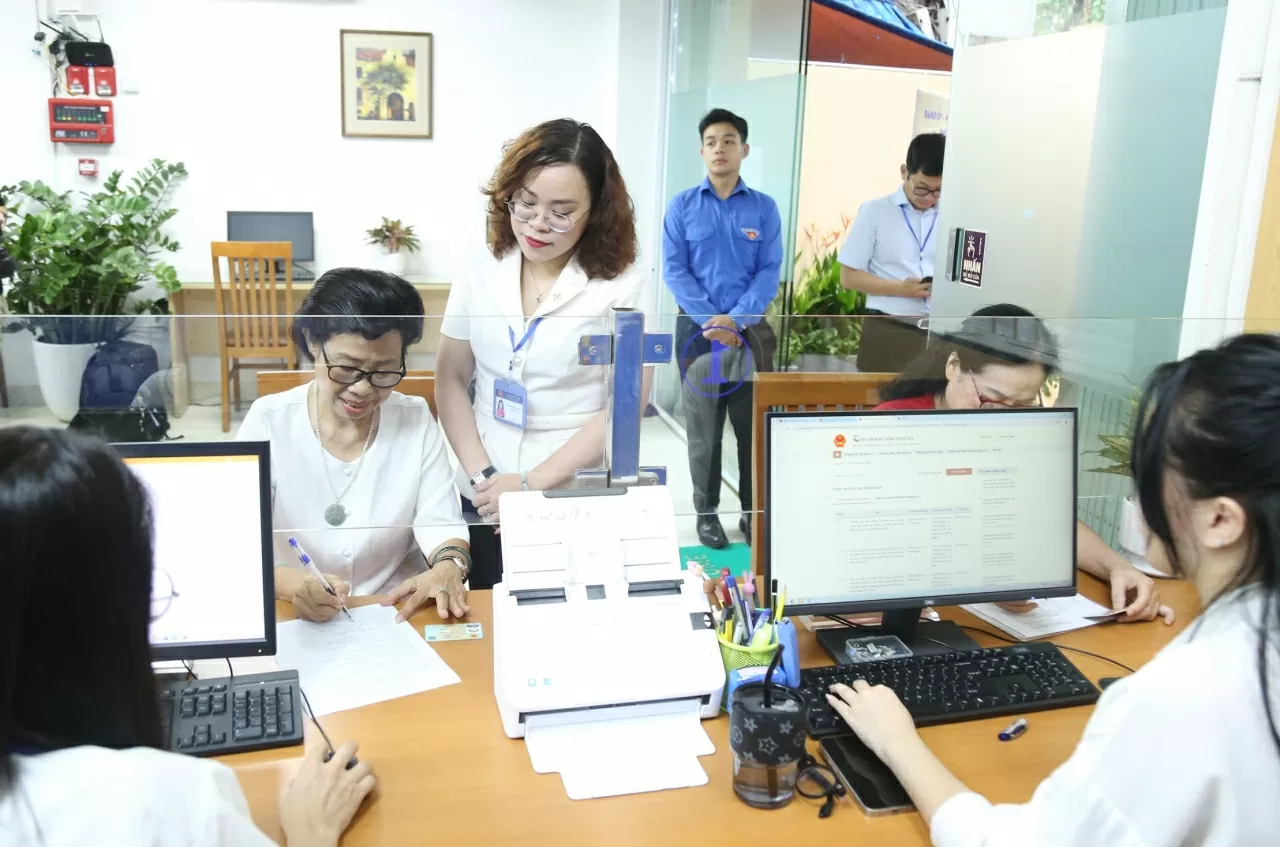 |
| The merger provides a golden window for deep institutional reform - from leadership mindsets to operational methods and resource mobilization mechanisms. (Photo: Thanh Long) |
Second, this is a chance for localities to restructure their economic and social development strategies across a broader space. Instead of each province or commune seeking its own path, now is an opportunity to align into larger, more diverse, and more interconnected economic zones. Rural and urban areas can link up to form agricultural–service–industry value chains; highland and lowland regions can complement each other to develop tourism, culture, and trade. The newly formed localities also have the condition to rebrand themselves, define a new identity, and diversify their development potential.
Third, the merger provides a golden window for deep institutional reform—from leadership mindsets to operational methods and resource mobilization mechanisms. No longer constrained by outdated habits, these new localities can immediately apply modern governance models from both domestic and international best practices, and pilot tailored policies to attract investment, develop cultural industries, education, healthcare, and infrastructure. This “newness,” if well utilized, can become a driving force for breakthroughs.
Fourth, this is an opportunity to awaken the spirit of solidarity, trust, and aspiration within the community. As new administrative units are formed, people will gradually shift away from a “my commune, my province” mindset toward a shared “we” - a common future. This shift in mindset and spirit is important premise to building a sustainable community that rises on the strength of its own internal resources.
The point is not to merge in order to return to the old ways on a larger scale - but to become truly new in the way we manage, the way we serve the people, and we realize our dreams of development.
| We are entering a new era of opportunity and leaders are the ones who open the first door. Only when that door is opened by steady hands and a heart that seeks harmony can the new journey proceed smoothly. |
A new chapter for our homeland
To secure public support and active participation in this transformative process, what kinds of communication strategies and support mechanisms are needed?
Public consensus is the prerequisite of any successful reform—especially so in a large-scale administrative restructuring like this. No one is more directly affected by changes in boundaries, administrative procedures, and even the name of their hometown than the people themselves. If communication is not handled well—if citizens feel sidelined in the reform process—it can lead to psychological discomfort and long-term erosion of trust.
Communication must stay one step ahead-not just to “explain,” but to “inspire.” It should help people understand that mergers do not erase identities but offer a chance to co-create a broader, stronger one. Familiar names are not disappearing; they are being placed within a larger space for development with higher expectations. Above all, communication should ignite a spirit of pride and confidence that every citizen is stepping with the country into a new chapter-a chapter of renewal and shared ambition.
Besides communication, it is essential to genuinely listen-even to the smallest concerns. Each newly merged locality should establish open, public channels for dialogue-not only to reassure people but to understand them deeply and adjust policies accordingly. We must approach this with patience and sincerity, for trust is not built overnight but it can grow steadily-from simple actions: a shortened administrative process, a willingness to explain a procedure or a assistance in updating personal documents.
Providing support throughout the transition is also vital. No one-whether an elderly citizen, a student, a farming household, or a small business-should feel left behind. Policies related to insurance, civil registration, land use, or transportation must be thoroughly reviewed, promptly updated, and made easily accessible. Local officials should be well trained, with the spirit of “service-oriented government”, to turn this period of transition into one of improving service quality.
I believe that if we succeed in communication, listening, and support, people will not just accept but voluntarily accompany the changes. And once the people stand united, nothing is impossible. What began as an administrative merger of provinces and communes will evolve into a profound spiritual transformation - a moment in which each citizen contributes to rewriting the name of their homeland in a new chapter of history, filled with aspiration and hope. That is the most complete and meaningful success of this reform.
Stay tuned for Article 4: A streamlined nation, a soaring Viet Nam