


Art of tea tasting: Exploring Vietnamese cultural identity and tradition among overseas Vietnamese in Toronto
WVR - A multicultural event took place over the weekend in Toronto—one of Canada’s most vibrant cities—where the Vietnamese community chose to present the art of tea tasting and introduced the Dan Nguyet (a Vietnamese traditional moon-shaped musical instrument) tea table, a symbol of the fusion between art and Vietnamese tradition, contributing to the diverse cultural colours of this multi-ethnic city.
Latest
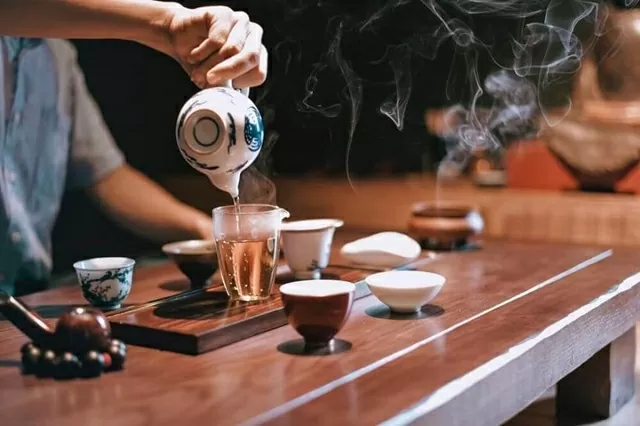 |
| The art of tea tasting helps promote Vietnam's traditional values and cultural identity. (AI-generated image) |
This year’s Wellington Multicultural Festival featured 12 international cultural communities. Representing Vietnam, the Canada-Vietnam Culture and Education Council (CVCEC) in collaboration with Song Hy Tra participated with the Dan Nguyet tea table and a traditional tea-tasting performance by artisan Nguyen Ngoc Tuan.
Mr. Nguyen Ngoc Tuan—a tea artisan and founder of the Song Hy Tra brand—shared that Vietnam takes pride in being one of the original homelands of the tea plant. Tea culture, like the tea plant itself, has long been intertwined with the lives of the Vietnamese people. He expressed his hope to introduce Vietnam’s tea-tasting tradition to the world, showcasing a cultural treasure rich in history and beauty that continues to be preserved to this day.
While tea is enjoyed in many countries, Vietnamese people have a uniquely personal and refined way of appreciating it. The image of a cup of tea in every Vietnamese household reflects a distinctive, humble tea-drinking tradition passed down from ancient times—something unmatched elsewhere.
The traditional Vietnamese approach to tea tasting is simple and unpretentious. A cup of tea is seen as a bridge that connects families, neighbors, and even friendships across communities and nations.
Daniel, a visitor to the Vietnamese booth at the festival, sipped his hot tea and noted that its flavor was light and unsweetened, carrying a natural aroma reminiscent of bamboo and earth. He remarked that it was wonderful to enjoy such a drink.
Meanwhile, Marry found the tea’s taste “very unique, fresh, and truly refreshing.” She especially enjoyed pairing the tea with Vietnamese mung bean cakes, saying, “These two specialties create a distinct flavor. There’s a nutty richness followed by the lightness of the tea—it’s truly delicious and delightful.”
Indeed, the cup of tea served as a bridge, helping Canadian friends and international visitors at the Wellington Multicultural Festival better understand Vietnamese customs and traditions. Through each cup, Vietnamese tea leaves tell their own stories—about the lands where they are grown, the people who dedicate their lives to cultivating them—stories that subtly reflect the beauty of Vietnamese culture. The fragrance of Vietnamese tea becomes a gentle invitation, enticing international friends to visit Vietnam.
There are six elements that make up a truly fulfilling Vietnamese tea experience:
“Nhat nuoc, nhi tra, tam pha, tu am, ngu nhac, luc trach”, which roughly translates to: “First, the water; second, the tea; third, the brewing technique; fourth, the teapot; fifth, the music; and sixth, the space.”
The final element—"trach", meaning the tea space—is considered essential. In this context, the tea table modeled after the shape of the Dan Nguyet (a traditional Vietnamese moon-shaped musical instrument) not only evokes the musical aspect ("ngũ nhạc") but also enhances the elegant atmosphere of the tea experience.
According to artisan Nguyen Ngoc Tuan, Dan Nguyet is a traditional Vietnamese instrument symbolizing the moon and the refined nature of a gentleman. Its shape inspires the design of the tea table, seamlessly incorporating the fifth element—music—into the tea ceremony. The Dan Nguyet tea table embodies the Vietnamese spirit of graceful and refined tea appreciation.
This year marks the first time the Vietnamese community in Canada has actively contributed to such a refined multicultural exchange space at the Wellington Festival. The tea performance and the striking presence of the Dan Nguyet tea table became symbolic representations of the Vietnamese spirit, affirming the country's cultural identity and spreading the value of its traditions to the world.