

80 Years of cultural sector: Harnessing soft power to enhance Vietnam’s position
For generations, culture has been the source of spiritual strength, shaping the resilience and indomitable will of the Vietnamese nation.
Latest
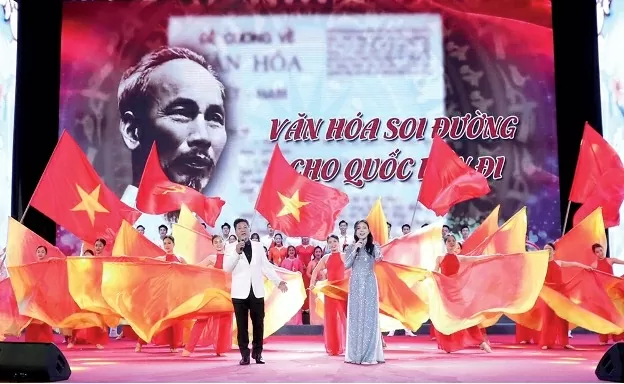 |
| 80 Years of cultural sector: The National Conference to Commend Exemplary Figures in the Field of Culture 2023, organised by the Ministry of Culture, Sports and Tourism. (Source: Culture Newspaper) |
Following the adoption of the Outline of Vietnamese Culture in 1943, the revolutionary cultural movement truly entered a historic phase, becoming an organic part of the national liberation struggle for independence and freedom. Under the leadership of the Communist Party and President Ho Chi Minh, culture became a sharp ideological weapon, mobilising and uniting the entire nation in the August Revolution of 1945, which marked the beginning of a new era for the country.
On 28 August 1945, the Ministry of Information and Communication, the predecessor of today’s Ministry of Culture, Sports and Tourism, was officially established, marking the beginning of an 80-year journey of service to the nation. Inheriting the spirit of President Ho Chi Minh’s message at the first National Cultural Conference in November 1946, “Culture lights the way for the nation”, the cultural sector has since strived to be a pure source of vitality, releasing the inner strength of the nation and fostering national progress.
In his Letter to Painters on the occasion of the Fine Arts Exhibition in 1951, President Ho Chi Minh affirmed: “Culture and arts are also a front. You are the soldiers on that front”. Heeding his call, generations of cultural workers devoted themselves, overcoming hardship and sacrifice, to ignite spiritual strength and contribute to the nation’s victories.
From mass movements such as “Eliminating Illiteracy” and “The Entire People Unite to Build a Cultural Life” to the establishment of cultural institutions, preservation of heritage and promotion of traditions, culture has always accompanied the revolutionary cause. It has laid the spiritual foundation of the nation and nurtured the socialist ideal of building a new Vietnamese citizen.
Through two resistance wars, culture served as a powerful spiritual weapon, instilling patriotism, inspiring the will to fight and fostering faith in victory. After reunification, it played a vital role in healing the wounds of war, nurturing solidarity and cultivating the aspiration to rebuild the country. Entering the Doi Moi (Renewal) period, culture was quick to embrace new ways of thinking - safeguarding national identity while absorbing global values - thereby renewing itself in the flow of modernity.
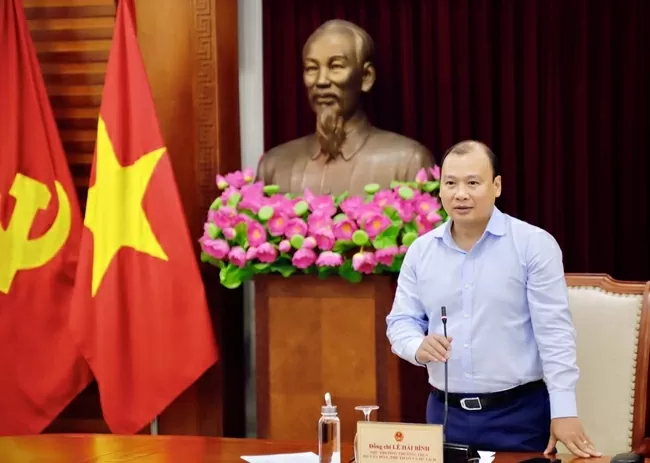 |
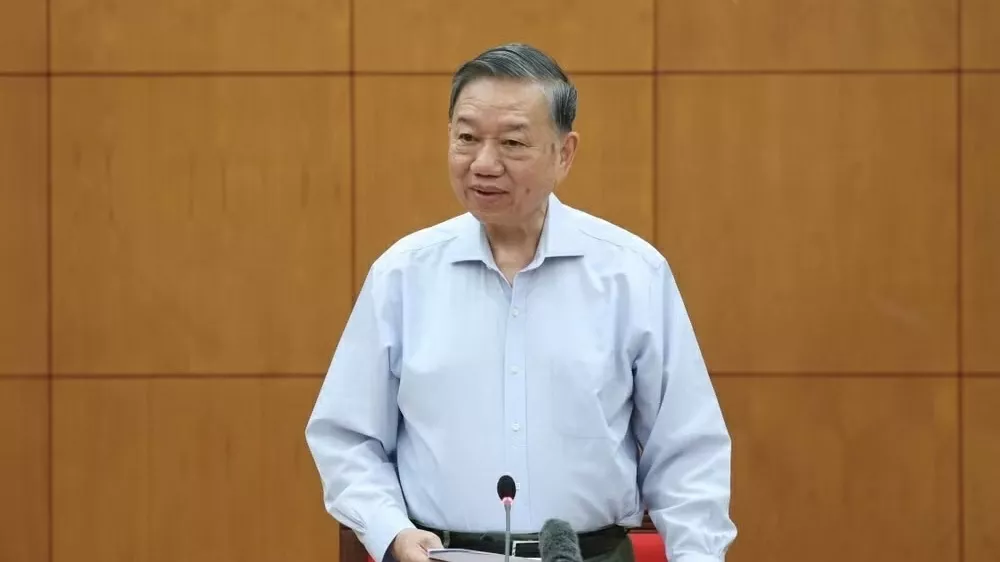
| Standing Deputy Minister of Culture, Sports and Tourism Le Hai Binh chaired a meeting to prepare for the Celebration of the 80th Anniversary of the Cultural Sector (28 August 1945 - 28 August 2025) and in anticipation of the 80th Anniversary of National Day on 2 September. (Source: Ministry of Culture, Sports and Tourism) |
Cultural diplomacy has increasingly asserted its role in building and promoting Vietnam’s image, shifting from “exchange” to “genuine cooperation”. Over the past five years alone, Vietnam has signed 54 international agreements, implemented the Cultural Diplomacy Strategy to 2030, and actively engaged in major events such as EXPO Dubai 2020, EXPO Osaka 2025 and the UNESCO Creative Cities Network.
Initiatives such as Vietnam Days, Vietnam Weeks, Vietnam Festivals abroad, the Vietnam Pavilion at EXPO, and support for Hoi An and Da Lat to join the UNESCO Creative Cities Network have greatly enhanced the country’s image while boosting tourism, trade and investment.
Alongside promotion, the cultural sector has focused on preserving and developing traditional values, harmonising heritage with contemporary creativity. Numerous sites, festivals and practices have been inscribed on international conservation lists, becoming resources for tourism and socio-economic development while nourishing national identity and cultural soft power. Vietnam has also assumed important roles within UNESCO, paving the way for breakthroughs in regional and global integration.
In parallel, cultural industries are gradually taking shape, contributing tangibly to economic growth and generating sustainable value.
Vietnamese culture is both the goal and the driving force of development - a source of spiritual strength binding communities together, nurturing national resilience and serving as a bridge connecting Vietnam with the world.
Looking back at its achievements and forward to the future, the cultural sector continues to embrace innovation and creativity, ensuring that culture becomes a genuine form of soft power, elevating the country’s standing in the region and globally.
In 2025, the sector celebrates its 80th anniversary of founding (28 August 1945 - 28 August 2025) - a sacred milestone, an occasion to honour past generations, and a moment to ignite aspirations for dedication and creativity. According to the Ministry of Culture, Sports and Tourism, with its declaration of action, “Culture as the foundation - Information as the lifeline - Sports as strength - Tourism as the bridge of connection”, the anniversary is also a profound political occasion, renewing faith, inspiring pride and encouraging cultural workers nationwide to serve with dedication.
On 23 August, at the Hanoi Opera House, the Ministry of Culture, Sports and Tourism, in coordination with relevant agencies, will host the Commemoration of the 80th Anniversary of the Cultural Sector, attended by senior leaders of the Communist Party and the State, former and current ministers, as well as representatives of central and local organisations. The event not only conveys the proud tradition of the sector but also affirms the determination of cultural workers to ensure that culture continues to accompany the nation on its path towards a prosperous and happy Vietnam.