




Workshop: Promoting the application of digital economy models in the agricultural supply chain
WVR - On February 5, in Hanoi, the Department of Cooperative Economy and Rural Development, under Ministry of Agriculture and Environment, organized a workshop to summarize five years of research and application of digital economy models, solutions, and platforms in cooperative linkages and investment management across Vietnam's agricultural supply chain.
Latest
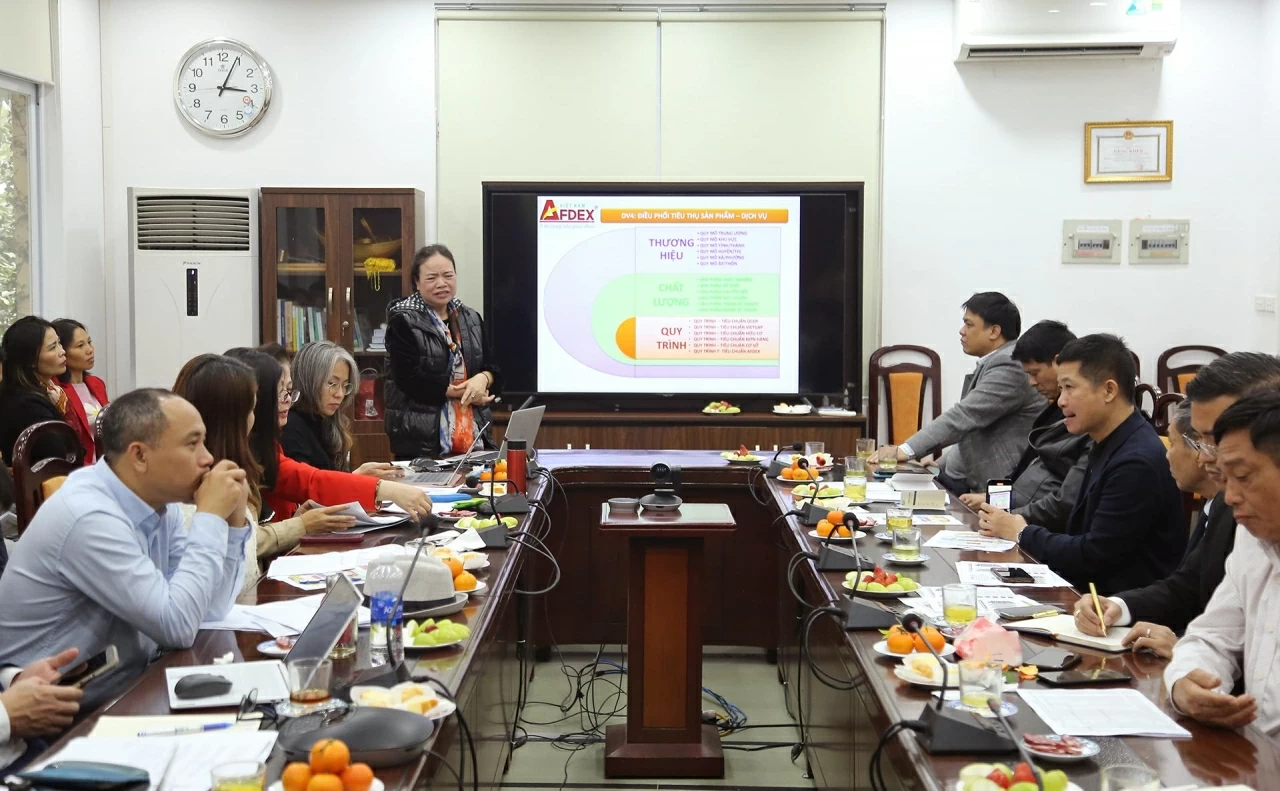 |
| The workshop summarized five years of research and application of digital economy models, solutions, and platforms in cooperative linkages and investment management across Vietnam's agricultural supply chain. (Photo: Thanh Long) |
The workshop was organized by the Department of Cooperative Economy and Rural Development in collaboration with Pho Cho Co., Ltd., the founding entity of the AFDEX–EbankTrade digital economy model and solution, to evaluate and summarize the results of five years of research and application of the model in linking and managing investments in the agricultural supply chain across Vietnam. It also aimed to share experiences, practical lessons, clarify effectiveness and limitations, potential for expansion, and directions for improving and promoting digital economy cooperation and application to serve sustainable agricultural supply chain development in the upcoming period.
Director General of the Department Le Duc Thinh chaired the workshop, with the participation of representatives from agricultural production, processing, and export enterprises, along with scientists and experts in agriculture, rural areas, and agricultural economics.
In her opening remarks, Nguyen Thi Thanh Ha, Chairwoman of Pho Cho Co., Ltd., stated that the AFDEX Ecosystem is designed as a comprehensive network to foster innovation and cooperation among businesses, experts, and investors.
This platform focuses on digitizing management processes and optimizing resources to create a modern, flexible business environment. The core objective of the project is to build a sustainable growth space where entities can easily share knowledge and leverage common values. Through this, the ecosystem acts as a strategic bridge to enhance the competitiveness of the business community in the digital era.
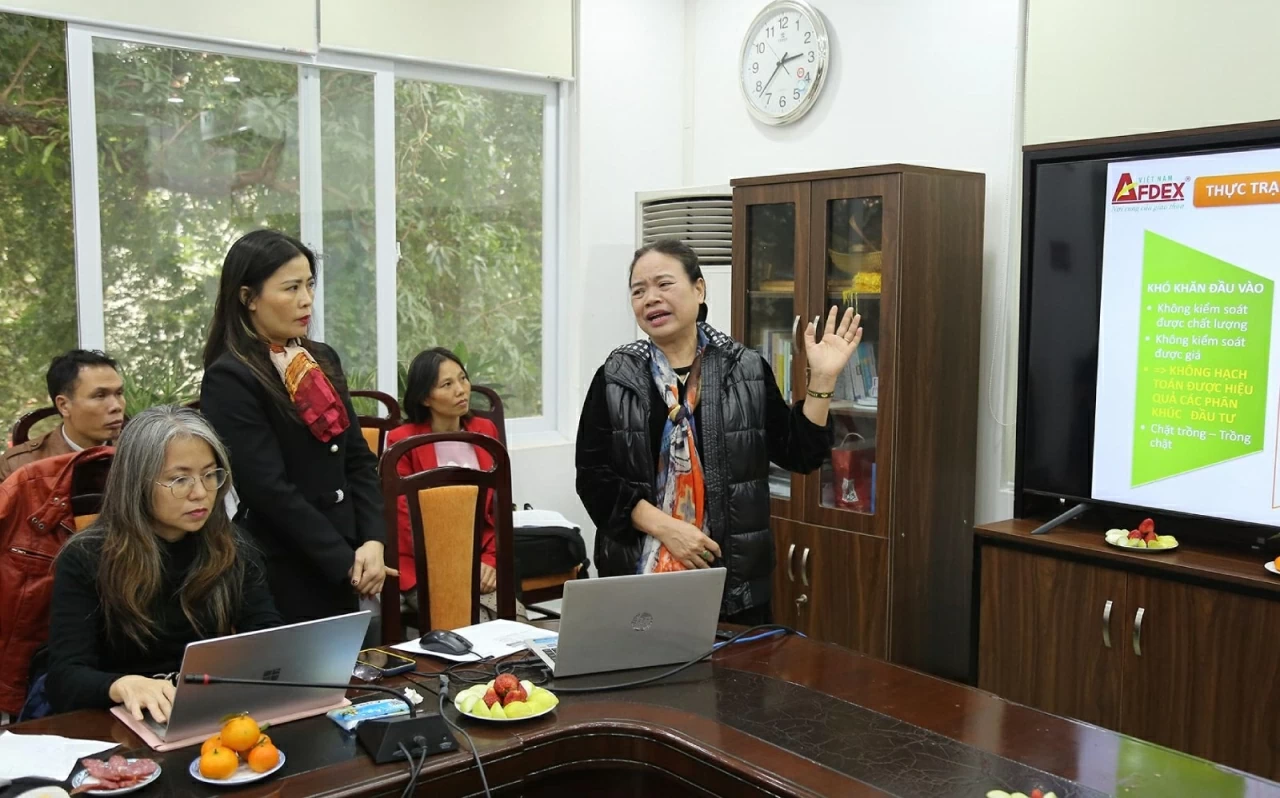 |
| Nguyen Thi Thanh Ha, Chairwoman of Pho Cho Co., Ltd., presenting the AFDEX Ecosystem at the workshop. (Photo: Thanh Long) |
Nguyen Thi Thanh Ha shared that the AFDEX digital economy model (Agricultural Food Supply-Demand Platform) is a macro research and investment project in agriculture, continuously implemented for nearly 20 years to seek sustainable development solutions for partners in the supply chain.
The model operates on the AFDEX-Ebank Trade system platform with six main components, including: establishing the Agricultural Supply-Demand Chain across Vietnam; building a network of local exchange points; deploying public-private service systems; unifying the contribution mechanism in a 40/12/48 ratio; practical training for assessment and evaluation; and managing the model along with cluster models linked into a chain. AFDEX operates on a large scale, with approximately 100 million identification codes and over 2 million product categories, organized and managed through a hierarchical system from the central to regional, provincial, and district-level local exchange points.
Through a comprehensive service ecosystem in measurement, safety, information-training, technology, commerce, development, and ecological management linked with experiential tourism, the AFDEX model contributes to effectively exploiting the potential and unique strengths of production culture, species, and genetic resources of each region. It also becomes a supply-demand intersection, directly connecting farmers, cooperatives with scientists, processing businesses, and distribution units, thereby ensuring information transparency and minimizing intermediaries in the agricultural value chain.
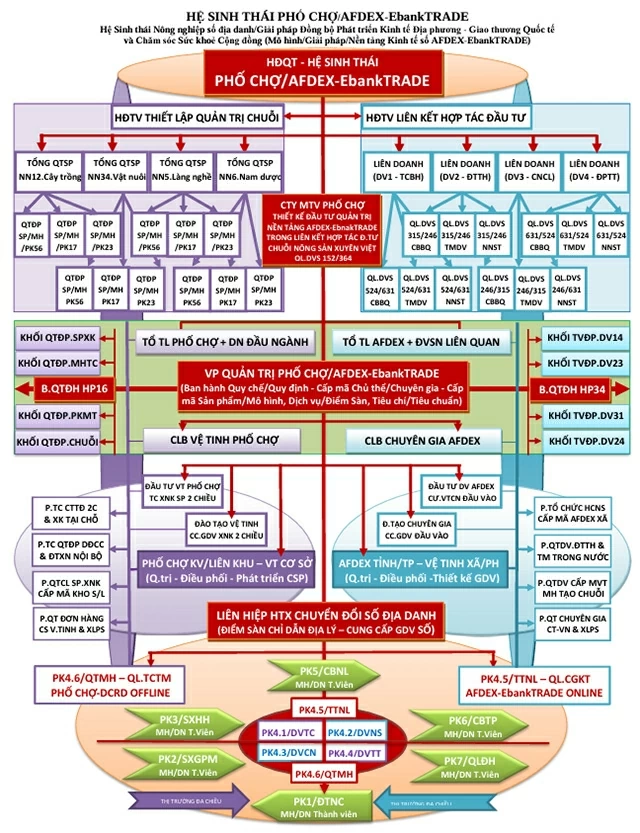 |
| The AFDEX Ecosystem Model. (Source: Pho Cho Co., Ltd.) |
At the workshop, representatives from agricultural production, processing, and export enterprises, along with scientists and experts in agriculture, rural areas, and agricultural economics, participated in discussions, introducing effective economic products and models formed from the application of science and technology, models, solutions, and digital economy platforms in cooperative linkages, contributing to promoting agricultural development in the new phase.
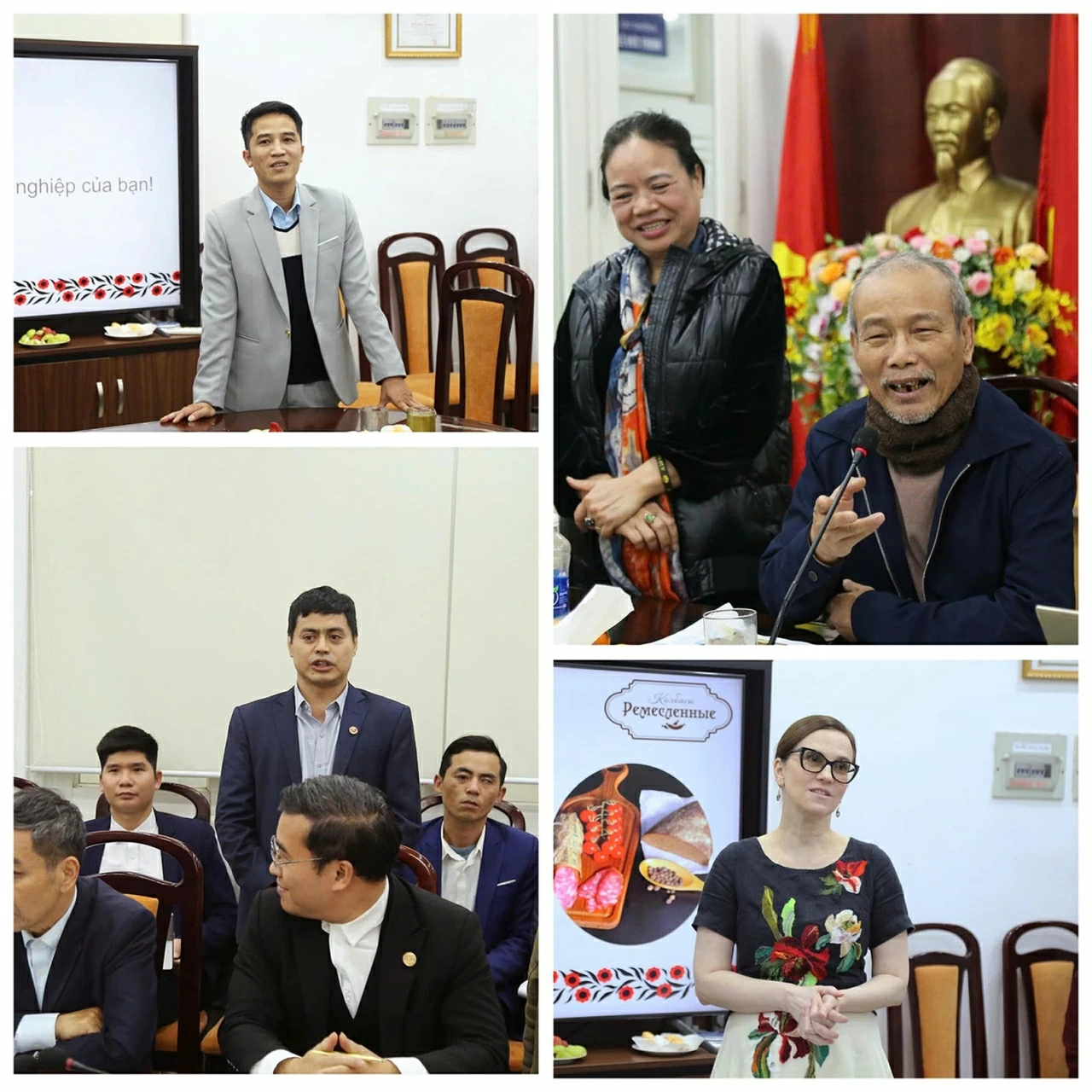 |
| Representatives of enterprises speaking at the workshop. (Photo: Thanh Long) |
In his concluding remarks, Director General of the Department, Le Duc Thinh, emphasized that cooperation and linkage are only truly effective when the participating parties harmonize their interests and feel that the connection brings greater benefits than separation.
From this practical experience, Director General Le Duc Thinh affirmed that the first important criterion in linkage is the benefit-sharing mechanism. Parties need to clearly see their share of benefits in the cooperative relationship, thereby creating motivation for long-term collaboration.
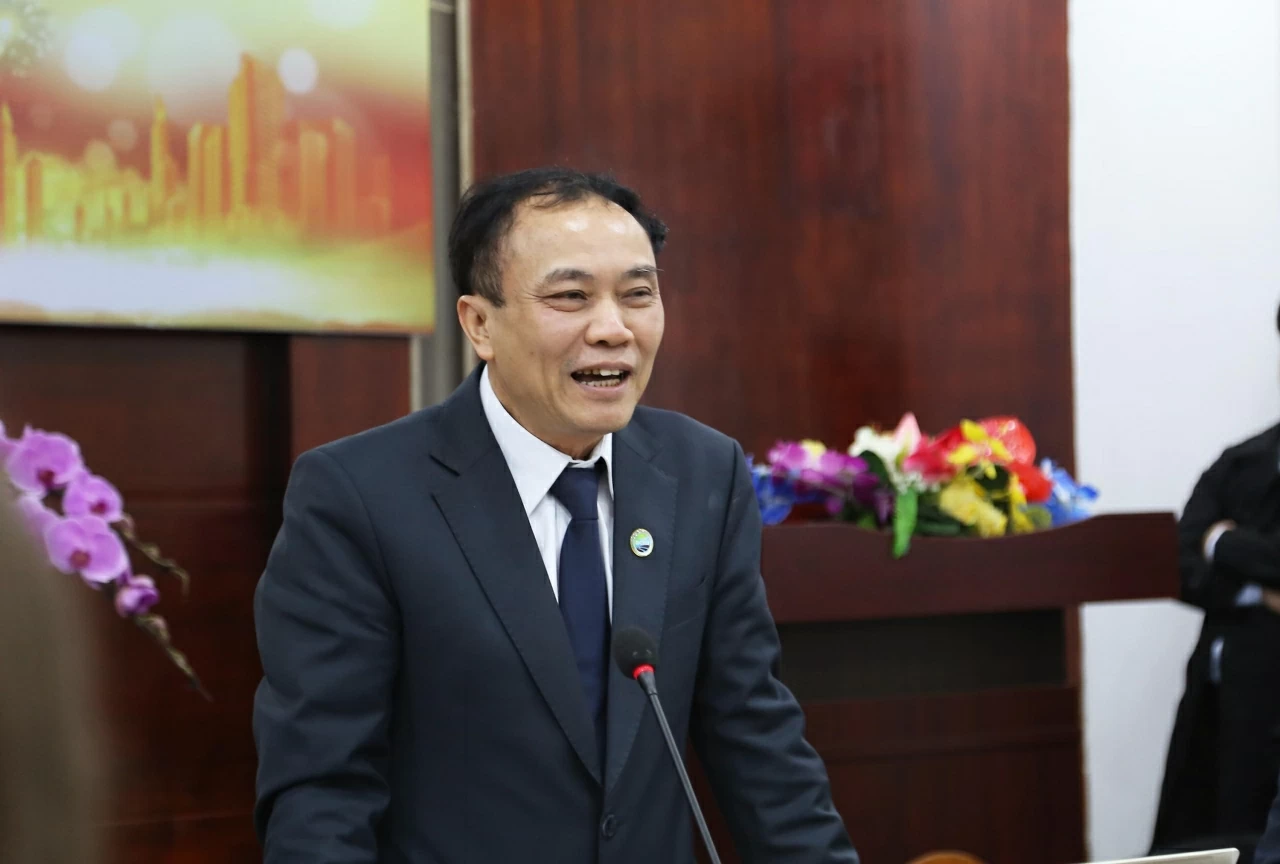 |
| Director General of the Department of Cooperative Economy and Rural Development Le Duc Thinh delivers the concluding remarks at the workshop. (Photo: Thanh Long) |
The Director General further stated that transparency and trust are indispensable factors in linkage. In reality, no sustainable cooperation is built on a foundation of suspicion. Parties can only maintain long-term ties when they truly trust each other; when trust is established, formal paperwork or binding agreements are often unnecessary.
Drawing from the experience of developing and implementing Decree 98, the Director General also shared the perspective of many international organizations such as FAO and the World Bank, that the role of trust and informal commitments should not be underestimated.
In many cases, when trust and transparency are present, cooperation can still operate effectively even without extensive paperwork. Therefore, building trust, ensuring transparency, and creating benefit-driven motivation are the core foundations for sustainable development of linkage models.