




Vietnam’s Gen Z turns cultural heritage Into the latest social media trend
This phenomenon, widely known as “flex di san” (showing off heritage), sees young people photographing, performing, and creating content at historical landmarks, ancient villages, and traditional festivals.
Latest
A new trend is rising among young Vietnamese that involves showcasing their heritage through photos, performances, and social media.
This phenomenon, widely known as “flex di san” (showing off heritage), sees young people photographing, performing, and creating content at historical landmarks, ancient villages, and traditional festivals.
This not only helps them to express their identity but also promotes Vietnam’s cultural treasures to broader audiences.
According to Dr. Le Thi Minh Ly, Vice President of the Vietnam Cultural Heritage Association and a member of the National Cultural Heritage Council, this spontaneous youth-led movement reflects a meaningful shift in youth society and culture.
“Young people are no longer seeing heritage as something distant. They are actively engaging with it, for example, photographing it, performing it, and making it part of their everyday creative expression,” she said.
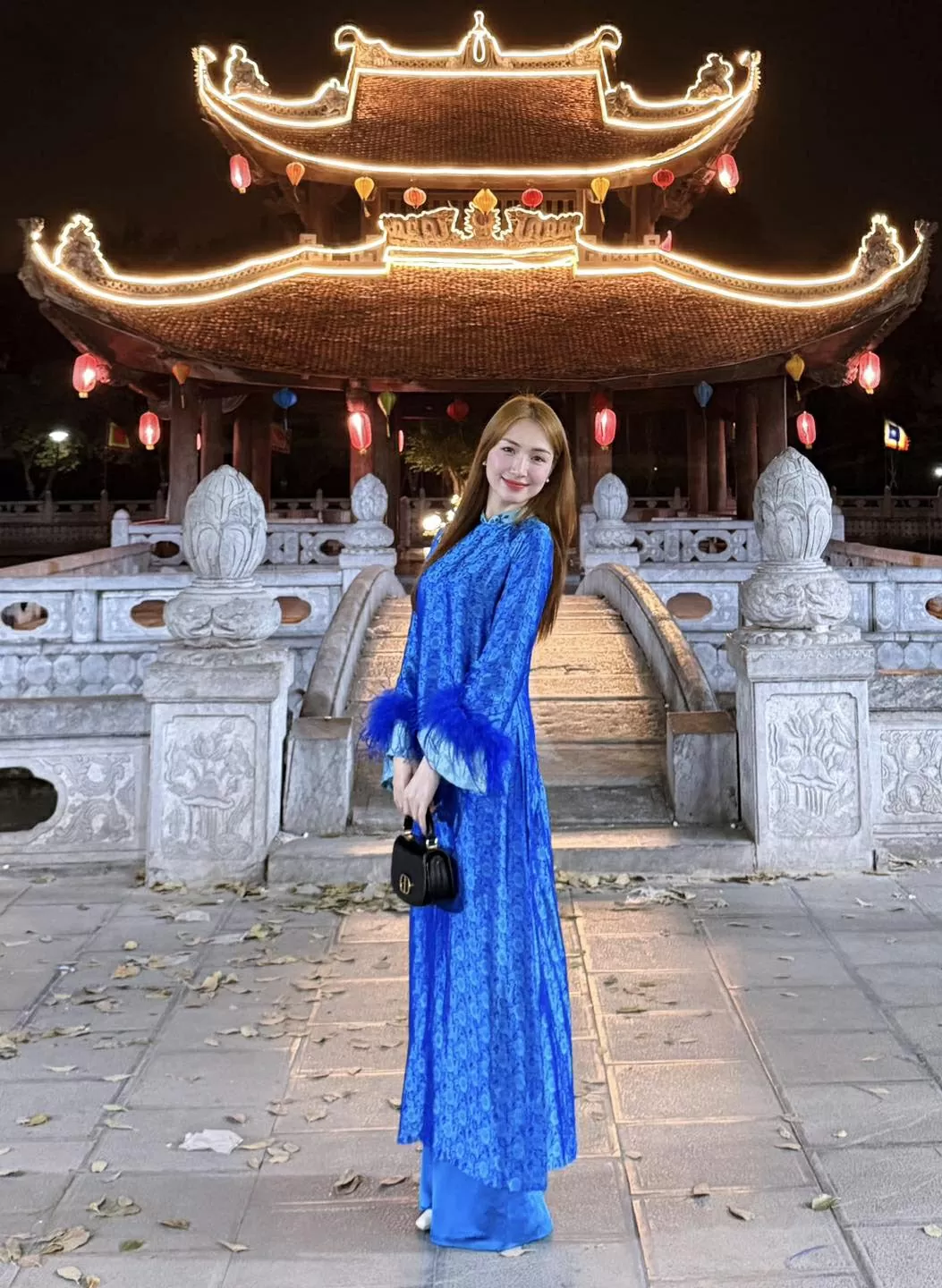 |
| This phenomenon, widely known as “flex di san” (showing off heritage), sees young people photographing, performing, and creating content at historical landmarks, ancient villages, and traditional festivals. |
She noted that heritage check-ins do more than generate likes: they spark curiosity.
To caption a post, users often research the name of a site, its history, or whether it’s a craft village or ancient temple, a process that naturally deepens cultural understanding. Indeed, this mix of tradition and technology is making heritage more vibrant than ever.
When a young person wears an "ao dai" in Hue Imperial City or a dress of ethnic minorities on the Dong Van Stone Plateau in former Ha Giang province (now Tuyen Quang province), it is not just a "check-in" but an act of transmitting culture to thousands of followers on social networks.
Neat photo albums, short clips rich in information about relics, or trends of restoring traditional costumes and traditional musical instruments are strongly and sustainably inspiring the young community.
They breathe new life into cultural spaces that have been forgotten.
Le Dieu Hanh, Director of the 2025 Youth Arts Festival, said the programme intentionally films in heritage-rich locations like Kim Ngan Temple or Quang Dong Assembly Hall, where young performers wear traditional garments.“These videos go viral because they are visually beautiful, culturally authentic, and emotionally resonant,” she explained.
Filmmaker Nguyen Nhu Khoi said that when artists create in heritage spaces, it’s not just a backdrop. It transforms tradition into living, modern art.
But with popularity comes responsibility.
Recent controversies, such as inappropriate behaviour during heritage costume parades, have raised concerns about misunderstandings or a lack of awareness.
Experts stress that while taking photos at cultural sites is welcome, it must be done respectfully.
“Flexing culture is a good thing, but it must come with knowledge and responsibility,” Ly emphasised. She said that heritage is not just a beautiful setting.
It holds history, identity, and spirit.To guide this trend, experts recommend more creative cultural education in schools and stronger links between heritage sites and artists, influencers, and content creators.
Heritage centres are also encouraged to develop codes of conduct and host guided cultural events.
As Vietnam continues to add new entries to UNESCO’s heritage lists, experts believe this youth-led movement can play a key role in preservation if nurtured thoughtfully.“When young people love correctly, heritage will never be forgotten,” Ly said.
With Gen Z and millennials leading the way, Vietnam’s cultural legacy is no longer just something to protect. It becomes part of today's life.
| New milestone in international media cooperation: The World & Vietnam Report partners with The Colombo Times WVR - A Memorandum of Understanding (MoU) was signed between The World & Vietnam Report and The Colombo Times in a virtual ceremony on June ... |
| Vietnam promotes its role as a responsible member of the UNESCO's World Heritage Committee WVR - From July 6-16, at the headquarters of the United Nations Educational, Scientific and Cultural Organization (UNESCO) in Paris, France, the 47th Session of ... |

| Thanh Tri steamed rice rolls craft recognised as national intangible cultural heritage Thanh Tri steamed rice rolls craft recognised as national intangible cultural heritage under the category of folk knowledge and traditional craftsmanship. |
| Promoting cultural heritage: General Secretary's Spouse visits Vietnamese language classes in Russia WVR - On 22 July, at the invitation of the Government of the Russian Federation and the administration of Saint Petersburg, Madame Ngo Phuong Ly, ... |
| Ca Mau Fermented “Ba Khia” Crabs: From Rustic Dish to National Intangible Cultural Heritage WVR - Ca Mau Province, located at the southernmost tip of the country, has long been renowned for its specialties imbued with the waterways and ... |
(Source: VNA)