




Vietnam’s cultural identity in the era of international integration
WVR - Vietnamese cultural identity is not only a spiritual foundation but also a driving force for international integration, affirming the country's position on the global stage.
Latest
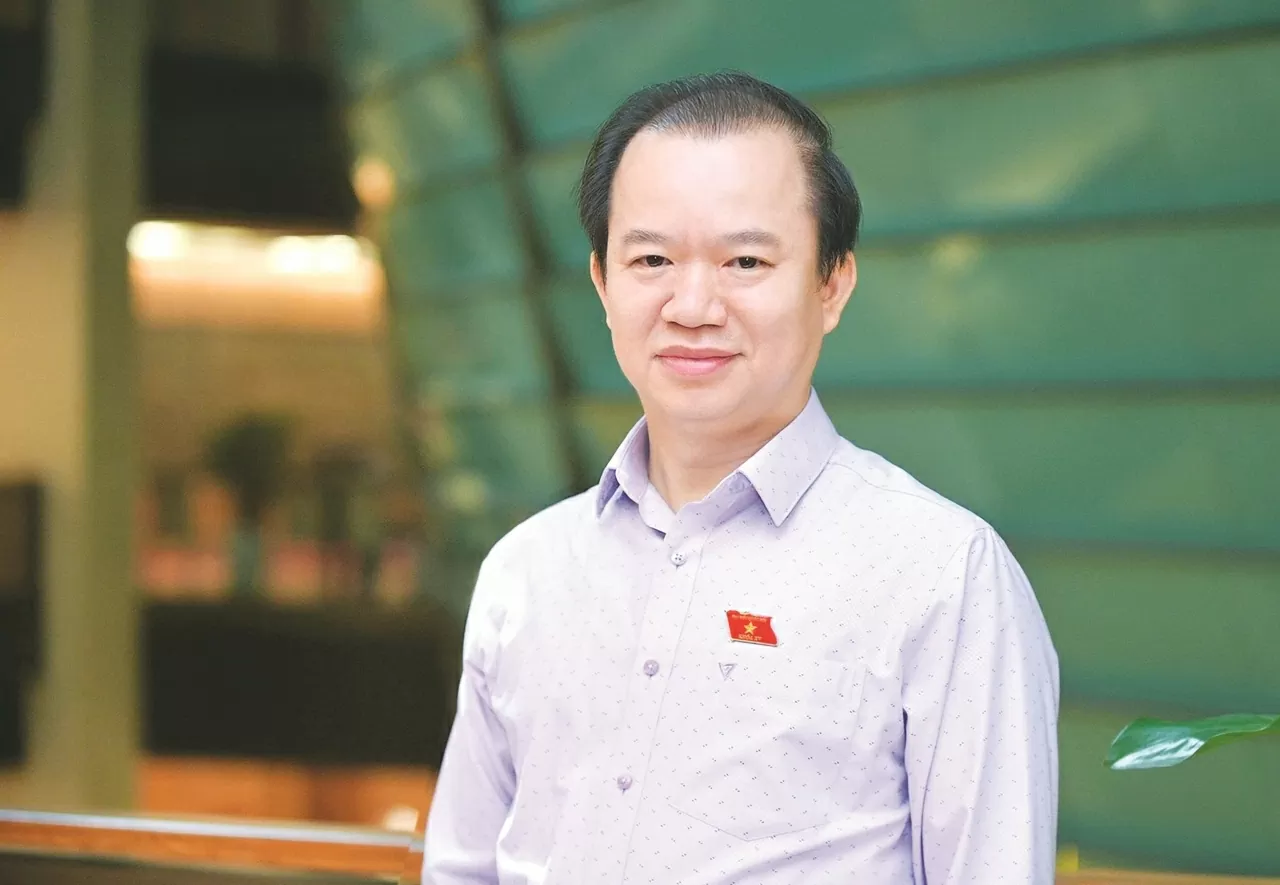 |
| Vietnam’s cultural identity in the era of international integration: National Assembly deputy. Bui Hoai Son. (Source: National Assembly) |
In the context of deepening international integration, where the world is continuously transformed by technology and new values, Vietnam's greatest strength does not lie in its territorial size or material resources, but in its cultural identity. This intangible yet vibrant asset has nurtured the nation through thousands of years of history. Culture is not only a spiritual foundation but also a “soft passport” that brings Vietnam closer to global friends.
Resolution 59-NQ/TW and cultural development strategy
Recently, the spirit of Resolution 59-NQ/TW on comprehensive international integration has deeply permeated various aspects of life. The resolution affirms a new mindset: International integration should not stop at economics or diplomacy but must extend to culture – people, science – technology, education – training, media, and the intangible values of the nation. Culture cannot stand outside the global game; it must be an active participant, a driving force in shaping Vietnam's image in a world full of competition and opportunities.
With that spirit, the recently issued Strategy for the Development of Vietnam's Cultural Industries by 2030, with a vision to 2045, marks a significant turning point: For the first time, Vietnam has clearly identified 10 key cultural industries, 6 focal sectors, and set a target to contribute 7% of GDP, with a growth rate of 10% per year – figures that reflect a strong aspiration for a “creative nation”. This strategy is a statement that culture is not only heritage but also a development driver, a soft power, and the most effective tool for international integration.
I have often encountered beautiful images of Vietnam abroad: A performance of Hue royal court music in the heart of Paris; Vietnamese children learning their mother tongue in a small school in California; a fashion show using Vietnamese silk held during Paris Design Week; or Vietnamese pho and coffee shops becoming culinary symbols in the international community. Each time I witness such scenes, I not only feel proud but also understand that Vietnamese cultural identity is quietly becoming a bridge in the increasingly deep integration context.
Culture makes integration deeper and more sustainable
However, culture does not take root and spread naturally. It needs to be nurtured, protected, and strategically promoted. International integration without identity can lead to cultural assimilation; maintaining identity without the spirit of integration can leave us outside the era's development. Balancing these two aspects is not easy, but Resolution 59 and the Cultural Industries Development Strategy have outlined a clear path, placing culture at the center, creativity as the driving force, and soft power as the approach to the world.
On this path, two major tasks emerge: Preserving national identity from within and promoting Vietnam's image to the world with new, vibrant, and appealing cultural values.
Preserving from within starts with nurturing cultural pride among Vietnamese people. This begins with education: The way culture, history, and heritage are taught in schools must change; children should be brought to museums, heritage sites, and cultural spaces; experiential learning should be encouraged over rote memorization. Culture is not a lesson to memorize but an emotion, a story, a resilience that allows every Vietnamese to go out into the world while retaining their identity.
From within, we must also build a strong creative ecosystem to produce cultural products capable of competing globally. The Cultural Industries Development Strategy has opened a clear direction: Film, music, fashion, design, performing arts, gaming, advertising, handicrafts, cultural tourism… are sectors with great potential to make a Vietnamese mark on the global creative map. But potential only becomes strength with suitable mechanisms: Smart investment policies, tax incentives, cultural and artistic funds, public-private partnership models, international standard innovation, professional standards according to UNESCO, WIPO… A nation strong in cultural industries can be strong in soft power.
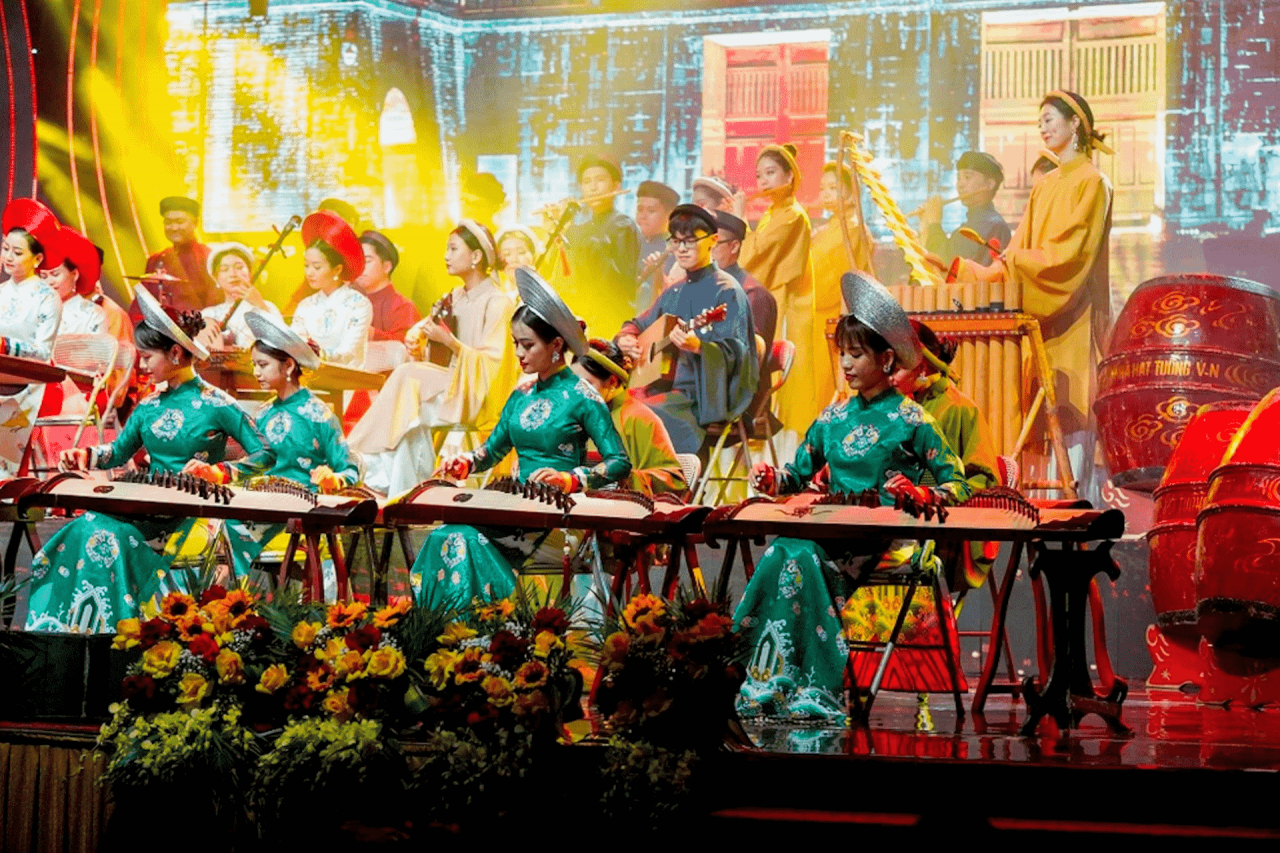 |
| Vietnam has immense potential for cultural development, requiring more contributions from young people. Illustrative photo. (Photo: M.Anh) |
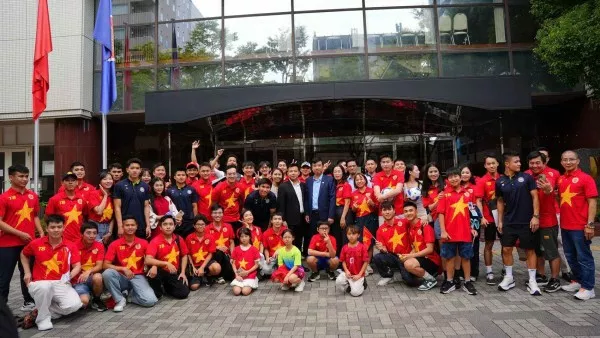
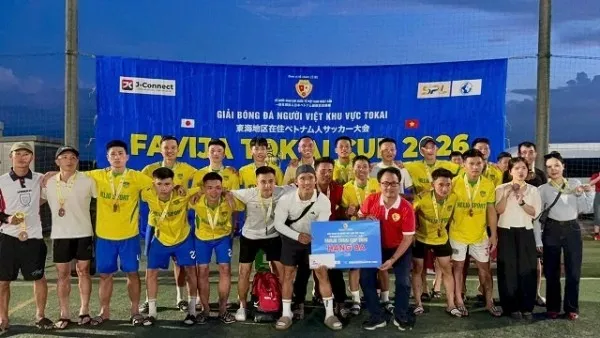
To spread globally, Vietnamese culture needs new “ambassadors”, not just artists or diplomats, but every Vietnamese citizen, especially the nearly 6 million overseas Vietnamese, who carry Vietnamese identity in over 130 countries. They are the embodiment of Vietnamese culture in international life. Resolution 59 emphasizes the role of the Vietnamese community abroad in the cultural integration axis, showing that the Party and State have rightly recognized this valuable resource.
But cultural integration today does not only occur in real life. It happens in the digital space – where borders become blurred. A video about ao dai (long dress) can reach tens of millions, a Vietnamese song can become a global trend, a Vietnamese film can be shown on many international OTT platforms. This spread is only truly effective if accompanied by a strategy to digitize heritage, language, and cultural products, which the Cultural Industries Development Strategy and recent resolutions on cultural digital transformation are aiming for.
Of course, the journey to bring Vietnamese culture to the world is not without challenges. Some values fade due to excessive commercialization. Some traditional elements are trimmed to suit international tastes. Some cultural symbols are misunderstood or misappropriated. But these challenges remind us of the great responsibility: To protect identity with knowledge, legal frameworks, media, and by telling the Vietnamese story in our own voice, authentically, humanely, and creatively.
Most importantly, in my opinion, is confidence. Vietnam has never had the position it holds today: A stable, dynamic, creative country; a globally connected Vietnamese community; a culture with depth; a nation eager to contribute more to the world. When confident in our identity, we do not fear integration; when confident in our creative capacity, we do not fear competition; when confident in our open cultural values, we can step into the world with the posture of a cultured, humane, and modern nation.
What moves me most when standing in another country is seeing the image of Vietnam, not just as personal pride. It is the feeling that our nation is truly present, being heard, being respected. A country with a rich cultural heritage, with resilient spirit, with unique identity, now raising its voice more strongly in the international community.
International integration, if it has a “soul”, is culture. Because culture makes integration deeper, more humane, more sustainable. When culture becomes a development driver as the spirit of the Cultural Industries Development Strategy and Resolution 59 has set out, the path to bring Vietnam to the world is no longer a distant future story, but a journey we are on every day, with the pride, intellect, and aspirations of our nation.