


Deputy FM Nguyen Minh Hang chairs meeting on enhancing economic diplomacy to foster growth momentum after 14th National Party Congress
WVR - On March 2, Deputy Foreign Minister Nguyen Minh Hang chaired a meeting to implement the first quarter tasks of 2026 for the Economic Diplomacy Steering Committee of the Ministry of Foreign Affairs. The meeting was attended by leaders of member units of the Economic Diplomacy Steering Committee and appointed Ambassadors.
Latest
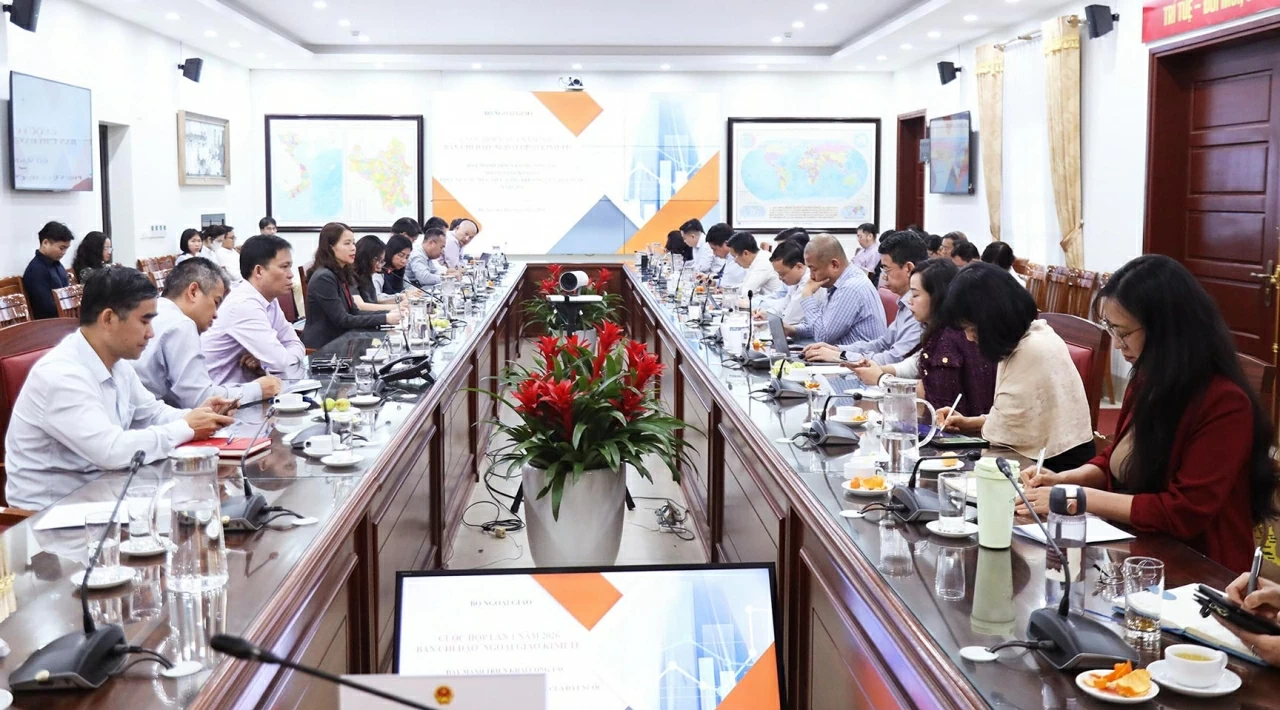 |
| Overview of the first 2026 meeting of the Economic Diplomacy Steering Committee. (Photo: Thanh Long) |
The meeting took place in a strategically significant context, marking the first year of implementing the 14th Party Congress Resolution and the 2026-2030 socio-economic development plan. This initial phase aims to establish a development model and a long-term growth trajectory for the nation, aligning with the two strategic centennial goals. The 14th Party Congress Resolution also emphasizes the need for foreign relations and international integration to play a pioneering and innovative role, being a "key, regular" task and "intensifying the comprehensive foreign policy strategy at a new level".
The new context and expectations set forth new tasks and requirements, demanding that diplomacy for development, including economic diplomacy and science and technology diplomacy, must innovate, be creative, and make breakthroughs to create, connect, and transform into tangible, substantive results.
Accordingly, economic diplomacy in 2026 must clearly define its focal points and priorities in line with the spirit of the "06 clear", concretizing the Party and State's viewpoints, guidelines, and policies, as well as major commitments by leaders regarding economic diplomacy. It must maximize external resources and favourable conditions to contribute to socio-economic development, particularly the goal of achieving double-digit growth post-14th National Party Congress.
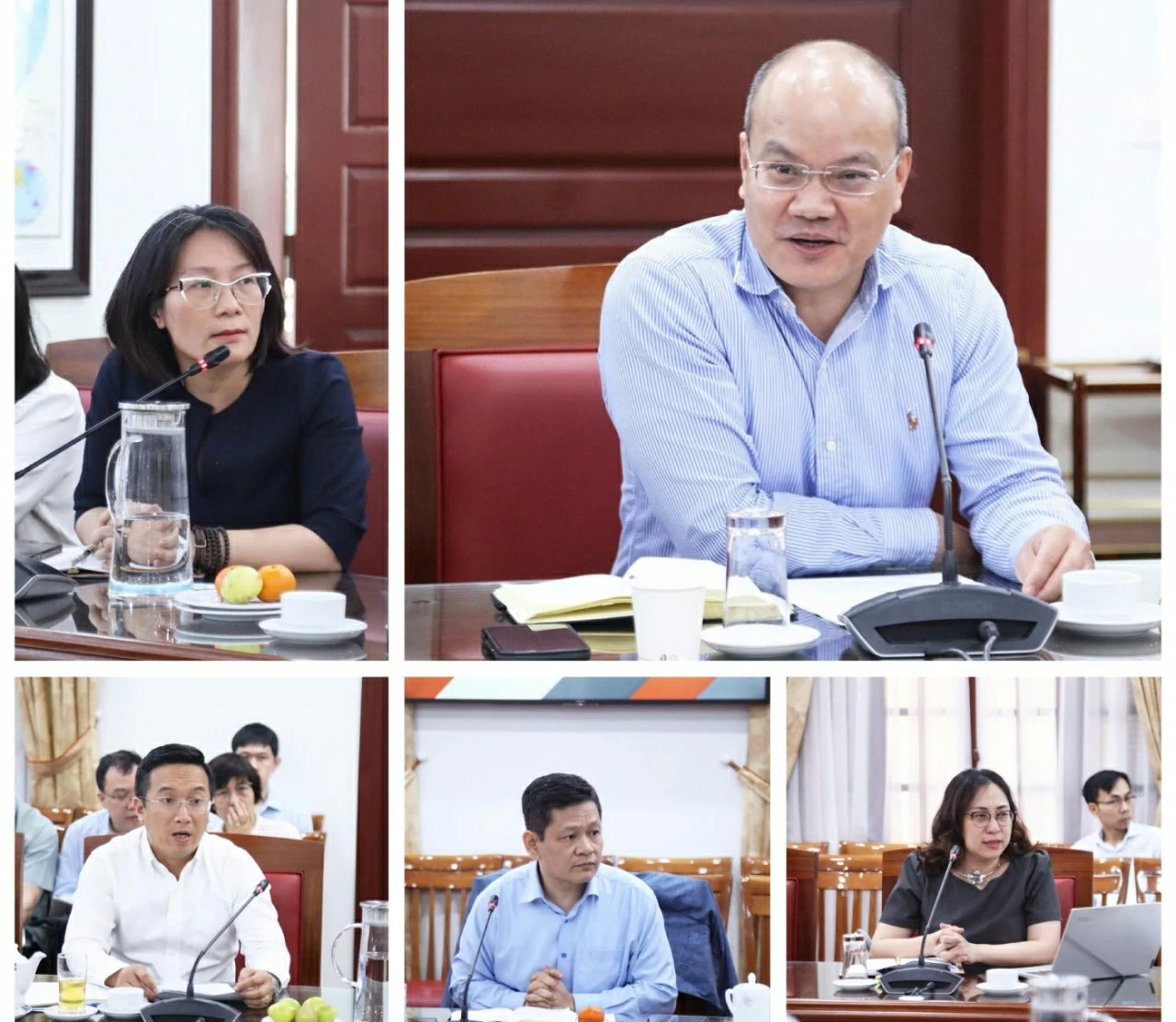 |
| Representatives from units share their opinions at the meeting. (Photo: Thanh Long) |
During the meeting, units proposed key tasks for 2026, reviewed major commitments on economic diplomacy, and suggested new solutions and approaches to create breakthroughs in the coming period. The meeting also discussed the role and support methods of the Ministry of Foreign Affairs and Vietnamese representative agencies abroad in enhancing businesses' adaptability in the new situation, effectively participating in strategic partnerships in science and technology, promoting product branding, and strengthening advisory and research work in connecting and diversifying markets, industries, fields, and new cooperation frameworks.
Regarding the implementation of new Party viewpoints and guidelines, State policies, especially the orientations of the 14th National Party Congress, Party, National Assembly, and Government resolutions, including Politburo Resolution 59, National Assembly Resolution 250 on international integration, Resolution 57-NQ/TW on science and technology development, innovation, and digital transformation, Resolution 68-NQ/TW on private economic development, and Resolution 79-NQ/TW on state economic development, all opinions emphasized the new requirements for foreign affairs to proactively play a pioneering role, seizing maximum external resources and favorable conditions, and further expanding the network of cooperative relations not only with traditional partners such as nations and organizations but also with partners that the country seeks to promote, such as major technology corporations, especially emerging technologies.
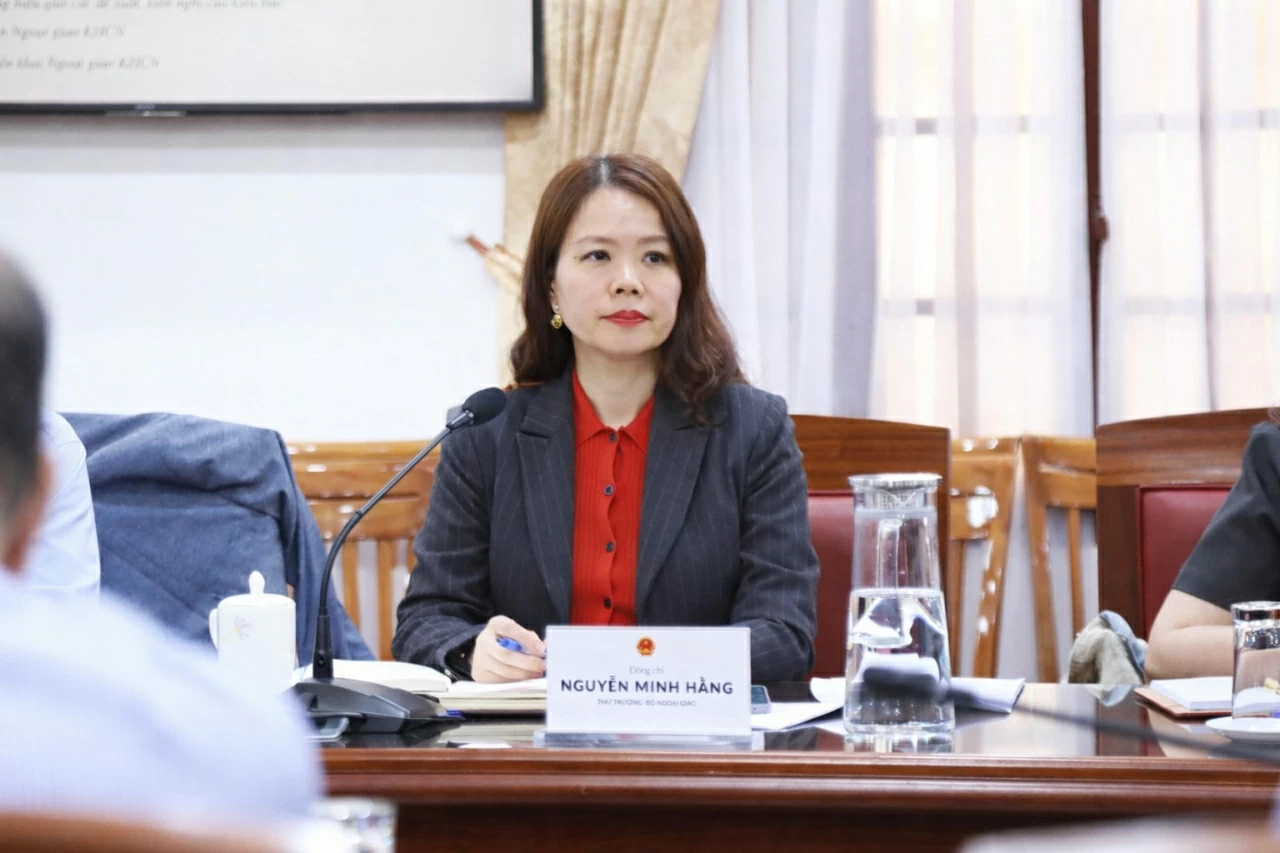 |
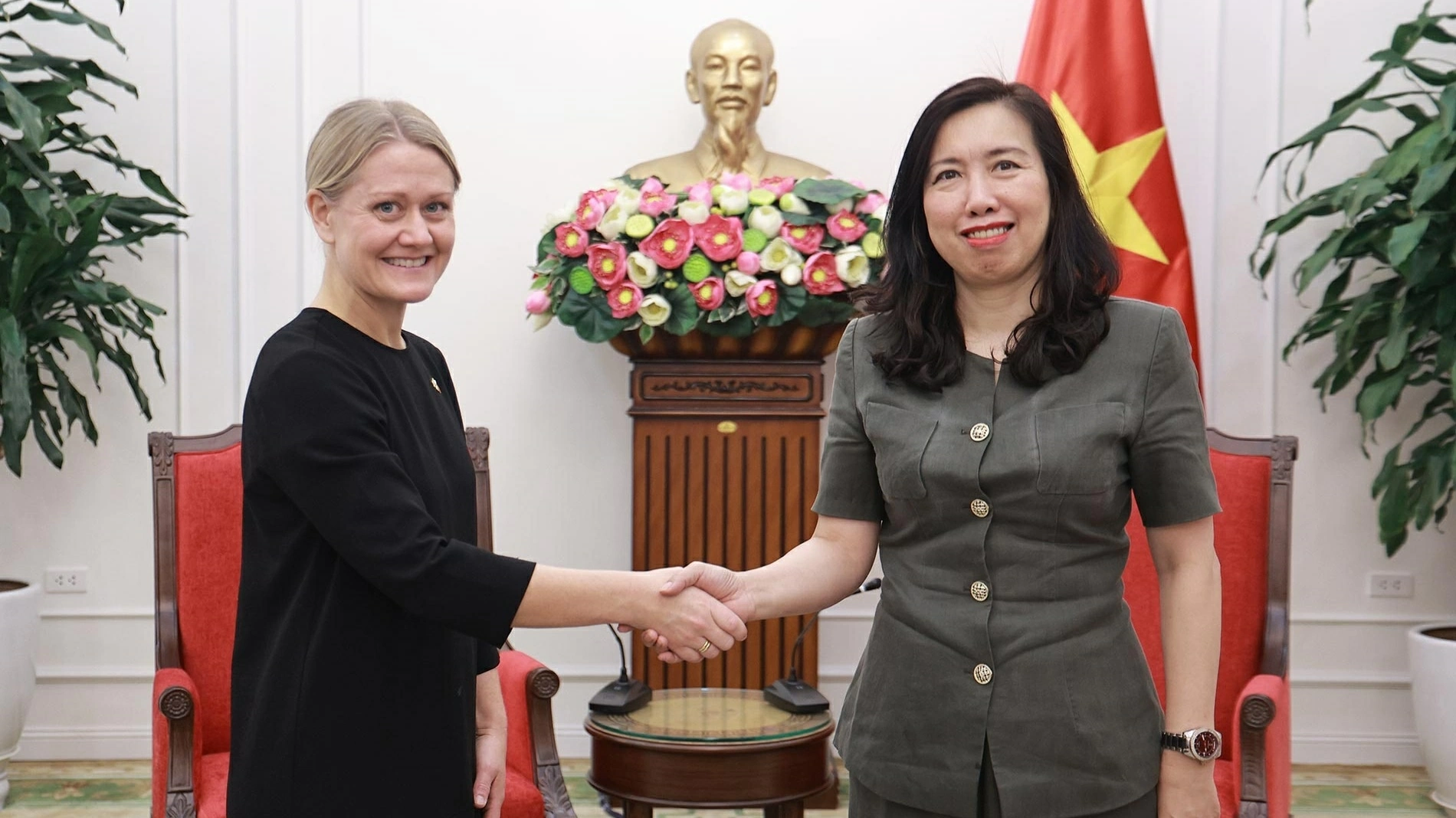
| Deputy Foreign Minister Nguyen Minh Hang delivers directives at the meeting. (Photo: Thanh Long) |
Based on the discussions at the meeting, Deputy Foreign Minister Nguyen Minh Hang instructed the Standing Committee of the Steering Committee to coordinate with units to clearly identify key tasks for the second quarter and the entire year of 2026. She emphasized the need for innovative approaches with new thinking, deep understanding of issues, thorough implementation, and specific output results.
In the coming period, the Deputy Foreign Minister suggested organizing in-depth working sessions to enhance trade promotion, export, investment, and product branding. She also recommended increasing the organization of regular briefings with the participation of ministries, sectors, localities, associations, and businesses to exchange information, review international commitments, and focus on resolving difficulties to contribute to achieving growth targets.