


Vietnamese Diplomacy: Core of a new generation of diplomats
WVR - In a multi-variable environment, the demands on Vietnamese diplomats are rising, requiring strong foundational knowledge, values, professional competence, and adaptability.
Latest
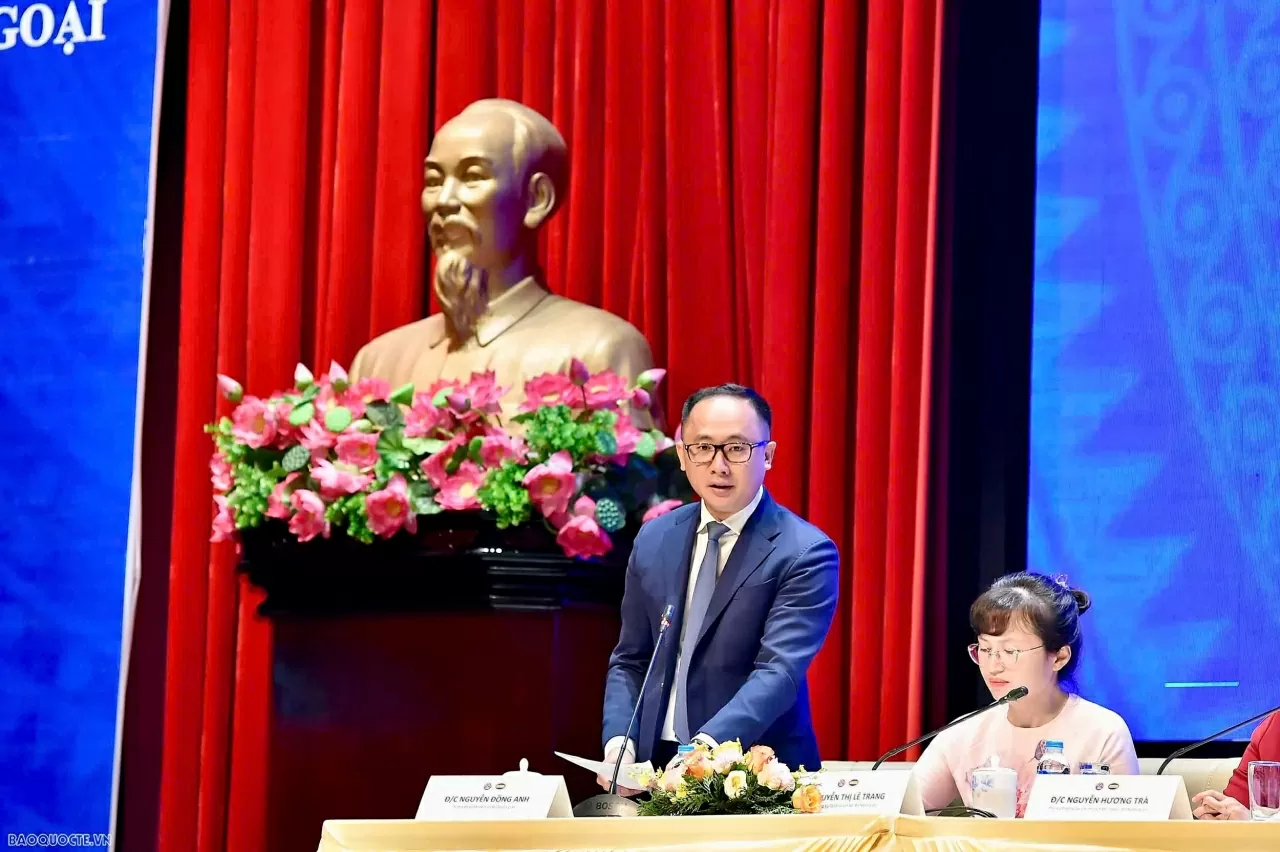 |
| Dr. Nguyen Dong Anh expressed his belief that diplomats must embody multiple elements in the new era. (Photo: Courtesy of the author) |
Dr. Nguyen Dong Anh, Deputy Head of the Department of Communication and International Culture, Diplomatic Academy, Secretary of the Youth Union of the Ministry of Foreign Affairs, shared with the World and Vietnam Report on the occasion of the 80th anniversary of the establishment of the Vietnamese diplomatic sector.
Core foundations in a "multi-variable" world
What are the new requirements for the Vietnamese diplomatic corps in the context of unpredictable international dynamics?
Today’s world operates in a "multi-variable" state: Strategic competition among major powers intertwines with geo-economic fragmentation, prolonged local conflicts, risks in supply chains, energy, and food, along with non-traditional challenges such as climate change, pandemics, cybersecurity, misinformation, and fake news. In this context, the demands on the Vietnamese diplomatic corps are increasingly high, encompassing strong foundational knowledge, values, professional competence, and adaptability.
Firstly, and most importantly, each diplomat must possess firm political mettle and steadfast national interests. While principles remain unchanged, the application must be flexible and creative, based on international law and friendly relations, cooperation, and mutual development.
Secondly, elevate strategic thinking and implementation capabilities: Understand regional and global structures, grasp competitive and cooperative dynamics among entities, forecast scenarios, identify leverage points, and determine the timing for appropriate advice and decisions.
Thirdly, enhance multilateral and interdisciplinary capabilities. Diplomacy today cannot be separated from economics, science, technology, culture, environment, and non-traditional security issues. Diplomats need systematic thinking, seeing the overall picture, and being able to "see through" and delve into each pillar when necessary.
Fourthly, strategic communication and public diplomacy capabilities should be developed. In the digital age, the national image, brand, and the ability to mobilize international participation and empathy largely depend on how we tell Vietnam’s story authentically and convincingly, based on data and vivid evidence.
Finally, be resilient, steadfast yet flexible with the ability to "respond quickly – recover quickly – sustainably adapt" to all changes, continuously learning, conducting scientific research tirelessly, and innovating in work methods.
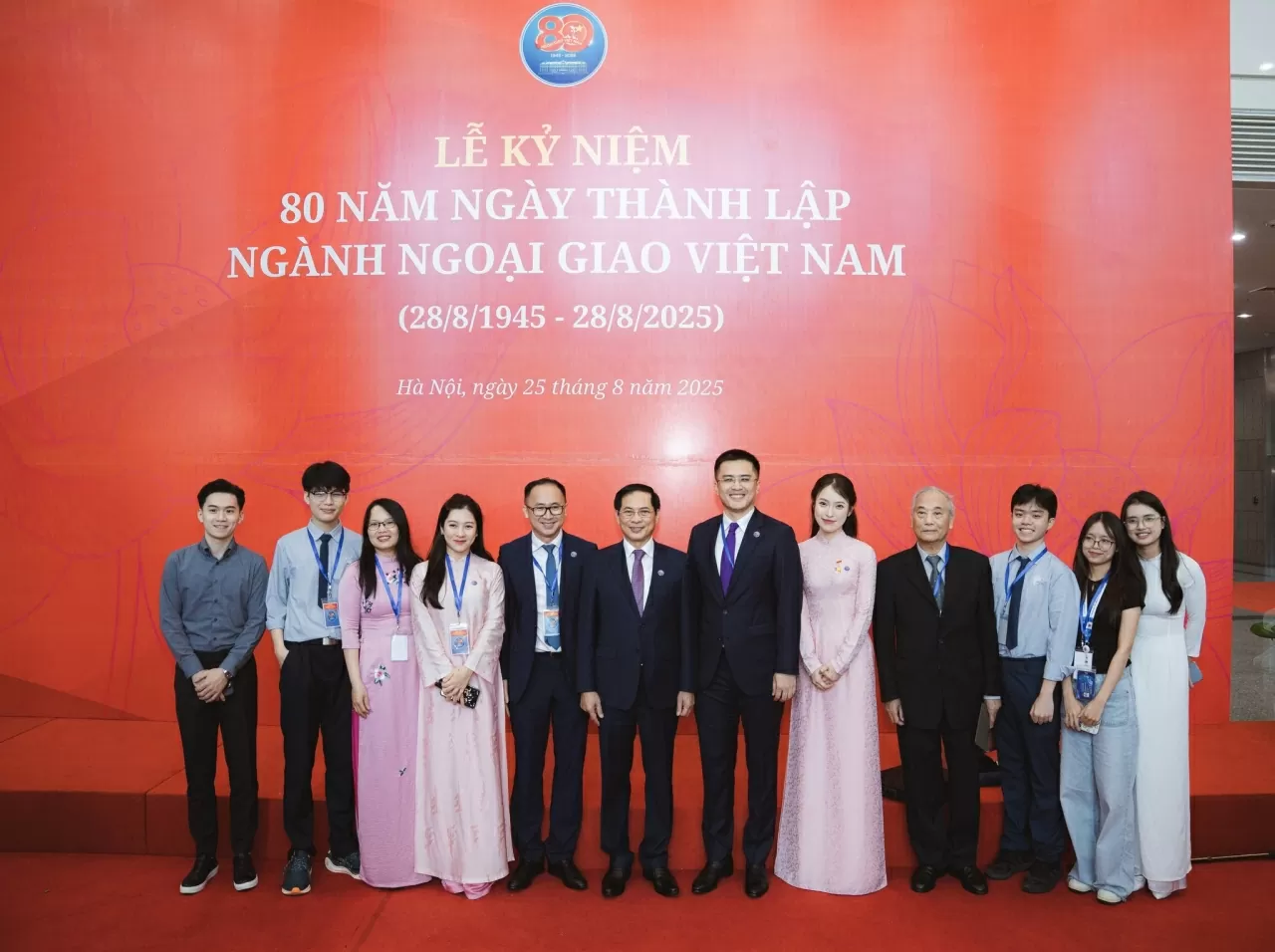 |
| Deputy Prime Minister and Foreign Minister Bui Thanh Son took a group photo with Diplomats and students from the Diplomatic Academy (Photo: Khanh Vy) |
What are the core knowledge and skills that a new generation of diplomats needs to be equipped with, beyond the traditional political – foreign affairs foundation?
In my view, a new generation diplomat must possess a multidisciplinary knowledge base, continuously updated: international economics, trade-investment, finance, supply chains; international law and institutions; international communication, global issues; science–technology; particularly culture, society, with a deep understanding of the country, people, national identity, and social psychology factors.
Secondly, equip with an integrated "hard-soft" skills set: Negotiation, consensus-building in both bilateral and multilateral contexts; Analysis, forecasting based on evidence, utilizing data, open knowledge sources, and modern analytical tools; Strategic writing and speaking such as concise, clear, accurate writing, persuasive presentations, lively and practical policy storytelling; Crisis management and communication management during crises; digital skills, working on digital platforms, understanding digital audiences, algorithms, and the logic of information distribution on both mainstream and social media; Design thinking and innovation, not afraid to experiment, learning quickly from controlled mistakes.
Thirdly, I need to be proficient in at least one foreign language at a professional level, and I can work in a second foreign language. Here, foreign language proficiency is not just about communication but the ability to understand, analyze, argue, and negotiate in a foreign language.
Fourthly, lifelong learning capability and personal knowledge management, choosing reliable sources, building bibliographies, note-taking, and data-driven knowledge for work.
Develop strategic thinking and situational reflexes.
How should the training of diplomats be innovated to not only meet professional requirements but also cultivate strategic thinking and adaptability to unexpected situations on the international stage?
The core of training innovation is shifting from knowledge transmission to developing individual capabilities and qualities. To achieve this, training can consider several key proposals. Firstly, design programs based on competency outcomes. Strategic thinking, policy analysis, negotiation, strategic communication, crisis management, and public service integrity.
The 70–20–10 model: 70% learning through work and real projects, 20% through mentoring–coaching, 10% through formal classroom learning. Enhance learning through simulated situations such as agreement negotiations, emergency press conferences, consular crisis management, and misinformation response. Research, build, communicate foreign policy, advisory skills, conference hosting skills, drafting techniques for cables and notes, protocol, intercultural communication, digital diplomacy skills… Additionally, emphasise academic honesty, combat "polishing" achievements; encourage public service improvement initiatives; offer timely rewards; and implement strict discipline.
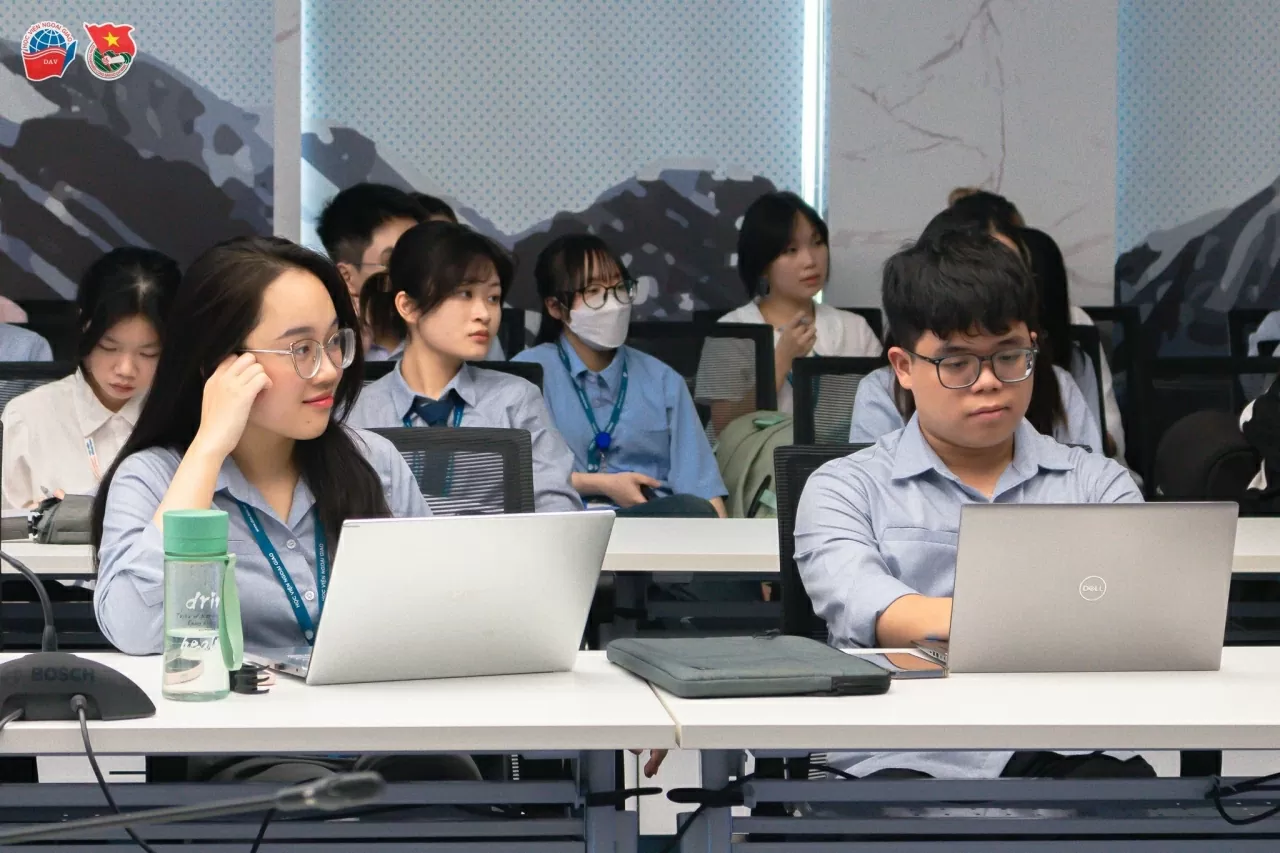 |
| A new generation of diplomats must possess a multidisciplinary knowledge base that is continuously updated. (Source: DAV) |
Could you share your perspective on the role of technology, artificial intelligence (AI)… in diplomatic activities, and how training should integrate these elements?
Technology and AI do not replace diplomats, but they are "capability amplifiers" if we understand and use them correctly.
AI assists in data analysis and forecasting: Aggregating open and standard data sources, identifying trends, mapping network entities, and detecting anomalies. This helps shorten information processing time, freeing resources for strategic thinking. However, AI cannot replace political, cultural, and legal judgments. Training programs should emphasize "read carefully – understand deeply – make responsible decisions", avoiding dependence on AI or any other technology.
Simultaneously, use AI for digital diplomacy and listening: Utilise digital platforms to communicate policies, spread Vietnam’s story, while monitoring public opinion, identifying and addressing misinformation, enhancing society’s resilience against information manipulation, and preventing harmful, fake, and false news. It is necessary to incorporate training on information classification, security, privacy, digital safety, procedures for using digital tools in public service, and technology risk management.
Design an "AI literacy for diplomats" program: Understand AI principles, capabilities, and limitations; ethics – legality; task skills within procedural frameworks, cross-checking, traceability – accountability standards. Personalize learning through technology: Learning management systems, digital learning materials, interactive scenario libraries; thereby enhancing self-learning efficiency and continuous training.
The focus is on establishing a "safe zone" and procedural protocols when applying AI in public service. Delegation, source verification, multi-source validation, multi-level approval, encryption of sensitive data to ensure safety, efficiency, and public service ethics, and avoiding dependence on AI or any technology platform we do not entirely control.
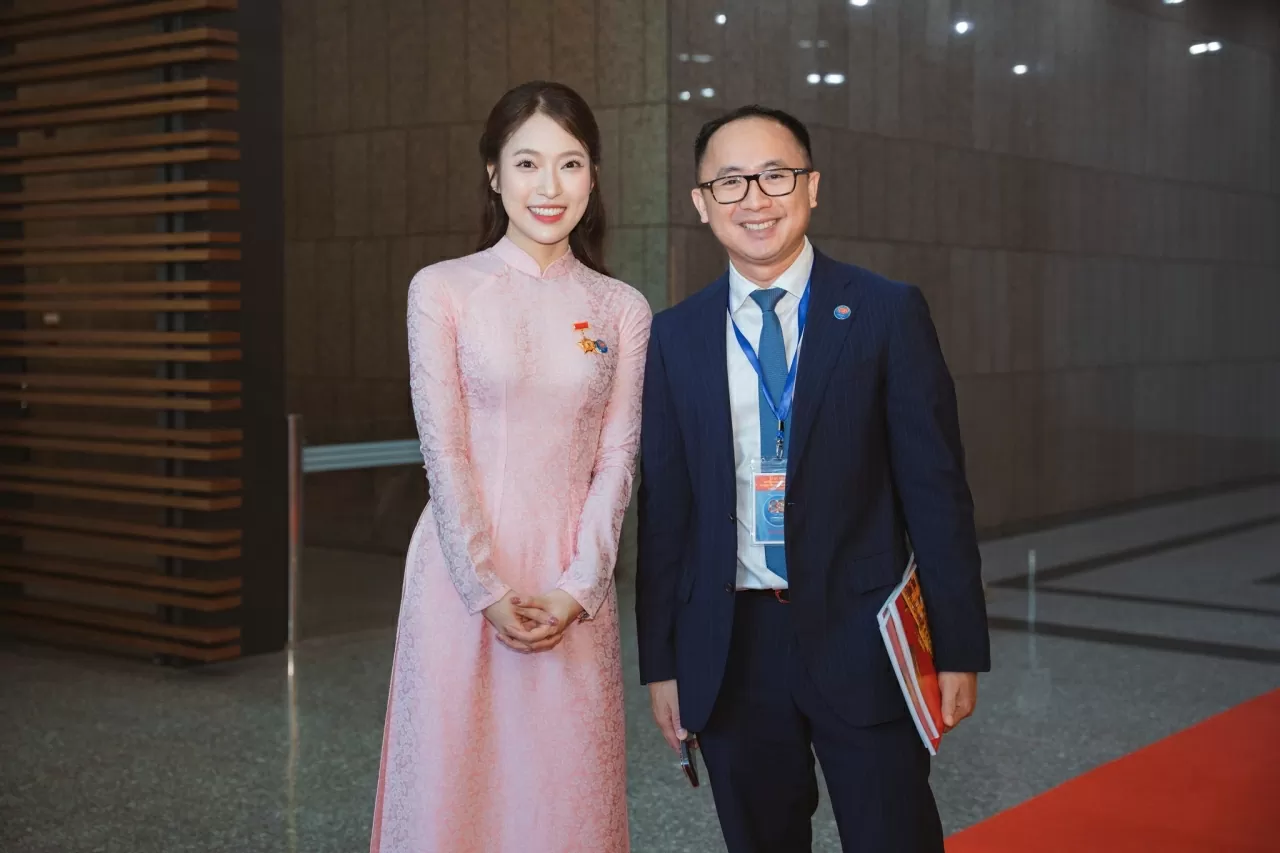 |
| Dr. Nguyen Dong Anh and MC Khanh Vy. (Photo: Khanh Vy) |
Responsibility to the nation
Beyond knowledge and skills, how should professional ethics and responsibility to the nation be cultivated in the journey of a young diplomat?
Public service ethics and political mettle are the core of a diplomat. In all circumstances, national interests are always the guiding principle, the beacon. Training and nurturing diplomats should simultaneously build three layers of values.
Firstly, core values include loyalty, dedication, integrity, discipline, exemplarity, respect for international law, and the value of peace, cooperation, and development.
Secondly, ethical capabilities include identifying and handling conflicts of interest, speaking the truth, acting genuinely, taking full responsibility for one’s decisions, and knowing when to refuse what is against principles, even if it offers short-term benefits.
Thirdly, responsibility in communication and cultural exchange on digital platforms: Speaking cautiously, respecting state secrets, not allowing "digital life" to damage the organization’s reputation, and behaving appropriately on social media.
Besides, attention should be paid to mental health and resilience. Diplomatic work is often stressful, time-pressured, and high-intensity. Building an organisational culture based on openness, learning, and accountability: encouraging constructive criticism; learning from previous generations; creating opportunities for the younger generation to try, dare to think, dare to do, dare to take responsibility; linking training with utilisation and advancement based on real qualities and capabilities.
When the root values are solid, combined with modern knowledge, skills, and technology, we can trust in a generation of diplomats who are "both virtuous and talented": Steadfast, alert, humane, effective, ready to undertake missions in the new era.
In summary, training diplomats in the new era is a comprehensive effort that is standardised and modernised; it preserves the core and innovates, develops individuals and creates a knowledge and technology ecosystem. It is a continuous journey for each diplomat today to be worthy of the sector’s glorious tradition, while being capable of positively contributing to the peace, cooperation, and development of the country and the international community.