



Vietnam participates actively, proactively, and responsibly in the 61st session of the UNHRC: Ambassador Mai Phan Dung
WVR - At the 61st Session of the United Nations Human Rights Council (UNHRC), Vietnam not only participated broadly but also contributed deeply through specific, constructive initiatives that received support from many partners.
Latest
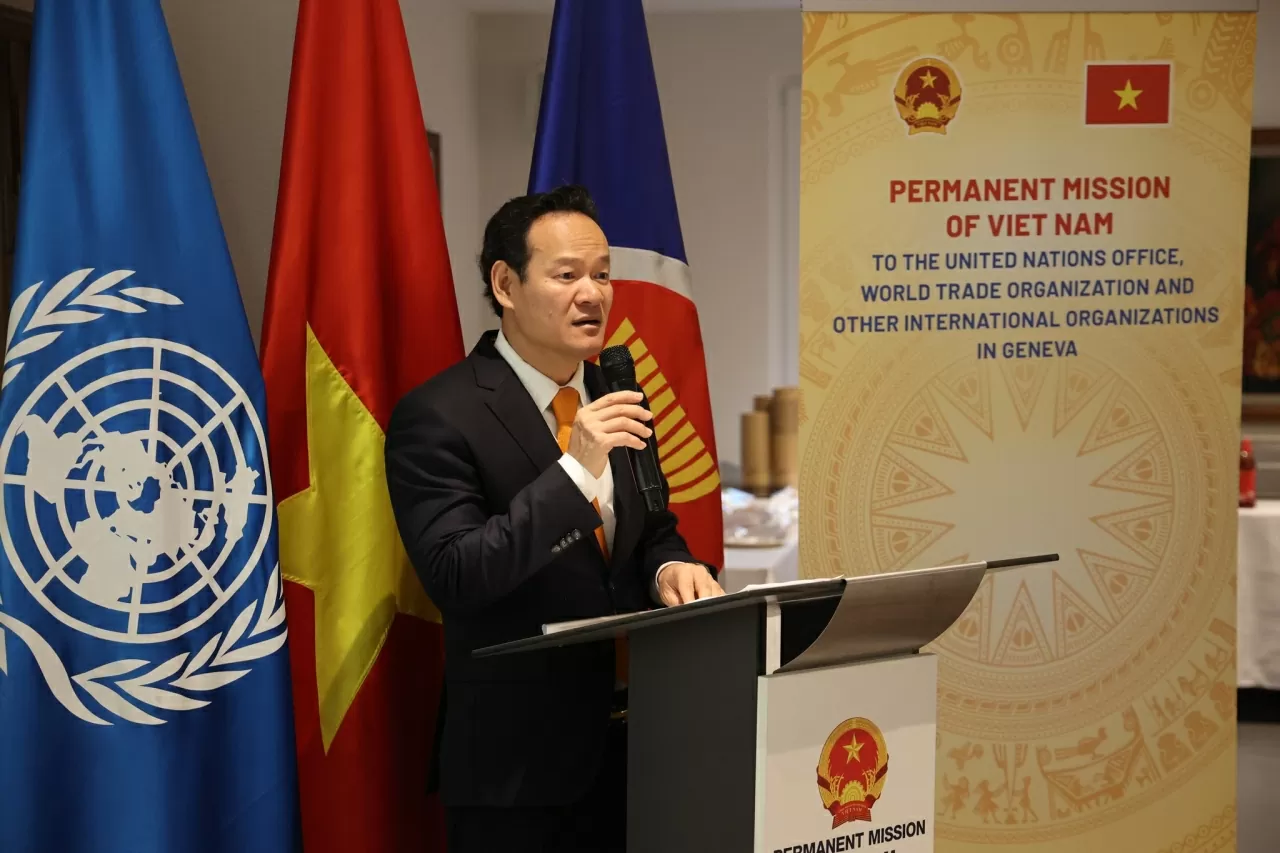 |
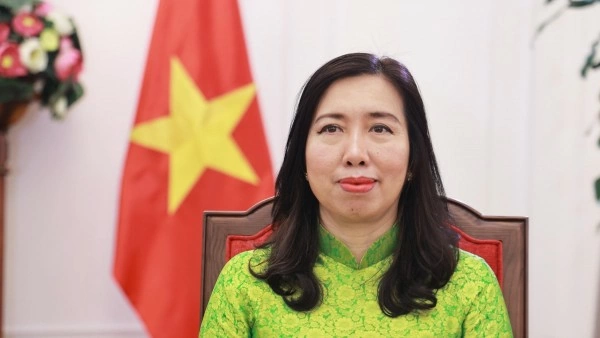
| Vietnam participates actively, proactively, and responsibly in the 61st session of the UNHRC: Ambassador Mai Phan Dung, Head of the Permanent Mission of Vietnam to the United Nations, the World Trade Organization (WTO), and other international organizations in Geneva, Switzerland. (Source: Vietnam Mission in Geneva) |
At the end of March 2026, the final session took place at the UN Office in Geneva, Switzerland, concluding the 61st regular session of the UNHRC, marking Vietnam's active participation and practical contributions. On this occasion, Ambassador Mai Phan Dung, Head of the Permanent Mission of Vietnam to the United Nations, the World Trade Organization (WTO), and other international organizations in Geneva (Switzerland), gave an interview to The World & Vietnam Report about the significance of the session and Vietnam's imprint there.
Ambassador, could you evaluate the significance of the 61st Session of the UNHRC, especially given the current global context of many upheavals and conflicts?
In my opinion, the greatest significance of the 61st Session of the UNHRC lies in the fact that it took place during a particularly unstable period globally, with prolonged conflicts in many regions, increasing polarization, and challenges to trust in multilateral institutions, while humanitarian, development, and security issues are becoming increasingly intertwined.
In this context, the continued meeting of the UNHRC with broad participation from member countries and stakeholders demonstrated that the international community still regards this as an important forum for exchange, seeking common ground, and affirming the fundamental principles of international law.
Through speeches by UN leaders, member states, and international organizations in Geneva over the five-week session, I clearly sensed a consistent message: in a world of many upheavals, human rights cannot be viewed as a secondary issue or sidelined but must continue to be at the center of efforts to maintain peace, respond to crises, and promote sustainable development.
Beyond that, what stood out in this session is that despite the world's many differences in interests, approaches, and priorities, human rights continue to be recognized as a common ideal of humanity, a meeting point of values, and a shared aspiration towards dignity, justice, and a better life for all.
Therefore, the 61st Session was not just a regular meeting of the Council but also served as an occasion for the international community to reflect on whether we still have the determination to protect the standards we have built together.
Another noteworthy significance of this session is the reaffirmation of the inseparable link between peace, security, development, and human rights. The current reality shows that where conflicts persist, human rights suffer more severely; where international standards are disregarded, the space for dialogue and cooperation also shrinks.
Thus, the 61st Session serves as a reminder that to address the root causes of current crises, the international community needs a more comprehensive approach, in which respect for human rights and international law must be part of the solution.
From this perspective, the 61st Session of the UNHRC reaffirms that, especially in times of global instability, the international community needs to persist in dialogue, cooperation, and common standards. In the current context, maintaining a serious multilateral forum, where the most difficult issues are still discussed based on international law, is already an important message.
And in my view, that is the outstanding value of this session in today's global context.
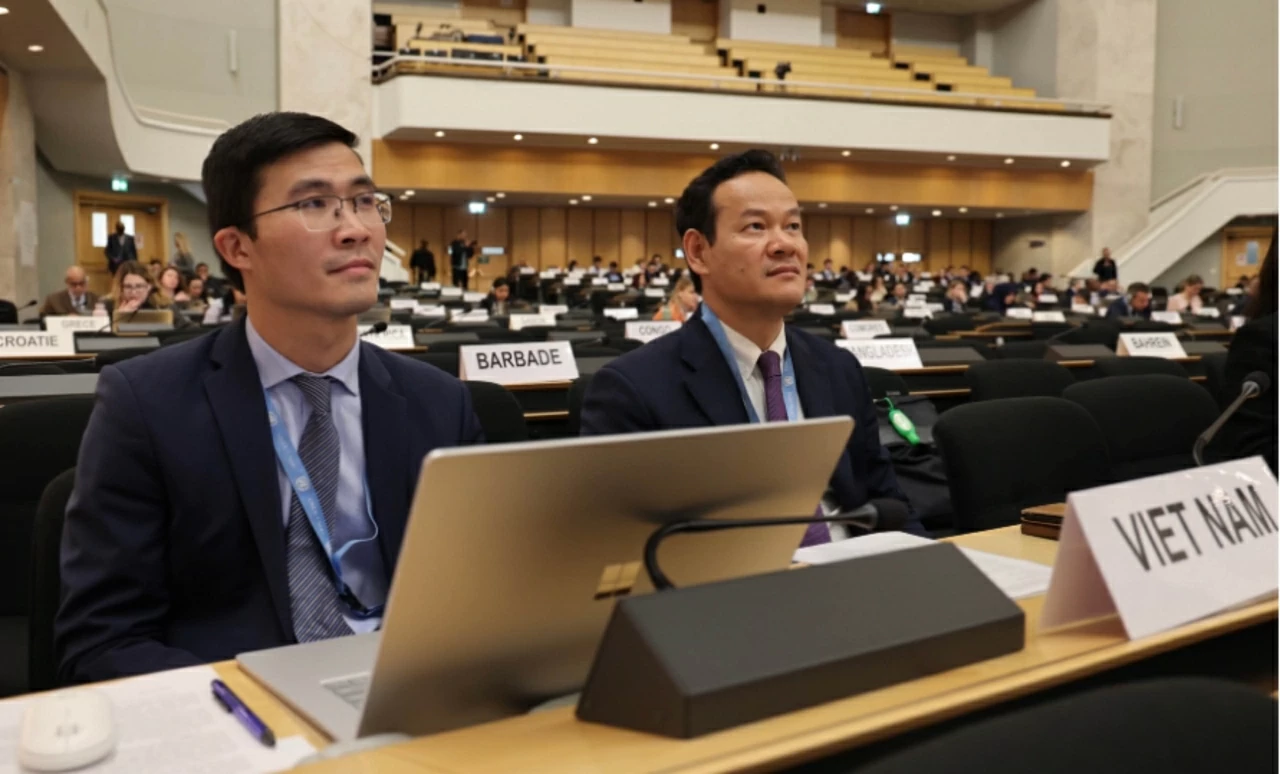 |
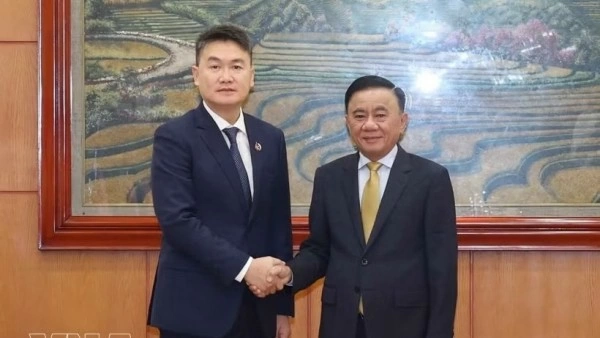
| Ambassador Mai Phan Dung (right) leading the Vietnamese delegation at the High-Level Segment and the entire 61st Session of the United Nations Human Rights Council. (Source: VNA |
Ambassador, looking back at the recently concluded 61st Session of the UNHRC, what notable participation and contributions did Vietnam make, and what is the significance of these contributions for Vietnam's role and position at this forum?
At the 61st Session of the UNHRC, Vietnam participated very actively, proactively, and responsibly. Vietnam not only fully engaged in the consultation process for the session's resolutions but also spoke at many important discussions and dialogues on political, economic, social, and cultural rights, the rights of vulnerable groups, as well as some emerging human rights challenges. Notably, Vietnam not only participated broadly but also contributed deeply through specific, constructive initiatives that received support from many partners.
The most prominent highlight is that Vietnam developed and presented a Joint Statement on promoting the implementation of the Sustainable Development Goals to enhance gender equality, co-sponsored by 67 countries from all continents. The statement emphasized the need to accelerate the implementation of the SDGs, ensuring the equal participation of women and girls in decision-making processes, in science, technology, digital transformation, as well as in peace and security processes, while increasing financial resources for gender equality. This shows that the priorities Vietnam promotes have received wide agreement and support from the international community.
Additionally, Vietnam also led the development of the ASEAN Joint Statement at the Discussion on Financing for Sustainable Development linked to economic, social, and cultural rights. This content is practically significant because, to ensure human rights, especially rights to health, education, social security, and the right to development, sufficient resources and a fairer, more effective international financial structure are needed. Through this, Vietnam continues to affirm its consistent approach of promoting human rights linked to sustainable and inclusive development.
Another notable contribution is Vietnam co-chairing an international dialogue with the Republic of Korea, Japan, Thailand, Australia, and the UK on the impact of online fraud on human rights. At this event, Vietnam shared its experience in responding across four aspects: improving legislation, enhancing enforcement capacity, strengthening communication to raise awareness, and boosting international cooperation. The practice in Vietnam shows that these efforts have yielded initial results, with the rate of online fraud victims decreasing from 0.45% in 2024 to 0.18% in 2025.
Overall, Vietnam's contributions at the 61st Session have significance in three aspects. First, it affirms that Vietnam is an active, responsible member participating substantively in the common work of the Human Rights Council. Second, Vietnam has put forward initiatives and approaches that have received broad support, especially in the fields of gender equality, sustainable development, and addressing emerging challenges. Third, these results continue to enhance Vietnam's reputation and position at multilateral forums on human rights, while laying the foundation for Vietnam to continue making substantive contributions as a member of the Human Rights Council for the 2026-2028 term.
Thank you very much, Ambassador!
(Source: Vietnamese Mission in Geneva)