




National Assembly election 2026: Expectations for a responsible and action-oriented term
WVR - The greatest value of each election lies in the voters' ballots. Each ballot is not only a constitutional right but also a conveyance of trust, responsibility, and aspirations for a better future for the country.
Latest
The election of the 16th National Assembly and the People's Councils at all levels for the 2026–2031 term takes place in a special context for the country: as Vietnam enters a new development phase with strong demands for institutional reform, governance, and the quality of leadership human resources.
Adjustments in the timing of the election, the push for technology application in election management, and the increasing expectations of voters for the quality of representatives highlight a clear spirit of renewal. This election is not just a significant political event in the cycle; it also signifies the beginning of a phase to enhance the quality of representation in state power bodies, ensuring each ballot truly becomes a conveyance of the people's trust and development aspirations.
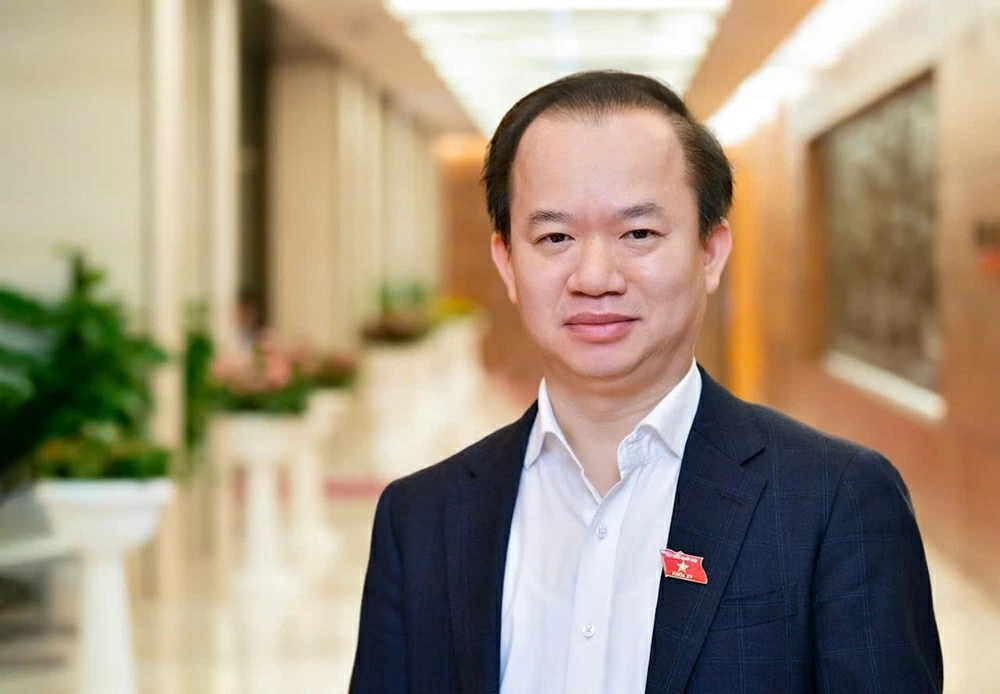 |
| NA Representative Bui Hoai Son. (Source: National Assembly) |
Proactive spirit and the need to enhance governance efficiency
One notable feature of the 16th National Assembly and People's Councils election for the 2026–2031 term is that it is scheduled about two months earlier than previous terms, with some steps in the election preparation process shortened. On the surface, this may seem like a technical adjustment. However, on a deeper level, these changes clearly reflect the spirit of governance reform in the organization of the state apparatus and political activities.
In the context of the country's need for faster and stronger development, holding the election earlier will help elected bodies stabilize their organization sooner and quickly adapt to the tasks of the new term. This is particularly significant as the 16th National Assembly is expected to undertake major tasks: continuing to perfect the legal system, promoting institutional reform, and laying the foundation for the country's new development phase by 2030 with a vision to 2045.
Moreover, shortening the time for some steps in the election process also sets higher demands for the proactiveness and responsibility of the entire political system. Steps such as compiling voter lists, negotiating candidate nominations, preparing facilities, and election campaigning need to be carried out with urgency, scientific rigor, and closer coordination among relevant agencies.
However, it is crucial to emphasize that shortening the time does not equate to reducing quality. On the contrary, in an election process organized within a shorter timeframe, the requirements for transparency, accuracy, and democracy must be elevated. Ultimately, elections are not just a legal process but also a process of reinforcing the people's trust in the political system.
Experiences from many countries show that election organization reforms are only meaningful when they enhance governance efficiency and increase public participation. In Vietnam's case, adjusting the election timing and preparation process can be seen as a step towards a more dynamic, flexible, and adaptable state governance system in the new development context.
Elections in the digital era: Technology as a tool to strengthen democracy
Another significant new aspect of this election is the broader application of information technology in various stages of the election process. From managing voter lists, monitoring election preparation progress, to compiling and reporting results, technology platforms are gradually becoming an indispensable part of election work.
Previously, many stages of the election process relied heavily on paper records and manual management methods. Today, the development of the national population database and digital management systems has enabled this process to become faster, more accurate, and more transparent.
Firstly, technology helps standardize voter data, minimizing potential errors in compiling voter lists – a crucial step in ensuring citizens' voting rights. With population data connected and regularly updated, the risk of duplication, omissions, or incorrect information is significantly reduced.
Secondly, the application of technology also enhances the operational and supervisory capacity of election organizing agencies. Instead of waiting for traditional summary reports, directing agencies can monitor election preparation progress almost in real-time, promptly identifying and addressing emerging issues at the grassroots level.
More importantly, technology contributes to increasing the transparency of the election process. When information is updated and shared quickly, the public has better access to election-related information, from candidate lists to regulations on voters' rights and obligations.
However, it is important to emphasize that technology is merely a tool. Its true value lies in how it is used by people. The application of technology in elections must be implemented on the principles of ensuring data security, protecting citizens' privacy, and ensuring equal access for all citizens.
This is particularly important for vulnerable groups or areas with limited digital infrastructure. In a genuine democracy, technology must play a role in bridging gaps, not creating new barriers.
Looking more broadly, the application of technology in elections also reflects a larger trend: the digital transformation in national governance. As state activities become increasingly digitized, the demands for transparency, accountability, and effective public service will also be elevated.
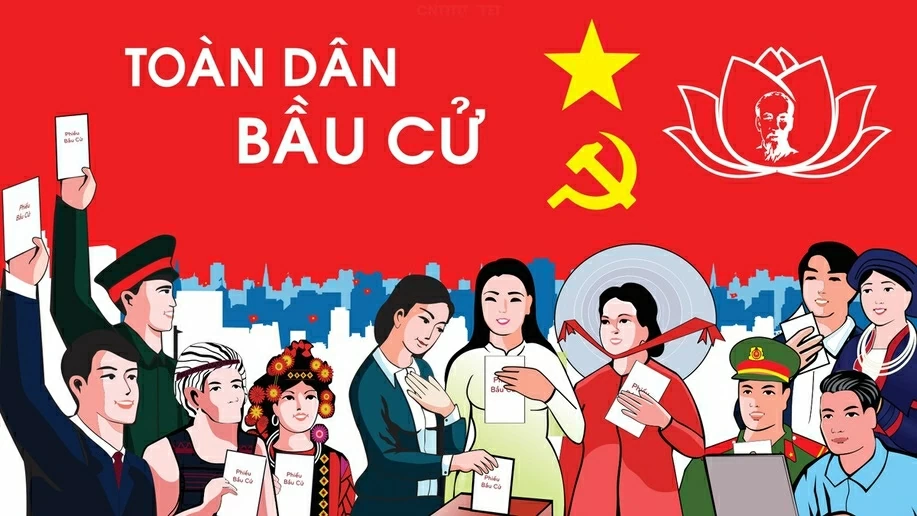 |
| The election of the 16th National Assembly and People's Councils for the 2026–2031 term is a significant milestone in the process of national governance reform. (Illustrative photo: VGP) |
Expectations for representative quality: From promises to action
Perhaps what voters care about most in each election is not the changes in processes or technology, but the quality of the representatives they choose.
In recent years, along with societal development and the expansion of information space, voters have increasingly higher expectations for elected representatives. People not only want representatives to be knowledgeable and reputable but also want them to be genuinely connected to the people's lives, understand societal challenges, and have the ability to turn those aspirations into specific policies.
In my view, in the new context, a National Assembly representative or a People's Council representative needs to possess at least three important competencies. Firstly, legislative and supervisory capabilities. The National Assembly is the highest legislative body of the country, so representatives need to be able to participate substantively in the process of building and perfecting the legal system. This requires not only professional knowledge but also the ability to analyze policies, assess impacts, and comprehensively view social issues.
Secondly, the ability to dialogue and connect with voters. Elected representatives are not only decision-makers on national issues but also a bridge between the people and the state. The ability to listen, understand, and honestly reflect the voice of the voters is a particularly important quality.
Thirdly, the spirit of responsibility and a culture of action. In political life, the people's trust is not built on promises but on tangible results. Representatives need to turn commitments made to voters into specific actions: policy proposals, participating in discussions in the assembly, overseeing law enforcement, and following through on issues that concern voters.
In reality, many voters are still concerned about the situation of "many promises, little action". This is an important reminder for those running for office. Every promise made to voters is not just a personal commitment but also a political responsibility.
Therefore, the important thing is not to say many appealing things in action programs but to clearly identify specific achievable tasks and persistently pursue them to the end.
When representatives truly consider each voter interaction as a responsibility report and each voter petition as a task to be resolved, the people's trust in elected bodies will be increasingly strengthened.
The election of the 16th National Assembly and People's Councils for the 2026–2031 term is thus not just a cyclical political event but also a significant milestone in the process of national governance reform.
Adjustments in election timing, the push for technology application, and the demand for improved representative quality all aim towards a common goal: Making the activities of elected bodies increasingly effective, closer to the people, and more deserving of the people's trust.
Ultimately, the greatest value of each election still lies in the voters' ballots. Each ballot is not only a constitutional right but also a conveyance of trust, responsibility, and aspirations for a better future for the country. When each ballot is cast with that trust, and when those chosen truly deserve that trust, our democracy will grow stronger.