


UN Resident Coordinator: International community supports and holds high expectations for Vietnam at the Human Rights Council
WVR - In an interview with The World and Vietnam Report, UN Resident Coordinator in Vietnam Pauline Tamesis emphasized that Vietnam's re-election to the United Nations Human Rights Council for the 2026-2028 term is a significant recognition from the international community, reflecting trust in Vietnam's active participation in multilateral institutions.
Latest
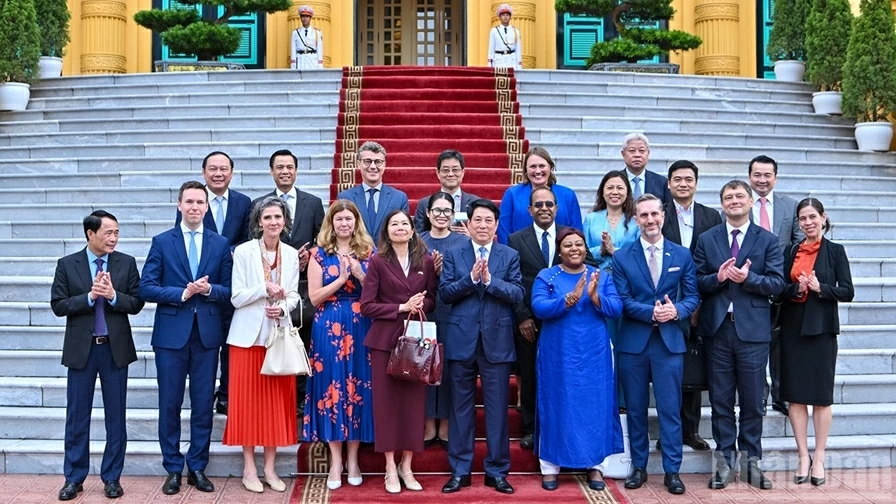 |
| President Luong Cuong meets with Resident Coordinator Pauline Tamesis and Heads of UN organizations in Vietnam, September 2025. (Source: Nhan Dan Newspaper) |
First of all, could you share your assessment of Vietnam's re-election to the UN Human Rights Council for the 2026-2028 term with a very high number of votes? In your opinion, what are the key factors that contributed to this strong international support for Vietnam?
The high level of support for Vietnam's re-election to the UN Human Rights Council for the 2026-2028 term is a significant recognition from the international community. This reflects trust in Vietnam's active participation in multilateral institutions, its constructive role in the Human Rights Council's activities, and its readiness to engage in dialogue on complex human rights issues.
In my view, several key factors contributed to this outcome. Firstly, Vietnam's active and responsible role in its previous term at the Council clearly demonstrates its commitment. Vietnam's approach, emphasizing cooperation and dialogue, is commendable. More importantly, in my opinion, is Vietnam's clear identification and presentation of priorities aligned with global concerns, such as sustainable development, climate change, digital transformation, and gender equality promotion. Equally important is Vietnam's continued active participation in UN human rights mechanisms, including the Universal Periodic Review (UPR), along with its stated commitment to translating international obligations into concrete national actions to promote equality, non-discrimination, and inclusive participation.
At the same time, this strong support comes with expectations. Membership in the Human Rights Council is not only an honor but also a responsibility to continue enhancing the protection of human rights domestically, ensuring that everyone, without discrimination, can meaningfully participate in public life and equitably enjoy development benefits, while constructively contributing to global efforts.
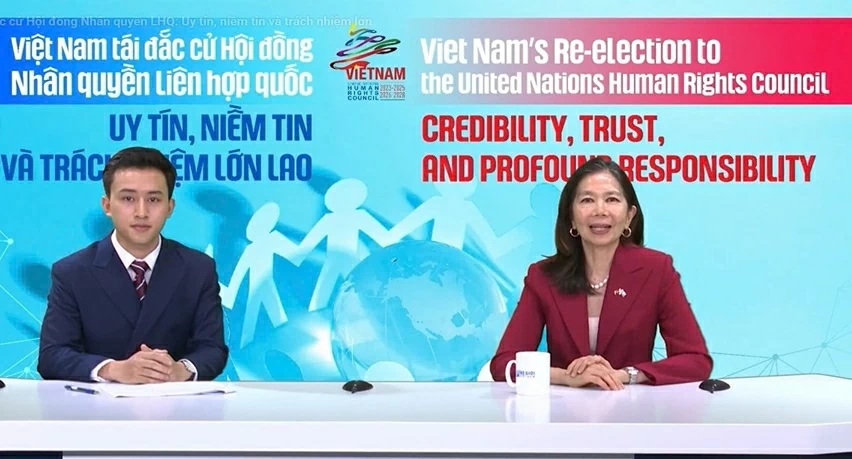 |
| Resident Coordinator Pauline Tamesis attends the Talkshow "Vietnam's Re-election to the UN Human Rights Council: Prestige, Trust, and Great Responsibility" by The World and Vietnam Report. |
In recent times, which contributions and commitments of Vietnam at the UN Human Rights Council have impressed you the most, and how have these contributions advanced the UN's joint efforts in this important field?
In its first term, Vietnam's contributions to the Human Rights Council stood out in its approach emphasizing dialogue, inclusivity, and substantive cooperation. Vietnam has consistently supported discussions linking human rights with development, the 2030 Agenda, and emerging global challenges like climate change and digital transformation – areas where international cooperation is crucial.
Addressing climate change and digital transformation through a human rights lens allows Vietnam to contribute to discussions on how digital transformation and technological innovation can drive development while respecting dignity, equality, and non-discrimination. This approach aligns with the principles of the Global Digital Compact, aiming to ensure that digital transformation is inclusive, respects human rights, and benefits everyone.
Additionally, these contributions are reinforced through the voluntary commitments and declarations Vietnam made in its candidacy for the Human Rights Council. Commitments to continue legal reforms in line with international human rights standards, enhance human rights education, and train Vietnam's law enforcement agencies contribute to strengthening institutions crucial for protecting human rights in a fair and non-discriminatory manner. These contributions have advanced the UN's joint efforts by reinforcing a vision of universal, inclusive human rights capable of addressing contemporary challenges.
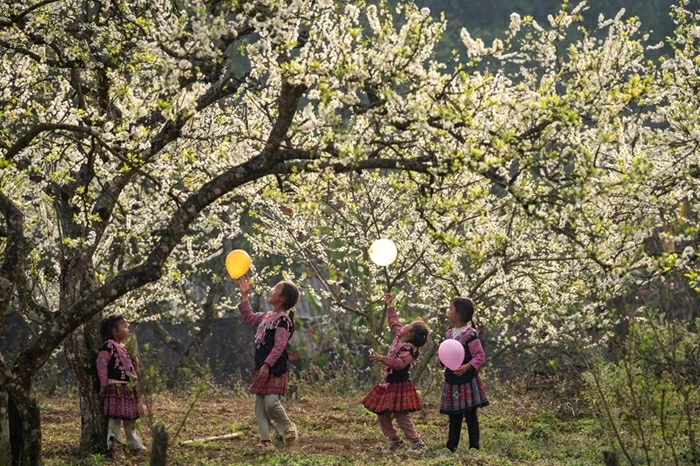 |
| In recent years, Vietnam has implemented significant steps to promote and protect human rights. (Photo: Tuan Huy) |
How do you assess Vietnam's efforts in promoting and protecting human rights in recent years, including its participation in the Universal Periodic Review (UPR) process?
In recent years, Vietnam has implemented significant steps to promote and protect human rights. Vietnam's continued participation in the Universal Periodic Review process, including the fourth cycle, demonstrates an openness to dialogue and peer review, as well as a willingness to consider recommendations related to both civil and political rights and economic, social, and cultural rights.
The development of national action plans to implement accepted UPR recommendations, along with the recently issued national action plan to implement recommendations under the International Covenant on Civil and Political Rights (ICCPR), creates an important framework for translating international commitments into national policy. These plans open opportunities to address inequalities affecting women, children, persons with disabilities, ethnic minorities, and other vulnerable groups.
These efforts are positive and should be acknowledged. However, the effectiveness of these efforts will depend on practical implementation. Continued focus on participation, access to redress mechanisms, and the impact of laws and policies on different groups will be key to ensuring inclusive progress and equal enjoyment of rights by all. As a member of the Human Rights Council, Vietnam has the opportunity to continue demonstrating how international standards can be implemented to promote social cohesion and inclusion.
Amidst both opportunities and challenges, how can the United Nations continue to enhance cooperation with Vietnam in the future to protect and promote human rights – both domestically and through contributions to regional and global efforts?
In the future, the United Nations can continue to enhance cooperation with Vietnam through persistent dialogue, technical support, and partnerships to promote inclusive development based on human rights. This includes supporting the effective implementation of Vietnam's human rights commitments under international treaties, UPR recommendations, and voluntary commitments for the 2026-2028 term, including the commitment to develop a voluntary mid-term UPR report.
Moreover, there is significant potential for broader cooperation in areas highlighted in Vietnam's new commitments at the Human Rights Council, such as promoting women's leadership and the Women, Peace, and Security Agenda; human rights education; human rights in the digital space, protecting children online; and human rights aspects of climate change and digital transformation. In this context, cooperation aligned with the Global Digital Compact can help ensure that digital transformation in Vietnam promotes equality, protects children online, and avoids creating new forms of exclusion or discrimination. These are global issues where Vietnam's experience can contribute to regional and international discussions while adopting best international practices.
This approach aligns with Vietnam's commitments, made in its candidacy for the Human Rights Council, to promote dialogue, cooperation, tolerance, and mutual understanding among nations, international partners, and stakeholders, thereby supporting the full realization of human rights for all.
On a broader level, cooperation between the United Nations and Vietnam can continue to emphasize principles of participation, transparency, and inclusivity, ensuring that policies and reforms are built on listening to diverse voices. Vietnam's re-election to the Human Rights Council presents a valuable opportunity to deepen this partnership, thereby enhancing the protection of human rights domestically while constructively contributing to regional and global efforts to promote equality, non-discrimination, and dignity for all.
On the occasion of Human Rights Day, could you share a message about human rights and your expectations for a better world, including Vietnam's contributions?
This year's International Human Rights Day reminds us that human rights are essential values tied to everyday life. I wish everyone in Vietnam to fully and practically enjoy human rights in their daily lives, thereby contributing to building a prosperous, peaceful, harmonious society with a good quality of life.
Thank you very much!